Where to Watch Traditional Cooking Demonstrations in Bali Key Takeaways
Authenticity in a traditional cooking demonstration in Bali goes beyond watching someone stir a pot.
- Trust family-run cooking schools, not just tourist hubs, for genuine traditional cooking demonstrations in Bali .
- Combine a market visit with a hands-on session to understand traditional spices and local ingredients .
- Look for experiences that highlight wood-fired cooking , village cooking experiences , and Balinese recipes passed down through generations.
What Makes a Balinese Cooking Demonstration Truly Authentic?
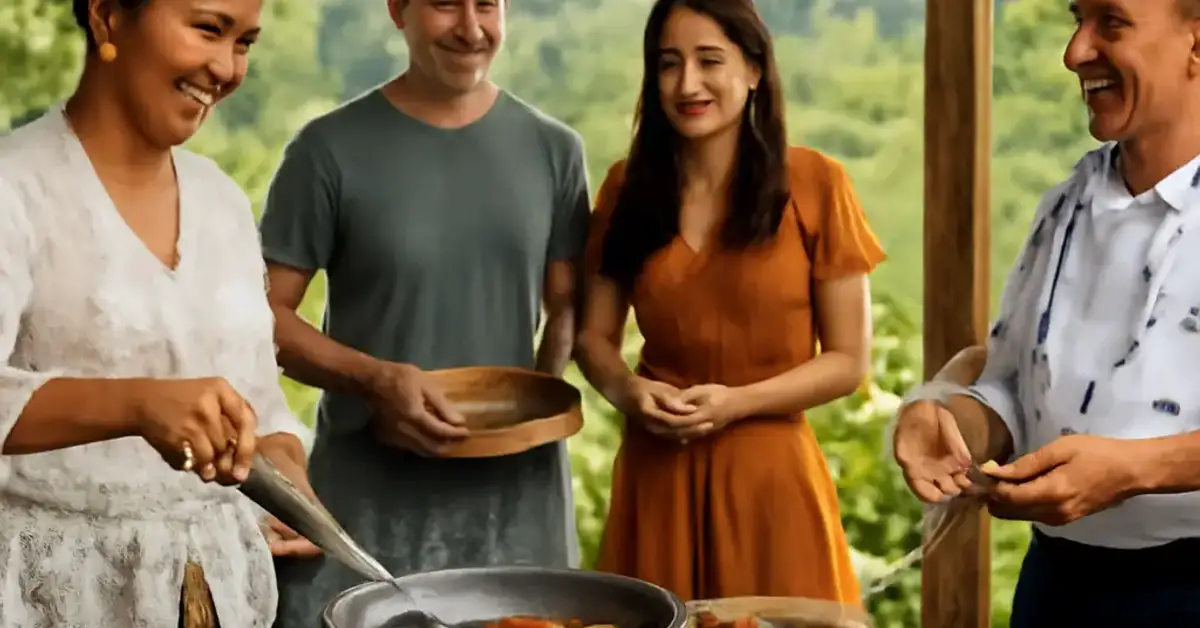
Authenticity in a traditional cooking demonstration in Bali goes beyond watching someone stir a pot. It means stepping into a family-run kitchen, handling fresh ingredients plucked from a backyard garden, and learning why traditional spices like base genep — the cornerstone of Balinese cuisine — are toasted and pounded by hand. Genuine experiences include a trip to a bustling local market early in the morning, where you touch fragrant turmeric, wild ginger, and local ingredients that define Balinese cooking. Many travelers ask, “Are traditional cooking demonstrations available for tourists in Bali?” The answer is yes — and the best ones are in small villages, not large hotel kitchens. For a related guide, see Why Every Bali Journey Should Include a Local Market Visit.
Where to Watch Traditional Cooking Demonstrations in Bali: 7 Pro Secrets
Here are key locations and insider tips to help you discover where to watch traditional cooking demonstrations in Bali with maximum cultural immersion.
1. Ubud Cooking Classes Among the Rice Terraces
Ubud cooking classes are the most famous in Bali — and for good reason. Schools like Paon Bali Cooking Class and Bumbu Bali offer half-day sessions that begin at the local market in Ubud. You select fresh ingredients — tiny eggplants, snake beans, and aromatic traditional spices — then walk to an open kitchen overlooking rice terraces. The demonstration covers how to make a Balinese recipe such as babi guling (suckling pig) or bebek betutu (slow-cooked duck wrapped in banana leaves). These cooking classes Bali offer a mix of demonstration and hands-on practice, ideal for beginners.
2. Village Cooking Experiences in Sidemen
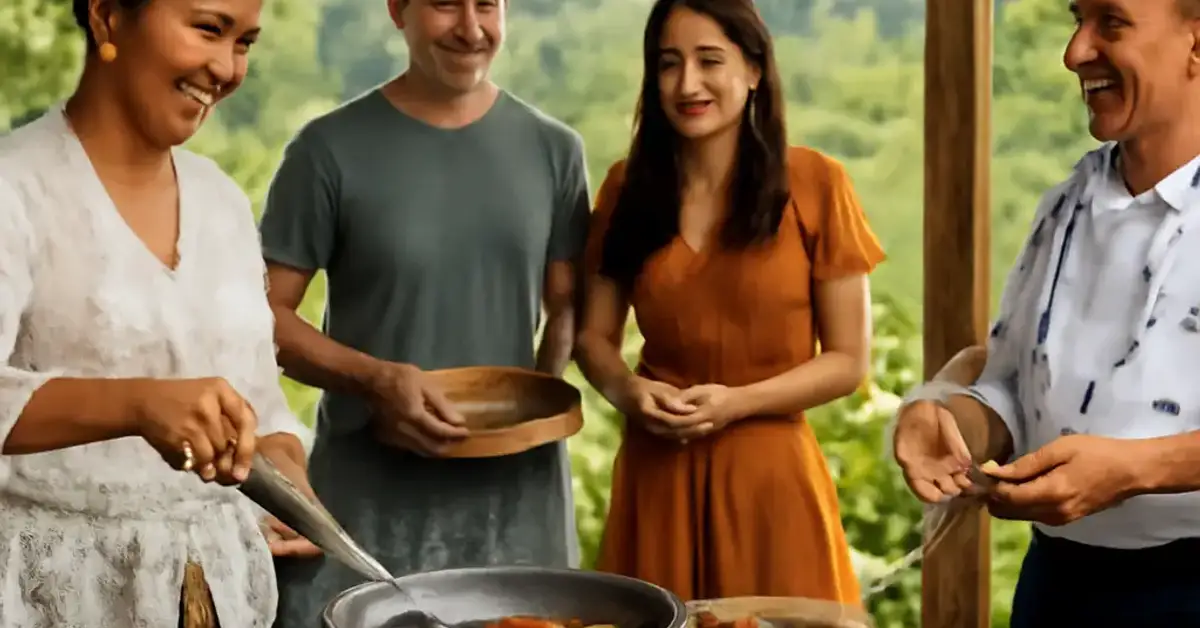
For deeper cultural immersion, head to Sidemen in east Bali. Here, village cooking experiences are hosted in family-run kitchens where grandmothers share techniques passed down for generations. You learn wood-fired cooking — the traditional method that imparts smoky depth to Balinese dishes. These sessions often include a short ceremony offering a blessing before cooking, connecting food to traditional ceremonies. This is community tourism at its finest, and one of the most memorable Bali food tours you can take.
3. Farm-to-Table Experiences in Canggu
Canggu is known for its hip cafés, but it also offers farm-to-table experiences that showcase local ingredients sourced directly from nearby farms. The Balinese cooking classes here often emphasize Indonesian cuisine with a focus on sustainable tourism. You visit a farm, pick herbs and vegetables, then learn to prepare traditional Balinese dishes such as lawar (a minced vegetable and coconut salad) and sate lilit (minced seafood skewers). These food workshops are concise and demonstration-forward, perfect for travelers on a travel itinerary that includes beach time and culture. For a related guide, see 9 Culinary Discoveries That Make Bali Even More Memorable.
4. Family-Run Schools in Ubud’s Backstreets
Beyond the famous Ubud cooking classes, small family-run cooking schools like Payuk Bali Cooking Class offer one-on-one attention. You cook inside a Balinese home, using traditional spices from the family garden. The cooking demonstrations Bali here include a full explanation of Balinese cuisine — why each ingredient is used, how it relates to Balinese culture, and how dishes are adapted for traditional ceremonies. This is a cultural food experience that feels more like visiting a friend than attending a class.
5. Wood-Fired Cooking in the Highlands of Kintamani
Kintamani’s cool mountain air makes wood-fired cooking particularly appealing. Several food experiences here combine a visit to a local market with a cooking demonstration using volcanic stones and open flames. Balinese recipes like lawar babi (pork lawar) and tum (spiced minced meat wrapped in banana leaves) are cooked over coconut husk fires. These authentic Balinese food experiences are rustic and deeply connected to the region’s agricultural heritage. The backdrop of Mount Batur makes this one of the most dramatic Bali attractions for foodies.
6. Chef-Led Private Villa Demonstrations
For a personalized authentic dining experience, book a private chef who specializes in destination dining. Executive Chef Juan Gadi, who brings Filipino hospitality to Ubud, often designs custom menus that incorporate Balinese ingredients and techniques. A private villa demonstration allows you to observe the entire process — from local market sourcing to wood-fired cooking — while asking questions in a relaxed setting. These are culinary experiences that feel like an exclusive food masterclass.
7. Community Tourism Centers in Munduk
North Bali’s hidden food gems include Munduk, where community tourism organizations run food festivals and weekly cooking demos. Visitors gather in a village hall to watch local chefs prepare traditional Balinese dishes such as jukut urab (spiced vegetables) and sambal matah (raw shallot-chili salsa). These events emphasize sustainable tourism and cultural immersion, and many include a travel itinerary that visits a coffee plantation and waterfall. It is one of the least commercialized Bali food experiences on the island.
What to Expect During a Traditional Balinese Cooking Demonstration
Visitors often wonder, “What can visitors expect during a Balinese cooking demonstration?” The experience typically unfolds in three phases. First, a guided tour of a local market where you smell, touch, and learn about local ingredients — the traditional spices, the fresh ingredients, and the art of selecting produce. Second, a hands-on cooking session where you either watch a local chef prepare three to five Balinese recipes or join in. Third, you sit down to eat the meal you helped create. Most demonstrations last three to four hours and are designed to be suitable for families and beginners.
Do Cooking Demonstrations Include Visits to Local Markets?
Yes — and this is one of the most important signs of an authentic experience. Balinese cooking classes that include a market visit introduce you to traditional spices like kencur (aromatic ginger), candlenuts, and turmeric. You see how fresh ingredients are sold by weight, often sourced from nearby farms. This farm-to-table experiences aspect is essential for culinary tourism because it connects the dish to its origin. Without the market visit, you miss half the story.
What Traditional Balinese Dishes Are Commonly Prepared During Demonstrations?
You will encounter several iconic Balinese dishes during most demonstrations:
| Dish | Key Ingredients | Cooking Method |
|---|---|---|
| Lawar | Vegetables, coconut, minced meat, traditional spices | Steaming, then mixing raw |
| Sate Lilit | Minced fish or chicken, coconut, base genep | Grilled over wood-fired cooking |
| Bebek Betutu | Duck, Balinese recipes spice paste | Slow-cooked wrapped in banana leaves |
| Nasi Campur | Local ingredients including vegetables, egg, sambal | Assembly platter |
| Sambal Matah | Shallots, bird’s eye chili, lime, fresh ingredients | Raw mixture |
Each dish reflects Balinese culture and the balance of sweet, sour, spicy, and bitter flavors that define Indonesian cuisine.
How Cooking Experiences Help Travelers Understand Balinese Culture
Participating in a traditional cooking demonstration in Bali is a direct encounter with Balinese culture. Traditional ceremonies are closely tied to food — offerings always include small portions of rice, meat, and sambal. When you learn why turmeric is used not only for flavor but to mark auspicious days, you understand the spiritual dimension of Balinese cooking. Many cultural food experiences include a blessing, where you offer a small tray of ingredients to the gods. This connects you to Balinese culture in a way that no restaurant meal can. Travelers leave with both a full stomach and a deeper appreciation of the island’s culinary heritage.
What Is the Difference Between a Cooking Class and a Cooking Demonstration in Bali?
This is a common question among travelers choosing cooking classes Bali options. In a cooking demonstration, you watch a local chef prepare dishes while explaining techniques, traditional spices, and the cultural context. You taste the final dishes, but your hands remain mostly free. A cooking class, on the other hand, is hands-on cooking — you chop, pound, stir, and plate everything yourself. Both are valuable. Food workshops often combine both: a brief demonstration followed by a hands-on session. For families with young children or travelers who prefer observing, a pure demonstration is best. For those who love hands-on cooking, a full class is more rewarding.
Are Cooking Demonstrations Suitable for Families and Beginners?
Absolutely. Most traditional cooking demonstrations in Bali are designed for families and beginners. Local chefs speak English, break down techniques into simple steps, and encourage questions. Children enjoy the local market visit and the chance to grate fresh coconut. Many Bali food experiences offer vegetarian options and can accommodate dietary restrictions. Beginner-friendly sessions focus on Balinese cuisine 101 — how to make sambal, prepare fresh ingredients, and plate dishes beautifully. No prior cooking experience is needed, only curiosity about authentic Balinese food.
How Can Travelers Choose an Authentic Traditional Cooking Experience During Their Bali Trip?
Choosing an authentic traditional cooking experience requires examining a few details:
- Local chefs from the area teaching in their own home or village kitchen — not a hotel.
- Family-run kitchens and village cooking experiences over commercial cookie-cutter schools.
- Mentions of wood-fired cooking, traditional spices, and farm-to-table experiences in the description.
- Inclusion of a local market visit before the cooking demonstration.
- Small class sizes for personalized attention and cultural immersion.
- Focus on Balinese recipes and Indonesian cuisine that reflect culinary heritage.
Reading reviews on travel blogs and food blogs helps. Reach out directly to the host with questions about local ingredients and class size. If they answer with warmth and depth, you have found a genuine Bali food tour experience.
Useful Resources
For more on traditional cooking demonstrations in Bali, explore the Bali tourism board’s guide to culinary experiences: Bali Tourism Board – Culinary Experiences. For in-depth Balinese recipes and ingredient guides, visit Indonesia Eats – Balinese Cuisine Guide.
Frequently Asked Questions About Where to Watch Traditional Cooking Demonstrations in Bali
Where can you watch traditional cooking demonstrations in Bali ?
You can watch traditional cooking demonstrations at family-run schools in Ubud, village cooking experiences in Sidemen, farm-to-table studios in Canggu, community tourism centers in Munduk, and private villa sessions led by chefs like Juan Gadi. The most authentic experiences are in small, family-run kitchens.
What are the best places to experience Balinese cooking ?
The best places include Ubud cooking classes overlooking rice terraces, Sidemen village cooking experiences, Kintamani wood-fired cooking sessions, and Munduk community tourism events. Each offers a unique window into Balinese cuisine.
Are traditional cooking demonstrations available for tourists in Bali?
Yes, they are widely available and designed for tourists. Most demonstrations welcome beginners and families, and classes are taught in English. The key is choosing one that emphasizes local ingredients and family traditions over commercial production.
What can visitors expect during a Balinese cooking demonstration?
Visitors can expect a market visit, a guided explanation of traditional spices, a demonstration of 3 to 5 Balinese dishes, and a shared meal. Many experiences also include a short blessing ceremony.
Do cooking demonstrations include visits to local markets?
Yes, most high-quality demonstrations include a guided visit to a local market where guests learn to select fresh ingredients, identify traditional spices, and understand how Balinese markets operate.
What traditional Balinese dishes are commonly prepared during demonstrations?
Common dishes include lawar, sate lilit, bebek betutu, nasi campur, and sambal matah. These dishes showcase Balinese ingredients and cooking techniques.
How do cooking experiences help travelers understand Balinese culture?
They teach how food is tied to traditional ceremonies, offerings, and community life. Guests learn why certain ingredients and techniques are sacred, revealing the spiritual side of Balinese culture.
Are cooking demonstrations suitable for families and beginners?
Absolutely. Most demonstrations are designed for all skill levels. Children enjoy market visits and grating coconut, while adults appreciate hands-on cooking instructions.
What is the difference between a cooking class and a cooking demonstration in Bali?
A cooking demonstration is observation-focused — you watch a chef prepare dishes. A cooking class is hands-on — you cook yourself. Many sessions blend both formats.
How can travelers choose an authentic traditional cooking experience during their Bali trip?
Look for family-run kitchens, local chefs, small class sizes, market visits, and descriptions that emphasize traditional methods like wood-fired cooking. Read reviews and contact the host directly.
Do I need cooking experience to join a Balinese cooking demonstration?
No experience is necessary. Demonstrations are designed for beginners and include step-by-step guidance from local chefs.
How long do traditional cooking demonstrations last?
Most demonstrations last between 3 and 5 hours, including market visit, cooking session, and shared meal. Some half-day options run 3 hours.
What is the cost of a traditional cooking demonstration in Bali?
Costs range from $20 to $60 per person depending on the location, length, and whether a market visit is included. Private villa sessions are higher.
Are dietary restrictions accommodated in Balinese cooking demonstrations?
Most hosts are happy to accommodate vegetarian, vegan, or gluten-free requests if informed in advance. Balinese cuisine naturally offers many vegetable-based dishes.
Can I book a private cooking demonstration in Bali?
Yes. Many chefs, including Executive Chef Juan Gadi, offer private villa or home sessions. Private demonstrations allow for a tailored menu and more personalized attention.
What should I wear to a cooking demonstration in Bali?
Wear comfortable, light clothing and closed-toe shoes for market visits. Many venues provide aprons. A sarong may be required for temple or blessing portions.
Do cooking demonstrations include transportation?
Many cooking schools, especially in Ubud, offer pickup and drop-off from your hotel within a certain radius. Confirm when booking.
What is base genep and why is it important in Balinese cooking ?
Base genep is the signature Balinese spice paste made from turmeric, ginger, galangal, candlenuts, and more. It is the foundation of most Balinese dishes and represents the island’s culinary heritage.
Are there cooking demonstrations that focus on Balinese sweets and desserts?
Yes, some classes include desserts like dadar gulung (green coconut pancakes) and bubur Injin (black rice pudding). Check the class schedule when booking.
What is the best time of day for a cooking demonstration in Bali?
Morning sessions are preferred because they start with a fresh market visit at 7–8 AM. Afternoon sessions are available but may skip the market.
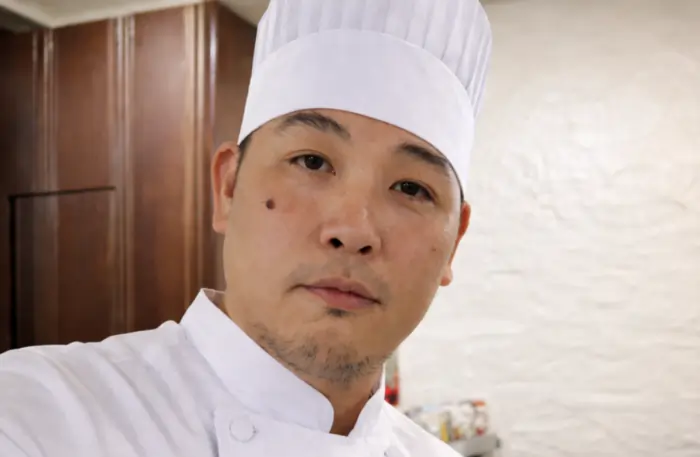
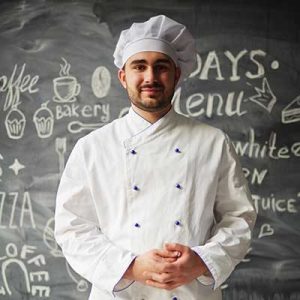
Chef Juan Gadi brings the heart of Filipino hospitality to Ubud, Bali. As an Executive Chef and consultant, he specializes in creating intimate, curated dining experiences that tell a story through every dish. Whether leading the kitchen at Kilig Filipino Warung or hosting a private villa dinner, Chef Juan’s approach is defined by warmth, modern technique, and a commitment to culinary excellence.