
Traditional Balinese Kitchens Inspire Modern Restaurants Key Takeaways
Traditional Balinese kitchens inspire modern restaurants by honoring centuries-old cooking methods, local ingredients, and family traditions that shape every dish.
- Traditional Balinese kitchens inspire modern restaurants through authentic wood-fired cooking, slow simmering, and ceremonial recipes passed down through generations.
- Local ingredients like Balinese spices, seasonal produce, and farm-to-table Bali sourcing remain the backbone of both village kitchens and high-end dining.
- Travelers and chefs alike can discover authentic Balinese food at warungs, cooking classes, and modern restaurants that honor Bali’s culinary heritage.

Why Traditional Balinese Kitchens Inspire Modern Restaurants Around the World
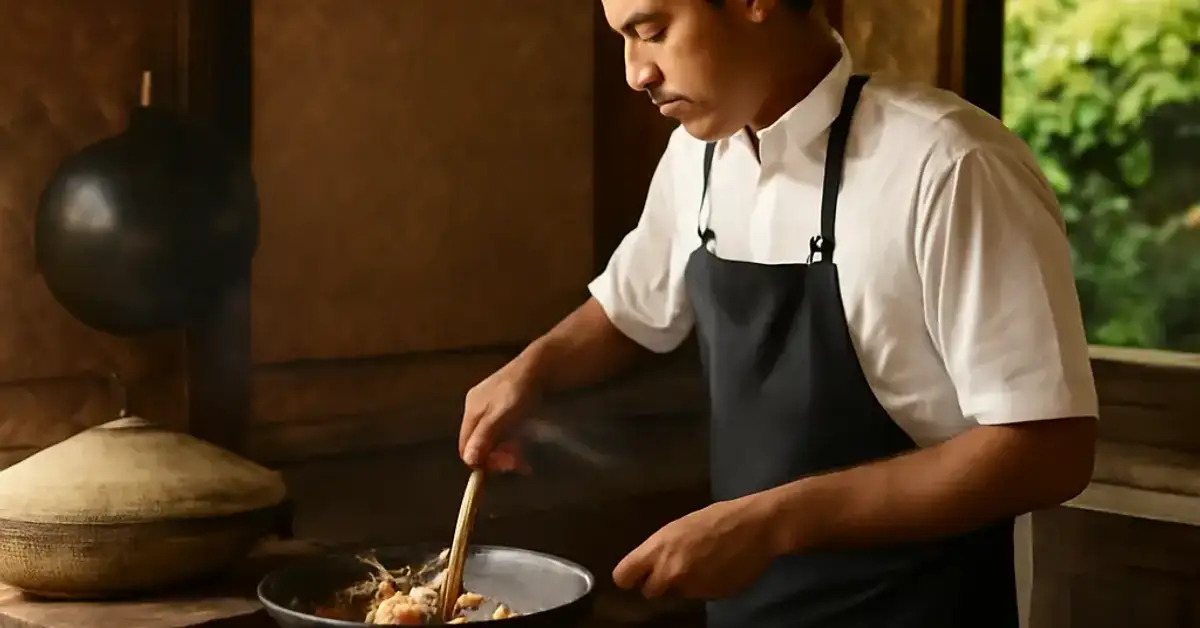
As an Executive Chef in Ubud, I’ve spent years exploring how the soul of a kitchen shapes the heart of a dish. Few places teach this lesson as powerfully as Bali. Stepping into a traditional Balinese kitchen is like opening a living cookbook — one written in smoke marks on bamboo walls, the rhythm of a stone mortar and pestle, and the scent of turmeric and lemongrass rising from clay pots. These kitchens aren’t just places to cook; they are sacred spaces where family, community, and nature meet. For a related guide, see 7 Cultural Experiences That Make Ubud Worth Visiting.
Around the world, modern Balinese restaurants are rediscovering this essence. Chefs trade stainless steel for fire pits, mass-produced spice blends for hand-ground pastes, and imported ingredients for what grows just steps from the door. The result? A dining experience that feels both ancient and refreshingly new. What makes this shift so powerful is its authenticity — it’s not a trend, but a return to roots.
What Makes Traditional Balinese Kitchens Unique
A traditional Balinese kitchen is rarely a separate room. It’s often an open-sided pavilion, a village kitchen connected to the family temple and the garden. Smoke from the wood fire curls upward through bamboo slats, flavoring everything with a subtle smokiness that no modern oven can replicate. The tools are humble but precise: a stone mortar and pestle for crushing aromatics, banana leaves for wrapping fish or rice, and clay pots for slow simmering. Every element serves a purpose rooted in centuries of wisdom.
The uniqueness also lies in the spiritual dimension. Balinese Hindus believe the kitchen is the heart of the home, where offerings are prepared and gratitude is expressed through food. This reverence infuses the authentic flavors of every meal, from a simple bowl of lawar to an elaborate buffet of ceremonial dishes.
How Do Traditional Balinese Kitchens Inspire Modern Restaurant Design and Menu?
The influence of traditional Balinese kitchens on modern restaurant design goes far beyond aesthetics. It shapes the very way chefs think about fire, ingredients, and hospitality. In Ubud, many modern Balinese restaurants now feature open kitchens with wood-fired grills, visible to diners. This transparency honors the village tradition of cooking in plain view, where guests become part of the process.
On the menu, the inspiration is even more direct. Chefs reinterpret traditional recipes using refined techniques — think seared tuna with a sambal matah that still uses the same handmade recipes a Balinese grandmother would recognize. The respect for slow cooking and wood-fired cooking elevates simple ingredients into something deeply satisfying. Guests don’t just eat; they experience a story of place and culture.
Which Cooking Techniques Are Still Used in Contemporary Balinese Dining
Several ancient methods continue to define Balinese cooking in modern kitchens:
- Wood-fired cooking — Grilling over coconut husks or hardwood adds a unique fragrance to satay, fish, and vegetables.
- Banana leaf cooking — Wrapping ingredients in banana leaves and steaming or grilling them seals in moisture and imparts a subtle herbal note.
- Stone mortar and pestle — Grinding fresh spices by hand preserves volatile oils and creates a paste with unmatched depth.
- Slow cooking — Simmering broths, curries, and braised meats for hours develops complex flavors without relying on artificial enhancers.
- Traditional cooking methods like clay pot baking and open-fire roasting are now staples in many restaurants that promote sustainable dining.
What Local Ingredients Define Authentic Balinese Cuisine
Ask any Balinese cook what makes their food special, and they’ll point to the local ingredients first. Balinese spices — turmeric, ginger, galangal, kencur, torch ginger, and candlenuts — form the base of nearly every dish. These are not dried powders but fresh rhizomes and leaves, pounded into vivid pastes called base genep, the “mother spice” of Balinese cooking.
Other defining ingredients include:
- Seasonal produce like snake beans, young jackfruit, bitter melon, and water spinach from local farms.
- Free-range chicken and duck, often raised in the same village compound.
- Fresh seafood from nearby coasts, grilled simply over coconut charcoal.
- Kecap manis (sweet soy sauce), shrimp paste (terasi), and palm sugar — all produced locally.
In farm-to-table Bali restaurants, these ingredients are sourced directly from local farmers. This not only supports the village economy but also ensures peak freshness and flavor. The farm-to-table movement here is not a marketing slogan; it’s a continuation of a centuries-old relationship between the kitchen and the land.
How Do Chefs Blend Traditional Recipes with Modern Presentation
Restaurant innovation in Bali often means taking a familiar traditional recipe and giving it a fresh canvas. At my own kitchen in Ubud, I might take the flavors of lawar — a classic mix of grated coconut, minced meat, and Balinese spices — and serve it as a delicate tartare with micro herbs and a coconut-lime foam. The soul of the dish remains the same, but the presentation speaks to a global palate.
Chefs leading this movement are often local chefs who grew up eating these dishes. They understand the balance of heat, acidity, and spice intuitively. They also respect the authentic flavors enough to let them shine without overpowering them with unnecessary flourishes. This approach creates food that surprises while still feeling comforting and familiar.
Why Are Family Recipes Important in Bali’s Restaurant Culture
Many of the most celebrated dishes in Bali restaurants originate from family kitchens. A grandmother’s recipe for chicken betutu — slow-roasted with a complex spice paste — might become the signature dish of a family-owned restaurant. These recipes are not written down; they are passed through memory, touch, and taste. When a chef preserves a family recipe, they preserve a piece of cultural identity.
This tradition is especially strong in Ubud, where I’ve worked alongside cooks who learned their craft from their mothers and aunts. The recipes carry the warmth of shared meals and the knowledge of generations. For diners, tasting a dish born from a family kitchen is a form of cultural immersion — a direct connection to Bali’s living history.
Where Can Travelers Experience Authentic Balinese Cooking
For visitors seeking authentic Balinese food, the best experiences often happen away from the main tourist strips. Here are some of the most genuine ways to taste and learn about Balinese cuisine:
- Village kitchens — Join a cooking demonstration in a local home, where you’ll help harvest herbs from the garden and grind spices by hand.
- Warungs — Small, family-owned restaurants that serve daily specials like nasi campur (mixed rice with several side dishes). Look for places where locals eat.
- Ubud cooking schools — Many offer half-day classes that include a market tour and hands-on preparation of several dishes using traditional cooking methods.
- Modern Balinese restaurants — High-end spots like Kilig Filipino Warung (where I cook) and others in Seminyak or Ubud reinterpret classics with creativity while honoring the source.
- Temple festivals — If invited, attending a temple ceremony offers a rare chance to taste ceremonial dishes prepared in massive quantities over wood fires.
For a deeper dive, book a private villa dinner. As a chef, I love creating multi-course menus that walk guests through the story of Balinese cooking — from traditional cooking methods to the final plate. These experiences are perfect for culinary tourists and food travelers who want more than a meal; they want a narrative.
How Do Traditional Kitchens Support Bali’s Culinary Heritage
Bali’s culinary heritage is not static. It lives in the hands of local chefs, in the soil of small farms, and in the daily practices of village kitchens. By continuing to use traditional cooking methods — such as banana leaf cooking or slow cooking over open flames — modern restaurants ensure these techniques survive and evolve.
Moreover, culinary tourism in Bali has created a market for handmade recipes and local ingredients. Visitors seek out authentic dining experiences, which in turn supports local farmers, spice growers, and artisans who produce traditional cookware. This economic cycle helps preserve community traditions while adapting to contemporary tastes.
Bali culinary heritage thrives when chefs and travelers alike treat food as a living tradition — something to be learned, shared, and transformed with respect. The cultural food experiences available on the island today are richer because of this ongoing dialogue between past and present.
What Role Do Local Farmers and Seasonal Ingredients Play in Modern Balinese Restaurants
The relationship between local farmers and restaurants in Bali is one of mutual respect. Many modern Balinese restaurants build their menus around what is harvested that morning. Seasonal produce dictates the dishes, rather than the other way around. This approach ensures that ingredients are at their peak and reduces the environmental footprint.
Farm-to-table Bali is more than a sourcing strategy; it’s a philosophy that honors the land. Farmers bring baskets of just-picked chilies, herbs, and vegetables directly to the kitchen door. Chefs then decide what to cook based on what arrives. This spontaneity is a hallmark of traditional Balinese kitchens, where the day’s meal is always shaped by the garden and market.
For diners, this means menus that change daily and dishes that taste of the moment. It is sustainable dining in its truest form — no trucking ingredients from across the world, no frozen stocks, just pure, honest food.
Why Do Traditional Balinese Cooking Methods Continue to Shape the Island’s Evolving Food Scene
Bali’s food scene is constantly evolving, yet its foundation remains firmly rooted in tradition. The reason is simple: these methods produce extraordinary flavor. Wood-fired cooking imparts a smoky richness that cannot be replicated. Stone mortar and pestle grinding yields spice pastes with a texture and aroma that blenders destroy. Slow cooking allows tough cuts of meat to become tender and deeply flavored.
Moreover, these techniques resonate with modern values. In a world of fast food and industrial processing, traditional cooking methods represent authenticity, patience, and care. Diners are increasingly drawn to experiences that feel real. Authentic dining is not just about where the food comes from, but how it is made.
As a chef, I find that the most satisfying dishes are those that require time and touch. The hum of a wood fire, the rhythmic thud of a pestle, the gentle hiss of banana leaves over coals — these sounds are the soundtrack of Balinese cooking. They remind us that great food is not rushed. And that is a lesson worth carrying into any kitchen, anywhere in the world.
Practical Tips for Food Travelers: Where to Eat and What to Try
If you are planning a trip to Bali and want to explore its culinary richness, here is a quick checklist:
- Eat at a warung at least once. Look for one that serves nasi campur with at least five different sides.
- Take a cooking class. Choose one that includes a market tour and uses traditional cooking methods.
- Order lawar, sate lilit, and ayam betutu — these are pillars of authentic Balinese food.
- Visit a family-owned restaurant in a village. The food will be humble but soulful.
- Attend a cooking demonstration at a resort or cultural center that partners with local families.
- Seek out Bali food experiences that include a visit to a farm or spice garden.
By approaching Bali travel guide recommendations with curiosity and respect, you will leave with not only memories but also a deeper appreciation for the island’s food culture.
Conclusion: How Traditional Balinese Kitchens Inspire Modern Restaurants — and Why It Matters
The answer to how traditional Balinese kitchens inspire modern restaurants is not found in a single dish or technique. It is woven into every aspect of the dining experience — from the warmth of the welcome to the way fire transforms ingredients. As an Executive Chef in Ubud, I have seen how the spirit of a traditional Balinese kitchen can elevate a meal into something sacred.
For travelers, chefs, and food lovers, the invitation is simple: taste with curiosity, eat with respect, and let the flavors of Bali teach you something new. The island’s culinary heritage is one of the world’s great treasures. It deserves to be celebrated, preserved, and shared.
Useful Resources
- BBC Travel: The secrets of Balinese cooking — A deep dive into the traditions and techniques that define Balinese cuisine.
- Visit Bali Official: Culinary Guide — Official tourism resource for finding authentic Balinese food and local food experiences across the island.
Frequently Asked Questions About Traditional Balinese Kitchens Inspire Modern Restaurants
What makes traditional Balinese kitchens unique?
Traditional Balinese kitchens are open-sided pavilions where wood-fired cooking, stone mortar and pestle grinding, and banana leaf cooking are central. They are connected to the family compound and temple, blending practicality with spiritual meaning.
How do traditional Balinese kitchens inspire modern restaurants ?
Traditional Balinese kitchens inspire modern restaurants by introducing open-fire cooking, family recipes, and a deep respect for local ingredients. Chefs adapt ancient techniques like slow simmering and spice grinding to create refined yet soulful dishes.
Which cooking techniques are still used in contemporary Balinese dining?
Modern restaurants still use wood-fired cooking, banana leaf cooking, stone mortar and pestle grinding, and slow cooking. These traditional cooking methods add depth and authenticity to dishes.
What local ingredients define authentic Balinese cuisine ?
Balinese spices like turmeric, galangal, ginger, and candlenuts form the base. Seasonal produce, free-range chicken, seafood, and palm sugar also define the cuisine. The emphasis is on freshness and local ingredients. For a related guide, see How Local Farmers Influence Bali’s Restaurant Scene.
How do chefs blend traditional recipes with modern presentation?
Chefs take a traditional recipe and reinterpret its flavors with modern plating, precision techniques, and global influences while preserving the dish’s soul. This restaurant innovation makes food both familiar and surprising.
Why are family recipes important in Bali’s restaurant culture?
Family recipes carry the memory of generations and form the foundation of many family-owned restaurants. They preserve community traditions and create a personal connection between the chef and the diner.
Where can travelers experience authentic Balinese cooking?
Travelers can join cooking demonstrations in village kitchens, eat at warungs, attend cooking schools, or dine at modern Balinese restaurants that prioritize authentic Balinese food.
How do traditional kitchens support Bali’s culinary heritage?
By using traditional cooking methods and sourcing local ingredients, kitchens keep Bali’s culinary heritage alive. This creates demand for handmade recipes and supports local farmers and artisans.
What role do local farmers and seasonal ingredients play in modern Balinese restaurants ?
Local farmers supply seasonal produce directly to restaurants, allowing chefs to build menus around what is fresh. This farm-to-table Bali approach honors tradition and supports sustainable dining.
Why do traditional Balinese cooking methods continue to shape the island’s evolving food scene?
Because they produce exceptional flavor and resonate with diners seeking authentic dining. Techniques like wood-fired cooking and slow cooking create dishes that are both traditional and relevant to modern food culture.
What is base genep in Balinese cooking?
Base genep is the “complete” spice paste that forms the flavor foundation of many Balinese dishes. It contains turmeric, ginger, galangal, candlenuts, garlic, shallots, and chili, all ground together using a stone mortar and pestle.
Can I learn to cook Balinese food as a tourist?
Absolutely. Many Ubud cooking schools and family-owned restaurants offer half-day classes that include market visits and hands-on preparation of several dishes using traditional cooking methods.
What is the difference between a warung and a modern Balinese restaurant?
A warung is a small, often family-owned restaurant serving daily homestyle meals. A modern Balinese restaurant typically uses refined presentation and techniques while still honoring traditional recipes.
Is Balinese food very spicy?
It can be, but not always. Balinese cuisine balances heat with sour, sweet, and savory notes. Many dishes are mild and rely on the aromatic depth of Balinese spices rather than pure heat.
What is the best way to find authentic Balinese food in Bali?
Eat where locals eat — warungs, market stalls, and family-owned restaurants. Look for places that serve nasi campur, lawar, and wood-fired cooking specialties.
How are traditional Balinese kitchens connected to community traditions?
Kitchens are central to community life. Meals are cooked communally for ceremonies, neighbors share ingredients, and recipes are passed down through generations. This reinforces community traditions and food culture.
Do modern Balinese restaurants only serve traditional dishes?
No. Many also serve innovative dishes that fuse Balinese flavors with international influences. However, the best ones always respect authentic flavors and traditional cooking methods.
What is lawar?
Lawar is a classic Balinese dish made from grated coconut, minced meat (often pork or chicken), and a blend of Balinese spices, sometimes mixed with fresh blood or young jackfruit.
How does Chef Juan Gadi incorporate traditional Balinese techniques into his cooking?
Chef Juan uses wood-fired cooking, fresh local ingredients, and handmade recipes to create dishes that honor Balinese tradition while offering a modern, storytelling dining experience in Ubud.
What is sate lilit?
Sate lilit is a Balinese satay made from minced fish or chicken mixed with grated coconut and Balinese spices, wrapped around a lemongrass stick, and grilled over coconut charcoal.
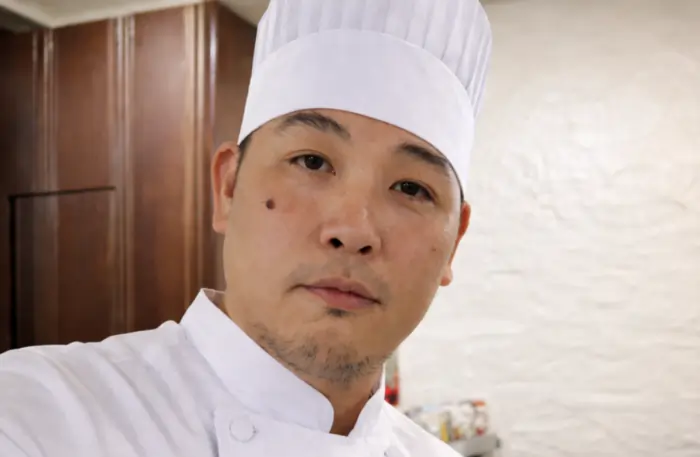
Chef Juan Gadi brings the heart of Filipino hospitality to Ubud, Bali. As an Executive Chef and consultant, he specializes in creating intimate, curated dining experiences that tell a story through every dish. Whether leading the kitchen at Kilig Filipino Warung or hosting a private villa dinner, Chef Juan’s approach is defined by warmth, modern technique, and a commitment to culinary excellence.