
Why Balis Mountain Regions Offer Unique Food Experiences Key Takeaways
When travelers ask me why Bali’s mountain regions offer unique food experiences , I often start with the soil beneath our feet.
- Volcanic soil and highland microclimates produce some of Bali’s finest fresh vegetables , tropical fruits , and Balinese coffee .
- Regions like Kintamani , Bedugul , and Munduk offer distinct culinary experiences—from smoky grilled fish by Lake Batur to organic salads picked moments before serving.
- Supporting local farms and traditional warungs is a direct way to engage with sustainable dining and preserve Bali’s culinary heritage .

What Makes Bali’s Mountain Regions a Culinary Treasure
When travelers ask me why Bali’s mountain regions offer unique food experiences, I often start with the soil beneath our feet. The island’s volcanic spine—forged by ancient eruptions—nourishes a landscape where volcanic soil is rich in minerals like potassium, phosphorus, and magnesium. This natural fertility, combined with cooler temperatures at elevations above 1,000 meters, allows farmers to grow crops that struggle in the coastal lowlands: crisp fresh vegetables, sweet tropical fruits with intense flavor, and some of the world’s most aromatic Balinese coffee. The result is a pantry that chefs, including myself, dream about. For a related guide, see How Balis Morning Markets Shape Local Food Culture.
How Volcanic Soil Shapes the Quality of Bali’s Produce
Bali’s highland farms sit atop layers of volcanic ash that have weathered over centuries into deep, loamy earth. This volcanic soil drains well yet retains moisture, creating perfect conditions for root vegetables, leafy greens, and legumes. I have visited farms in the Kintamani region where local farms grow purple sweet potatoes, snake beans, and tomatoes that taste like the sun itself—far sweeter and more concentrated than anything grown in the lowlands. The mineral profile of the soil directly influences flavor, giving dishes a depth that is hard to replicate elsewhere. This is why Bali mountain food feels so alive.
The Microclimate Advantage in Bedugul and Munduk
Bedugul and Munduk sit at similar altitudes but offer distinct microclimates. Bedugul, near Lake Bratan, enjoys consistent rainfall that supports sprawling rice terraces and vegetable gardens. Munduk, draped in misty hills, is a haven for coffee plantations and spice gardens. The air here is cool enough to warrant a light jacket even at midday. These conditions allow farmers to practice year-round cultivation, meaning the seasonal ingredients on your plate change with nature’s rhythm, not a calendar.
Kintamani Food: Smoky Grills and Lakefront Dining
Kintamani food is synonymous with one iconic experience: dining beside the caldera of Mount Batur with Lake Batur shimmering below. Lakefront dining at Kintamani revolves around Ikan Mujahir Nyat Nyat—a local tilapia simmered in turmeric and lemongrass, then grilled over coconut husks until smoky. The fish comes straight from the lake, caught that morning by villagers. A meal here often includes fresh vegetables from local farms, a sambal made with bird’s-eye chilies, and steamed rice tinted yellow with kunyit (turmeric).
Traditional Warungs Above the Clouds
The best Bali mountain restaurants in Kintamani are humble traditional warungs perched along the rim road. One of my favorites, Warung Batur Natural, serves authentic Balinese food with a view that stops conversation. The destination dining here is not about white tablecloths—it is about sitting on a bamboo bench, feeling the cool breeze, and eating food cooked over an open fire while the volcano exhales steam in the distance. This is mountain dining Bali at its most honest.
Bedugul: Cool Air, Fresh Markets, and Farm-to-Table Bali
Bedugul offers a different rhythm. The morning air is crisp, and the air smells of wet earth and frangipani. The local markets here—especially Pasar Candi Kuning—are a paradise for food lovers. Stalls overflow with organic produce: giant cabbages, carrots with their tops still attached, strawberries that taste of wild berries, and bunches of fresh vegetables I never see in Ubud. Purchasing ingredients here and taking them to a mountain café that offers cooking classes is a wonderful way to learn the nuances of local cuisine.
Lake Bratan and Its Seafood Treasures
Dining along Lake Bratan means enjoying fish pulled from the same lake. Lakefront dining at a scenic restaurant like The Padang Padang offers grilled freshwater prawns and a clear broth made with lake fish and galangal. The view—water so still it mirrors the Pura Ulun Danu Bratan temple—makes every bite more memorable. For travelers seeking a Bali travel guide experience that combines sightseeing with eating, Bedugul is an essential stop on any culinary tourism itinerary.
Munduk: Coffee Plantations and Spice Gardens
Move further north to Munduk, and the landscape turns into a patchwork of coffee plantations and spice gardens. This village sits at 1,300 meters and produces some of the island’s most prized Balinese coffee. Here, I have walked through plantations where local farms grow Arabica and Robusta beans, plus cloves, vanilla, and cacao. A visit to a coffee plantation typically ends with a tasting—rich, full-bodied coffee served with palm sugar and coconut milk.
Munduk’s Farm-to-Table Restaurants
The farm-to-table restaurants in Munduk are small, family-owned, and deeply connected to the land. At Warung Joy, the menu changes based on what is picked that morning. One day you may enjoy a pumpkin and coconut soup; the next, a wild mushroom stir-fry with Indonesian cuisine spices. These dishes are simple but profound, showcasing the pure flavor of local ingredients. For anyone interested in sustainable dining, eating here is a lesson in eco-tourism—zero waste, local sourcing, and respect for the land.
Where Are the Best Mountain Dining Destinations in Bali
Based on my travels and chef collaborations across the island, the three essential regions for mountain dining Bali are Kintamani, Bedugul, and Munduk. Each offers a distinct expression of Balinese cuisine shaped by altitude, soil, and tradition. Kintamani food excels in grilled lake fish and smoked meats. Bedugul shines with market-fresh vegetables and lake seafood. Munduk delivers plantation-to-cup coffee, cacao, and foraged mushrooms. Together, they form a triangle of destination dining that no food traveler should miss. For a related guide, see 10 Food Markets in Bali Every Traveler Should Experience.
| Region | Elevation | Signature Ingredients | Must-Try Dish |
|---|---|---|---|
| Kintamani | 1,500 m | Lake fish, chilies, turmeric, tomatoes | Ikan Mujahir Nyat Nyat |
| Bedugul | 1,200 m | Strawberries, cabbages, carrots, freshwater prawns | Grilled prawns with sambal matah |
| Munduk | 1,300 m | Coffee, cacao, vanilla, wild mushrooms | Wild mushroom curry |
How to Enjoy Authentic Farm-to-Table Experiences in the Highlands
Farm-to-table Bali is not a marketing term here—it is a way of life. To experience it, I recommend three steps. First, visit a local market like Pasar Candi Kuning in Bedugul early in the morning. Talk to the farmers. Ask what was harvested today. Second, join a cooking class at a farm-to-table restaurant in Munduk where you pick ingredients from the spice gardens yourself. Third, support traditional warungs that source from local farms. These small eateries rely on sustainable tourism to survive, and every meal you eat there directly supports Bali agriculture.
When Is the Best Time to Explore Bali’s Mountain Food Scene
The dry season, from April to October, offers clear skies, cool breezes, and minimal rain—perfect for highland dining. During the rainy season, from November to March, the mountains can be misty and roads more challenging, but the rice terraces are at their greenest, and the seasonal ingredients shift to heartier root vegetables. I find that early morning visits to markets and late afternoon meals at scenic restaurants offer the most magical light and the freshest produce.
Why Mountain Dining Differs from Coastal Experiences
Coastal Bali offers incredible seafood and international fusion, but the highlands provide something quieter and more rooted. Bali mountain food is dictated by the land. There is no imported produce—everything comes from within a few kilometers. The flavors are cleaner, the vegetables crunchier, and the coffee more aromatic. Authentic dining in the mountains is about patience and connection: waiting for a farmer to return from the field with a basket of greens, listening to the owner of a traditional warung explain how her grandmother made the sambal, and tasting the authentic Balinese food that has sustained families for generations.
Useful Resources
For more information on Bali’s mountain food scene and sustainable tourism practices, I recommend these two trusted sources:
- Bali Tourism Board – Official updates on regional events, market hours, and sustainable travel guidelines.
- Green Bali Foundation – Insightful articles on eco-tourism, organic farming cooperatives, and how travelers can support local agriculture.
As a chef who has spent years exploring Bali’s highlands, I can tell you that every meal there is a privilege. The land speaks through its ingredients, and the people who farm, cook, and share them are the true keepers of Balinese cuisine. Whether you are a seasoned food traveler or a first-time visitor, let the mountains guide your next meal. You will taste the difference.
Frequently Asked Questions About Why Balis Mountain Regions Offer Unique Food Experiences
What makes Bali’s mountain regions unique for food experiences?
The combination of volcanic soil, cool microclimates, and centuries-old farming traditions produces ingredients with exceptional flavor and freshness that you simply cannot find in coastal areas.
Where are the best mountain dining destinations in Bali?
The three must-visit destinations are Kintamani, Bedugul, and Munduk. Each offers a distinct style of mountain dining Bali—from lakefront grills to market-driven kitchens and plantation cafés.
What local ingredients grow in Bali’s highlands?
Fresh vegetables such as cabbages, carrots, potatoes, and leafy greens thrive alongside tropical fruits like strawberries, passionfruit, and bananas. Balinese coffee, cacao, vanilla, and a range of spice gardens ingredients also flourish.
Why are Kintamani, Bedugul, and Munduk popular with food lovers?
Food lovers are drawn to these regions for their authentic Balinese food, stunning scenic restaurants, and the opportunity to see local farms and coffee plantations firsthand. The destination dining experiences are deeply tied to the landscape.
How does volcanic soil influence the quality of Bali’s produce?
Volcanic soil is rich in trace minerals that plants absorb, resulting in more concentrated flavors. Vegetables grown in this soil are often sweeter and more nutrient-dense than those grown in lowland alluvial soils.
What traditional dishes should travelers try in Bali’s mountain regions?
Travelers should try Ikan Mujahir Nyat Nyat in Kintamani, grilled lake fish with turmeric; sayur urap in Bedugul, a steamed vegetable salad with grated coconut; and wild mushroom curry in Munduk.
How do local farms support restaurants in the highlands?
Local farms supply farm-to-table restaurants and traditional warungs with daily harvests of fresh vegetables, fruits, herbs, and coffee, creating a direct pipeline from soil to plate.
When is the best time to explore Bali’s mountain food scene?
The dry season (April to October) offers the most comfortable weather for highland dining, but the rainy season provides lush scenery and abundant seasonal ingredients like wild mushrooms and root vegetables.
How can travelers enjoy authentic farm-to-table experiences in Bali?
Visit local markets early in the morning, join cooking classes at farm-to-table restaurants in Munduk, and eat at traditional warungs that source ingredients from nearby local farms.
Why do Bali’s mountain regions offer a different culinary experience from the coast?
The mountains produce ingredients with cleaner, more intense flavors due to volcanic soil and cooler growing conditions. The dining culture is quieter, more intimate, and grounded in sustainable dining and culinary heritage.
What is a traditional warung in Bali’s highlands?
A traditional warung is a small family-run eatery serving authentic Balinese food. In the highlands, these warungs often feature daily specials based on what was harvested that morning.
Are there vegetarian options in Bali’s mountain restaurants?
Yes. Many Bali mountain restaurants offer vegetarian dishes such as sayur urap, pepes tahu (steamed tofu with herbs), and wild mushroom preparations.
Can I visit coffee plantations in Munduk?
Absolutely. Munduk is home to several working coffee plantations that offer tours and tastings. Many also grow cacao and vanilla, making for an educational and delicious visit.
What is the signature dish of Kintamani food ?
The signature dish is Ikan Mujahir Nyat Nyat, a lake fish simmered in turmeric and lemongrass, then grilled over coconut husks. It is served with rice, sambal, and fresh vegetables.
How does sustainable tourism connect with mountain dining in Bali?
Many farm-to-table restaurants and traditional warungs rely on local farms and practice zero-waste cooking. By dining at these establishments, travelers directly support sustainable dining and eco-tourism.
What are the best lakefront dining spots in Bedugul?
The Padang Padang and Warung Tepi Danau offer lakefront dining with views of Lake Bratan and the Pura Ulun Danu Bratan temple. Both serve local cuisine with freshly caught lake fish.
Is Kintamani food suitable for spicy food lovers?
Yes. Kintamani food is known for bold flavors, and many dishes come with sambal matah or a spicy chili paste made from local bird’s-eye chilies.
Can I find Balinese coffee in the highlands?
Yes. Balinese coffee is grown extensively in Munduk and Kintamani. Many mountain cafés offer single-origin brews and plantation tours.
What should I bring when visiting Bali’s mountain regions for food?
A light jacket, comfortable walking shoes, an appetite, and a notebook—you will want to remember the names of dishes and traditional warungs you discover.
How can I support local farmers in Bali’s highlands?
Buy produce directly from local markets, choose farm-to-table restaurants, and engage in cultural tourism by visiting local farms and coffee plantations that welcome visitors.
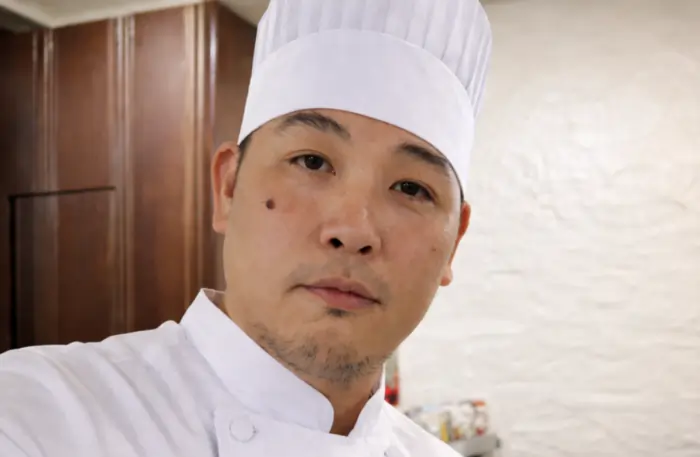
Chef Juan Gadi brings the heart of Filipino hospitality to Ubud, Bali. As an Executive Chef and consultant, he specializes in creating intimate, curated dining experiences that tell a story through every dish. Whether leading the kitchen at Kilig Filipino Warung or hosting a private villa dinner, Chef Juan’s approach is defined by warmth, modern technique, and a commitment to culinary excellence.