

Exploring Bali Through Seasonal Harvests Key Takeaways
Exploring Bali Through Seasonal Harvests is the ultimate way to connect with the island’s soul.
- Exploring Bali Through Seasonal Harvests reveals a different side of the island, one rooted in centuries of farming traditions and a deep respect for the land.
- The island’s tropical climate gifts us a rotating bounty of mangosteen , salak , mangoes , and coffee , each tied to a specific season and celebration.
- Farm-to-table dining and cooking classes in Ubud allow visitors to taste Balinese cuisine at its most authentic, while supporting sustainable farming and community tourism .
What Readers Should Know About Exploring Bali Through Seasonal Harvests
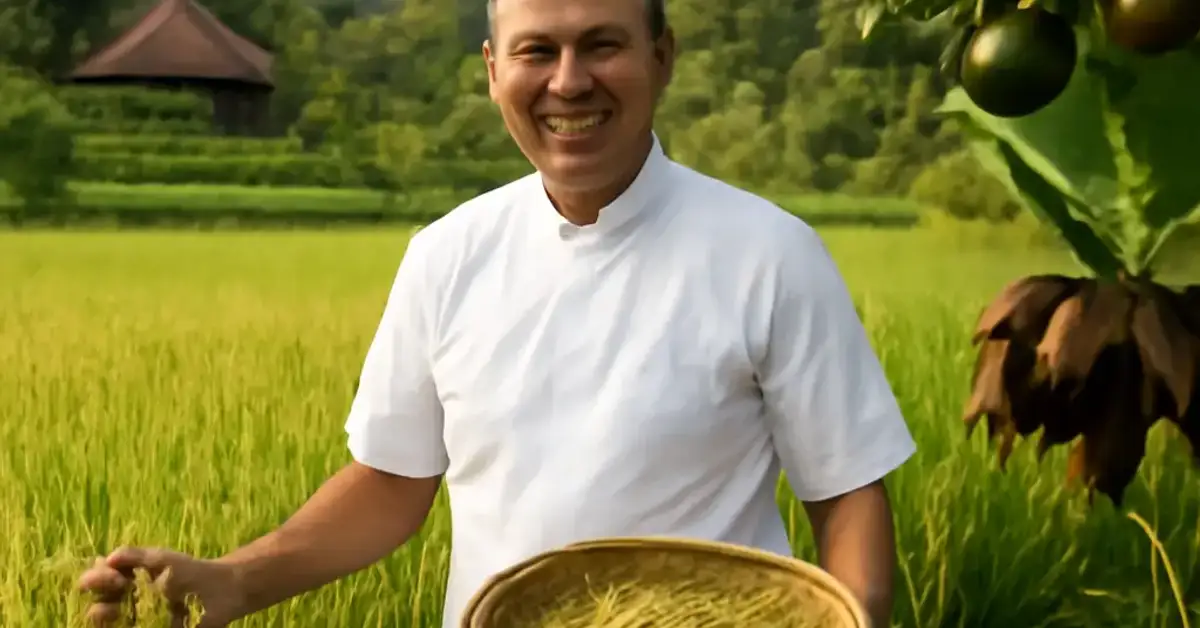
When I first arrived in Bali as a young chef from the Philippines, I thought I understood tropical produce. I was wrong. The island taught me that flavor is seasonal, and that Bali seasonal harvests are not just about food—they are about ceremony, community, and survival. Every rice harvest, every bunch of tropical fruits carried to a traditional market, is a promise kept between the farmer and the gods.
Exploring Bali Through Seasonal Harvests is an invitation to slow down. It is a journey through emerald rice terraces, fragrant coffee harvest villages in Kintamani, and cacao farms in the lush highlands of Tabanan. Whether you are a culinary tourist or a first-time visitor looking for authentic Balinese food, this guide will show you how to taste the island in its purest form—by following the harvest seasons. For a related guide, see 7 Cultural Experiences That Make Ubud Worth Visiting.
When Is the Best Time to Experience Seasonal Harvests in Bali?
Seasonal produce Bali follows two distinct monsoons. The dry season (April to October) is the harvest season Bali for most fruits and the main rice harvest. The wet season (November to March) brings its own treasures, from mangosteen to second-crop vegetables. But the truth is, there is no wrong time to visit if you know where to look.
Dry Season Highlights (April–October): The Peak of Bali Food Experiences
This is when the island is at its most generous. Mangoes, salak (snake fruit), and coffee harvest ceremonies fill the air with sweetness. Local farmers in village life communities celebrate with harvest celebrations that welcome visitors to join in. The famous rice harvest in Jatiluwih and Tegallalang is a sight to behold—fields of gold stretching across volcanic hillsides.
Wet Season Treasures (November–March): Unveiling Local Ingredients
Many travelers avoid the rainy months, but this is when Bali agriculture reveals its most intimate side. Organic vegetables flourish in the cooler highlands, and cacao farms begin their fermentation process. Balinese spices like turmeric, ginger, and galangal are at their aromatic peak. It is the perfect time for cooking classes and farm visits that focus on seasonal ingredients and regenerative agriculture.
What Are Bali’s Seasonal Harvests? A Complete Calendar
Understanding the Bali seasonal harvests calendar is like reading the island’s heartbeat. Each harvest is tied to a subak (irrigation cooperative) schedule, which is itself dictated by temple festivals and lunar cycles. Here is a simplified guide for Bali travel guide enthusiasts.
| Season | Harvest | Best Experience |
|---|---|---|
| January – March | Mangosteen, salak, organic vegetables | Traditional markets in Ubud and Bedugul |
| April – June | Main rice harvest, mangoes | Farm visits in Jatiluwih and Tegallalang |
| July – September | Coffee harvest, cacao farms | Kintamani coffee tours and chocolate-making |
| October – December | Second rice harvest, tropical fruits | Food festivals and harvest celebrations |
How Do Seasonal Harvests Influence Balinese Cuisine?
Balinese cuisine is a direct reflection of Bali seasonal harvests. Unlike Western cooking, which often relies on imported ingredients year-round, traditional Balinese dishes are built around what is available in the field that day. A local farmers market in Gianyar tells you everything you need to know about the season.
Balinese spices like basa genep (a ten-spice base) are adapted based on which roots and leaves are freshest. During the coffee harvest, you will find robusta and arabica beans in everything from sauces to desserts. When mangosteen and salak are abundant, they appear in sambals and fruit salads. This is authentic Balinese food at its most honest—seasonal, local, and deeply connected to the land.
Where Can Travelers Experience Farm-to-Table Dining in Bali?
Farm-to-table Bali is not a trend here; it is a living tradition. Many farm-to-table restaurants have sprung up around Ubud, Canggu, and Seminyak, but the most authentic experiences are found inside village life communities. I have worked with local farmers who supply my kitchen at Kilig Filipino Warung, and I can say that the difference in flavor is night and day.
Must-Visit Farm-to-Table Restaurants
Locavore in Ubud is a pioneer of destination dining, using only seasonal ingredients from nearby organic farming cooperatives. Biji Kopi offers a farm-to-cup experience that traces coffee harvest from bean to brew. For a more intimate setting, I host private villa dinners where we source fresh produce from local farmers that morning. These are Bali culinary experiences that stay with you long after you leave.
Village-Based Dining Experiences
In the highlands of Kintamani, you can visit cacao farms and taste single-origin chocolate made on the spot. In traditional markets like Pasar Ubud and Pasar Badung, you can sample Balinese cuisine that has been prepared for generations. Food travel in Bali is about more than eating—it is about understanding the story behind every ingredient.
How Can Visitors Explore Bali’s Farms and Local Markets Responsibly?
Sustainable tourism and community tourism are essential to preserving Bali agriculture. As someone who has built a career on respecting local food systems, I urge travelers to approach farm visits with humility. Eco-tourism is not just about taking photos of rice terraces—it is about supporting the farmers who maintain them.
Practical Tips for Responsible Farm and Market Visits
Always ask permission before photographing local farmers or their land. Buy fresh produce directly from traditional markets instead of supermarkets. Join cooking classes that source ingredients from local organic farming initiatives. Support food festivals that honor culinary heritage and Indonesian cuisine. By spending your money consciously, you contribute to sustainable farming and help preserve village life.
A Personal Note from Chef Juan Gadi: The Heart of Filipino Hospitality in Bali
I came to Bali not just to cook, but to learn. The regenerative agriculture practices here remind me of my grandmother’s farm in the Philippines. At Kilig Filipino Warung, I bring the warmth of Filipino hospitality to Ubud by weaving Bali seasonal harvests into my menu. When you dine with me, you taste the Bali food experiences I have fallen in love with—served with laughter, storytelling, and a touch of modern technique.
Exploring Bali Through Seasonal Harvests has taught me that the best food comes from the ground, not from a freezer. I invite you to book a private villa dinner or join me at the warung. Let me show you what it means to eat with intention, respect, and joy.
What Seasonal Foods Should Travelers Try During Their Visit?
If you want authentic dining, eat like a Balinese farmer. During the rice harvest season, try nasi campur with freshly harvested grains and organic vegetables. During the coffee harvest, sip a robusta brewed from beans that were picked the same week. Mangosteen is a must-try between November and March—its sweet, creamy flesh is unlike anything you have tasted.
Salak (snake fruit) is best enjoyed fresh from the vine in April and May. Mangoes in Bali are a revelation, especially the fragrant gadung variety. Balinese spices like kemangi (lemon basil) and salam leaves (Indonesian bay leaf) are used in almost every dish. Food travel is about discovering these nuances, one seasonal ingredient at a time.
Why Is Exploring Bali Through Seasonal Harvests the Best Way to Experience the Island?
Cultural tourism is often about seeing temples and beaches. But to truly understand Bali, you must understand its relationship with the land. The harvest season Bali is not just a calendar event—it is a spiritual practice. Harvest celebrations like Odalan and Galungan honor the gods for the bounty of the earth. By participating in these rituals, you become part of the cycle.
Bali farming is the backbone of the island’s culinary heritage. From the rice harvest in the terraces to the cacao farms in the highlands, every farm-to-table Bali dish tells a story of resilience, generosity, and community. That is why Exploring Bali Through Seasonal Harvests is not just a tour—it is a transformation.
Useful Resources
For more information on Bali agriculture and sustainable tourism, visit Eco-Bali, a non-profit dedicated to preserving Bali’s natural and agricultural heritage through community education and conservation projects.
To explore Balinese cuisine and local ingredients in depth, check out Cook in Bali, a platform that connects travelers with cooking classes and farm visits hosted by local families.
Frequently Asked Questions About Exploring Bali Through Seasonal Harvests
What are Bali’s seasonal harvests?
Bali seasonal harvests include rice harvest, tropical fruits like mangosteen, salak, and mangoes, as well as coffee harvest, cacao farms, and organic vegetables. Each season brings a different set of local ingredients that define Balinese cuisine.
When is the best time to experience seasonal harvests in Bali?
The dry season (April to October) is the peak harvest season Bali for fruits and rice, while the wet season (November to March) offers mangosteen, salak, and organic vegetables. Both seasons offer unique Bali food experiences.
What fruits and vegetables are harvested throughout the year in Bali?
Tropical fruits like mangosteen, salak, mangoes, bananas, and papayas are harvested year-round. Organic vegetables from organic farming cooperatives are available in all seasons, with Balinese spices like turmeric and ginger peaking during the wet months.
How do seasonal harvests influence Balinese cuisine ?
Balinese cuisine is entirely driven by seasonal ingredients. Dishes like nasi campur and lawar change with the rice harvest and tropical fruits available. Local farmers supply traditional markets with what is freshest, ensuring authentic Balinese food is always in harmony with nature.
Where can travelers experience farm-to-table dining in Bali?
Farm-to-table restaurants like Locavore and Biji Kopi in Ubud are ideal. For a more personal experience, private villa dinners hosted by chefs like myself (Chef Juan Gadi) offer destination dining featuring local ingredients sourced from local farmers that morning.
How do local farmers and restaurants use seasonal ingredients ?
Local farmers supply farm-to-table Bali restaurants with fresh produce daily. Chefs create menus that highlight seasonal ingredients like Balinese spices, mangosteen, and coffee harvest beans, often fermenting or pickling excess produce to reduce waste. For a related guide, see How Local Farmers Influence Bali’s Restaurant Scene.
What cultural traditions are connected to Bali’s harvest seasons?
Harvest celebrations like subak temple ceremonies and Odalan honor the gods for the rice harvest. Food festivals during Galungan showcase cultural tourism and community tourism, where travelers can join village life and taste authentic Balinese food.
How can visitors explore Bali’s farms and local markets responsibly?
Sustainable tourism involves asking permission before photographing, buying fresh produce from traditional markets, joining farm visits that support regenerative agriculture, and choosing eco-tourism tours that prioritize community tourism over commercial attractions.
What seasonal foods should travelers try during their visit?
Mangosteen and salak during the wet season, mangoes and coffee harvest beans during the dry season, and organic vegetables year-round. Balinese spices like basa genep are essential in Balinese cuisine and Indonesian cuisine.
Why is exploring Bali through seasonal harvests one of the best ways to experience the island’s culture, agriculture, and culinary heritage ?
Exploring Bali Through Seasonal Harvests connects you directly to Bali agriculture and culinary heritage. It reveals how village life, local farmers, and food travel are interwoven, offering Bali culinary experiences that go beyond tourism into genuine cultural exchange.
Is Bali a good destination for organic farming enthusiasts?
Absolutely. Organic farming is deeply rooted in Bali farming traditions, with many local farmers practicing regenerative agriculture. Farm visits to cacao farms and coffee harvest plantations offer hands-on learning.
Can solo travelers enjoy farm-to-table experiences in Bali?
Yes. Solo travelers are welcome at cooking classes, traditional markets, and food festivals. Many farm-to-table restaurants have communal seating, making it easy to connect with local farmers and fellow culinary tourists.
What are the top traditional markets for seasonal produce in Bali?
Pasar Ubud and Pasar Badung (Denpasar) are the best traditional markets for fresh produce. Local farmers bring seasonal ingredients like mangosteen, salak, and Balinese spices daily.
Are there food festivals in Bali that focus on harvests?
Yes. The Ubud Food Festival and Bali Arts Festival feature harvest celebrations that highlight seasonal produce Bali. Cultural tourism events often include rice harvest ceremonies and cooking classes.
How does sustainable farming benefit Bali’s communities?
Sustainable farming and regenerative agriculture support community tourism by providing local farmers with fair wages, preserving village life, and ensuring fresh produce for farm-to-table Bali restaurants.
Can families with children join farm visits ?
Farm visits in Bali agriculture are family-friendly. Kids love fruit picking at tropical fruits farms and learning about cacao farms. Many cooking classes offer activities suitable for all ages.
What is the significance of the rice harvest in Balinese culture?
The rice harvest is sacred in Balinese cuisine and culture. It is celebrated with subak ceremonies that honor the goddess of rice, Dewi Sri. Harvest season Bali is a time of harvest celebrations that unite entire communities.
How can digital nomads experience Bali’s food culture sustainably?
Digital nomads can support community tourism by eating at farm-to-table restaurants, shopping at traditional markets, and attending cooking classes. This aligns with sustainable tourism and deepens their Bali travel guide experience.
Are there cooking classes focused on local ingredients in Bali?
Yes. Cooking classes like those at Kilig Filipino Warung and other Ubud kitchens focus on local ingredients. Participants learn to use Balinese spices and seasonal ingredients to create authentic Balinese food.
What makes Chef Juan Gadi’s approach to dining in Bali unique?
Chef Juan Gadi brings Filipino hospitality to Ubud, blending modern technique with Bali seasonal harvests. His farm-to-table Bali experiences emphasize sustainable tourism, local farmers, and seasonal produce Bali, creating Bali culinary experiences that are both delicious and meaningful.
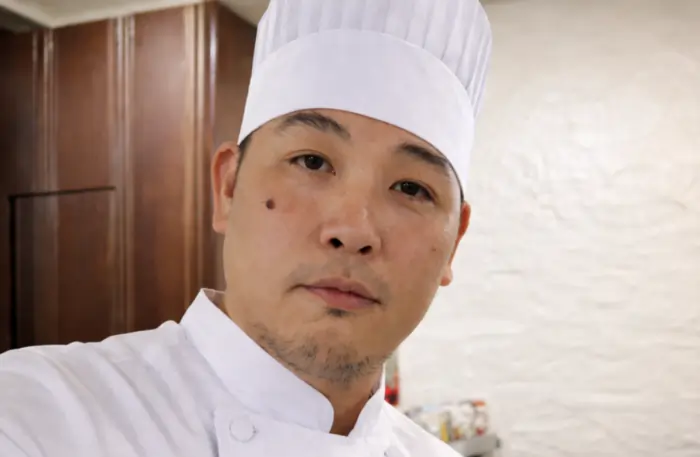
Chef Juan Gadi brings the heart of Filipino hospitality to Ubud, Bali. As an Executive Chef and consultant, he specializes in creating intimate, curated dining experiences that tell a story through every dish. Whether leading the kitchen at Kilig Filipino Warung or hosting a private villa dinner, Chef Juan’s approach is defined by warmth, modern technique, and a commitment to culinary excellence.