Flavor Pairings That Make Filipino Cuisine Unique Key Takeaways
Flavor Pairings That Make Filipino Cuisine Unique turn simple ingredients into stories on a plate.
- Flavor Pairings That Make Filipino Cuisine Unique are the secret behind why adobo, sinigang, and kinilaw taste completely different yet unmistakably Filipino.
- Seven classic combinations—including sweet and savory , sour and savory , and spicy and creamy —define the heart of traditional Filipino food .
- Understanding these pairings is the fastest way for any traveler or home cook to unlock authentic Filipino cuisine and the warmth of Filipino hospitality .
What Makes Flavor Pairings That Make Filipino Cuisine Unique?
Filipino cooking is often described as the original fusion cuisine. Centuries of trade, colonization, and island life wove together Malay, Chinese, Spanish, and American influences into something wholly its own. But what truly sets Filipino cuisine apart is its fearless approach to flavor balance—a single plate can carry salty, sour, sweet, and spicy notes without ever feeling chaotic. This balance is not just technique; it’s part of Filipino food culture and the everyday rhythm of family-style dining.
As Chef Juan Gadi, I’ve cooked these flavors from Manila markets to my kitchen at Kilig Filipino Warung in Ubud, Bali. The best Filipino flavor pairings don’t shout; they harmonize. When you taste sinigang for the first time, you’ll notice how the sourness of tamarind lifts the richness of pork, and how a drizzle of soy sauce with a squeeze of calamansi can brighten an entire grilled fish. That’s the quiet genius of our cuisine.
7 Flavor Pairings That Make Filipino Cuisine Unique
These seven iconic combinations illustrate why Filipino gastronomy deserves a place at every food lover’s table. Each pairing draws on Filipino ingredients and regional specialties that have been passed down through traditional recipes.
1. Sweet and Savory: The Morning Ritual of Tocino and Sinangag
Sweet and savory is the heartbeat of a Filipino breakfast. Caramelized cured pork (tocino) paired with garlic-fried rice (sinangag) and a sunny-side-up egg (silog) creates a plate where sugar, salt, and fat collide deliciously. The sweetness comes from the marinade—often brown sugar, pineapple juice, and soy sauce—while the fried rice introduces the garlic’s savory punch. This pairing captures how Filipino cuisine transforms simple pantry staples into a deeply comforting meal that fuels a day of island exploring.
2. Sour and Savory: Sinigang’s Tamarind Brightness
Sour and savory might be the most defining character of Philippine cuisine. In sinigang, the sour agent—often tamarind, green mango, or kamias—creates a clear, broth-based stew that wakes up the palate. The savory depth comes from pork belly, shrimp, or fish, while vegetables like kangkong and radish add texture. A dash of fish sauce on the side intensifies the umami. This balance is what makes traditional Filipino food so craveable: the sourness never overwhelms; it invites you spoon after spoon.
3. Spicy and Creamy: Bicol Express and the Dance of Coconut Milk with Chili
Down in the Bicol region, spicy and creamy is more than a pairing—it’s a way of life. Bicol Express simmers pork in coconut milk with plenty of chili peppers and ginger. The fat from the coconut milk mellows the spice’s sharpness, creating a lush, fiery sauce that clings to every morsel of meat. This dish exemplifies how Filipino cooking techniques use richness to tame heat, yielding comfort with a kick.
4. Salty and Sweet: Champorado with Tuyo – A Bold Surprise
On paper, chocolate rice porridge and dried salted fish sounds like a dare. But salty and sweet reaches its peak expression in champorado paired with tuyo. The thick, bittersweet cocoa rice is drizzled with evaporated milk or condensed milk, then you dip a piece of crispy, salty dried fish into the bowl. The contrast is electrifying—sweetness from the chocolate, umami and salt from the fish—and it explains why Filipino flavor combinations dare to embrace extremes. This is one of those pairings first-timers never forget.
5. Soy Sauce and Vinegar: The Soul of Adobo
Ask any Filipino what adobo means, and they’ll talk about the marriage of soy sauce and vinegar. This duo forms the braising liquid that transforms chicken or pork into glossy, fall-apart tender pieces. The vinegar—often cane vinegar or coconut vinegar—cuts through the fat, while soy sauce provides salt and color. Garlic, black pepper, and bay leaves add layers. This pairing is so fundamental that adobo is considered the unofficial national dish, and its balance of sour, salty, and savory exemplifies how Filipino culinary heritage builds complexity with just a handful of ingredients.
6. Calamansi and Fresh Seafood: Kinilaw’s Vibrant Cleanliness
Kinilaw is the Filipino answer to ceviche, and here the star is calamansi—a tiny citrus that delivers a sharp, fragrant acidity. Fresh raw fish is “cooked” in calamansi juice or a vinegar blend, then mixed with ginger, chili, onions, and coconut cream (gata). The result is bright, clean, and refreshing, highlighting how island cuisine respects pristine seafood. This pairing of citrus and oceanic sweetness shows why Filipino flavor pairings often rely on what’s immediately available—truly local cuisine at its purest.
7. Bagoong and Peanutty Kare-Kare: Umami Depth
Kare-kare is a luxurious oxtail and vegetable stew thickened with ground peanuts and toasted rice, but it’s incomplete without bagoong (fermented shrimp paste) on the side. That salty, pungent paste transforms the mild, creamy sauce into a powerhouse of flavor. It’s not just a condiment; it’s the co-star. This pairing of savory peanut richness with intense fermented saltiness delivers an umami bomb that reflects the Filipino gastronomy talent for making bold accompaniments feel essential.
How Regional Diversity Shapes Filipino Flavor Pairings
The Philippines is an archipelago of over 7,000 islands, and regional Filipino dishes tell stories of geography and history. In Bicol, coconut milk and chili peppers dominate because the region’s abundant coconuts and love of spicy and creamy food created dishes like laing. In the Visayas, fresh seafood meets vinegar and calamansi in kinilaw variations, while the Ilocos region favors bitter notes with bagoong and vegetables. This diversity is the reason Filipino flavor pairings can vary so dramatically from one province to the next, yet all fall under the same umbrella of Philippine cuisine. When you plan food travel Philippines, you’re really tasting the map itself. For a related guide, see How Spice Sourness and Sweetness Work Together in Filipino Cooking.
What First-Time Visitors Should Try: A Flavor Pairings Guide
For a first-timer, the sheer variety of Filipino specialties can be intimidating. My advice mirrors what I share with guests at my private villa dinners in Bali: start with a flight of textures and contrasts. Order a bowl of sour sinigang, a piece of adobo, and a side of steamed rice. Then try a spoonful of champorado with a bite of salty tuyo. Taste the salty and sweet dance, then the sharpness of vinegar and soy sauce. This simple progression introduces you to the core of Filipino dining and the joy of Filipino flavor combinations. Don’t forget to enjoy it family-style dining; shared platters are how Filipino hospitality truly shines. For a related guide, see Filipino Cuisine Winning Hearts of Bali Travelers: 7 Dishes You Must Try.
Chef Juan Gadi’s Personal Take on Filipino Hospitality and Flavor
As an Executive Chef who has built a career around intimate, curated experiences, I believe that flavor pairings are only half the story. The other half is the people you share them with. Filipino hospitality means that food is never just fuel—it’s a conversation. At Kilig Filipino Warung, I design menus that walk diners through these seven pairings, explaining how a dash of calamansi can lift a grilled meat, or why coconut milk soothes the heat of chili peppers. This storytelling approach brings Filipino culinary heritage to life, whether you’re in Ubud or Manila. Because ultimately, what makes Filipino flavor pairings unique isn’t just the ingredients—it’s the warmth that comes with every plate.
Useful Resources
To deepen your journey into Filipino cooking, explore these trusted sources that celebrate Filipino food culture and ingredients.
- Philippines Travel – Food and Drink – Official tourism guide to local dishes and food travel.
- Lonely Planet’s Guide to Filipino Food – A comprehensive introduction to flavors and must-try meals.
Frequently Asked Questions About Flavor Pairings That Make Filipino Cuisine Unique
What flavor pairings make Filipino cuisine unique?
Filipino cuisine stands out through combinations like sweet and savory, sour and savory, spicy and creamy, and salty and sweet. These contrasts define dishes such as adobo, sinigang, and champorado, making every meal a layered experience. For a related guide, see A Guide to Choosing Filipino Dishes Based on Your Taste Preferences.
Why is Filipino food known for balancing contrasting flavors?
The balance comes from historical influences and tropical abundance. Vinegar, soy sauce, coconut milk, and citrus are used not to dominate but to complement, creating harmony even in bold combinations.
How do sweet, sour, salty, spicy, and savory ingredients complement one another?
They work by triggering different taste receptors simultaneously. Sweetness rounds off acidity, salt enhances umami, and spice is tempered by creamy coconut milk, resulting in a full-bodied, satisfying dish.
Which traditional Filipino dishes showcase iconic flavor combinations?
Adobo (soy sauce and vinegar), sinigang (sour and savory), Bicol Express (spicy and creamy), kinilaw (calamansi and seafood), and kare-kare with bagoong are prime examples.
How do vinegar, coconut milk, calamansi, and bagoong shape Filipino cooking?
These four pillars provide acidity, richness, citrusy brightness, and umami saltiness, respectively. They act as foundations that nearly every regional dish builds upon.
Why do regional cuisines across the Philippines use different flavor profiles?
Geography and available ingredients drive the differences. Coastal areas rely on fresh seafood and vinegars; mountainous regions use more coconut and chilies; each zone creates distinct regional specialties.
What flavor pairings should first-time visitors try?
Begin with adobo (soy-vinegar), sinigang (sour broth), champorado with tuyo (salty-sweet), and finish with halo-halo (mixed textures). This progression covers the essential contrasts.
How do Filipino cooks create balance without overwhelming the palate?
By layering flavors gradually and always serving with rice—a neutral canvas that absorbs sauces and tempers intensity. Condiments like calamansi and patis are added at the table for personal adjustment.
What ingredients define the signature taste of Filipino cuisine?
Soy sauce, vinegar, calamansi, coconut milk, bagoong, garlic, ginger, and tropical fruits are the backbone. They create the recognizable tang, richness, and umami of Filipino specialties.
How do these seven classic flavor pairings reflect the history of the Philippines?
They trace a timeline: soy sauce and vinegar from Chinese traders, coconut milk and chili from Malay roots, bagoong from pre-colonial preservation, and Spanish techniques seen in sofrito-like starters—all woven into Filipino culinary heritage.
Is adobo always made with soy sauce and vinegar?
While the classic combination is ubiquitous, regional adobo variants use only vinegar and salt (adobong puti) or coconut milk (adobo sa gata), proving the core pairing is adaptable.
What is the difference between sinigang and other sour soups?
Sinigang’s signature sourness comes from tamarind, but it can also use guava, kamias, or calamansi. Unlike hot-and-sour soups, its broth is lighter, highlighting fresh vegetables and protein.
Can you explain how bagoong enhances kare-kare?
Bagoong adds a salty, umami punch that cuts through the rich, nutty sauce of kare-kare. Without it, the stew would taste flat; with it, the dish becomes a balanced, moreish experience.
What are some common Filipino breakfast pairings?
Typical sweet and savory morning plates include tocino or longganisa with garlic rice and egg, and the daring duo of champorado with dried fish (tuyo). These reflect the comfort-food side of Filipino food culture.
How important is rice in Filipino flavor balance?
Rice is the centerpiece that ties contrasting flavors together. Its neutrality allows bold sauces and salty condiments to shine without overwhelming, making every meal a complete harmony.
What role do tropical fruits play in Filipino cuisine?
Tropical fruits like mango, papaya, and pineapple appear in savory dishes (as souring agents or marinades) and desserts, adding natural sweetness or tartness that balances richness.
Is Filipino food always spicy?
No. While Bicolano cuisine celebrates spicy and creamy heat, most Filipino dishes are mild with chili served on the side. This allows each diner to customize the spice level to their preference.
How does kinilaw differ from other ceviches?
Kinilaw uses calamansi or vinegar with coconut cream and ginger, giving it a distinctly floral, creamy sharpness that contrasts with Latin American citrus-based ceviches.
What can I expect from a traditional family-style Filipino meal?
Dishes are placed in the center for sharing, often accompanied by steaming rice. This communal setup embodies Filipino hospitality and encourages trying multiple Filipino flavor combinations in one sitting.
Where can I learn more about cooking authentic Filipino food?
Consider attending cooking classes in the Philippines or abroad, such as those I host in Bali, or explore reputable Filipino recipes online that emphasize proper techniques and ingredient sourcing.
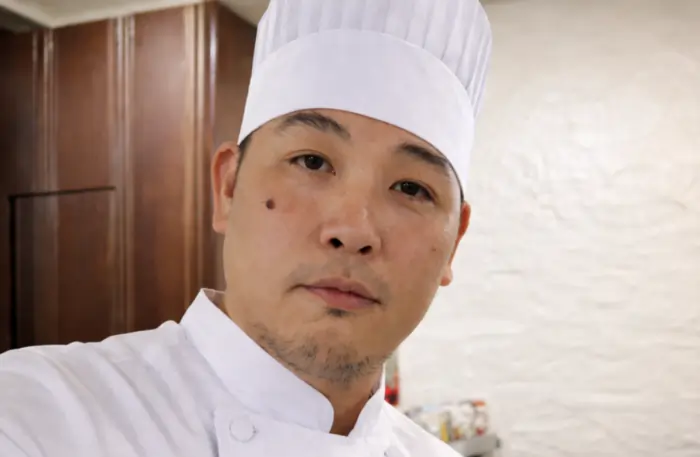
Chef Juan Gadi brings the heart of Filipino hospitality to Ubud, Bali. As an Executive Chef and consultant, he specializes in creating intimate, curated dining experiences that tell a story through every dish. Whether leading the kitchen at Kilig Filipino Warung or hosting a private villa dinner, Chef Juan’s approach is defined by warmth, modern technique, and a commitment to culinary excellence.