
Filipino Dining Habits Every Traveler Should Know Key Takeaways
Filipino Dining Habits Every Traveler Should Know unlock the soul of the Philippines—a place where food is love, and every meal is a celebration of community.
- Filipino dining habits every traveler should know revolve around family-style dining and shared meals , bringing people together around a communal spread.
- Simple gestures like using a serving spoon , never wasting rice , and embracing kamayan show respect and earn you a place at any table.
- From merienda to grand fiesta traditions , these habits reveal the depth of Filipino hospitality and the rich tapestry of Filipino food culture .
Why Filipino Dining Habits Every Traveler Should Know Transform Your Journey
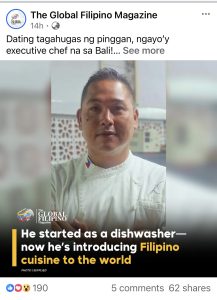
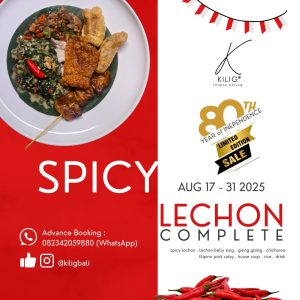
I remember a balmy evening in Ubud, Bali, when I hosted a private dinner for a couple traveling through Southeast Asia. As the executive chef at Kilig Filipino Warung, I laid out a spread of adobo, sinigang, and fragrant garlic rice. The woman looked at the communal tables with no individual plates and whispered to her partner, “Is this all for us?” I smiled and said, “Kain na! Let’s eat together.” That moment of shared surprise is what Filipino dining habits every traveler should know are all about—breaking barriers, one spoonful at a time. For a related guide, see Why Filipino Food Reflects Centuries of Asian and Western Influences.
Filipino dining customs aren’t just rules; they’re a language of generosity. When you travel to the Philippines or dine at a Filipino home, you’re stepping into a world where food is a bridge. The Filipino dining culture is rooted in centuries of island culture, Spanish influences, and an innate sense of Filipino hospitality that turns strangers into family. Whether you’re a culinary traveler seeking authentic Filipino cuisine or a first-time visitor unsure about table etiquette, these 12 habits will arm you with the knowledge to eat like a local and leave with a heart full of memories. For a related guide, see Filipino Food Traditions: 7 Essential Customs Every Traveler Must Know.
The 12 Filipino Dining Habits Every Traveler Should Know
Through my years as a chef consultant and storyteller, I’ve curated these insights so you can navigate a Filipino feast with confidence. Each habit is a piece of the larger Filipino culinary heritage, blending traditional recipes, local ingredients, and an unspoken code of togetherness.
1. Always Expect Family-Style Dining and Shared Meals
In the Philippines, food arrives at the center of the table, and everyone digs in from the same platters. Family-style dining is the heartbeat of Filipino family meals. Portions are generous, and the goal is to taste a bit of everything—pancit noodles, lumpia spring rolls, and that tangy sinigang. Travelers often ask, why do Filipinos prefer family-style dining? The answer lies in the concept of “salu-salo” (feast together), where the act of sharing food symbolizes unity. Don’t hoard a dish; pass it around and savor the communal spirit.
2. Rice is More Than a Staple—It’s a Ritual
Walk into any Filipino kitchen and you’ll smell steaming rice at dawn. Filipinos serve rice with virtually every meal, from breakfast silog to midnight snacks. Why is rice served with almost every meal? It’s the canvas that balances the bold, often vinegary or savory flavors of adobo and local cuisine. Leaving even a single grain on your plate can be seen as wasteful, so take only what you can finish. I always tell my guests, “Respect the rice—it’s a farmer’s labor and a nation’s soul.”
3. The Sacred Serving Spoon: Never Double-Dip
At every Filipino dining table, you’ll find a serving spoon nestled in each communal dish. This utensil is the quiet guardian of hygiene. Always use it to transfer food to your personal plate, never your own fork or spoon. This is a cornerstone of Filipino table manners and shows you understand basic dining etiquette. I’ve watched new visitors instinctively reach with their own cutlery, and a gentle reminder later, they fit right in. It’s a small gesture that speaks volumes about your respect for Filipino dining culture.
4. Kamayan: Eating with Your Hands Like a Local
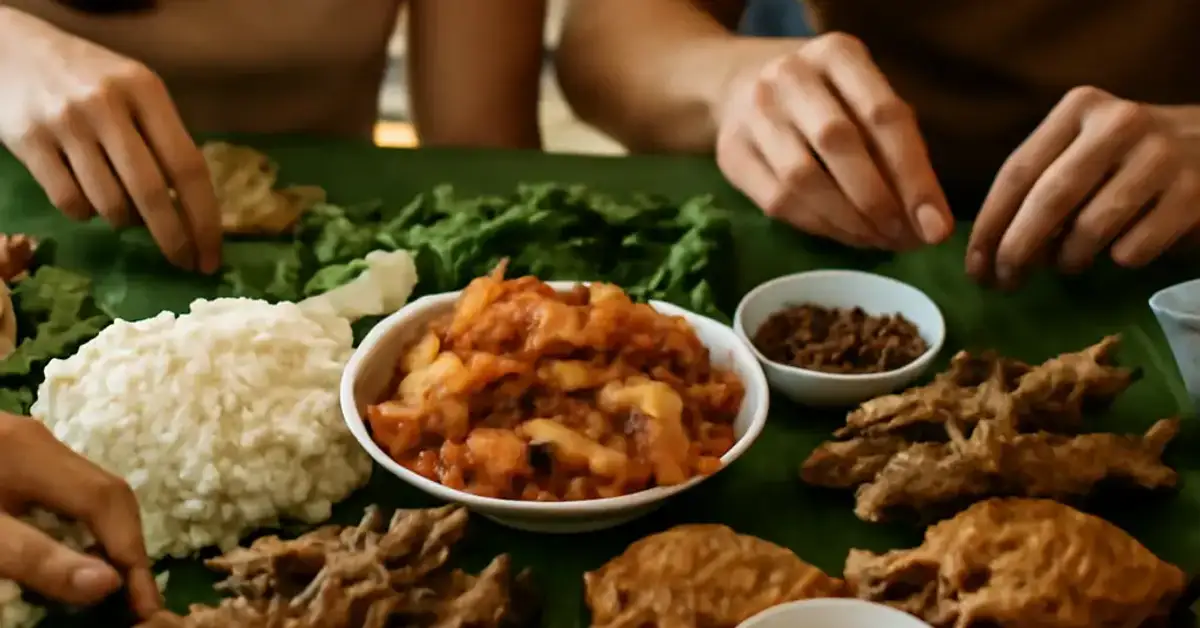
What is kamayan and when is it practiced? Kamayan (from the root word “kamay,” meaning hand) is the traditional art of eating with your hands, typically during a “boodle fight”—a massive spread of food on banana leaves. You’ll see kamayan at rustic beach gatherings, fiesta traditions, and even modern pop-up dinners. Scoop the rice and viand with your fingertips, using your thumb to push the morsel into your mouth. It’s messy, joyful, and deeply sensory. As a chef, I encourage travelers to try this at least once; it strips away formality and connects you to the raw, authentic Filipino cuisine of the ancestors.
5. “Kain Na!”—The Irresistible Call of Filipino Hospitality
The moment you step into a Filipino home, you’ll hear the phrase “Kain na!” (Let’s eat!). Filipino hospitality is legendary, and how do Filipinos show hospitality during shared meals is by insisting you eat, often piling more food onto your plate even as you protest. Accepting second helpings is a compliment to the host. Filipino dining etiquette dictates that you should at least taste every dish offered. When I host celebration meals, I watch for that shy guest—the moment they laugh and accept another slice of lechon, the table transforms into family.
6. Merienda: The Afternoon Pause That Nourishes the Soul
Between lunch and dinner, merienda rolls out a parade of sweet and savory treats. This cherished snack break features kakanin (sticky rice cakes like bibingka and puto), halo-halo (a shaved ice dessert with tropical fruits and beans), and savory bites like lumpia. Merienda isn’t just about food; it’s a social ritual that revives energy and conversation. For travelers, embracing merienda means you align with the daily rhythm of Filipino food culture and avoid getting hangry between meals.
7. Fiesta and Celebration Meals: Where Dishes Become Legends
Every town has its patron saint and a corresponding fiesta where tables groan under the weight of traditional Filipino dining specialties. This is when whole roasted lechon takes center stage, adobo simmers in giant pots, pancit symbolizes long life, and lumpia vanishes faster than you can blink. How do dining customs differ between everyday meals and festive celebrations? Ordinary meals are intimate and often simple, but a Filipino feast overflows with dozens of dishes, and the host’s pride hinges on every guest leaving stuffed. If you’re lucky enough to attend a fiesta, arrive hungry and ready to celebrate Filipino gastronomy at its finest.
8. Communal Tables Forge Unforgettable Connections
Filipinos rarely dine alone. Communal tables are the stage for storytelling, laughter, and loud debates. Whether in a bustling carinderia or a home-cooked meal spread on a simple wooden table, the seating arrangement encourages you to rub elbows with strangers-turned-friends. I’ve seen solo travelers join a family lunch in Palawan and leave with invitations to three more dinners. Sitting at a communal table is your gateway to food travel Philippines experiences that guidebooks can’t capture.
9. Respecting Elders and the Invisible Code of Filipino Table Etiquette
Good table etiquette in the Philippines often goes unspoken but is deeply felt. Wait for the eldest person to start eating before you begin. Use a spoon and fork together—spoon in the right hand for scooping, fork in the left to push food onto the spoon. Never point your chopsticks or utensils at anyone. These subtle dining customs reflect Filipino culture’s reverence for hierarchy and harmony. Even in casual settings, I notice travelers who observe these small cues are welcomed with warmer smiles.
10. Local Ingredients and Tropical Fruits Star in Every Meal
The Philippines’ volcanic soil and 7,000-plus islands yield a bounty of local ingredients that define Filipino specialties. Expect tropical fruits like sweet mangoes, pomelo, and lanzones to appear as dessert or palate cleansers. Halo-halo, the beloved icy confection, is a mosaic of local land and sea—jackfruit, coconut strings, ube halaya, and leche flan. For a chef like me, cooking with these gifts from the island culture is what makes Filipino gastronomy so exciting and ever-evolving.
11. Regional Specialties Tell the Story of the Archipelago
Don’t assume Filipino food culture is monolithic. Regional specialties vary drastically: Bicol’s fiery Bicol Express with coconut cream, Ilocos’ savory empanada, Cebu’s crispy lechon, and Bacolod’s chicken inasal. Each dish narrates the geography and history of its people. As a traveler, seeking out these traditional recipes is like collecting edible postcards. I always urge my culinary guests to skip the hotel buffet and find the local carinderia where the local cuisine sings with authenticity.
12. The Unwritten Rule: Never Waste Food, Especially Rice
In a culture where many grandparents survived war and poverty, finishing every grain on your plate is a moral act. Home-cooked meals are treasured, and leaving food behind signals you didn’t enjoy the effort. Take modest portions and go back for seconds if you’re still hungry. This one dining custom will endear you to every Filipino host. As I often say at my own table, “An empty plate is a happy plate—and the best thank-you you can offer.”
Common Missteps Visitors Make at a Filipino Table
Even the most seasoned globetrotters stumble. What mistakes should travelers avoid when dining with Filipino families? First, never refuse food outright—it can be interpreted as rejection of the host’s kindness. Instead, take a tiny portion and compliment it. Second, don’t stick chopsticks vertically in your rice; this resembles funeral incense. Third, avoid blowing your nose at the table, as it’s considered rude. I once witnessed a well-meaning backpacker pour soy sauce all over his adobo before tasting it; the cook’s face fell. Always taste first, then adjust. Small adjustments in table etiquette prevent big cultural faux pas.
How Understanding These 12 Filipino Dining Habits Enriches Your Travel
How can understanding these twelve Filipino dining habits help visitors enjoy authentic Filipino hospitality, respect local traditions, and create a more memorable dining experience? Because every gesture you learn becomes a key. When you use the serving spoon, you show you care about cleanliness. When you eat kamayan, you honor centuries of Filipino culinary heritage. When you call out “Masarap!” (delicious) with a full mouth, you give the greatest compliment. These habits aren’t just about eating; they’re about belonging. They transform a food travel Philippines itinerary into a collection of heartwarming human moments. I’ve built my career as Chef Juan Gadi around this very belief—that every dish tells a story, and every shared meal becomes a memory. So pack your appetite and leave judgment at the door; the Philippines will feed your soul as much as your stomach.
Useful Resources
Expand your understanding of Filipino dining culture with these insightful articles.
- The Surprising History of Filipino Food – BBC Travel unpacks colonial influences and the evolution of Filipino gastronomy.
- The Hidden Depths of Filipino Food – Eater explores how regional specialties and heritage define the cuisine today.
Frequently Asked Questions About Filipino Dining Habits Every Traveler Should Know
What are the most important Filipino dining habits travelers should know?
Travelers should embrace family-style dining, always use a serving spoon, never waste rice, and accept offers of food as a sign of Filipino hospitality. Understanding kamayan and the communal nature of meals is essential for an authentic experience.
What is the proper dining etiquette in the Philippines?
Proper Filipino dining etiquette includes waiting for elders to start, using a spoon and fork together, avoiding pointing utensils, and saying “kain na” to invite others. Always taste dishes and compliment the host to show appreciation.
Why do Filipinos prefer family-style dining ?
Family-style dining reflects the Filipino value of “salu-salo” or communal feasting. It fosters equality, sharing, and a sense of belonging, making every meal an opportunity to strengthen bonds over shared meals.
What is kamayan and when is it practiced?
Kamayan is the traditional practice of eating with hands, often seen during boodle fights, beach picnics, and festive gatherings. It’s practiced to create a tactile, informal connection with the food and is a highlight of Filipino food culture.
Why is rice served with almost every meal?
Rice is a staple that balances the bold flavors of Filipino dishes and symbolizes sustenance and prosperity. Serving rice at every meal, from breakfast to dinner, is a deeply ingrained dining custom and a nod to the country’s agricultural roots.
How do Filipinos show hospitality during shared meals?
Filipino hospitality shines through insistent offers of food, the phrase “Kain na!”, and piling extra portions on guests’ plates. Hosts will often prepare more food than can be eaten to ensure no one leaves hungry, a true hallmark of Filipino family meals.
What table manners should first-time visitors follow?
First-timers should use a serving spoon for communal dishes, avoid leaving rice on the plate, wait for elders to start eating, and hold the spoon in the right hand. Simple table etiquette like these demonstrates respect and openness to Filipino customs.
How do dining customs differ between everyday meals and festive celebrations?
Everyday meals are often simpler and focused on a few home-cooked meals, while festive celebrations like fiesta traditions burst with dozens of dishes, whole lechon, and lively communal dining. Portions are larger, and refusing food can be considered rude during festivals.
What mistakes should travelers avoid when dining with Filipino families?
Avoid refusing food outright, sticking chopsticks upright in rice, blowing your nose at the table, or seasoning a dish before tasting it. These missteps can offend Filipino dining etiquette and hurt the host’s feelings.
How can understanding these twelve Filipino dining habits help visitors enjoy authentic Filipino hospitality ?
By learning these habits, visitors signal genuine interest in Filipino culinary heritage. This opens doors to deeper connections, invites more generous hospitality, and turns a meal into a cherished memory of authentic Filipino cuisine and warmth.
Do Filipinos use chopsticks or spoon and fork?
The standard cutlery for Filipino dining is a spoon and fork, with the spoon used to scoop food and the fork to push and cut. Chopsticks appear mainly in Chinese-influenced dishes like pancit, but the spoon-and-fork combo is the everyday table etiquette.
Is it rude to talk while eating in Filipino dining culture?
Talking while eating is perfectly normal and even encouraged, as Filipino food culture thrives on conversation and laughter. Meals are long, social affairs where storytelling flows as freely as the rice.
What are some famous Filipino dishes I should try first?
Start with adobo (soy-vinegar braised meat), sinigang (sour soup), lechon (roasted pig), pancit noodles, and lumpia spring rolls. These Filipino specialties give a broad taste of the country’s bold and comforting flavors.
What is merienda and why is it important?
Merienda is a mid-morning or afternoon snack break that includes kakanin, halo-halo, and savory treats. It’s a key part of Filipino dining culture that provides energy and a reason to pause and socialize between main meals.
Are there vegetarian or vegan options in traditional Filipino dining?
While traditional Filipino dining leans heavily on meat and seafood, vegetable dishes like pinakbet (mixed vegetables with shrimp paste) and laing (taro leaves in coconut milk) exist. However, traveling vegans should communicate preferences clearly, as local cuisine often uses fish sauce or meat broth.
Why do Filipinos eat so many sweet dishes during merienda?
Sugary kakanin and halo-halo provide a quick energy boost during the long gap between meals and satisfy the Filipino sweet tooth. These traditional recipes also showcase the abundance of tropical fruits and coconut sugar native to the islands.
What should I bring when invited to a Filipino home for a meal?
A small gift like dessert, fruit, or a bottle of something to drink is appreciated. Even better, offer to help set the table. Such gestures align with Filipino family meals and signal that you value the invitation.
What does “Kain na” mean?
“Kain na” translates to “Let’s eat!” and is an essential expression of Filipino hospitality. It’s a warm invitation to join the meal and is often repeated until everyone is seated with a plate full of home-cooked meals.
Is there a dress code for Filipino dining?
For traditional Filipino dining in casual eateries or homes, smart casual attire is fine. Upscale restaurants demand business casual, but at a kamayan feast or beachside gathering, comfort rules. Just dress respectfully for the setting.
How can I politely refuse seconds without offending my host?
Smile warmly, place a hand over your stomach, and say “Salamat, busog na ako” (Thank you, I’m full). Compliment the dish enthusiastically. This satisfies Filipino dining etiquette because the host knows you enjoyed it but simply can’t eat more.
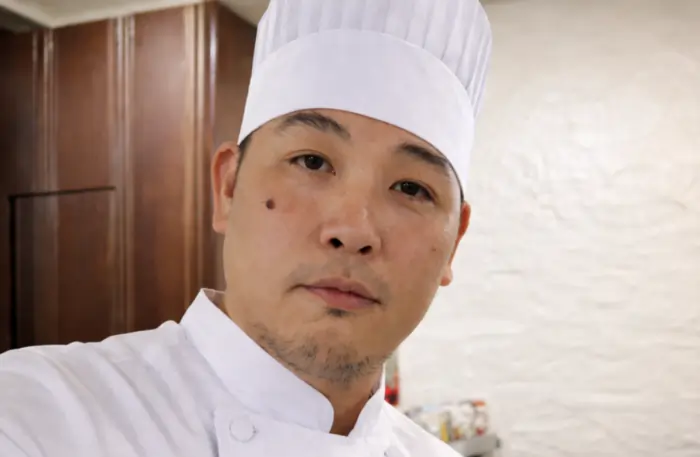
Chef Juan Gadi brings the heart of Filipino hospitality to Ubud, Bali. As an Executive Chef and consultant, he specializes in creating intimate, curated dining experiences that tell a story through every dish. Whether leading the kitchen at Kilig Filipino Warung or hosting a private villa dinner, Chef Juan’s approach is defined by warmth, modern technique, and a commitment to culinary excellence.