Everyday Filipino Foods That Rarely Appear on Tourist Menus Key Takeaways
Beyond the sizzling sisig and golden lumpia lies a world of everyday Filipino foods that rarely appear on tourist menus.
- Everyday Filipino foods that rarely appear on tourist menus are rooted in regional agriculture, frugality, and family-style dining.
- Home-cooked meals like ginisang munggo and tinola highlight local markets , tropical ingredients , and traditional recipes .
- Travelers who seek authentic Filipino cuisine must explore vegetable-forward stews, sour broths, and garlicky rice beyond restaurant specialities.
Why Everyday Filipino Foods Rarely Reach Tourist Menus
Walking through the streets of local markets in Pampanga or a weekend palengke in Cebu reveals the true heartbeat of Filipino food culture. Stalls piled high with ampalaya, kalabasa, malunggay leaves, and fresh calamansi tell a story that most resort buffets cannot. The menu gap is not a secret—it’s a matter of logistics, perception, and the ceremonial nature of Filipino hospitality. When guests arrive, the impulse is to offer a lechon, not a modest bowl of lugaw.
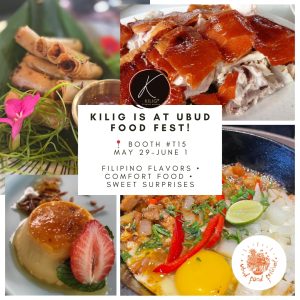
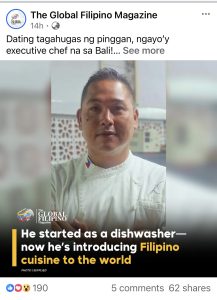
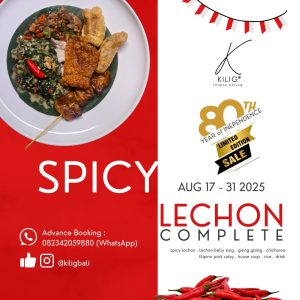
Restaurant chefs and hotel F and B teams often filter out home-cooked meals because they are considered too ordinary. Soft, long-simmered vegetables, humble mung bean stew, and thrifty paksiw don’t photograph as extravagantly as a sizzling plate. Yet these dishes demand more technique and respect for ingredients than many showy counterparts. As an executive chef now running Kilig Filipino Warung in Bali, I’ve seen international guests fall in love with ginisang ampalaya and tortang talong once they stop chasing the clichés and start eating like a local.
10 Everyday Filipino Foods That Rarely Appear on Tourist Menus
These ten plates sit on family tables daily. They define Filipino comfort food and authentic Filipino cuisine, yet remain almost invisible to visitors. Each one carries a story of geography, economy, and Filipino culinary heritage.
1. Ginisang Munggo – The Friday Favorite
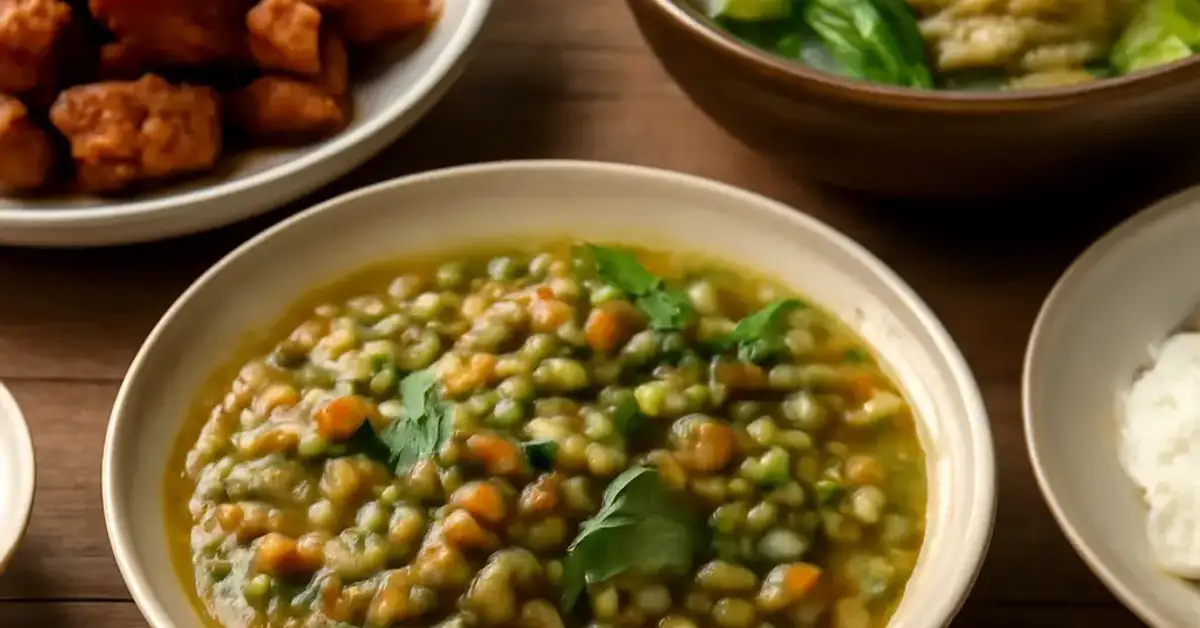
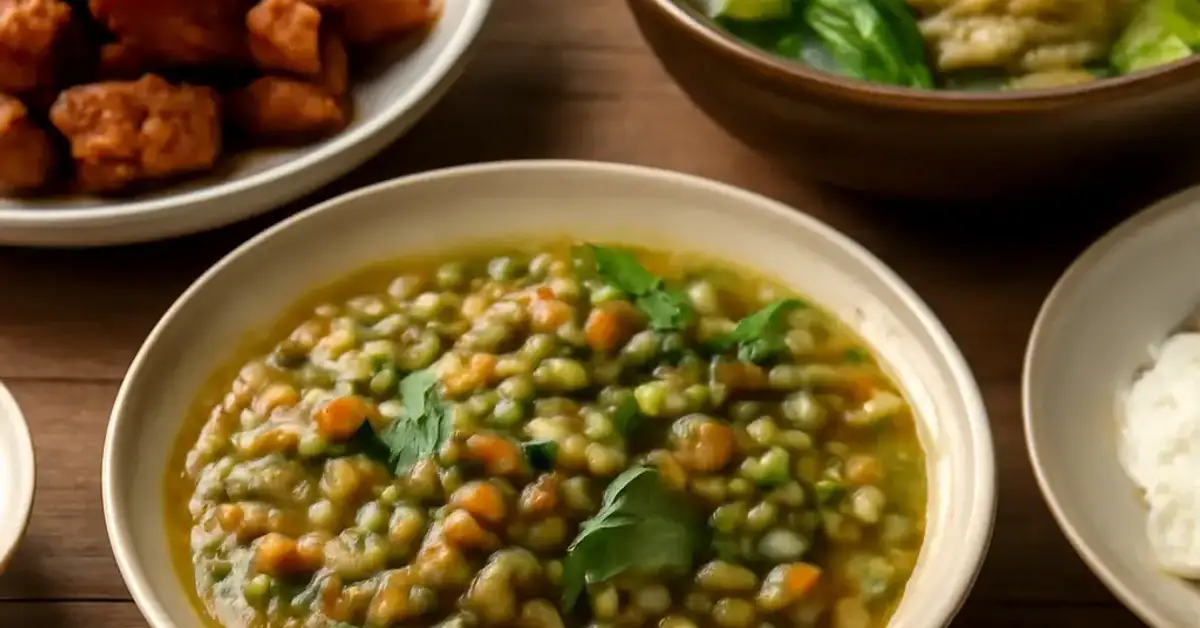
In many Filipino Catholic homes, ginisang munggo is as constant as Friday itself. Whole mung beans are slowly simmered until creamy, then sautéed with garlic, onions, tomatoes, and often ampalaya leaves or malunggay. A splash of fish sauce and a few slivers of crispy pork or tinapa transform it into a meal that defines local Filipino meals. The dish traces its roots to frugal monastic cooking and Indian influences, yet today it is the ultimate Filipino home cooking staple. I always tell my Bali guests that if they understand ginisang munggo, they understand the Filipino soul—resourceful, hearty, and quietly complex.
2. Tortang Talong – The Eggplant Omelette Nobody Writes About
Charring an entire eggplant over an open flame until the skin blisters, then peeling it by hand to reveal a smoky, flattened pulp—this is the beginning of tortang talong. The fruit is dipped in beaten egg and pan-fried until golden. It may sound pedestrian, but the silky-sweet flesh against a barely set egg is one of the purest expressions of vegetable dishes in the archipelago. Paired with garlic rice and a side of vinegar dipping sauce spiked with calamansi, it’s a breakfast that rarely leaves the home kitchen.
3. Dinengdeng – The Ilocano Bounty in a Pot
Northern Luzon’s regional Filipino dishes don’t advertise themselves. Dinengdeng is a vegetable soup or stew built around bagoong (fermented fish paste) instead of salt. It can feature an array of tropical ingredients: jute leaves, okra, squash blossoms, and grilled fish or crispy bagnet. Unlike the more famous pinakbet, dinengdeng is lighter, brothy, and deeply tied to local Filipino meals along Ilocos’ coastline. Visitors who venture to Vigan or Laoag will find it in family kitchens, not in glossy food guides.
4. Pinakbet – The Mixed Vegetable Icon
While pinakbet occasionally appears on tourist-friendly menus as a token vegetable option, its true home-style version rarely does. The authentic Ilocano preparation uses a generous spoonful of bagoong to season a mix of bitter gourd, eggplant, okra, string beans, and squash. The vegetables are slow-cooked until they surrender their shape, creating a dense, savory stew. In my own kitchen in Ubud, I serve an heirloom pinakbet that honors the original recipe—no onions, ginger, or tomatoes—just the trio of bagoong, water, and peak-ripe vegetables. This is everyday cooking at its most honest.
5. Ginataang Gulay – Vegetables Simmered in Coconut Cream
The Bicol region gave the world dishes like laing and Bicol express, but the simple ginataang gulay—any vegetable cooked in coconut milk—rarely makes it to the dinner show. It can be kalabasa with sitaw and malunggay, or a melange of gabi, langka, and chili leaves swimming in rich coconut cream. This dish demonstrates how island cuisine leans on coconuts as the backbone of Filipino gastronomy. For visitors chasing authentic Filipino cuisine outside of luxury hotels, finding ginataang gulay in a local eatery or private kitchen unlocks a layer of flavor that adobo never will. For a related guide, see Why Fresh Herbs Matter in Filipino Cooking.
6. Tinola – The Original Comfort Broth
Before halo-halo or chicken inasal, there was tinola. A clear chicken soup with green papaya, ginger, and chili leaves, it’s a Filipino comfort food so subtle that many chefs leave it off the list entirely. But tinola is a litmus test of a cook’s skill—the broth must be pristine yet carry the heat of ginger and the whisper of fish sauce. I grew up watching my grandmother judge a household by its tinola. In Bali, I serve it as a starter to reset the palate, introducing food travel Philippines devotees to the elegance of everyday Filipino foods they never knew existed.
7. Paksiw – Vinegar-Braised Everyday Magic
Paksiw is not a single recipe but a technique: cooking protein or vegetables in vinegar, ginger, garlic, and sometimes coconut milk. Paksiw na isda is the most common, turning leftover fish into a tangy, spoon-tender centerpiece. The vinegar acts as both flavor and preservative, making it a quintessential Filipino home cooking method in a tropical climate. My favorite version is paksiw na lechon—leftover roasted pig stewed in vinegar dipping sauce, liver spread, and brown sugar. You’ll almost never see either on a tourist menu, but you’ll remember them forever.
8. Ginisang Ampalaya – Bitter Gourd, Beautifully Tamed
Many international guests recoil at the mention of bitter melon. But ginisang ampalaya, when prepared with care, can convert even the most adamant skeptic. The secret is soaking sliced ampalaya in salted water, then sautéing it with garlic, onions, tomatoes, and scrambled eggs. A touch of oyster sauce or a squeeze of calamansi balances the bitterness. This dish is a regular at Filipino family meals and a testament to how Filipino specialties can turn challenging ingredients into daily nourishment.
9. Lugaw and Arroz Caldo – Rice Porridges of the People
Rice isn’t always fried garlic rice or plain steamed. Lugaw, the unsung hero of Filipino dining, is a thick, savory rice porridge often topped with egg, spring onions, and a drizzle of calamansi. Its richer cousin, arroz caldo, is infused with ginger and saffron, studded with chicken and hard-boiled egg. Both are comfort meals served during rainy afternoons, illness, or late-night cravings. While Bangkok’s khao tom gets global attention, lugaw and arroz caldo remain hidden in neighborhood carinderias and home kitchens—a profound missed opportunity for food travel Philippines.
10. Garlic Rice with Everything – Sinangag as a Staple
No list of everyday Filipino foods is complete without the bedrock: garlic rice. Leftover steamed rice is fried in oil with copious amounts of chopped garlic until each grain is separate and fragrant. It’s the default breakfast companion, the side to a hundred traditional Filipino food dishes, and a daily ritual that defines family-style dining. Yet many tourists experience garlic rice only as an afterthought at a breakfast buffet. Ordering a plate of garlic rice alongside a simple fried egg and vinegar dipping sauce in a local turo-turo spot is, for me, the purest initiation into Filipino food culture.
How Home-Style Filipino Dishes Differ from Restaurant Specialties
The distance between a local turo-turo and a fine-dining Filipino restaurant isn’t about quality—it’s about philosophy. Restaurant specialities lean towards bold, shareable presentations: lechon belly, kare-kare with lavish peanut sauce, grilled squid. Home-style dishes, by contrast, reflect everyday economy and regional specialties. They use the tropical ingredients growing in a family’s backyard—malunggay, sili, langka—and transform them into comfort meals that stretch the budget. There’s also a profound difference in fat and seasoning levels. Home cooking relies on patience, not cream; on fermentation (bagoong, patis), not commercial stock powders. When I consult for restaurants or host private villa dinners in Bali, I always emphasize this heritage. Tourists seeking authentic Filipino cuisine should ask if the kitchen serves any vegetable soup or paksiw that the staff themselves eat. That question opens doors. For a related guide, see The Most Loved Filipino Dishes First Time Visitors Try.
Where to Find Authentic Everyday Filipino Food
For international travelers and first-time visitors, locating these hidden dishes requires shifting away from hotel dining rooms. The best sources are local markets with attached eateries (paluto or carinderia), neighborhood kusina, and home-based meal invitations, which Filipino hospitality often extends with warmth. In Manila, Binondo’s smaller carinderias serve lugaw and arroz caldo that rival five-star counterparts. In Baguio, the vegetable abundance makes pinakbet and dinengdeng transcendent. Cebu and Iloilo offer their own regional Filipino dishes—from Ilonggo laswa to Cebuano tinowa. If traveling is not possible, hands-on cooking class participants can learn these recipes from local grandmothers or community-run kitchens. The true flavors of the Philippines lie in these modest, heartfelt preparations, and they are waiting for the curious eater who values Filipino culinary heritage over Instagram trends.
Useful Resources
For further exploration of everyday Filipino foods, regional recipes, and where to experience them, these resources offer trusted guidance:
Frequently Asked Questions About Everyday Filipino Foods That Rarely Appear on Tourist Menus
What everyday Filipino foods do locals eat most often?
Locals regularly enjoy ginisang munggo, tortang talong, garlic rice with fried fish, tinola, and various vegetable stews like pinakbet or ginisang ampalaya. These form the core of Filipino family meals and are the true face of everyday Filipino foods.
Why are many traditional Filipino home-cooked dishes missing from tourist menus?
Restaurants often prioritize visually dramatic and protein-rich dishes, assuming tourists prefer familiar presentations. Home-cooked vegetable dishes and porridges are seen as too ordinary, despite being cornerstones of Filipino food culture. Additionally, some recipes require time-intensive techniques that don’t suit commercial kitchen timelines.
Which Filipino comfort foods offer the most authentic local dining experience?
Arroz caldo on a rainy afternoon, tinola served with family, and a humble plate of tortang talong with vinegar dipping sauce are unbeatable for an authentic experience. These Filipino comfort foods carry emotional weight and are rarely replicated in tourist establishments.
What affordable Filipino meals are popular across different regions of the Philippines?
Lugaw, ginisang munggo, and paksiw appear in virtually every region with local twists. In Ilocos, pinakbet is cheap and ubiquitous; in Bicol, ginataang gulay thrives. These meals maximize affordable tropical ingredients while delivering profound flavor.
How do home-style Filipino dishes differ from restaurant specialties?
Home cooking uses less fat, natural fermentation like bagoong and patience, while restaurants amplify richness and protein. Home-style dishes are often vegetable-centric and rely on deep traditional recipes, whereas restaurant menus favor globally recognizable Filipino classics.
Which vegetable, soup, and rice dishes are Filipino household favorites?
Ginataang gulay (vegetables in coconut cream), dinengdeng (Ilocano soup), tinola (ginger chicken broth), and garlic rice are staples. These home-cooked meals celebrate the country’s agricultural bounty and are at the heart of Filipino home cooking.
Where can travelers find authentic everyday Filipino food?
Neighborhood carinderias, local markets, paluto restaurants, and private home invitations are the best avenues. Community cooking classes and food travel Philippines tours focused on regional specialties also reveal these hidden gems.
What regional dishes should visitors try beyond famous Filipino classics?
Travelers should seek Ilocano dinengdeng, Bicolano ginataang gulay, Ilonggo laswa, and Pampango lugaw. These regional Filipino dishes tell stories of local terroir and are essential for understanding Filipino culinary heritage.
Why do these local meals better represent everyday Filipino life?
These dishes are born from resourcefulness, local markets, and the rhythm of everyday cooking. They reflect how ordinary Filipinos nourish themselves, not how chefs perform for visitors, making them genuine portraits of Filipino food culture.
Which ten everyday Filipino foods provide the best introduction to authentic home cooking?
The ten dishes highlighted here—ginisang munggo, tortang talong, dinengdeng, pinakbet, ginataang gulay, tinola, paksiw, ginisang ampalaya, lugaw/arroz caldo, and garlic rice—offer a comprehensive taste of everyday Filipino foods that rarely appear on tourist menus.
Is ginisang munggo considered a complete meal?
Yes, ginisang munggo is often eaten with rice and a piece of fried fish or tinapa, making it a satisfying, protein-rich comfort meal deeply rooted in traditional Filipino food traditions.
How is tortang talong traditionally served?
Tortang talong is typically served with steamed rice or garlic rice, and a dipping sauce of soy sauce, calamansi, or vinegar dipping sauce to brighten the smoky eggplant flavor.
What makes dinengdeng different from other vegetable soups?
Dinengdeng uses bagoong as its primary seasoning instead of salt, giving it a distinct umami depth. It often includes grilled fish or meat, making it a flexible regional specialty from Ilocos.
Can pinakbet be prepared without bagoong?
While variations exist, authentic Ilocano pinakbet relies on bagoong for its characteristic saltiness and depth. Omitting it produces a different dish, losing the true Filipino specialties essence.
What vegetables work best in ginataang gulay?
Squash, string beans, moringa leaves, and taro root are classic choices. The key is choosing fresh, tropical ingredients that absorb coconut cream without disintegrating, creating a rich everyday cooking dish.
Is tinola a common remedy for sickness?
Many Filipino families serve tinola when someone is unwell because of its light, gingery broth. It embodies Filipino hospitality and is a prime example of Filipino comfort food at its simplest.
How long does paksiw last after cooking?
Because vinegar is a natural preservative, paksiw can keep for several days refrigerated, intensifying in flavor. It’s a perfect expression of traditional recipes designed for tropical climates.
Can bitter gourd be made less bitter in ginisang ampalaya?
Soaking ampalaya slices in salty water and massaging out the liquid reduces bitterness significantly. Combining with eggs and tomatoes in ginisang ampalaya balances the flavor beautifully in Filipino home cooking.
What is the difference between lugaw and arroz caldo?
Lugaw is a plain rice porridge, while arroz caldo contains chicken, ginger, and saffron. Both are beloved comfort meals that showcase the versatility of local Filipino meals.
Why is garlic rice called sinangag?
Sinangag is the Tagalog term for fried garlic rice. It transforms leftover rice into a fragrant, indispensable side that anchors family-style dining and many everyday Filipino foods.
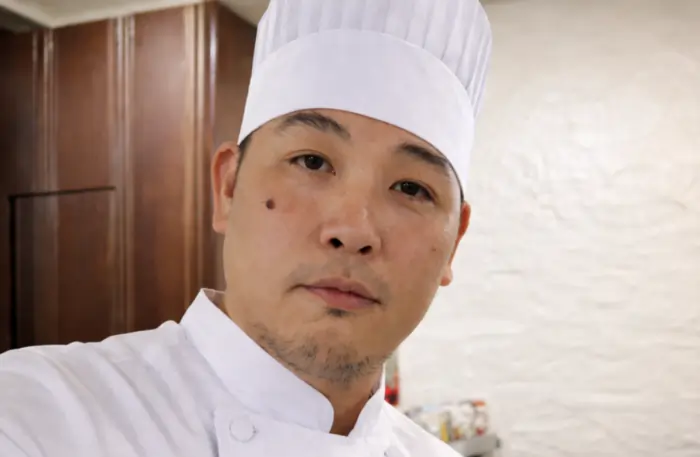
Chef Juan Gadi brings the heart of Filipino hospitality to Ubud, Bali. As an Executive Chef and consultant, he specializes in creating intimate, curated dining experiences that tell a story through every dish. Whether leading the kitchen at Kilig Filipino Warung or hosting a private villa dinner, Chef Juan’s approach is defined by warmth, modern technique, and a commitment to culinary excellence.