
Understanding the Course Flow of a Filipino Dining Experience Key Takeaways
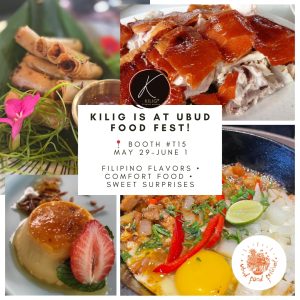
In my kitchen at Kilig Filipino Warung in Ubud, Bali, I’ve seen guests struggle with the absence of a crisp starter-main-dessert order.
- Expect appetizers , soups , main courses , and side dishes to arrive together—a vibrant spread where every bite contrasts and complements.
- The table is an ever-flowing conversation; the most important “course” is Filipino hospitality , expressed through generosity and genuine care.
- From daily home cooking to lavish festive meals , the sequence bends to celebration, not formality.
Stepping into a Filipino home, or a warung like mine here in Bali, you won’t receive a menu with numbered courses. Understanding the Course Flow of a Filipino Dining Experience begins by letting go of Western structure. Instead, you’re welcomed into a communal narrative where every dish—from the first spoonful of soup to the last bite of halo-halo—is an invitation to share, taste, and connect. For a related guide, see How to Order a Balanced Filipino Feast.
Understanding the Course Flow of a Filipino Dining Experience: The Warm-Up
Most meals start not with a formal appetizer, but with a gesture of hospitality. As a chef, I often open a dinner with a small glass of calamansi juice or a cup of savory bone broth—something warm, tangy, and restorative. These first sips set the tone: relaxed, welcoming, and entirely genuine. This is the Filipino dining experience in its purest form.
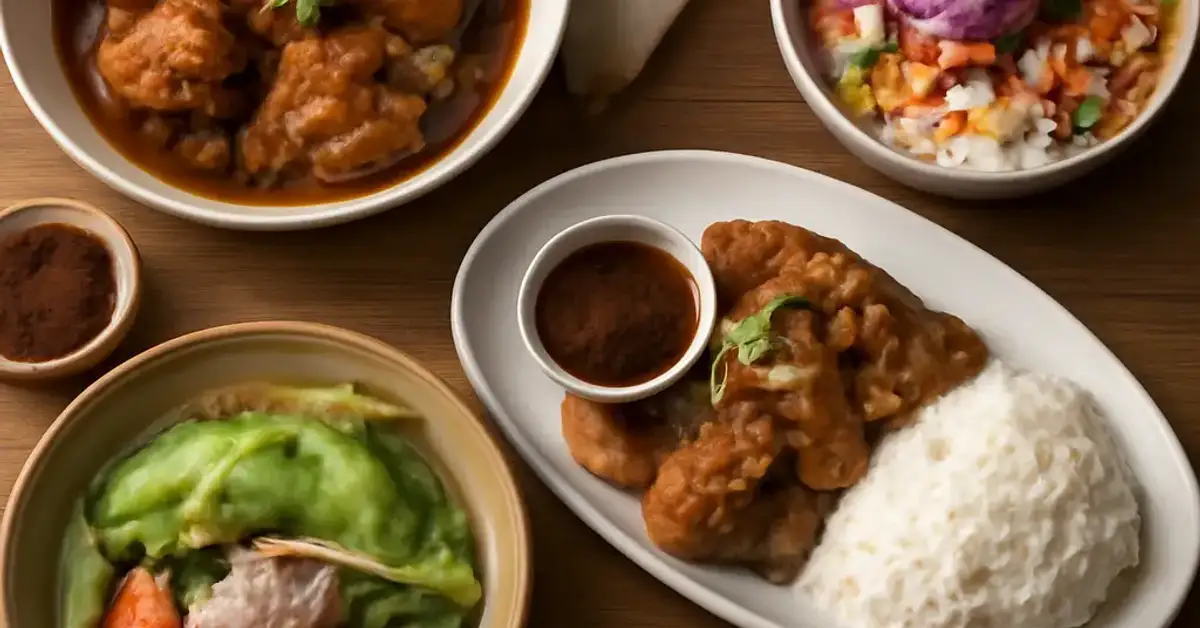
When a true appetizer appears, it’s often lumpia—crispy spring rolls packed with vegetables or pork, served with sweet chili or vinegar dip. Soups like sinigang (a sour tamarind broth) frequently arrive at the same time as the main spread, blurring the line between starter and main. I often tell guests that in the Philippines, the “first course” is simply the moment you pick up a spoon, dip into whatever is nearest, and taste.
Rice: The Heartbeat of Every Filipino Meal
Ask any Filipino what makes a meal complete, and they’ll say rice. It’s so central that we don’t call dishes “main courses” without referencing the rice that will accompany them. Rice dishes like garlic fried rice for breakfast or simple steamed white rice at lunch and dinner run through the entire experience—the constant that ties everything together.
Because food is served family-style, rice is the canvas. You’ll see a platter of adobo (soy-and-vinegar braised chicken or pork), a clay pot of kare-kare (oxtail peanut stew), and a whole sizzling sinigang all on the table at once. Diners take a little of each, layering flavors over rice with a practiced flick of the spoon. Side dishes like pickled papaya (atchara) or blanched greens add brightness, but they never wander alone—they always ride on a mound of rice.
The Main Spread: Adobo, Lechon, and the Core of Shared Meals
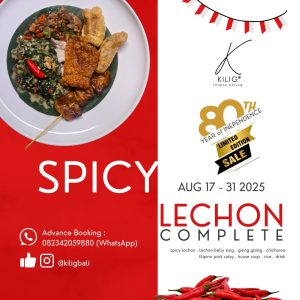
Shared meals are the soul of Philippine cuisine. With no rigid course separation, the “main” could be a whole roasted lechon (crispy-skinned pig), a lavish pancit (stir-fried noodles symbolizing long life), or a steaming bowl of grilled seafood drizzled with calamansi. The concept of a single “main course” dissolves; instead you have a constellation of flavors: the savory punch of adobo, the sour comfort of sinigang, the rich nuttiness of kare-kare. For a related guide, see A Guide to Choosing Filipino Dishes Based on Your Taste Preferences.
On coastal tables, you’ll often find whole fish, grilled squid, and prawns—grilled seafood that begs to be dipped. Everything arrives at the same time. The magic lies in how each person builds their perfect bite: a spoonful of rice, a piece of pork adobo, a drizzle of vinegar with garlic, and maybe a slice of tomato. That’s the true Filipino dining experience—personal, interactive, endlessly variable.
Sawsawan and Condiments: The Flavor Boosters
No article on Understanding the Course Flow of a Filipino Dining Experience is complete without honoring our dipping sauces. Every region, every household, has its own signature sawsawan (dip). The most essential are a simple mix of fish sauce and calamansi, a fermented shrimp paste called bagoong (indispensable for kare-kare), and a soy-vinegar blend spiked with chilies. These don’t come in a separate “course”; they’re placed in small saucers on the table from the very start, ready to animate every morsel.
I always encourage travelers to taste each dipping sauce alone, then with a bit of meat or fish, letting the brightness lift the dish. The shared meals become a playground of acidity, salt, and spice—an essential layer that makes the meal feel endless and explorative.
Understanding the Course Flow of a Filipino Dining Experience: The Sweet Finale
Dessert rarely announces itself. At a festive meal, platters of kakanin (native rice cakes) like bibingka, puto, or sapin-sapin might appear alongside the mains, but many Filipinos graze on them throughout the feast. Then comes the true showstopper: halo-halo, a layered icy dessert with sweet beans, jellies, leche flan, and ube ice cream, drenched in evaporated milk. It’s a cooling, chaotic masterpiece that embodies the Filipino dining experience—a joyful blend of textures and stories.
Other traditional desserts like leche flan, turon (banana spring roll), and fresh tropical fruits—mangoes, pineapples, rambutan—might close the meal, often alongside a cup of barako coffee or a cool local beverage like sago’t gulaman (a sweet tapioca and jelly drink). The “dessert course” is not a rigid finale but a lingering extension of togetherness.
| Meal Type | Typical Dishes | Structure and Flow |
|---|---|---|
| Everyday (Home cooking) | Sinigang, Adobo, Rice, Vegetable side | All served together; rice as constant; minimal fuss |
| Fiesta / Celebration (Festive meals) | Lechon, Kare-kare, Pancit, Lumpia, Grilled seafood, Halo-halo | Grand spread arriving in waves; dipping sauces everywhere; desserts merge with mains |
| Merienda (Snack) | Pancit, Kakanin, Turon, Coffee/Drinks | Casual, often sweet or noodle-based; breaks the day |
From Daily Simplicity to Fiesta Splendor: How the Flow Evolves
One of the most common questions I hear is how everyday Filipino meals differ from celebratory feasts. In a simple home kitchen, a lunch might consist of a single viand—say adobo—with rice and a quick vegetable side, all on the table at once. It’s efficient, nourishing, and deeply comforting. Home cooking relies on pantry staples and no fanfare.
A festive meal, like a town fiesta or a family reunion, transforms the flow. The table groans under countless platters: lechon with its perfect crackling, a bubbling pot of kare-kare, trays of pancit, mountains of lumpia, and fresh grilled seafood. Regional specialties like Bicol express (spicy coconut stew) or La Paz batchoy (noodle soup) add local pride. Rice remains the anchor, but the sheer abundance means you may sip soup while loading your plate with roasted pork and peanut sauce—a joyful, simultaneous celebration of flavor. The Filipino dining experience at a fiesta is a glorious assault on the senses, not a linear progression.
Essential Etiquette for Savoring a Filipino Dining Experience
For first-time visitors, the absence of structured courses can feel disorienting. My advice: relax and observe. Here are a few points to help you navigate:
- Use your spoon and fork: Filipinos usually eat with a spoon in the right hand and a fork in the left, using the fork to push food onto the spoon. Chopsticks are rarely used except for some noodle dishes.
- Kamayan is welcome: In many informal gatherings, eating with your hands (kamayan) is not only accepted—it’s encouraged. Wash your hands and dig in, especially with grilled seafood and fried dishes.
- Don’t wait for a formal invitation: Once the hosts say “kain na” (let’s eat), you’re free to serve yourself. Just take a modest portion first, knowing you can always return for more.
- Leave no grain behind: Finishing your rice is considered polite—it shows you enjoyed the meal and the host’s labor.
- Express appreciation genuinely: A simple “salamat” and a smile go a long way. Filipino Filipino hospitality thrives on heartfelt connection, not rigid rules.
Useful Resources
To deepen your journey into Philippine cuisine and learn more about regional dishes, I recommend exploring the Philippine Department of Tourism’s food and gastronomy guide for authentic travel-based culinary inspiration. For a comprehensive catalog of Filipino ingredients and dishes, TasteAtlas’s Philippine section offers an excellent overview of regional specialties and traditional recipes.
Frequently Asked Questions About Understanding the Course Flow of a Filipino Dining Experience
What is the typical course flow of a Filipino dining experience ?
There is no formal sequence; meals are served family-style with appetizers, soups, main dishes, rice, and sometimes desserts arriving simultaneously, letting each diner create their own flow.
How are traditional Filipino meals usually served?
They’re laid out on a shared table where everyone helps themselves. Rice is always the centerpiece, accompanied by multiple viands, dipping sauces, and often a soup.
Do Filipino meals follow a formal course structure?
No. Except in some fine-dining reinterpretations, everyday and festive meals abandon Western coursing in favor of a communal, simultaneous spread that emphasizes sharing and contrast.
What dishes are commonly served at the beginning of a Filipino meal?
While there is no strict “starter,” you’ll often encounter small bites like lumpia, a refreshing calamansi juice, or a light sinigang broth poured into bowls before piling on rice and mains.
Why is rice served throughout a Filipino dining experience ?
Rice is the foundation of the meal, balancing strong, savory flavors. It’s not a side but the core; even when multiple dishes change, the rice remains constant from the first bite to the last.
How does family-style dining affect the order and flow of a meal?
It dissolves the idea of a fixed order. Diners build their plates as they please, often mixing soup, meat, and vegetables in one sitting, which creates a more interactive, relaxed rhythm.
What is different about everyday Filipino meals compared with fiesta or celebration feasts?
Everyday meals are simple, often one viand with rice and a side. Fiestas bring an extravagant spread of multiple dishes—lechon, kare-kare, pancit, and elaborate desserts—served simultaneously in abundance.
What dining etiquette should first-time visitors understand?
Use a spoon and fork, not chopsticks; follow the host’s cue to start eating; try a little of everything; finish your rice; and express gratitude. Hand-eating (kamayan) is perfectly polite in many settings.
How can travelers follow the natural course of a Filipino dining experience while appreciating the country’s food culture, hospitality, and culinary traditions?
Embrace the absence of strict courses. Taste the dipping sauces, layer small amounts of each dish over rice, engage with your hosts, and let the communal, unhurried pace guide you through the meal.
Is there a specific order for tasting dipping sauces (sawsawan)?
No fixed order exists. Most Filipinos instinctively pair the right sauce with each dish—bagoong for kare-kare, fish sauce with calamansi for grilled fish, and vinegar dip for lechon. Experiment freely.
Do Filipino desserts always come at the end of a meal?
Not always. Kakanin and sweet snacks might appear alongside the mains, but typically a cooling dessert like halo-halo or fresh tropical fruits follows the main spread, often mingled with lingering conversations.
What role do beverages play in the course flow?
Local beverages like sago’t gulaman, buko juice, or barako coffee weave through the whole experience—from a refreshing start to a soothing finish—without disrupting the food flow.
How does the concept of “merienda” fit into the Filipino meal structure?
Merienda is a mid-morning or mid-afternoon snack, often featuring pancit, kakanin, or savory pastries. It’s a separate ritual, not a formal course, but adds to the day’s generous eating rhythm.
Are there regional variations in the flow of a Filipino meal?
Absolutely. In Pampanga, fabled for its culinary prowess, meals may include a soup course first; in Bicol, coconut-milk-rich dishes appear early and often. Regional specialties shape which dishes take the spotlight.
What is the significance of a “boodle fight” in Filipino dining?
A boodle fight is a military-style communal feast where food is spread on banana leaves and eaten with hands, no courses. It symbolizes camaraderie and breaks all formality, epitomizing shared meals and Filipino bonding.
How can a chef present a modern Filipino tasting menu while respecting the traditional course flow?
I design my curated dinners to honor the simultaneous spirit by serving small tasting portions in a sequence that still tells a story, often finishing with a deconstructed halo-halo. The heart remains family-style dining.
Is it impolite to mix different viands on the same plate?
Not at all—mixing is encouraged! The beauty of the Filipino dining experience lies in the harmonious chaos of adobo’s soy, sinigang’s sourness, and bagoong’s umami mingling on your plate.
Why do many Filipino households serve soup even on hot days?
Hot soup like sinigang is believed to balance the body’s temperature and aid digestion. It’s a comforting staple regardless of climate, showing that course logic defies weather rules.
How should I request additional rice during a meal?
Simply ask for “extra rice” or gesture to the host. It’s perfectly normal to go back for seconds (or thirds), as rice is considered limitless and a sign you’re enjoying the meal.
What is one tip for truly understanding the course flow of a Filipino dining experience ?
Slow down. Let the meal unfold without urgency. Taste multiple dishes in one spoonful, talk with your companions, and let Filipino hospitality guide your pace. The flow is as much about connection as it is about food.
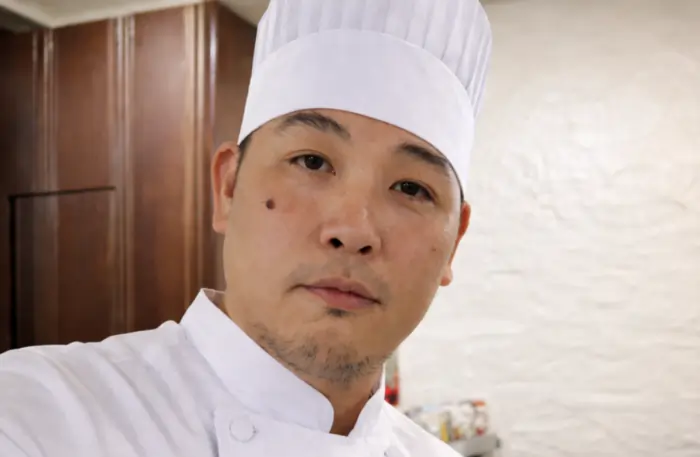
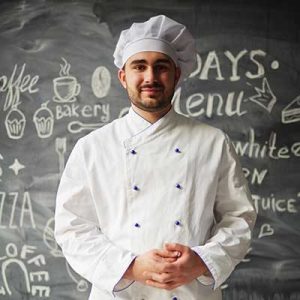
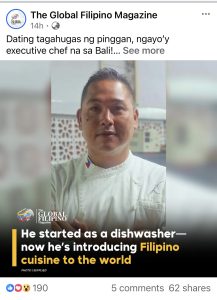
Chef Juan Gadi brings the heart of Filipino hospitality to Ubud, Bali. As an Executive Chef and consultant, he specializes in creating intimate, curated dining experiences that tell a story through every dish. Whether leading the kitchen at Kilig Filipino Warung or hosting a private villa dinner, Chef Juan’s approach is defined by warmth, modern technique, and a commitment to culinary excellence.