Filipino Food Customs Every Traveler Should Understand Key Takeaways
Growing up in Manila and now running my own kitchen in Ubud, I’ve seen how Filipino Food Customs Every Traveler Should Understand can transform a simple meal into a lasting memory.
- Filipino Food Customs Every Traveler Should Understand revolve around hospitality, shared plates, and deep respect for ingredients like rice.
- Expect to eat with your hands during kamayan , share dishes family-style, and never decline an offer of food.
- Learning these customs helps you honor traditions, avoid cultural missteps, and savor every bite of Philippine cuisine .
Growing up in Manila and now running my own kitchen in Ubud, I’ve seen how Filipino Food Customs Every Traveler Should Understand can transform a simple meal into a lasting memory. I’m Chef Juan Gadi, and from the warmth of Kilig Filipino Warung to private villa dinners, I live by the belief that food is a story best told around a crowded table. For any traveler, interiorizing these customs isn’t just about polite eating—it’s about unlocking the soul of an archipelago where Filipino hospitality starts with a spoonful of adobo and never really ends. For a related guide, see Filipino Food Traditions: 7 Essential Customs Every Traveler Must Know.
1. Family-Style Dining and Shared Plates: The Heart of the Filipino Table
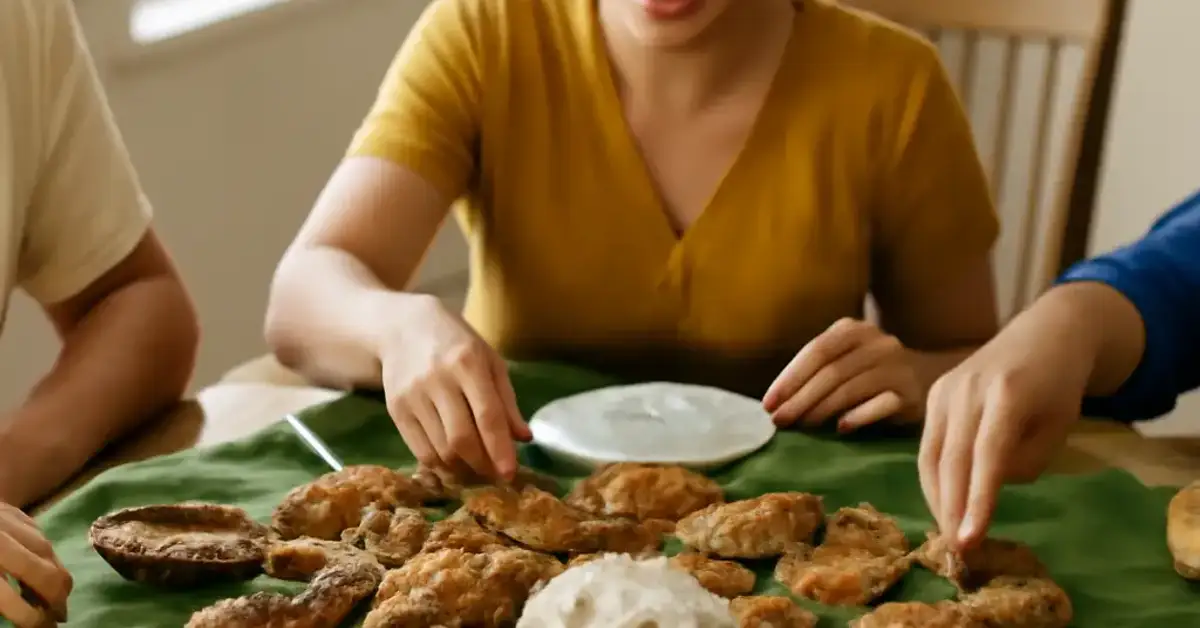
Walk into any Filipino home and you’ll find a table crowded with dishes set for everyone to dip into. Family-style dining is the norm, where shared dishes replace individually plated meals. This communal eating ethos reflects the core of Filipino food culture: no one eats alone, and the act of sharing deepens bonds.
Every feast, whether a casual lunch or a grand fiesta tradition, features a parade of home-cooked meals like adobo, sinigang, lechon, and pancit. You’ll notice serving spoons tucked beside each platter—a key piece of dining etiquette that allows hygienic sharing. Reaching across the table to spoon a bite directly onto your companion’s rice is not an invasion; it’s affection.
Traveler’s tip
When eating with locals, wait until everyone is seated and the eldest or host gestures for you to start. Always use the serving spoons, never your personal utensils, to take food from shared dishes.
2. Rice: The Unifying Grain That Defines Every Meal
If there’s one ingredient that ties together Filipino cuisine from Batanes to Tawi‑Tawi, it’s rice. A Filipino table without steamed white rice is unthinkable—it’s the canvas that balances the boldness of bagoong or the tang of sinigang. Whether you’re enjoying regional specialties or a humble home-cooked meal, a mound of rice anchors the plate.
This devotion to rice explains why Filipinos ask not “Have you eaten?” but “Kumain ka na ba?” with the unspoken understanding that a meal means rice. I remember my grandmother’s kitchen where the day began with the scent of freshly steamed rice; no fish, no adobo, no vegetable lumpia ever arrived without it. When traveling, embracing this rice-first Filipino food culture is your first step toward eating like a local.
3. Kamayan: The Communal Feast Eaten with Your Hands
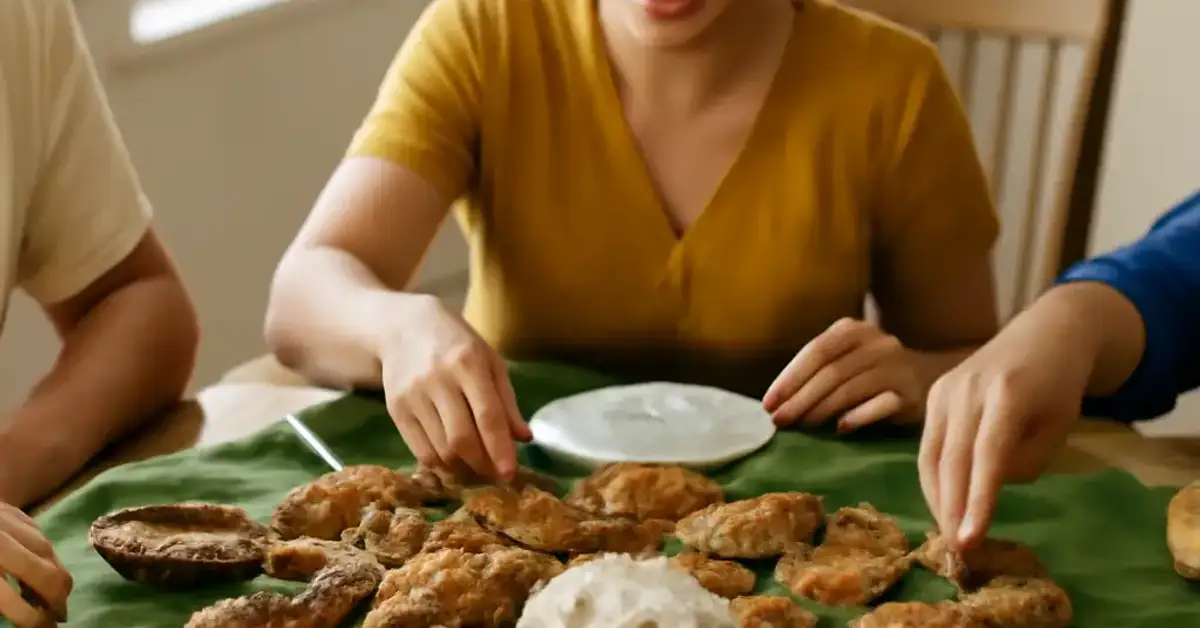
Kamayan—meaning “by hand” in Tagalog—is a visceral Filipino dining tradition you won’t want to miss. In a true kamayan, banana leaves spread across the table replace plates, and piles of fragrant rice, grilled lechon, pancit, and fresh fruits are laid out for everyone to grab with their right hand. It’s the ultimate expression of communal eating and a living piece of local food culture.
Travelers might encounter kamayan at beachside resorts, during Filipino celebrations, or as a special bonding meal organized by a host. In my Bali kitchen, I’ll often surprise guests with a kamayan setup—the laughter that follows as everyone learns to scoop rice with their fingers dissolves any cultural barrier. A small bowl of calamansi-spiked soy sauce for dipping ties the whole traditional recipe together.
Practical pointers
Use only your right hand; keep your left hand clean for drinks. Form a small mound of rice with your fingertips, then press it into the meat or vegetable before lifting it to your mouth. Don’t lick your fingers until the end—Filipinos save that final, joyful gesture for the meal’s close.
4. Merienda: The Afternoon Ritual That Stitches the Day Together
Between lunch and dinner, the Philippines pauses for merienda. This isn’t a simple snack—it’s a sweet or savory interlude that fuels conversations, catches up with friends, and sustains the famously hospitable rhythm of Filipino hospitality. Whether it’s a turon (banana spring roll), bibingka (rice cake), or a bowl of pancit, merienda is woven into daily life.
When a local offers you merienda, accept it as a gesture of offering food to guests. In many homes, this 3 p.m. ritual turns into an impromptu gathering where recipes passed down through generations—like a silky leche flan or a savory ukoy—are shared. As a chef, I see merienda as the moment when traditional recipes and modern cravings meet, and for travelers, it’s an open invitation to taste the country between the big meals.
5. Filipino Hospitality: When Guests Become Family at the Table
Filipino hospitality is legendary, and it reaches its peak in the dining room. The phrase “Kain tayo!” (Let’s eat!) isn’t a polite formality—it’s a heartfelt command. Offering food to guests is not only expected but almost a reflex; expect your host to pile your plate high and insist you have second helpings.
This habit, often puzzling to first‑time visitors, answers the question “Why do Filipinos often encourage guests to eat more?” Because in Filipino dining customs, an empty plate signals that the host hasn’t provided enough. Your genuine enjoyment becomes the highest compliment. I recall once in Palawan being served sinigang and adobo by a fisherman’s family; my repeated “Salamat po” only prompted them to offer more rice and a parting gift of calamansi and bagoong to take home.
How to gracefully accept (and refuse)
Accept at least a small portion and praise the cook. If you truly can’t eat more, say “Busog na po” (I’m already full) with a smile, and politely keep a little food on your plate to show you’ve been satisfied.
6. Fiesta Traditions and Celebratory Feasts: Where Regional Specialties Shine
No Filipino food custom is as spectacular as the fiesta traditions. Each town honors its patron saint with an explosion of food, and every household becomes an open‑door restaurant. Platters of lechon (whole roasted pig), pans of pancit (noodles for long life), and heaping bowls of regional specialties like Bicol’s Bicol Express or Cebu’s lechon belly dominate the table.
During Filipino celebrations, the lines between stranger and friend blur. You’ll be welcomed with “Kain na!” even if you’ve just met the host. Filipino food customs dictate that you taste everything, compliment the cook, and mingle with neighbors. This is where local food culture is most vibrant, and where a traveler can witness the true meaning of Filipino hospitality—overflowing plates and even more overflowing hearts.
7. Table Manners and Dining Etiquette: Serving Elders First and Other Courtesies
While the atmosphere is warm, Filipino dining etiquette carries subtle rules that show respect. Serving elders first is a cornerstone; the eldest person at the table is typically served before anyone else, often by a younger family member who ladles soup or scoops rice for them. This gesture, called paggalang, anchors the meal in Filipino cultural traditions.
Proper table manners also include never point with your chopsticks (if used), avoid starting before the host invites you, and never leave the table while elders are still eating. Shared dishes stay at the center; instead of passing your plate, you reach from your seat using the communal serving spoons. And if you accidentally drop food, a quiet apology suffices—Filipinos are forgiving and value the company more than the mishap.
What dining mistakes should travelers avoid?
Avoid turning down home-cooked meals outright, blowing your nose at the table, or finishing all the food before the host ensures everyone has eaten. Also, resist the urge to pile rice from the center bowl directly with your personal spoon; always use the dedicated serving spoon.
Bringing It All Together: How Understanding Filipino Food Customs Every Traveler Should Understand Transforms Your Journey
When you grasp Filipino Food Customs Every Traveler Should Understand, you move from being a tourist to a welcomed guest. Every family-style dining spread, each merienda invitation, and the ritual of serving elders first reveals a culture built on connection. In my own work, I’ve watched diners go from hesitant nibblers to brave kamayan participants, all because they embraced these unwritten rules.
Food in the Philippines isn’t fuel; it’s a conversation, a hug, a story. By respecting communal eating, appreciating the rice that never leaves the table, and accepting Filipino hospitality with grace, you’ll taste more than adobo—you’ll taste belonging. So on your next trip, let these seven customs be your guide, and prepare for the most delicious welcome you’ll ever receive.
Useful Resources
For more insights into Philippine cuisine and Filipino dining traditions, explore these trusted guides:
- Philippines Food and Drink Guide by Tourism Philippines – official travel resource covering regional dishes and food culture.
- Introduction to Filipino Food and Culture – Culture Trip – a deep dive into the rituals and flavors that define Filipino gastronomy.
Frequently Asked Questions About Filipino Food Customs Every Traveler Should Understand
What Filipino food customs should every traveler understand?
The essential Filipino food customs include sharing meals family-style, eating rice with every meal, mastering kamayan (eating with your hands), respecting merienda as a social break, embracing Filipino hospitality that overflows with food offerings, honoring dining etiquette like serving elders first, and joining fiesta traditions where endless plates showcase regional specialties. For a related guide, see Filipino Food Traditions: 7 Essential Customs Every Traveler Must Know.
What is Filipino dining etiquette ?
Filipino dining etiquette blends warmth with respect: wait for the host’s signal to start, use serving spoons for shared dishes, serve elders before yourself, accept food graciously, and never rush away from the table while others are still eating. A smile and a heartfelt “Salamat” go a long way.
Why do Filipinos often share dishes during meals?
Filipinos share dishes as an expression of communal eating and Filipino hospitality. Food on the table belongs to everyone, and passing plates or reaching across reinforces the idea that meals are collective experiences, not individual ones. This family-style dining builds closeness and ensures no one feels left out.
How does Filipino hospitality influence dining customs?
Filipino hospitality turns every meal into an act of generosity. Hosts will insist guests eat more, offer the best cuts of lechon, and even send leftovers home. This warmth stems from the belief that feeding someone well is a sign of care, and a guest’s satisfaction reflects the host’s goodness.
Why is rice an important part of Filipino food culture?
Rice is the foundation of Filipino cuisine—it balances strong flavors like bagoong or sinigang and stretches meals to feed many. Culturally, it symbolizes sustenance and community, and no meal is considered complete without it. Even with pancit or bread, rice often appears as the default side.
What is kamayan and when might travelers experience it?
Kamayan is a traditional way of eating with your hands where food is laid on banana leaves and shared communally. Travelers may encounter it at resorts, during a hosted dinner, or at fiesta traditions where a whole town gathers. It’s a joyful, tactile way to connect with local food culture.
What should visitors know when invited to eat in a Filipino home?
Expect a lavish spread of home-cooked meals and genuine pressure to eat more. Bring a small gift like fruit or dessert, compliment the cook, and use serving spoons. Don’t finish everything on your plate if you want seconds—leaving a bite signals you’re full, not unappreciative.
Why do Filipinos often encourage guests to eat more?
In Filipino food culture, a guest’s empty plate might mean the host didn’t provide enough. By urging you to eat more, Filipinos demonstrate Filipino hospitality and ensure you’ve been absolutely satisfied. Accepting seconds (or at least a token portion) honors this tradition of offering food to guests.
How does merienda fit into Filipino daily life?
Merienda is the mid‑afternoon pause that recharges the day with coffee, sweet rice cakes, or savory bites. It’s a cherished social ritual where colleagues, friends, and family catch up, and it reflects the Filipinos’ love for food and togetherness. Travelers will often be invited to merienda as a casual, authentic experience.
What dining mistakes should travelers avoid in the Philippines?
Avoid declining home-cooked meals too firmly, pointing with your fork, or finishing all the food before everyone has eaten. Never use your personal spoon to scoop from shared dishes without a serving spoon, and do not blow your nose at the table—it’s considered impolite.
How do food customs differ during fiestas and family celebrations?
Fiesta traditions ramp up the abundance: neighbors open their homes, lechon and pancit are star attractions, and the line between host and guest disappears. Eating becomes a non‑stop, communal affair where serving elders first still applies, but the rule about finishing your plate loosens—overindulgence is practically expected.
How can understanding these seven Filipino food customs help travelers?
When you grasp Filipino Food Customs Every Traveler Should Understand, you sidestep awkward situations, show genuine respect, and open doors to deeper connections. You’ll be invited into more homes, taste more regional specialties, and leave with memories that go far beyond a typical tourist experience.
Is it considered rude to refuse food in the Philippines?
An outright refusal can be hurtful because offering food to guests is a core tenet of Filipino hospitality. Politely accept a tiny taste, praise the dish, and explain you’re already full (“Busog na po”). That softens the refusal while honoring the gesture.
What does offering food to guests signify in Filipino culture?
It signifies deep respect, care, and the host’s desire to make you feel like family. A visitor who eats well is a blessing, and the act of offering food to guests is a non‑verbal “you are important to me.” This is why even unexpected visitors are quickly served merienda or a full meal.
Why is serving elders first a common practice?
Serving elders first embodies Filipino dining etiquette rooted in paggalang (respect). The oldest person holds a place of honor, and feeding them first acknowledges their wisdom and role in the family. Younger members often physically place food on the elder’s plate as a service.
What are serving spoons used for in Filipino dining?
Serving spoons are dedicated utensils placed in each shared dish so everyone can take portions without mixing personal germs. Using the correct spoon shows awareness of table manners and respects the communal nature of the meal.
Can I ask for a fork and spoon instead of eating with hands during kamayan?
Yes, most hosts will happily provide cutlery if you’re uncomfortable. However, trying kamayan with your right hand is encouraged—locals appreciate the effort and it’s part of the fun. Just ask for a fork if you need it, and no one will be offended.
What role do condiments like calamansi and bagoong play?
Calamansi adds a bright citrus acidity that lifts grilled meats and pancit, while bagoong (fermented shrimp or fish paste) delivers umami and saltiness, often paired with sinigang or green mangoes. These condiments are essential to Filipino gastronomy and reflect the balance of sour, salty, and savory in Philippine cuisine.
Are there regional differences in Filipino food customs ?
Absolutely. In Cebu, lechon reigns and meals often finish with sweet tuba wine; in Ilocos, bagnet (crispy pork) and bagoong vary in pungency; while Bicol’s Bicol Express showcases coconut and chili. The core customs—sharing, rice, respect for elders—remain, but regional specialties add delicious variety.
How do I compliment a home-cooked meal in the Philippines?
A genuine “Ang sarap!” (It’s delicious!) followed by “Salamat po” (Thank you) will warm any cook’s heart. You can also ask for the traditional recipe or a second serving—both are taken as high praise. Filipinos love to hear that their home-cooked meals have made a lasting impression.
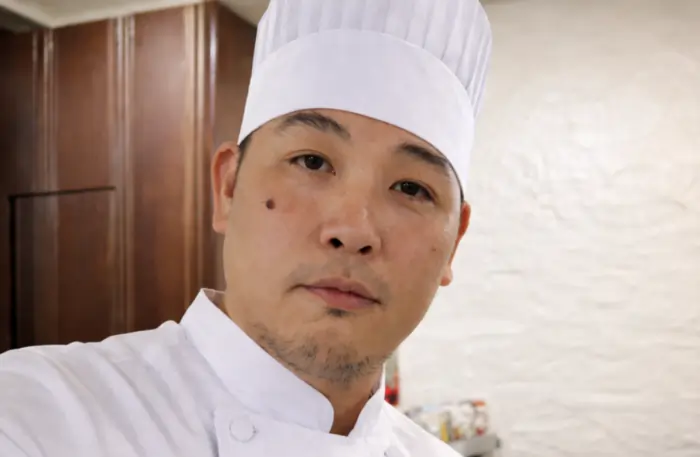
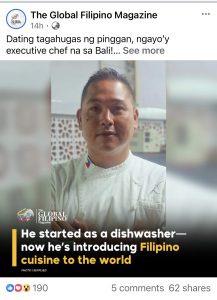
Chef Juan Gadi brings the heart of Filipino hospitality to Ubud, Bali. As an Executive Chef and consultant, he specializes in creating intimate, curated dining experiences that tell a story through every dish. Whether leading the kitchen at Kilig Filipino Warung or hosting a private villa dinner, Chef Juan’s approach is defined by warmth, modern technique, and a commitment to culinary excellence.