Regional Ingredients That Define Filipino Cuisine Key Takeaways
Filipino cuisine is a vibrant tapestry woven from Regional Ingredients That Define Filipino Cuisine .
- Twelve Regional Ingredients That Define Filipino Cuisine connect you to specific provinces and indigenous traditions.
- Each ingredient carries a story of climate, craft, and generations of Filipino food preservation.
- Travelers can taste the archipelago’s diversity through local herbs, native spices, seafood, and beloved tropical fruits.
Why Regional Ingredients Are the Soul of Filipino Cooking
Walk into any Filipino kitchen and you’ll immediately sense a profound connection to the land and sea. Here, cooking is never just a recipe—it’s a conversation between the cook and the environment. Regional Ingredients That Define Filipino Cuisine carry centuries of wisdom, where a simple sour note can tell you if you’re in Pampanga or Bicol, and a swirl of purple yam instantly transports you to the island of Bohol. For a related guide, see How Migration Between Islands Changed Filipino Recipes.
What makes these ingredients so powerful is their ability to articulate the Philippines’ incredible biodiversity. With over 7,600 islands, the archipelago nurtures a staggering range of indigenous ingredients. From volcanic soil to mangrove-lined coasts, each region contributes its own edible alphabet—coconut milk in Bicol, pili nuts in Sorsogon, ube in the Visayas. For international travelers and culinary enthusiasts, understanding these twelve foundational tastes is the key to unlocking authentic Filipino dining, whether you’re at a Balinese warung run by an expat chef or a market in Manila. For a related guide, see How Filipino Culinary Traditions Adapt Across Different Islands.
12 Indigenous Ingredients That Shape Filipino Cuisine
These twelve ingredients are not simply items on a grocery list. They are cultural markers, flavor signatures, and the very backbone of traditional recipes passed down through generations. Each one answers a part of the bigger question: what regional ingredients define Filipino cuisine?
Coconut Milk – The Cream of Bicol and Visayan Cooking
No ingredient embodies Filipino comfort more thoroughly than coconut milk. In the Bicol region, the gata (coconut cream) is used with fearless generosity, simmered with chili peppers and seafood to create the legendary Bicol Express. What role does coconut play in Filipino cuisine? It acts as both a mellowing balm for heat and a rich, dairy-free base that transforms simple root crops and native vegetables into luxurious stews. Pairing coconut milk with tropical fruits like jackfruit or banana creates desserts that are lush yet light, demonstrating the ingredient’s remarkable versatility.
Calamansi – The Tiny Citrus That Brightens Every Table
The humble calamansi is more than a garnish; it’s an indispensable finishing touch. This small, round citrus bridges the gap between lemon and mandarin, offering a fragrant acidity that lifts grilled meats, noodle soups, and dipping sauces. In traditional recipes, a squeeze of calamansi alongside soy sauce and chili peppers forms a universal sawsawan (dipping sauce) that appears on every Filipino dining table, embodying the cuisine’s love for customizable, bright flavors.
Tamarind – Sour Heart of the Iconic Sinigang
If there is one flavor that defines the Filipino palate, it is sour, and tamarind is its champion. Used primarily to make sinigang, a sour soup teeming with seafood, pork, and fresh vegetables, tamarind delivers a gentle, fruity tartness that is worlds away from harsh vinegars. This ingredient shows how local herbs and acidic fruits can be coaxed into deeply comforting regional specialties. In Mindanao, you might find tamarind used in sweet-savory palm sugar concoctions, proving its adaptability across islands.
Bagoong – Fermented Umami from North to South
Bagoong is the soulful, salty funk that underpins everything from crisp green mangoes to regal kare-kare. This fermented foods staple varies wildly by region: in Ilocos, bagoong is often made from fermented anchovies, while in the Visayas, it takes the form of ginamos (fermented tiny shrimp). Paired with vinegar and calamansi, bagoong demonstrates how Filipino food preservation techniques transform simple catches into powerful condiments that define local identity.
Vinegar – The Sharp Tang of Preservation and Zest
Vinegar in the Philippines is never a one-note ingredient. Cane vinegar, coconut vinegar, and palm vinegar each bring distinct personalities, often infused with chili peppers, garlic, and local herbs. How do calamansi, tamarind, vinegar, and fermented ingredients shape Filipino flavors? Together they create the dynamic interplay of sour, savory, and bright that animates dishes like paksiw (fish poached in vinegar) and adobo. Vinegar also showcases the ancient Filipino food preservation wisdom that allowed coastal communities to thrive without refrigeration.
Banana Leaves – Nature’s Fragrant Wrapper
More than just a biodegradable plate, banana leaves infuse food with a subtle, grassy aroma that no modern wrap can replicate. Steaming rice cakes (suman) or grilled fish inside banana leaves imparts a delicate vegetal sweetness while locking in moisture. This technique, common across numerous regional specialties, highlights how indigenous Filipino kitchens maximize every element of the natural environment.
Ube – The Purple Yam That Captured the World
From humble beginnings in Bohol and the Visayas, ube has become a worldwide sensation. This vibrant purple root crop offers a nutty, vanilla-like sweetness that stars in traditional recipes like halayang ube (jam) and modern pastries. Which native ingredients are strongly associated with specific provinces or regions? Ube is undoubtedly tied to the central islands, yet its influence now stretches globally, a testament to how regional specialties can evolve while staying rooted in heritage.
Pili Nuts – Bicol’s Buttery Treasure
If you travel to the Bicol Peninsula, you’ll encounter pili nuts in every form—roasted, candied, or ground into creamy fillings. These indigenous nuts, with a texture softer than macadamia and a deep, milky flavor, are a treasured regional ingredients that reflect the volcanic soils of the area. They often appear in confections sweetened with palm sugar or paired with coconut milk, creating a distinctly Bicolano luxury that travelers should absolutely seek out.
Tablea – Artisan Cacao From Seed to Cup
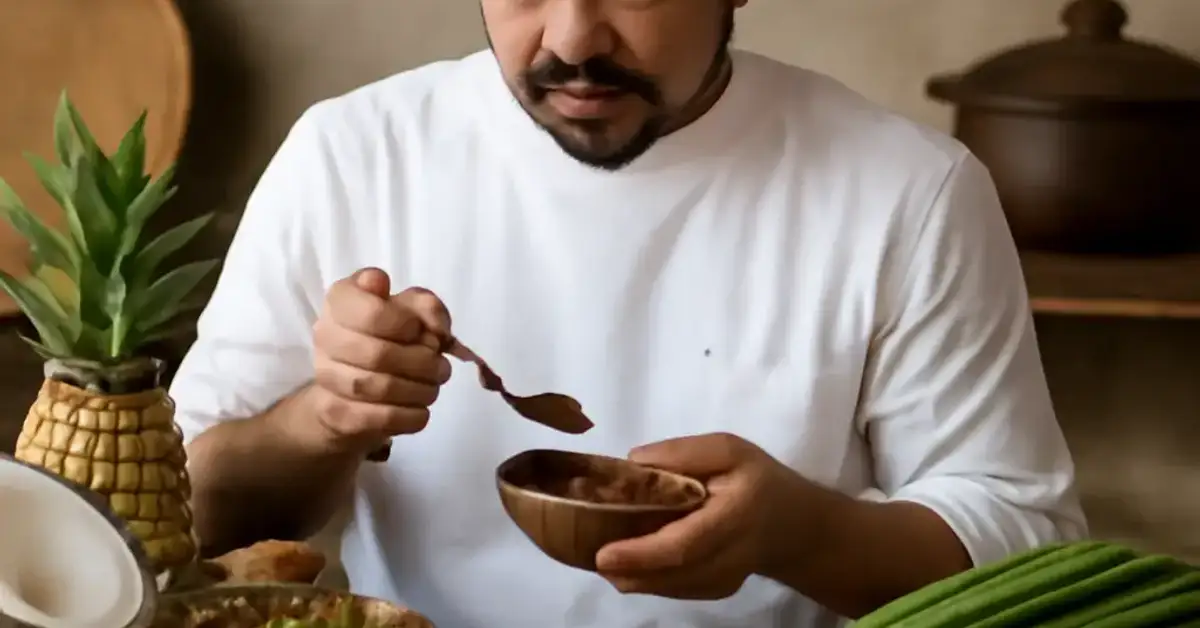
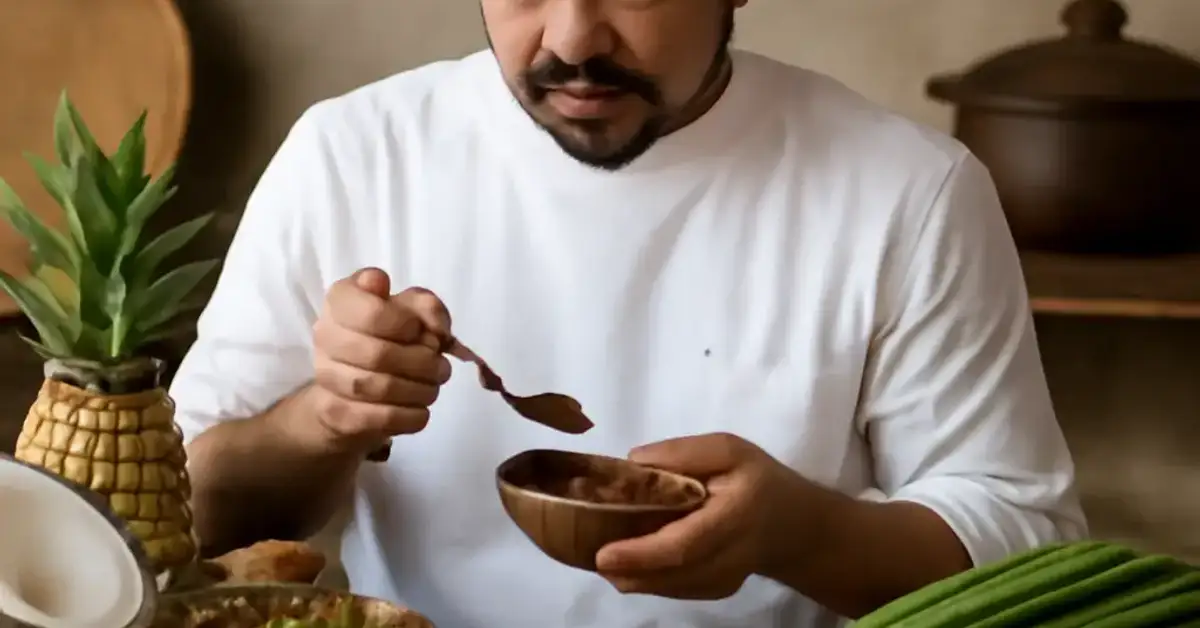
Tablea, the rough-hewn tablets of pure cacao paste, are the heart of Filipino hot chocolate. In Batangas and Davao, families still dry and grind local cacao beans by hand, preserving a tradition dating back to the Manila-Acapulco Galleon Trade. When simmered in water or coconut milk and sweetened with palm sugar, tablea produces a profoundly earthy, spicy beverage that connects drinkers directly to the land. It’s a prime example of how indigenous ingredients are preserved through authentic food craft.
Pandan – The Vanilla of Southeast Asian Cooking
On its own, pandan looks unremarkable—a long, blade-like tropical leaf. Yet once simmered in rice dishes, woven into custards, or steeped into syrups, it releases an intoxicating floral aroma reminiscent of freshly cooked jasmine rice and vanilla. Pandan is a cornerstone of Filipino traditional recipes, used in everything from buko pandan salad to fragrant desserts. Together with lemongrass, it forms the aromatic backbone of many afternoon snacks and festive treats.
Lemongrass – The Citrusy Herb That Cleanses and Calms
Lemongrass, or tanglad, brings a clean, citric brightness to the Filipino kitchen without the sharp bite of calamansi. In the Visayas, it stars in tinola, a ginger-garlic chicken soup that feels like a warm embrace. This local herbs is also essential in seafood preparations, where its delicate flavor respects rather than overpowers the ocean’s taste. Choosing ingredients that serve multiple sensory and health roles showcases the holistic approach of Filipino cooking.
Chili Peppers – Fire That Awakens the Palate
While Filipino food is not uniformly spicy, chili peppers—especially the wild siling labuyo—are revered in regions like Bicol and the Cordilleras. They kick life into bagoong dips, sizzle in coconut milk stews, and are preserved in vinegar as a ubiquitous condiment. How do tropical fruits, seafood, herbs, and spices influence regional Filipino dishes? It’s the bold, intentional use of chili peppers alongside sweet pandan or sour tamarind that creates the layered, multi-dimensional flavor profiles that mark Filipino cuisine as utterly distinct.
How Travelers Can Discover These Filipino Ingredients
For international travelers and first-time visitors, the hunt for authentic Filipino flavors begins at the wet market, where tropical fruits, glistening seafood, and mounds of local herbs create a sensory overload. Look for vendors selling homemade bagoong or freshly extracted coconut milk; these are clues that you’re in a region that values its indigenous ingredients. Sign up for a cooking class in Pampanga or Bicol, and you’ll learn how to transform pili nuts into silken custards or how to grill meat wrapped in banana leaves. Which ingredients should travelers look for when exploring authentic Philippine cuisine? Focus on the ones that can’t be easily replicated abroad—tablea, true native vinegar, and sun-dried chili peppers make exceptional edible souvenirs that capture a region’s spirit.
Chef Juan Gadi often advises food-centric visitors to Bali’s Kilig Filipino Warung to treat each ingredient as a story. “When you taste ube or smell pandan, you’re really tasting the soil of Bohol or the breeze of the Visayas,” he says. “Ask your server which province the ingredient comes from, and a simple meal becomes a geography lesson on a plate.”
Preserving Culinary Heritage Through Native Ingredients
How have indigenous ingredients been preserved through generations? The answer lies in the daily rituals of Filipino grandmothers and community cooks who continue to plant, ferment, and share without fanfare. Filipino food preservation methods like drying, fermenting, and sugaring have not only safeguarded flavors but also cultural memory. When a Batangueño farmer processes his cacao into tablea, he is continuing a lineage that survived centuries of colonial influence. This quiet resilience is what makes Regional Ingredients That Define Filipino Cuisine so compelling: they are evidence that a cuisine can stay deeply local even as it invites the world to taste. Together, these twelve regional ingredients reveal the Philippines’ astonishing biodiversity, layered cultural heritage, and the remarkable diversity of culinary traditions that unfold from northern Luzon to the Sulu Sea. For a related guide, see Why Filipino Cooking Differs: 7 Proven Essential Regional Tastes.
Useful Resources
To go deeper into the world of Filipino indigenous ingredients and traditional recipes, explore these trusted sources:
- TasteAtlas Guide to Philippine Cuisine and Regional Ingredients – A comprehensive map of dishes and key components across the archipelago.
- Panlasang Pinoy – Filipino Food and Recipes – Step-by-step recipes and ingredient spotlights that bring authentic Filipino cooking to home kitchens worldwide.
Frequently Asked Questions About Regional Ingredients That Define Filipino Cuisine
What are the essential regional ingredients in Filipino cuisine?
Essential Regional Ingredients That Define Filipino Cuisine include coconut milk, calamansi, tamarind, bagoong, native vinegar, banana leaves, ube, pili nuts, tablea, pandan, lemongrass, and chili peppers. Together they form the foundation of the country’s most beloved traditional recipes.
Why is coconut milk so important in Filipino cooking?
Coconut milk acts as a rich, dairy-free cream that balances heat from chili peppers and enhances the natural sweetness of seafood and root crops. It’s especially dominant in Bicolano cuisine, where it creates iconic dishes like Bicol Express and ginataang langka.
How is bagoong used in traditional Filipino dishes?
Bagoong is a fermented shrimp or fish paste used as a salty condiment or cooking base. It’s essential to kare-kare (oxtail stew) and green mango salad, and its regional variations highlight the breadth of Filipino food preservation techniques.
Where does ube originate and how is it used?
Ube, or purple yam, originates mainly from the Visayas region, particularly Bohol. It is transformed into jams, cakes, ice cream, and sweet pastries, prized for its vibrant color and nutty-vanilla flavor that now enjoys global popularity.
What is tablea and how is it used in Filipino hot chocolate?
Tablea consists of ground, molded cacao beans, traditionally produced in Batangas and Davao. When simmered with water or coconut milk and sweetened with palm sugar, it yields a thick, earthy hot chocolate that is a beloved merienda drink.
What is the difference between Filipino vinegar and other vinegars?
Filipino vinegar varieties—such as cane, coconut, and palm—are often milder and slightly sweeter than Western distilled vinegars. They are frequently infused with chili peppers and garlic, forming the sour backbone of adobo and paksiw.
How do calamansi and tamarind influence sour flavors in Filipino food?
Calamansi provides a fresh, citrusy brightness, while tamarind delivers a deeper, fruity tartness. Together with vinegar and fermented ingredients, they create the balanced sour notes that define sinigang, kinilaw, and dipping sauces.
What native Filipino spices are used in regional dishes?
Native spices such as lemongrass, ginger, garlic, turmeric, and chili peppers feature prominently. They are used fresh or pounded into pastes, infusing broths like tinola and grilled seafood with aromatic layers without overpowering the main ingredient.
How do banana leaves affect the flavor of Filipino delicacies?
Banana leaves add a subtle, grassy aroma and help retain moisture when used as a wrapping for steaming or grilling. Classic treats like suman (rice cake) and grilled whole fish owe much of their gentle bouquet to this natural wrap.
What is the role of fermented foods in Filipino cuisine?
Fermented foods like bagoong, patis (fish sauce), and burong isda (fermented rice and fish) provide umami depth and act as preservatives. They are central to Filipino food preservation, enabling self-sufficient coastal and mountain communities to extend the life of their harvests.
How do regional ingredients differ from north to south in the Philippines?
Northern regions like Ilocos favor fermented bagoong and vegetable-forward dishes, while Bicol in the south relies on coconut milk and chili peppers. The Visayas showcase ube and seafood, and Mindanao incorporates more palm sugar and Muslim-influenced spice pastes.
What must-try Filipino dishes feature pili nuts?
In Bicol, pili nuts are turned into creamy mazapan-like pastries, caramelized brittles, and rich nutty sauces for desserts. Travelers can also enjoy pili nut ice cream or simply purchase roasted nuts as a healthy regional snack.
How is pandan used beyond flavoring in Filipino cooking?
Beyond infusing syrups and beverages, pandan leaves are tied into knots and added to rice pots so the cooked grains absorb a delicate floral scent. They also line steaming baskets for dumplings and act as natural food colorant for green-hued kakanin.
What makes Bicolano cuisine unique in terms of ingredients?
Bicolano cuisine is defined by heavy use of coconut milk, wild chili peppers, and pili nuts. The volcanic terrain produces exceptional coconut groves, and the local love for spice results in dishes like Bicol Express and laing that are famously fiery yet creamy.
What ingredients should travelers look for at a Filipino market?
Seek out freshly pressed coconut milk, homemade vinegar infusions, artisanal tablea, local pandan and lemongrass bundles, and country bagoong. These items are the most authentic souvenirs and directly support indigenous producers.
How has Filipino food preservation shaped regional ingredients?
Traditional Filipino food preservation methods—fermenting, drying, and sugaring—gave rise to staples like bagoong, dried fish, and vinegar-cured meats. These techniques allowed communities to thrive in tropical climates and are still practiced in many rural provinces today.
Why is rice paired with so many Filipino dishes?
As the country’s staple crop, rice serves as a neutral canvas that balances the bold sour, salty, and umami notes of Filipino dishes. It’s not only a side but often an integral part of the meal, absorbing sauces and enriching the overall experience.
How do you cook with lemongrass like a local chef?
To extract the full aroma of lemongrass, lightly bruise the stalks before simmering them in soups or marinades. Remove the tough outer layers and use the tender inner core finely minced for salads and dressings, capturing a clean, citric lift without bitterness.
What is the significance of native ingredients to Filipino cultural identity?
Native ingredients like ube, tablea, and bagoong are living artifacts of pre-colonial, indigenous heritage. They anchor Filipino identity in a globalized world and celebrate the resourcefulness of communities that have cultivated and preserved these tastes for generations.
How can home cooks outside the Philippines source these Filipino ingredients?
Asian grocery stores and online Filipino food retailers now stock frozen ube, dried pandan, coconut milk, bagoong, and even artisanal tablea. Farmer cooperatives in the Philippines also ship pili nuts and specialty vinegar worldwide, making regional flavors increasingly accessible.
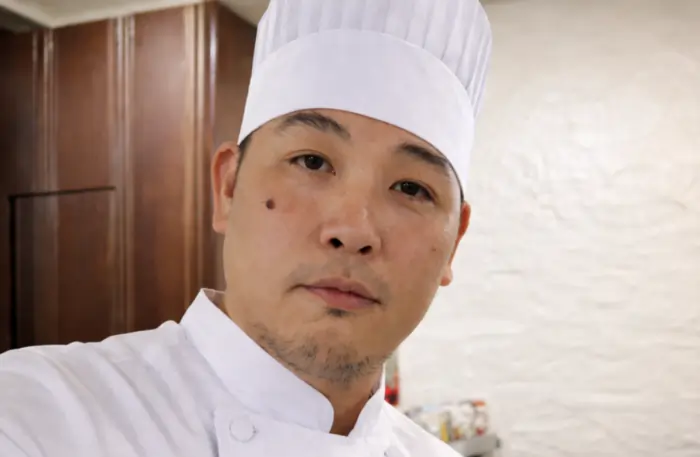
Chef Juan Gadi brings the heart of Filipino hospitality to Ubud, Bali. As an Executive Chef and consultant, he specializes in creating intimate, curated dining experiences that tell a story through every dish. Whether leading the kitchen at Kilig Filipino Warung or hosting a private villa dinner, Chef Juan’s approach is defined by warmth, modern technique, and a commitment to culinary excellence.