
As a Filipino chef serving authentic flavors in Ubud, Bali, I’ve witnessed how Family Traditions Preserved Through Filipino Cooking transcend borders. Every simmering pot of adobo and every shared bowl of sinigang carries the fingerprints of lola’s kitchen—the laughter, the stories, and the quiet lessons that turn a meal into memory. At Kilig Filipino Warung and during private villa dinners, I don’t just plate dishes; I weave narratives of Filipino hospitality, ancestral recipes, and the irreplaceable warmth of home cooking. For a related guide, see How Traditional Filipino Cooking Inspires Modern Dining in Bali.
Family Traditions Preserved Through Filipino Cooking Key Takeaways
Filipino cooking is a living archive of family love—where ancestral recipes , shared meals, and festive cooking together carry stories across generations.
- Family Traditions Preserved Through Filipino Cooking begin with hands-on teaching of local ingredients , traditional cooking methods , and recipe inheritance from elders
- Fiestas, holiday meals , and communal food preparation reinforce Filipino hospitality and turn every gathering into a family tradition
- Younger generations can preserve these customs by embracing regional specialties , documenting family recipes , and recreating filipino home cooking in modern kitchens
Why Family Traditions Preserved Through Filipino Cooking Endure Across Generations
I grew up in a household where the kitchen was never silent. My grandmother measured nothing yet balanced vinegar and soy sauce with a precision that defied explanation. That adobo wasn’t just a dish—it was a lesson in patience, resourcefulness, and family meals that never ended when the plates were cleared. This kind of recipe inheritance is how Filipino culinary heritage survives: not through written measurements but through muscle memory, taste adjustments, and the belief that food is meant to be shared. For a related guide, see How Regional Dialects Influence Filipino Food Names.
Across the archipelago, every region adds its own voice. Ilocanos ferment fish into bagoong, Bicolanos spike sinigang with coconut milk and chilies, and my Southern Tagalog roots gave me the coconut-rich kakanin that still teaches me the value of slow cooking. These regional specialties become fingerprints of family identity, passed down as unofficial heirlooms far more precious than any written tome.
8 Living Traditions That Prove Filipino Cooking Is a Family Affair
1. Passing Down Ancestral Recipes Through Hands-On Teaching
No one in my family ever handed me a recipe card. Instead, I stood beside my aunties as they pounded garlic with a mortar, explaining that food preparation is a conversation between cook and ingredient. This oral-motor transmission is the oldest Filipino cooking tradition—teaching by doing, correcting by tasting. When I train my kitchen brigade today, I mirror that method because it encodes not just steps but soul.
Ancestral recipes for adobo or pancit vary wildly from house to house, and that’s the point. The idiosyncrasies—extra peppercorns, a hint of sugar—are what make a dish unmistakably “ours.” This is family recipes being lived, not archived.
2. Cooking Together as the Original Bonding Ritual
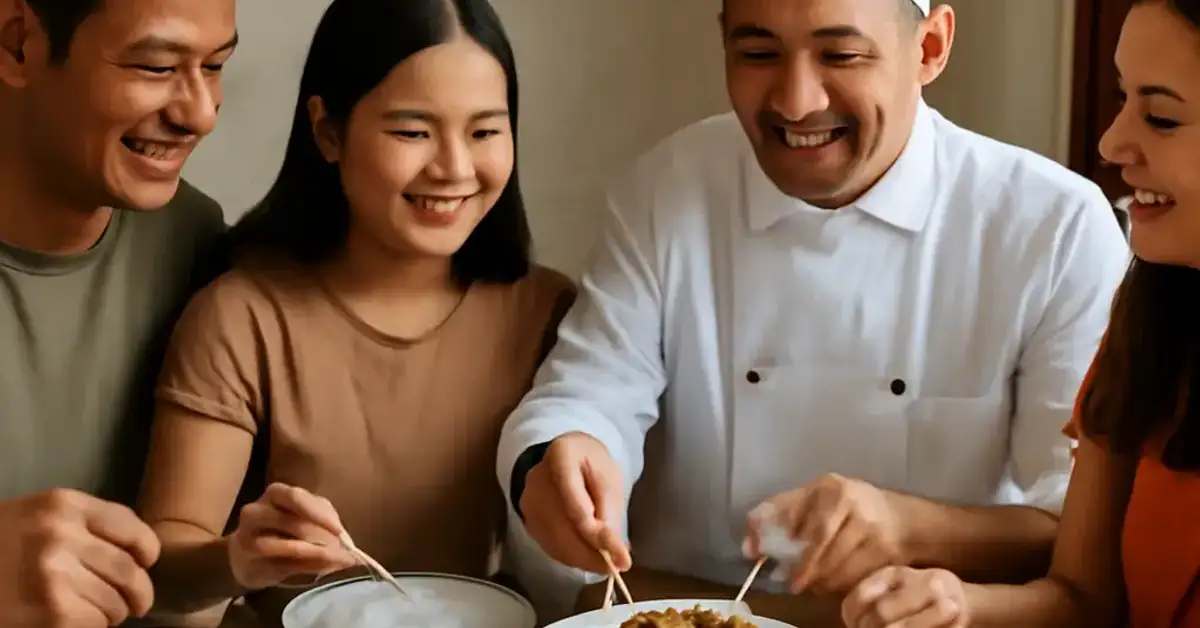
During my childhood, weekends meant one thing: the whole clan would gather, and the women would start wrapping kakanin while the men tended the charcoal. The act of cooking together dissolved generational hierarchy—children peeled garlic, grandparents told anecdotes, and in that fragrant chaos, relationships were built. I replicate this spirit at Kilig Filipino Warung by inviting guests to join the prep; it transforms eating into an intimate family gathering even among strangers.
Modern psychological studies affirm what Filipino families always knew: shared meals and collaborative cooking lower stress and reinforce belonging. The kitchen becomes a classroom for emotional intelligence, disguised as a filipino food culture workshop.
3. Sunday Family Meals and the Sacred Ritual of Sharing
Sunday lunch in a Filipino household is non-negotiable. The table brims with rice dishes, a steamy bowl of sinigang, and perhaps lechon on special occasions. Everyone waits for the eldest to serve first—an unbroken gesture of respect. These family meals are the weekly stitching that keeps family traditions intact, turning home cooking into the day’s main event.
I’ve seen how displacement affects families abroad. Yet Filipino mothers in Milan or Dubai still orchestrate Sunday family gatherings around a pot of adobo, proving that Family Traditions Preserved Through Filipino Cooking are portable—they fit in a pocket, ready to recreate home wherever there’s a stove.
4. Fiesta Feasts and Communal Food Preparation
Every town in the Philippines has a patron saint, and with it, a fiesta. Preparation begins days in advance: whole pigs are slaughtered for lechon, neighbors roll lumpia by the hundreds, and pancit is cooked in vats. This collective food preparation is a masterclass in Filipino hospitality—doors are wide open, strangers are welcome, and no one leaves without a plate.
Fiestas function as a living museum of filipino culinary traditions. Recipes that would otherwise fade resurface once a year because they are tied to celebration. I’ve imported this philosophy to Bali, where my pop-up fiestas introduce guests to the communal joy of shared meals that define Filipino food heritage.
5. Christmas Food Traditions and Noche Buena
No Filipino home skips Noche Buena. After midnight mass, families sit down to holiday meals that feature bibingka and puto steaming in banana leaves, sweet kakanin like biko, and a whole lechon if budget allows. These dishes are not optional; they are seasonal anchors that pull migrants home. My own strongest memories involve the smell of burning coconut husks under puto molds while my mother hummed carols.
Christmas food traditions teach food preservation techniques too: dried fish, candied fruits, and bottled lechon sauce are prepared weeks ahead, each step a lesson in planning and patience. This is how recipe inheritance survives—by tying flavor to the highest emotional calendar of the year.
6. Traditional Cooking Methods and the Art of Food Preservation
Long before refrigeration, Filipino grandmothers mastered food preservation: fermenting fish into bagoong, curing pork into tocino, or sun-drying squid. These methods are traditional cooking methods that persist because they amplify flavor and tell a story of resourcefulness. When I teach my cooks to ferment young rice for burong isda, I’m not just sharing a recipe—I’m passing on a filipino culinary heritage that resisted colonization and modernization alike.
Using clay pots, open-fire grilling, and banana-leaf steaming also connects us to local ingredients and ancestral terroir. These technologies are not obsolete; they are the reason family recipes maintain their distinctive edge.
7. Regional Specialties That Shape Family Identity
My personal culinary DNA is a collage: I inherited the sourer sinigang of my mother’s Batangas clan and the coconut-rich kakanin of my father’s Quezon roots. Each regional specialty becomes a pillar of identity. When a family moves, they carry that specificity with them—the Ilonggo pancit molo, the Cebuano lechon belly, the Kapampangan sisig. Preserving these dishes means preserving the dialect of taste that belongs to a single municipality.
For younger Filipinos, understanding regional specialties helps answer “where do we come from?” in a way geography alone cannot. I encourage every home cook to interview their elders about hometown rice dishes and local ingredients, because those stories are fragile libraries.
8. Filipino Hospitality Expressed Through Shared Meals
“Kain na tayo” (let’s eat) is the quintessential Filipino phrase, and it’s never a solo affair. Filipino hospitality insists that food must be offered to anyone who crosses the threshold—neighbors, the mail carrier, unexpected guests. This radical generosity turns every meal into a family gathering, even if you’re a thousand miles from kin.
In my Ubud kitchen, I train the staff to treat every diner as an extended family member. That means sharing the story behind the adobo, pouring broth like a grandmother would, and never rushing the experience. Through these shared meals, the tradition of Filipino hospitality becomes a daily revival of filipino cultural traditions.
How Family Traditions Preserved Through Filipino Cooking Empower Modern Kitchens
Many young Pinoys worry that ancestral recipes will disappear in the age of instant pots and meal delivery. Yet I see the opposite: technology can document family recipes through voice recordings and video, while modern tools can streamline home cooking without sacrificing soul. The key is intentionality—choosing to replicate lola’s traditional cooking methods even if you start with a simplified version.
When filipino family meals evolve, they don’t betray heritage; they prove that filipino food culture is alive. Adding kale to sinigang or air-frying lumpia doesn’t erase tradition—it adapts it for a new generation while keeping the core values of family meals and recipe inheritance intact.
Useful Resources
Deepen your appreciation for Filipino cooking and its heritage with these expert references:
- TasteAtlas: Filipino Cuisine Guide — a comprehensive map of regional specialties, ingredients, and iconic dishes.
- National Commission for Culture and the Arts – Culinary Arts — authoritative articles on Filipino food heritage and Philippine cuisine preservation.
Frequently Asked Questions About Family Traditions Preserved Through Filipino Cooking
What Filipino family traditions are preserved through cooking?
Cooking together, Sunday family meals, fiesta feasts, Noche Buena, and the ritual of passing down heirloom recipes are core traditions. These practices embed family values, shared meals, and Filipino hospitality into daily life, ensuring that filipino cultural traditions survive across generations.
How do Filipino families pass recipes from one generation to another?
Typically through hands-on food preparation and tasting rather than written cards. Children learn by watching grandparents adjust seasonings for adobo or sinigang, absorbing techniques and instincts that formalize into recipe inheritance over time.
Why is home cooking important to Filipino cultural identity?
Home cooking is the primary vessel for family traditions because it recreates the flavors of childhood, expresses regional roots, and reinforces the communal nature of filipino food culture. It turns ingredients into a statement of belonging.
How do grandparents and parents teach traditional cooking techniques?
They use demonstration and storytelling. While stirring pancit or pressing puto molds, elders explain why techniques like slow braising or fermenting matter. This oral-motor apprenticeship is the oldest filipino cooking tradition.
What role do family meals play in preserving Filipino traditions?
Family meals act as weekly rehearsals of culture: they teach respect for elders, the importance of sharing, and the narrative behind each dish. They are the glue that holds filipino family traditions together, especially in diaspora.
How do fiestas and holidays help keep Filipino food customs alive?
Fiestas and holiday meals force periodic revival of labor-intensive recipes like lechon, kakanin, and pancit. The communal preparation and shared consumption reinforce Filipino hospitality and ensure these filipino culinary traditions don’t fade.
Which traditional dishes are commonly connected to family memories?
Adobo, sinigang, pancit, lechon, kakanin, bibingka, and puto top the list. Each dish is a sensory trigger—whether it’s the tang of vinegar in adobo or the smoky sweetness of bibingka at Christmas—that transports people back to family gatherings.
How do regional ingredients and cooking methods become part of family heritage?
When a family consistently uses local ingredients like Ilocos bagoong or Bicol santol and cooks them via traditional cooking methods, those choices become identity markers. Over generations, they turn into regional specialties that define a clan’s unique taste profile.
How can younger Filipinos preserve ancestral recipes in modern kitchens?
They can document ancestral recipes on video, adapt food preservation techniques with modern tools, and intentionally cook family recipes regularly. The goal is not rigid replication but keeping the essence of filipino home cooking alive in any era.
How does Filipino cooking help families maintain cultural connections?
It provides a tangible, sensory bridge. For families abroad, preparing rice dishes, sinigang, or adobo is a daily ritual of homecoming that strengthens relationships and preserves filipino cultural traditions across continents.
What is the significance of adobo in Filipino family traditions?
Adobo is often the first dish a child learns. Its vinegar base and endless variations make it a symbol of adaptability and family recipes—each version tells a story of a specific kitchen, a specific lola.
How does sinigang reflect Filipino culinary heritage?
Sinigang showcases the Filipino palate for sourness and the use of local ingredients like tamarind, guava, or calamansi. It’s a comfort food that crosses economic lines, always served in family meals to evoke warmth and togetherness.
Why is pancit a staple at Filipino gatherings?
Pancit symbolizes long life and is served at birthdays, fiestas, and New Year celebrations. Its preparation is often communal, reinforcing the cooking together spirit and filipino hospitality at every family gathering.
What role does lechon play in Filipino food culture?
Lechon is the centerpiece of grand family gatherings and fiestas. The process of roasting a whole pig is a community event that embodies Filipino hospitality and marks the highest form of celebration in filipino food culture.
How do rice dishes tie into Filipino tradition?
As a staple, rice dishes anchor every meal—from sinangag (garlic fried rice) for breakfast to suman for ceremonies. They represent sustenance and are often the base for food preservation and flavorful home cooking.
What are common food preservation techniques in Filipino cooking ?
Fermenting (bagoong, burong isda), curing (tocino, tapa), sun-drying (daing), and pickling (atchara) are key food preservation methods. They extend shelf life while intensifying flavor, a wisdom passed down through traditional cooking methods.
How does Filipino hospitality manifest through food?
Filipino hospitality is expressed by offering food to anyone, insisting guests eat more, and preparing more than is needed. This generosity transforms every meal into a shared meal and cements family traditions in daily life.
Can traditional Filipino cooking be adapted for health-conscious diets?
Absolutely. You can use leaner cuts in adobo, add more vegetables to sinigang, and steam kakanin with less sugar. The recipe inheritance remains because the soul—shared meals and respectful technique—stays unchanged.
How do overseas Filipino families keep food traditions alive?
Through Sunday potlucks, importing local ingredients, and teaching children home cooking rituals. Many recreate holiday meals and fiestas abroad, using community as the vessel for filipino culinary heritage.
Why is Filipino food culture called one of Asia’s most underrated?
Because its complexity—layered sour, sweet, salty profiles and intricate kakanin—is often overshadowed by neighbors. Yet insiders know that filipino food history is a rich tapestry of indigenous, Malay, Chinese, and Spanish influences, making it a vibrant gastronomy worth exploring.
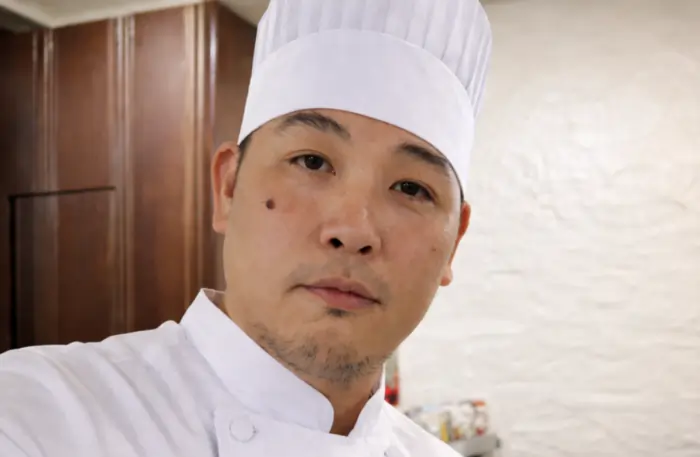
Chef Juan Gadi brings the heart of Filipino hospitality to Ubud, Bali. As an Executive Chef and consultant, he specializes in creating intimate, curated dining experiences that tell a story through every dish. Whether leading the kitchen at Kilig Filipino Warung or hosting a private villa dinner, Chef Juan’s approach is defined by warmth, modern technique, and a commitment to culinary excellence.