Filipino Food Experiences Travelers Love in Bali Key Takeaways
Filipino Food Experiences Travelers Love in Bali center on authentic warung dining, private chef-hosted dinners, pop-up street food events, and creative fusion dishes that blend coconut-rich Filipino flavors with Balinese island ingredients.
- Filipino Food Experiences Travelers Love in Bali include dining at Kilig Filipino Warung, private villa dinners, and pop-up street food markets featuring adobo, sinigang, and lechon.
- Filipino food in Bali restaurants like Kilig and Bamboo Balcony serve authentic dishes with local Balinese twists, using fresh coconut, turmeric, and lemongrass.
- Travel food experiences Southeast Asia are enriched by Filipino comfort food, which appeals to travelers seeking familiar flavors and cross-cultural culinary discovery.
What Makes Filipino Food Experiences Travelers Love in Bali So Special
As an Executive Chef and consultant based in Ubud, Bali, I have seen firsthand how Filipino Food Experiences Travelers Love in Bali create a bridge between two island cultures that share a deep love for rice, coconut, and bold flavors. Filipinos traveling or living in Bali often crave the sour tang of sinigang, the garlicky punch of adobo, or the creamy richness of coconut-based dishes like laing and ginataan. But Bali is not just a second home for Filipino cuisine — it is also a place where these dishes evolve, absorbing the tropical spices and cooking techniques of Indonesia. For a related guide, see 8 Filipino Flavors That Make Bali More Special.

Every time I prepare a private villa dinner or lead the kitchen at Kilig Filipino Warung, I see the same reaction: a smile of recognition, a moment of nostalgia, and then curiosity about how a dish like chicken inasal can taste so natural paired with Balinese sambal matah. That is the magic of Filipino cuisine abroad popularity — it is both familiar and adventurous.
Discover the 10 Filipino Food Experiences Travelers Love in Bali
Below are ten distinct experiences that define Filipino Food Experiences Travelers Love in Bali. Each one offers a unique way to enjoy Filipino dishes for travelers Indonesia, from warung lunches to sunset beach pop-ups.

1. Dining at Kilig Filipino Warung — The Heart of Ubud
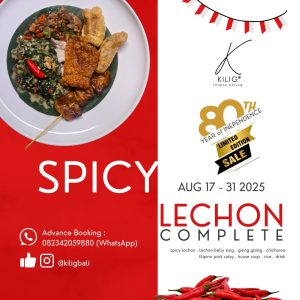
Kilig Filipino Warung is the most recognized name in Filipino food in Bali restaurants. Located in the artsy Ubud district, this intimate warung serves classic Filipino comfort food: adobo, sinigang, sisig, and kare-kare. The atmosphere is warm, with wooden tables and soft lighting that reminds you of a family kitchen. For travelers seeking comfort food for Filipino travelers, Kilig is a must-visit.
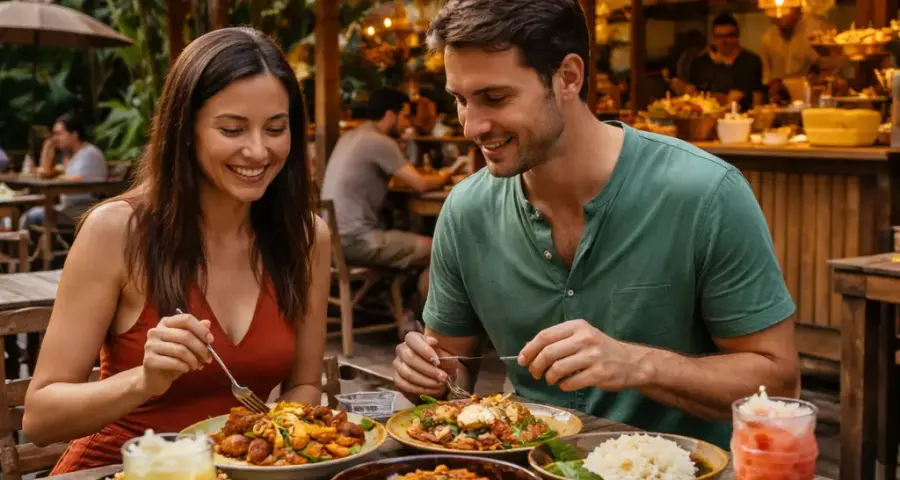
The menu changes seasonally, often featuring coconut based Filipino dishes travel favorites like ginataang kalabasa and laing. Pair your meal with a cold San Miguel beer or a fresh calamansi juice.
2. Private Villa Dinners with Chef Juan Gadi
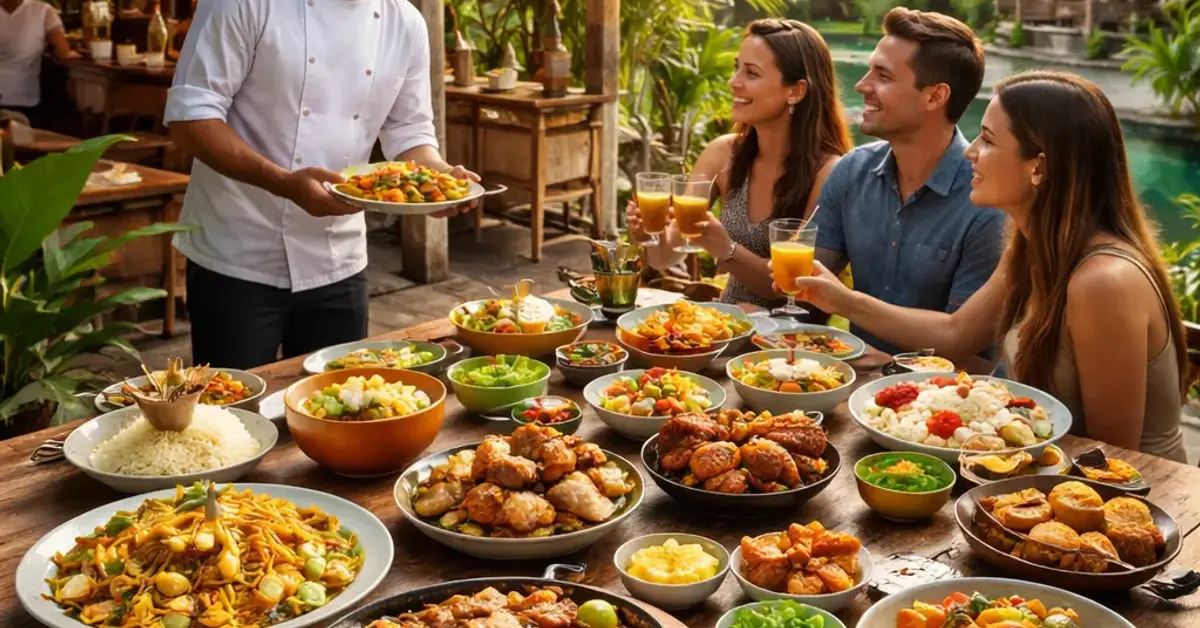
For those who want an exclusive experience, I host private villa dinners in Ubud and surrounding areas. These curated evenings are designed around the guest’s preferences — whether it is a lechon feast, a seafood sinigang, or a vegetarian set menu featuring coconut based Filipino dishes travel options. Each dish tells a story, often incorporating local Balinese ingredients like long beans, snake fruit, and wild turmeric. For a related guide, see 10 Heritage Dishes Every Filipino Must Definitely Know.
This is the ultimate island cuisine food experiences because it combines Filipino culinary identity with the best of Bali’s tropical produce. Many travel bloggers and food vloggers have featured these dinners, highlighting how Filipino flavors in tropical destinations shine in such settings.
3. Street Food Pop-Ups at Bali Markets
Bali’s bustling night markets, like Gianyar Night Market and Sanur Night Market, occasionally host Filipino street food pop-ups. Here, you can find Filipino snacks and meals overseas such as fish balls, kikiam, turon, and barbecue skewers. These pop-ups are a reminder of the vibrant street food culture Bali Philippines share — both love grilled meats, sweet sticky rice, and fried treats.
For travelers, these markets offer an affordable and authentic way to enjoy travel food experiences Southeast Asia. The energy of the crowd, the sizzling grills, and the scent of banana cue make it unforgettable.
4. The Bamboo Balcony Brunch — Filipino-Indonesian Fusion
At Bamboo Balcony, a hidden gem in Canggu, you can enjoy brunch with a Filipino twist. The chef here experiments with Southeast Asian fusion food experiences, combining Filipino tocino (sweet cured pork) with Balinese lawar (spiced coconut and vegetable mix). The result is a plate that feels both new and familiar.
This spot is popular among expats and digital nomads who crave Filipino cuisine abroad popularity but also want to explore local ingredients. It is an excellent example of how Filipino food in Bali restaurants can evolve without losing its soul.
5. Lechon Roasts at Villa Parties
Lechon, the iconic roasted pig, is a centerpiece of Filipino celebrations. In Bali, several catering services and private chefs offer lechon for villa parties, weddings, and group gatherings. The pig is slow-roasted over charcoal, with crispy skin and succulent meat that draws crowds of travelers and locals alike.
These lechon events are a highlight of Bali tourism food culture for Filipino groups, but they also attract international travelers curious about Filipino dishes for travelers Indonesia. The communal experience of eating lechon with dipping sauces like liver sauce and spicy vinegar is genuinely joyful.
6. Halo-Halo at Beachside Cafés
On a hot Bali afternoon, nothing beats a bowl of halo-halo. Several cafés in Seminyak and Ubud now serve this beloved Filipino dessert — crushed ice layered with sweet beans, jackfruit, leche flan, ube ice cream, and toasted coconut. It is the perfect comfort food for Filipino travelers missing home.
These cafés often add a Balinese twist, such as using local palm sugar syrup or topping with roasted coconut flakes. It is a sweet example of cross cultural food experiences Bali.
7. Sinigang by the Rice Fields
Imagine sitting on a bamboo platform overlooking a lush rice terrace, holding a bowl of hot sinigang. Several warungs in Tegallalang and Sidemen now offer Filipino-style sour soup, often made with fresh local fish, tamarind, and vegetables. This experience feels like the ultimate travel food experiences Southeast Asia — nature, culture, and flavor in one bowl.
For me as a chef, sinigang is a dish that embodies Filipino flavors in tropical destinations. The sourness echoes the bright citrus of calamansi, while the broth absorbs the sweetness of Balinese tomatoes.
8. Filipino Cooking Classes in Ubud
For travelers who want to take a piece of Filipino culinary identity abroad home, cooking classes are a popular choice. Several cooking schools in Ubud now offer Filipino modules, teaching participants how to make adobo, lumpia, and chicken inasal. These classes often include a market tour where students learn about local herbs and spices.
These classes are part of the broader cultural food tourism ASEAN trend, where visitors not only eat but also learn the stories behind the dishes.
9. Pop-Up Kamayan Feasts
Kamayan, the Filipino tradition of eating with hands on banana leaves, is a spectacle that Bali loves. Pop-up kamayan feasts are organized by private chefs and community groups, often in beachside locations or villa gardens. The spread typically includes grilled seafood, roasted pork, mango salsa, and garlic rice — all laid out on banana leaves.
This is one of the most memorable Filipino Food Experiences Travelers Love in Bali, as it merges the sensory joy of eating with the warmth of Filipino hospitality. For travel bloggers and food vloggers, it is also an Instagram-worthy moment that perfectly captures Filipino cuisine abroad popularity.
10. Homemade Comfort Food Delivery Services
Several Filipino-run businesses in Bali offer home delivery of frozen or ready-to-eat Filipino meals. From frozen lumpia to vacuum-sealed adobo, these services cater to expats and long-stay travelers who miss home-cooked comfort food for Filipino travelers. Some even offer subscriptions for weekly meal plans.
This practical service is a testament to how Filipino food in Bali restaurants and home kitchens alike are meeting the demand for authentic flavors in a foreign land.
How Filipino Cuisine Fits Into Bali Food Culture
Bali tourism food culture is deeply rooted in fresh produce, rice, and tropical flavors. When Filipino food arrives on the island, it finds a natural home. Both cuisines love coconut milk, ginger, lemongrass, and chili. Both celebrate communal dining and generous hospitality. That is why Filipino Food Experiences Travelers Love in Bali feel so seamless — they do not clash with local traditions; they complement them. For a related guide, see 10 Authentic Filipino Foods That Belong on Bali Beaches.
In my kitchen, I often use Balinese sea salt, locally grown turmeric, and small-farm vegetables to recreate Filipino dishes. This approach respects both cultures and creates a new layer of flavor.
Useful Resources
For more information about Filipino food in Bali and Southeast Asian food tourism, check out these resources:
- Bali Tourism Office — Official guide to Bali’s food festivals and culinary events.
- ASEAN Tourism — Learn about cross-cultural food tourism initiatives across Southeast Asia.
Conclusion: The Culinary Bridge Between Filipino and Balinese Food Culture
Filipino Food Experiences Travelers Love in Bali are more than just meals — they represent a cultural dialogue between two island nations that share warmth, hospitality, and a love for bold flavors. Whether you are a homesick Filipino traveler, a curious foodie, or a travel blogger looking for your next story, Bali offers a growing array of Filipino dining spots, pop-ups, and private chef experiences that deliver comfort and discovery in every bite.
As I continue to serve Filipino dishes in the heart of Ubud, I am reminded that food is the most honest translator of culture. It does not need words — it needs taste, memory, and the act of sharing. That is the essence of Filipino Food Experiences Travelers Love in Bali, and I invite you to be part of it.
Frequently Asked Questions About Filipino Food Experiences Travelers Love in Bali
What Filipino food experiences can travelers enjoy in Bali?
Travelers can enjoy dining at Kilig Filipino Warung, private villa dinners hosted by chefs like Juan Gadi, street food pop-ups at local markets, kamayan feasts, halo-halo at beachside cafés, and Filipino cooking classes in Ubud.
Where can I find Filipino food in Bali?
Kilig Filipino Warung in Ubud and Bamboo Balcony in Canggu are popular Filipino food in Bali restaurants. You can also find pop-ups at Gianyar Night Market and private villas offering catering services.
Why do Filipino dishes appeal to tourists in Bali?
They offer familiar comfort for Filipino travelers and exciting new flavors for international tourists. The use of coconut, vinegar, and tropical ingredients aligns perfectly with Bali’s island cuisine food experiences.
What Filipino meals are popular among travelers in Indonesia?
Adobo, sinigang, lechon, sisig, and halo-halo are the most requested Filipino dishes for travelers Indonesia. These dishes travel well and adapt to local ingredients.
How does Filipino cuisine fit into Bali food culture?
Both cuisines share a love for rice, coconut, tropical vegetables, and communal dining. Bali tourism food culture embraces Filipino food as a natural extension of its own culinary landscape.
What are must try Filipino food experiences abroad?
Dining at a warung that serves home-style adobo, attending a kamayan feast, and trying fusion dishes like tocino with lawar are must try Filipino food experiences abroad especially in Bali.
How do Filipino flavors blend with Balinese dining experiences?
Chefs use local ingredients such as Balinese long beans, turmeric, and snake fruit to recreate Filipino dishes. This creates a unique Southeast Asian fusion food experiences that honors both traditions.
What makes Filipino food comforting for travelers in Bali?
The familiar flavors of garlic, vinegar, soy sauce, and coconut remind Filipino travelers of home. For others, the warmth of the dishes and the hospitality of the chefs provide comfort food for Filipino travelers and everyone else.
Are there Filipino restaurants or pop ups in Bali?
Yes. Kilig Filipino Warung is a permanent restaurant, and there are regular pop-ups at events like the Ubud Food Festival and Gianyar Night Market that feature Filipino snacks and meals overseas.
What food experiences connect Filipinos and travelers in Bali?
Kamayan feasts, lechon parties, and cooking classes are social experiences that bring people together. They highlight the cultural food tourism ASEAN spirit of sharing and celebration.
Is Filipino food halal-friendly in Bali?
Many Filipino food in Bali restaurants offer halal-certified options, especially for chicken and seafood dishes. Always check with the restaurant or chef for specific dietary needs.
Can I learn to cook Filipino food in Bali?
Yes. Cooking schools in Ubud offer Filipino modules. You can also book private classes with chefs like Juan Gadi to learn Filipino culinary identity abroad.
What Filipino street food is available in Bali?
Fish balls, kikiam, turon, banana cue, and barbecue skewers are common at pop-ups. These reflect the street food culture Bali Philippines share.
Are there Filipino desserts in Bali?
Yes. Halo-halo, leche flan, ube cake, and turon are available at Filipino-friendly cafés and dessert shops. They bring Filipino flavors in tropical destinations to sweet lovers.
Do travel bloggers recommend Filipino food in Bali?
Many travel bloggers Filipino food Bali features highlight Kilig, private villa dinners, and kamayan feasts. These experiences often go viral on social media for their visual appeal and storytelling.
What is the best time to try Filipino food in Bali?
Anytime, but the Ubud Food Festival (typically held in April or May) features Filipino chefs and pop-ups. Evening market visits are also great for travel food experiences Southeast Asia.
Is Filipino food expensive in Bali?
Prices vary. Warung meals are affordable (IDR 30,000–60,000), while private villa dinners and kamayan feasts cost more. Overall, Filipino cuisine abroad popularity keeps prices reasonable for most travelers.
Can I find vegan Filipino food in Bali?
Yes. Dishes like ginataang kalabasa, pinakbet, and vegetable lumpia are naturally vegan. Many restaurants also adapt coconut based Filipino dishes travel for plant-based diets.
What makes Filipino food different from Indonesian food?
Filipino cuisine uses more vinegar, soy sauce, and garlic, while Indonesian cuisine relies heavily on kecap manis, peanuts, and coconut. Both are rich and tropical, but their Filipino flavor profile travel is distinctly sour and savory.
How can I book a private Filipino dinner in Bali?
You can contact chefs like Juan Gadi directly via social media or through Kilig Filipino Warung. Private dinners are perfect for those seeking an intimate Filipino Food Experiences Travelers Love in Bali.
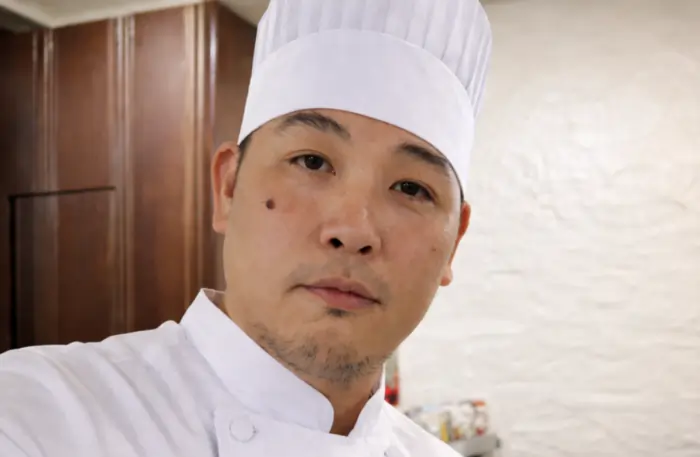
Chef Juan Gadi brings the heart of Filipino hospitality to Ubud, Bali. As an Executive Chef and consultant, he specializes in creating intimate, curated dining experiences that tell a story through every dish. Whether leading the kitchen at Kilig Filipino Warung or hosting a private villa dinner, Chef Juan’s approach is defined by warmth, modern technique, and a commitment to culinary excellence.