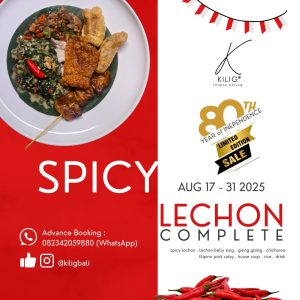

How Bali Travelers Discover Filipino Comfort Foods Key Takeaways
Travelers in Bali increasingly encounter Filipino comfort foods through expat-led dinners, pop-up kitchens, and word-of-mouth recommendations within digital nomad circles.
- How Bali Travelers Discover Filipino Comfort Foods happens organically through Filipino expat communities, private home cooking invitations, and multicultural food events in Canggu, Ubud, and Seminyak.
- Dishes like Adobo, Sinigang, Pancit, Lumpia, and Halo-Halo are the most common gateways because of their balanced sweet, savory, and sour profiles.
- Social media platforms and food-focused Facebook groups amplify discovery, making Filipino cuisine a rising star in Bali’s diverse food scene.

What Makes Filipino Comfort Food So Discoverable in Bali
Bali has long been a magnet for travelers seeking tropical beauty, spiritual retreats, and world-class dining. But beneath the surface of smoothie bowls and nasi campur lies a quieter food revolution. How Bali Travelers Discover Filipino Comfort Foods is a story of migration, community, and palate evolution. Filipino expatriates, many of whom work in hospitality, creative industries, or remote tech jobs, have brought their home kitchen traditions to the island. They host intimate dinners, participate in food festivals, and open small-scale eateries that serve dishes rarely found in Indonesian warungs. For a related guide, see 7 Filipino Food Moments That Enhance Bali Vacations.
Unlike Thai or Vietnamese cuisine, which are already mainstream globally, Filipino food is still an underdog. That underdog status makes discovery feel special—a hidden gem that you unlock through personal connections. Travelers who stumble upon a bowl of steaming Sinigang or a plate of garlic-rich Adobo often describe the experience as a “taste of home” even if they have never been to the Philippines. The Filipino comfort food Bali scene thrives because it satisfies a universal craving: the need for honest, slow-cooked meals that nurture the soul.
Bali Food Experiences That Lead to Filipino Cuisine
Bali food experiences have evolved far beyond beachside barbecues and Instagram-worthy brunches. Today, food tourists actively seek out authentic, home-style meals that reflect the stories of the people who cook them. Filipino food fits perfectly into this narrative.
Private Home Dining and Supper Clubs
Several Filipino expats host weekly supper clubs in their rented villas, especially in the Canggu and Pererenan area. Guests pay a fixed price for a multi-course meal that includes Lumpia Shanghai as a starter, Chicken Adobo with steamed rice, and Halo-Halo for dessert. These evenings are intimate—often capped at ten to twelve people—and allow travelers to ask questions about ingredients, cooking techniques, and the cultural meaning behind each dish. This is one of the most powerful ways How Bali Travelers Discover Filipino Comfort Foods because it turns strangers into temporary family.
Pop-Up Dining Events
Filipino pop-up dining events are now a regular feature in Bali’s culinary calendar. Organizations like “Sarap Bali” and “Kain Na!” organize monthly pop-ups at co-working spaces, yoga studios, and art galleries. These events attract a mixed crowd of Filipinos, expats from other countries, and curious tourists. Menus change seasonally but always highlight classic dishes alongside modern interpretations, such as Adobo-flavored tacos or Sinigang ramen. These innovations introduce Filipino flavors to people who might otherwise never try them.
Multicultural Restaurants with Filipino Specials
Some restaurants in Seminyak and Ubud have started adding Filipino specials to their menus, recognizing the growing demand. For example, a Southeast Asian fusion restaurant might offer a Pancit bowl as a lunch special, or a dessert bar might feature Ube (purple yam) ice cream. These crossover dishes act as a gentle introduction to Filipino cuisine abroad without requiring diners to commit to a fully unfamiliar meal.
The Key Dishes That Define Filipino Comfort Food
To understand How Bali Travelers Discover Filipino Comfort Foods, you need to know which dishes do the heavy lifting. Five classics stand out as the most effective ambassadors.
| Dish | Core Flavor Profile | Why It Appeals to Travelers |
|---|---|---|
| Adobo | Savory, tangy, garlicky | Similar to braised pork or chicken dishes found globally, but with a distinctive vinegar lift that surprises the palate. |
| Sinigang | Sour, savory, umami-rich | Tamarin-based broth is refreshing and comforting, especially in Bali’s tropical heat. Comparable to tom yum or sour soups. |
| Pancit | Savory, lightly sweet, veggie-forward | Stir-fried noodles feel familiar to anyone who has eaten chow mein or pad Thai, but the calamansi (citrus) finish makes it unique. |
| Lumpia | Crispy, savory, slightly sweet | Spring rolls are a universally loved finger food. Lumpia’s thinner wrapper and pork-vegetable filling stand apart. |
| Halo-Halo | Sweet, creamy, texturally complex | A cold dessert with shaved ice, beans, jellies, and ice cream—perfect for Bali’s climate. Its colorful presentation drives social media sharing. |
These dishes are often referred to collectively as Adobo Sinigang Pancit by travelers who may not remember the precise names but remember the flavors. They represent a complete comfort food experience: something savory, something sour, something crunchy, and something sweet. For many international tourists, this quartet is their first genuine introduction to Filipino dishes overseas. For a related guide, see Why Bali Feels Perfect for Meaningful Dining Moments.
How Digital Nomad Food Culture Accelerates Discovery
Bali is one of the world’s top destinations for digital nomads, and this community has a distinct food culture. Digital nomad food culture is built on shared meals at co-working cafes, group cooking classes, and potluck dinners where everyone brings a dish from their home country. Filipino expats who join these circles often bring Adobo or Pancit, and the reaction is almost always enthusiastic.
The nomad lifestyle also creates a craving for international comfort food—because living out of a suitcase, even a stylish one, can be exhausting. A bowl of Sinigang after a long day of video calls and time zone juggling hits differently. How Bali Travelers Discover Filipino Comfort Foods within this context is less about marketing and more about genuine human connection. Someone says, “I’ll cook dinner at my place on Friday,” and word spreads through WhatsApp groups and Slack channels.
Facebook and Telegram Communities
Groups like “Filipinos in Bali” and “Bali Foodies” are goldmines for food discovery. Members post announcements about home-cooked meal deliveries, pop-up schedules, and shared tables. A traveler can join a group on Monday and be eating freshly cooked Adobo by Wednesday. These platforms are the backbone of cultural food exchange on the island.
Why Filipino Cuisine Stands Out in Southeast Asian Comfort Food
Southeast Asian comfort food is a crowded category. Thailand has boat noodles, Vietnam has pho, Malaysia has laksa, and Indonesia itself has soto and bakso. Yet Filipino cuisine holds a distinct position because of its unique balance of sweet, savory, and sour—a trio that is less common in neighboring cuisines.
Filipino home cooking uses ingredients like vinegar, soy sauce, garlic, and calamansi to create dishes that are simultaneously tangy and rich. This flavor architecture appeals to a wide range of international palates because it avoids the extremes of very spicy (common in Indonesia) or very sweet (common in Thai street food). How Bali Travelers Discover Filipino Comfort Foods often begins with a single taste test at a community dinner: the initial skepticism gives way to pleasant surprise, then to second helpings. For a related guide, see Why Filipino Food Appeals to International Travelers.
Bali Culinary Tourism Meets Filipino Home Cooking
Bali culinary tourism is a maturing industry. Cooking classes, market tours, and food tours are standard offerings, but most focus on Balinese cuisine. A new niche is emerging: travelers specifically seeking Filipino home cooking experiences. These are not merely cooking classes—they are cultural immersion sessions that explain how Filipino food is tied to family gatherings, fiestas, and the concept of “salo-salo” (eating together).
Some Filipino expats now offer private cooking sessions in their homes. For a fee, guests learn to make Adobo, Pancit, and even desserts like Leche Flan. These sessions are especially popular among food travel experiences seekers who want depth, not just a meal checklist. The experience includes insight into why certain ingredients are used, how dishes vary by region in the Philippines, and what the food says about Filipino identity. This kind of authentic engagement is exactly what modern food tourists crave.
Comparing Filipino Comfort Food with Indonesian Comfort Food
For travelers in Bali, comparing Filipino food with Indonesian food is inevitable. Both archipelagos share ingredients like coconut, rice, and tropical fruits, but the flavor philosophies differ. Indonesian comfort food tends toward complex spice blends (bumbu) and coconut-based richness, whereas Filipino comfort food leans into acidity and saltiness. A traveler might love both, but Filipino food often feels lighter and more approachable for those unaccustomed to strong spices.
Dishes like Adobo Sinigang Pancit don’t require an acquired taste—they rely on universally beloved umami and tang. This makes Filipino cuisine abroad an easy sell in a place like Bali, where tourists are already open to exploration but wary of dishes that might be too foreign.
Practical Tips for Travelers Seeking Filipino Food in Bali
If you are reading this as a future Bali traveler and you want to experience Filipino food firsthand, here are actionable steps.
Join Expat Food Communities Before You Arrive
Start by joining Facebook groups like “Filipinos in Bali” or “Bali Food, Drink, and Nightlife.” Introduce yourself and ask about upcoming Filipino meals. Expat food communities are incredibly welcoming to newcomers, especially if you express genuine interest.
Search for Pop-Up Events
Use Instagram to follow handles like @sarapbali and @kainanbali. These accounts post schedules for Filipino pop-up dining events. Many take place in Canggu, but pop-ups also occur in Ubud and Sanur. Reserve in advance because space is limited.
Visit Filipino-Run Cafes and Eateries
Several small businesses run by Filipinos operate in Bali. For instance, “Kusina Bali” in Canggu serves daily lunch specials like Pork Sinigang and Beef Caldereta. “Island Flavors” in Seminyak offers a mix of Indonesian and Filipino dishes. These are reliable sources of Filipino comfort food Bali without needing an invitation.
Attend a Cooking Class
Look for Filipino cooking classes on platforms like Airbnb Experiences. Many are hosted by Filipino expat chefs who take you to a local market first, then cook in their home kitchen. This is one of the most immersive Bali food discovery experiences you can have.
Ask at Co-Working Spaces
If you work from co-working spaces like Dojo Bali or Outpost, ask fellow nomads if they know of any Filipino home cooking deliveries. Word-of-mouth within digital nomad food culture is fast and reliable.
Useful Resources
For deeper exploration of Filipino cuisine and its global reach, check out these credible sources:
- Gourmet Traveller: Why Filipino Food Is Having Its Moment — an insightful article on the global rise of Filipino cuisine, including the role of expat communities in cities like Bali.
- Lonely Planet: The Rise of Filipino Cuisine — a travel-focused piece that highlights how Filipino dishes are finding new audiences worldwide, with references to pop-ups and diaspora cooking.
Frequently Asked Questions About How Bali Travelers Discover Filipino Comfort Foods
How do travelers in Bali discover Filipino comfort foods?
Travelers discover Filipino comfort foods primarily through expat-hosted dinners, pop-up dining events, and word-of-mouth within digital nomad and foodie communities on Facebook and Instagram.
Where can tourists find Filipino food in Bali?
Tourists can find Filipino food at pop-up events in Canggu and Ubud, at restaurants like Kusina Bali and Island Flavors, through private home cooking sessions, and via delivery services advertised in expat Facebook groups.
What Filipino dishes are popular among travelers?
The most popular dishes among travelers are Adobo, Sinigang, Pancit, Lumpia, and Halo-Halo. These five offer a balance of savory, sour, crunchy, and sweet flavors that appeal to international palates.
Why is Filipino comfort food appealing to tourists in Bali?
It appeals because the flavors are approachable yet distinctive—savory with a tangy kick from vinegar or tamarind. It does not rely on extreme spice, making it a comfortable entry point into Southeast Asian cuisine.
Are there Filipino restaurants or pop-up kitchens in Bali?
Yes. While few standalone Filipino restaurants exist, pop-up kitchens like Sarap Bali and Kain Na! operate regularly. Some fusion restaurants in Seminyak also feature Filipino specials on their menus.
How do expats introduce Filipino cuisine to visitors?
Expats introduce Filipino cuisine by hosting private dinners, bringing dishes to co-working potlucks, offering home cooking classes, and posting on community boards about available home-cooked meals for delivery.
What dishes represent Filipino comfort food culture?
Adobo, Sinigang, Pancit, Lumpia, Halo-Halo, Kare-Kare, and Leche Flan represent the core of Filipino comfort food culture. They are everyday meals that evoke nostalgia and family gatherings.
How does Filipino food compare with Indonesian comfort food?
Indonesian comfort food often uses rich spice pastes (bumbu) and coconut milk, while Filipino food emphasizes acidity (vinegar, calamansi, tamarind). Filipino dishes feel lighter and tangier to many travelers.
Can travelers join Filipino food experiences in Bali?
Absolutely. Travelers can join supper clubs, pop-up dinners, cooking classes, and market tours. Many are listed on Airbnb Experiences or promoted in Bali-focused food groups on social media.
What role do communities play in sharing Filipino cuisine abroad ?
Communities act as the primary distribution channel. Filipino expat groups organize events, share cooking schedules, and invite non-Filipino friends. Word-of-mouth and social media posts amplify every action.
How do digital nomads experience Filipino food in Bali?
Digital nomads encounter Filipino food at co-working potlucks, through delivery services advertised in nomad Slack channels, and by attending supper clubs hosted by fellow nomads of Filipino descent.
What are the most common Filipino home-cooked dishes served abroad?
Adobo, Sinigang, Pancit, Lumpia, and Leche Flan are the most common. These are dishes that expats can prepare relatively easily using imported or locally substituted ingredients.
Why do travelers seek comfort foods while abroad?
Travelers seek comfort foods because unfamiliar cuisines and long periods away from home can create a desire for familiar, soothing flavors. Comfort food provides emotional grounding and a sense of belonging.
How does food tourism work in Bali?
Food tourism in Bali ranges from high-end dining experiences to street food tours and cooking classes. Travelers increasingly seek authentic, chef-driven, or home-cooked meals that tell a cultural story.
What makes Filipino cuisine easy to enjoy for foreigners?
Filipino cuisine uses familiar cooking techniques (braising, stir-frying, deep-frying) and ingredients (chicken, pork, shrimp, noodles, rice) that are common worldwide. The flavors are punchy but not polarizing.
Is Filipino food in Bali expensive?
Prices vary. Pop-up dinners typically range from IDR 150,000 to 300,000 (USD 10–20) for a multi-course meal. Home-cooked deliveries are often cheaper, while restaurant specials are comparable to mid-range Balinese eateries.
Do I need to know someone to get invited to a Filipino dinner?
Not necessarily. Public pop-up events are open to everyone. However, joining a Facebook group or following the right Instagram accounts greatly increases your chances of discovering private gatherings.
Can I learn to cook Filipino food while in Bali?
Yes. Several Filipino expat chefs offer cooking classes advertised on Airbnb Experiences and community boards. You can learn to make Adobo, Pancit, and even desserts like Ube Halaya.
Are there any Filipino food festivals in Bali?
Occasionally. Filipino community groups organize food fairs during cultural events like Philippine Independence Day (June) or Christmas. These are posted on social media and typically held in community halls or public parks.
What is the best time of year to find Filipino food in Bali?
There is no bad time, but the months of June (Independence Day) and December (Christmas) see an increase in community-organized food events. Pop-ups happen year-round, especially during dry season (April–October).
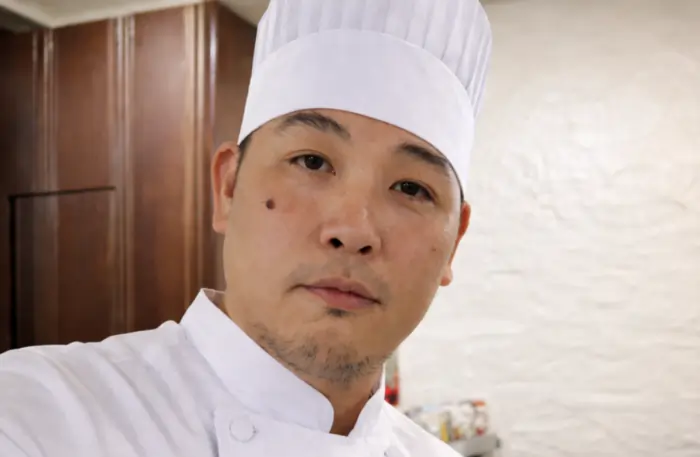
Chef Juan Gadi brings the heart of Filipino hospitality to Ubud, Bali. As an Executive Chef and consultant, he specializes in creating intimate, curated dining experiences that tell a story through every dish. Whether leading the kitchen at Kilig Filipino Warung or hosting a private villa dinner, Chef Juan’s approach is defined by warmth, modern technique, and a commitment to culinary excellence.