Why Certain Flavors Bring Back Beautiful Bali Memories Key Takeaways
Certain flavors bring back beautiful Bali memories because taste is strongly linked to emotion and memory through the brain’s sensory pathways.
- Why Certain Flavors Bring Back Beautiful Bali Memories is rooted in the brain’s limbic system, which processes taste, smell, and emotion together.
- Travelers often experience flavor nostalgia when encountering aromatic spices Bali such as ginger, galangal, and turmeric.
- Coconut based cuisine Bali and traditional Balinese dishes like babi guling and lawar become powerful culinary memory triggers .
The First Taste That Changed Everything: A Personal Narrative from Chef Juan Gadi
I still remember the first morning I arrived in Ubud. The air was thick with incense, frangipani, and something else—something warm and earthy. A local vendor handed me a small banana leaf packet filled with traditional Balinese dishes: lawar, a mix of vegetables, coconut, and minced meat, scented with aromatic spices Bali is famous for. I took one bite and felt my chest tighten. It wasn’t just delicious; it was familiar—even though I had never tasted it before.
That moment taught me what I now live by as an executive chef: Why Certain Flavors Bring Back Beautiful Bali Memories isn’t a marketing line. It’s a neurological truth. The taste and memory connection runs deeper than we realize. When I cook at Kilig Filipino Warung or host a private villa dinner, I watch guests’ eyes soften as they chew. A spoonful of coconut broth, a whiff of lemongrass—and suddenly they’re back on a beach in Canggu or hiking through Tegallalang rice terraces.
That first lawar changed my life. It made me leave behind a comfortable kitchen in Manila and move to Bali to explore Bali cuisine flavors full-time. Years later, I still tell that story because it captures exactly what this article is about: why food becomes the most powerful souvenir we bring home.
Why Certain Flavors Bring Back Beautiful Bali Memories: The Science of Taste and Emotion
The answer lies in your brain’s limbic system—specifically the amygdala and hippocampus. These regions process emotion, memory, and smell simultaneously. When you taste something, your brain doesn’t just record a flavor; it records the entire context: the heat of the day, the sound of waves, the person sitting across from you.
Food psychology travel research shows that memory recall through taste is often more vivid than recall triggered by sight or sound. This is why travelers rarely forget that first sip of kopi luwak or the burn of sambal matah. The food and emotion connection is biological. When you eat a dish that reminds you of a joyful experience, your brain releases dopamine, reinforcing the flavor associations travel creates. For many, Bali food memories are among the strongest because the island’s cuisine is so aromatic and layered. For a related guide, see 10 Feelings That Make a Dining Experience Truly Special.
As a chef who cooks fusion Filipino-Balinese food, I see this daily. Guests at my tables may never have been to Bali before, but after one bite of a coconut-braised jackfruit, they describe feeling like they’ve arrived. That’s the sensory storytelling travel approach I build every menu around.
How Taste Triggers Emotional Memories
Taste triggers emotional memories through a process called flavor-evoked autobiographical memory. Unlike visual memories, which rely on the occipital lobe, taste bypasses conscious thought. It goes straight to the brain’s emotional center. This is why a single bite of a peanut satay can transport you back to a night market in Seminyak. The taste and memory connection is immediate, unfiltered, and often more powerful than photos or video.
What Makes Food in Bali So Memorable
Bali’s cuisine is a symphony of contrasts: sweet palm sugar meets fiery chili, creamy coconut cuts through sour tamarind. These bold, layered flavors create what scientists call perceptual richness. The more sensory dimensions a food has—smell, texture, temperature, spice—the more likely it is to encode as a lasting memory. Combined with the island’s cultural food memory (every meal is tied to ceremony, family, or gratitude), it’s no wonder Bali cuisine flavors stick with us. For a related guide, see 9 Bali Moments That Feel Even Better With Great Food.
The Aromatic Spices of Bali and Their Role in Flavor Nostalgia
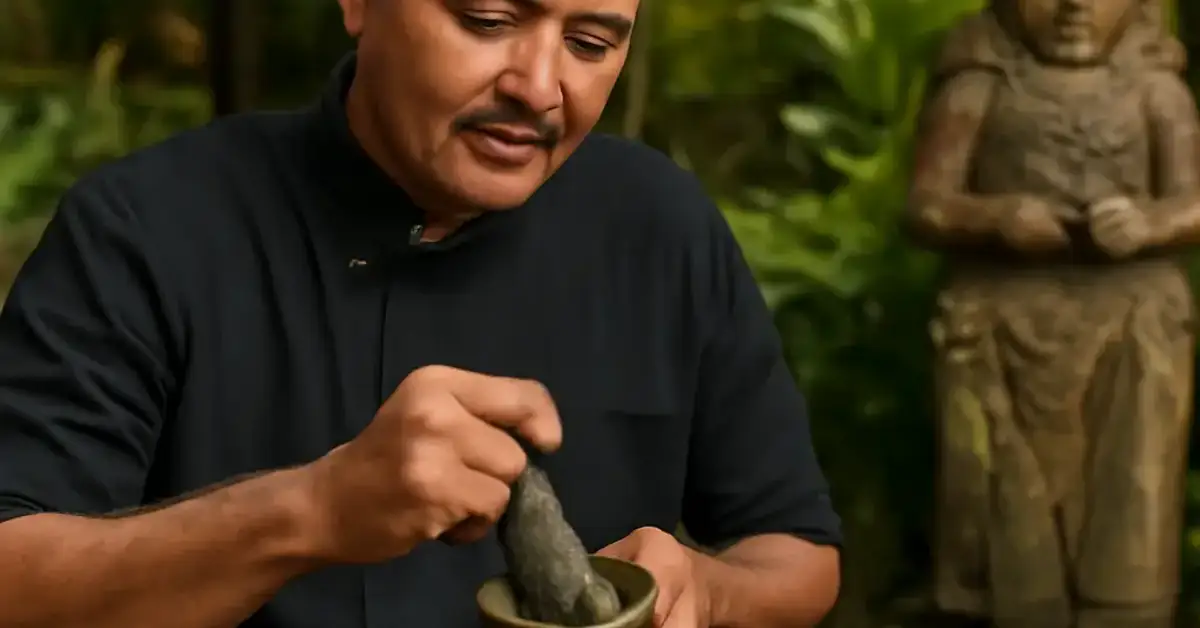
Bali’s kitchen is a garden of aromatic spices Bali uses daily: turmeric, ginger, galangal, lemongrass, kaffir lime leaves, candle nuts, and cloves. These aren’t just ingredients; they are culinary memory triggers. Each spice carries a distinct volatile compound that binds to olfactory receptors directly linked to memory formation.
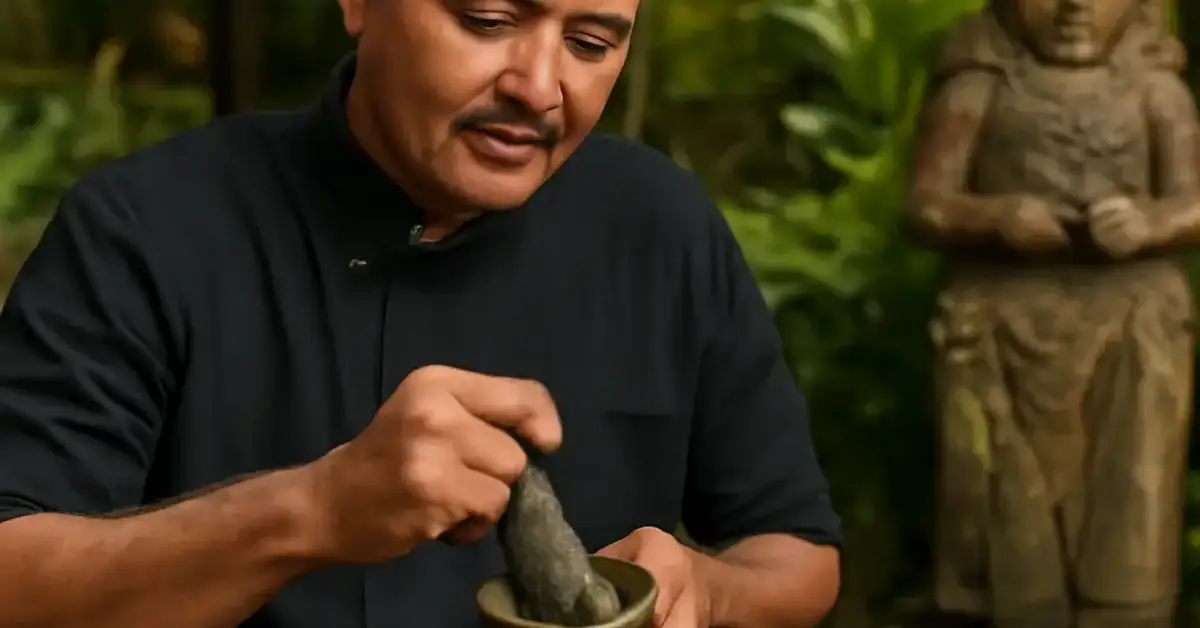
When I teach cooking classes at my warung, I ask guests to smell each spice before cooking. They close their eyes. Almost always, someone says, “This reminds me of my grandmother’s kitchen” or “This smells like the morning market in Ubud.” The taste perception memory is so strong that many travelers find themselves buying turmeric roots to cook with at home, hoping to recreate the emotional food memories they formed on vacation.
Why Coconut and Spices Trigger Memories
Coconut, in particular, is a powerful memory anchor. Coconut based cuisine Bali appears in everything from lawar to bubur injin (black rice pudding). Coconut milk has a unique fat composition that carries fat-soluble aromatics deep into our sensory system. Combined with spices like lemongrass (citral) and turmeric (curcumin), these flavors create a signature that the brain easily recognizes and recalls. For many visitors, that first spoonful of creamy coconut soup is travel nostalgia food at its purest.
Table: Key Balinese Ingredients and Their Memory-Building Compounds
| Ingredient | Primary Aromatic Compound | Memory Association |
|---|---|---|
| Lemongrass | Citral | Refreshing, citrusy, often linked to beach mornings |
| Turmeric | Curcumin | Earthy, warm, tied to temple offerings and ceremonies |
| Galangal | 1,8-Cineole | Camphor-like, reminds travelers of spice markets |
| Coconut milk | Lactones | Creamy sweetness, evokes beachside warungs |
| Kaffir lime leaf | Citronellal | Intense citrus, linked to traditional Balinese dishes |
| Palm sugar | Caramel-like compounds | Sweet finish, often recalls dessert or ceremonial food |
Traditional Balinese Dishes That Create Unforgettable Bali Culinary Experiences
Every island has its iconic meals, but few places pack as much memory into one plate as Bali. Here are the dishes that most often trigger nostalgic travel moments among my guests.
Babi Guling (Suckling Pig)
This celebratory dish is a riot of textures and spices. Crispy skin, tender meat, and a stuffing of turmeric, coriander, and lemongrass. Eating babi guling at a roadside stall in Gianyar is one of those sensory travel experiences that lodges in the brain permanently. The sizzle, the chatter, the scent of crackling skin—it’s a full-sensory performance.
Lawar
Lawar is a chopped salad of vegetables, coconut, and minced meat (or jackfruit), heavily spiced with turmeric and chili. It’s simple, but the balance of sweet coconut and sharp spice is unforgettable. Many travelers tell me lawar was the dish that made them fall in love with Indonesian food culture.
Sate Lilit
Made from minced fish or chicken mixed with grated coconut, coconut milk, lime leaves, and spices, then wrapped around lemongrass sticks and grilled. The aroma is hypnotic. Every bite is an explosion of Bali food memories waiting to be formed.
Nasi Campur Bali
This is Bali on a plate: white rice surrounded by small servings of vegetables, meat, sambal, eggs, and crackers. Each spoonful offers a different flavor. Eating nasi campur is like reading a story—every ingredient has a role. No wonder it’s a cornerstone of food tourism psychology studies.
How Travel Influences Sensory Memory and Creates Food Tourism Psychology
Travel puts us in a state of heightened awareness. We are more open, more curious, and more attentive. That mental state is chemically similar to the conditions required for strong memory encoding. When you taste something new while traveling, your brain marks it as important. This is why travel sensory experience and food are inseparable. The food tourism psychology field has documented that visitors often recall meals with more clarity than monuments or views.
At Kilig Filipino Warung, I intentionally design menus that play with this. I might serve a Filipino adobo with a Balinese sambal twist. Diners pause, confused for a moment, then smile—their brains are making new connections. That pause is the moment gastronomic memory is born. It’s the same reason I include a personal note with each dish: to anchor the taste to a story.
Why Do Certain Flavors Bring Back Memories of Bali? An Expert Breakdown
Let’s answer this question directly. Why Certain Flavors Bring Back Beautiful Bali Memories can be broken into four key factors:
- Novelty: Most travelers are encountering spices like galangal or kencur for the first time. Novelty enhances encoding.
- Richness of ingredients: Balinese cuisine uses multiple layers of aromatic spices Bali that activate many olfactory receptors at once.
- Emotional context: Meals in Bali are often shared with strangers who become friends, or eaten at sunset by the sea. Those emotions cement the taste.
- Cultural ritual: Food is offered to gods in canang sari, shared in family compounds, and eaten with hands. These cultural layers deepen the cultural food memory.
How Does Smell and Taste Create Nostalgia
Smell and taste create nostalgia because the olfactory bulb is directly connected to the amygdala and hippocampus—no thalamic filter. This means a scent can trigger a memory from childhood or a vacation before you even register what it is. For travelers, the scent of clove cigarettes mixed with frying shallots is an instant portal back to Bali. It’s the purest form of travel nostalgia food. For a related guide, see 9 Heartwarming Food Moments Travelers Never Forget.
What Role Does Culture Play in Food Memory
Culture gives food meaning. In Bali, food is never just fuel. It’s part of a ritual, a gift to the gods, a gesture of welcome. When a traveler eats a meal that has cultural weight, their brain encodes it as significant. That’s why cultural food memory is often stronger than memory of a random snack eaten at a hotel. It’s the difference between a photograph and a painting—one is literal, the other is layered with intention.
Useful Resources
For deeper reading on the taste and memory connection and sensory travel experiences, explore these credible sources:
- Neuroscience of Taste and Memory (National Library of Medicine) – A peer-reviewed study on how taste triggers autobiographical memory.
- Traditional Balinese Dishes (Bali Good Food Guide) – A comprehensive guide to the island’s most iconic dishes and their cultural significance.
Frequently Asked Questions About Why Certain Flavors Bring Back Beautiful Bali Memories
Why do certain flavors bring back memories of Bali?
Certain flavors bring back memories of Bali because the brain’s limbic system processes taste, smell, and emotion together. When you eat a dish like lawar or babi guling, your brain also records the environment, the people, and the feelings of that moment, creating a powerful Bali food memories anchor.
How does taste trigger emotional memories?
Taste triggers emotional memories through flavor-evoked autobiographical memory. The olfactory system bypasses the thalamus and directly connects to the amygdala and hippocampus, which store emotional experiences. That’s why the taste and memory connection is so direct and vivid.
What makes food in Bali so memorable?
Food in Bali is memorable because it uses rich, aromatic spices like turmeric, lemongrass, and galangal; it is often eaten in meaningful social or ceremonial contexts; and the island’s sensory travel experiences put travelers in a heightened state of awareness that strengthens memory encoding.
How do spices influence memory recall?
Spices influence memory recall because their volatile compounds bind to olfactory receptors that are directly linked to the brain’s memory centers. Aromatic spices Bali like ginger and clove contain unique compounds that create strong culinary memory triggers.
Why do travelers associate food with travel experiences?
Travelers associate food with travel experiences because food is a universal, sensory-rich element of daily life. When combined with new environments and emotions, it becomes a key part of travel nostalgia food and food psychology travel research confirms this link is stronger than visual memory.
How does sensory memory work in food experiences?
Sensory memory works by encoding information from all five senses simultaneously. For food, this includes taste, smell, texture, temperature, and even sound. The sensory storytelling travel approach highlights how these combined inputs create lasting emotional travel memories.
What dishes remind people of Bali the most?
The dishes that remind people of Bali the most are babi guling, lawar, sate lilit, nasi campur, and bubur injin. These traditional Balinese dishes are rich in Bali cuisine flavors and often tied to specific, vivid memories of place and company.
Why is food strongly linked to emotions?
Food is strongly linked to emotions because eating activates dopamine and serotonin pathways, and the food and emotion connection is reinforced from childhood. In travel, this link is amplified by the novelty and cultural significance of meals, which create emotional food memories that last for years.
How does smell and taste create nostalgia?
Smell and taste create nostalgia by directly activating the brain’s emotional memory centers without cognitive filtering. The scent of aromatic spices Bali or the taste of coconut based cuisine Bali can instantly transport a person back to a specific moment, forming flavor nostalgia at its most potent.
What role does culture play in food memory?
Culture plays a role in food memory by giving meals meaning beyond nutrition. When travelers participate in Balinese ceremonies or share meals with locals, the cultural food memory is enriched with context, making the memory recall through taste more vivid and lasting.
How does Bali cuisine create lasting impressions?
Bali cuisine creates lasting impressions through its use of multiple layers of flavor—sweet, sour, spicy, umami—combined with aromatic spices Bali that are unique to the region. Every meal becomes a sensory travel experience that the brain stores deeply.
Why do coconut and spices trigger memories?
Coconut and spices trigger memories because their volatile compounds are fat-soluble and linger on the palate, giving the brain more time to associate them with the surrounding emotional context. Coconut based cuisine Bali is particularly effective at creating flavor associations travel due to its creamy texture and sweet scent.
How does travel influence sensory memory?
Travel influences sensory memory by putting the brain in a state of heightened attention, which strengthens encoding. New environments, sounds, and smells combine with food to create travel sensory experience memories that are rich and detailed.
What is the psychology behind food nostalgia?
The psychology behind food nostalgia is that taste and smell are processed in the same brain regions as emotion and memory. Food tourism psychology studies show that recalling a meal can trigger the same positive emotions as the original experience, reinforcing gastronomic memory.
How do flavors preserve travel experiences?
Flavors preserve travel experiences by acting as sensory anchors. When you taste a dish with traditional Balinese dishes flavors later, your brain reconstructs the original context, including people, places, and emotions. This is why many travelers buy aromatic spices Bali to bring home—to preserve the memory.
Why do people remember meals more than places?
People remember meals more than places because food involves multiple senses and is often tied to social interaction. A Bali culinary experiences at a sunset dinner involves taste, smell, sight, touch, and hearing, making it more memorable than a static visual of a temple.
How does emotional memory work with taste?
Emotional memory works with taste through the limbic system. The amygdala tags the emotional significance of the moment, while the hippocampus binds the taste to the context. The taste perception memory is then stored as an integrated experience that can be triggered by a single bite.
What makes Balinese food unforgettable?
Balinese food is unforgettable because it is both simple and complex—simple ingredients elevated by layers of aromatic spices Bali and coconut based cuisine Bali. The cultural ceremony and warm hospitality surrounding each meal deepen the emotional food memories.
How do sensory experiences shape travel memories?
Sensory experiences shape travel memories by providing multiple input channels for the brain to encode. A travel sensory experience that includes the taste of sambal, the smell of incense, and the sound of gamelan is much more likely to be recalled than a memory from a single sense.
Why is food memory stronger than visual memory?
Food memory is stronger than visual memory because the olfactory and gustatory systems are directly connected to the brain’s emotional memory centers, while visual processing goes through more intermediate steps. Indonesian food culture relies heavily on aroma and taste, making Bali food memories exceptionally durable.
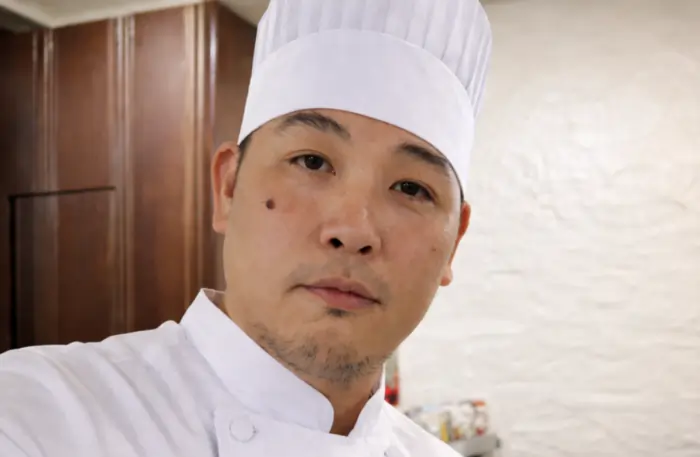
Chef Juan Gadi brings the heart of Filipino hospitality to Ubud, Bali. As an Executive Chef and consultant, he specializes in creating intimate, curated dining experiences that tell a story through every dish. Whether leading the kitchen at Kilig Filipino Warung or hosting a private villa dinner, Chef Juan’s approach is defined by warmth, modern technique, and a commitment to culinary excellence.