Filipino Cooking Traditions Thrive in Balis Culinary Scene Key Takeaways
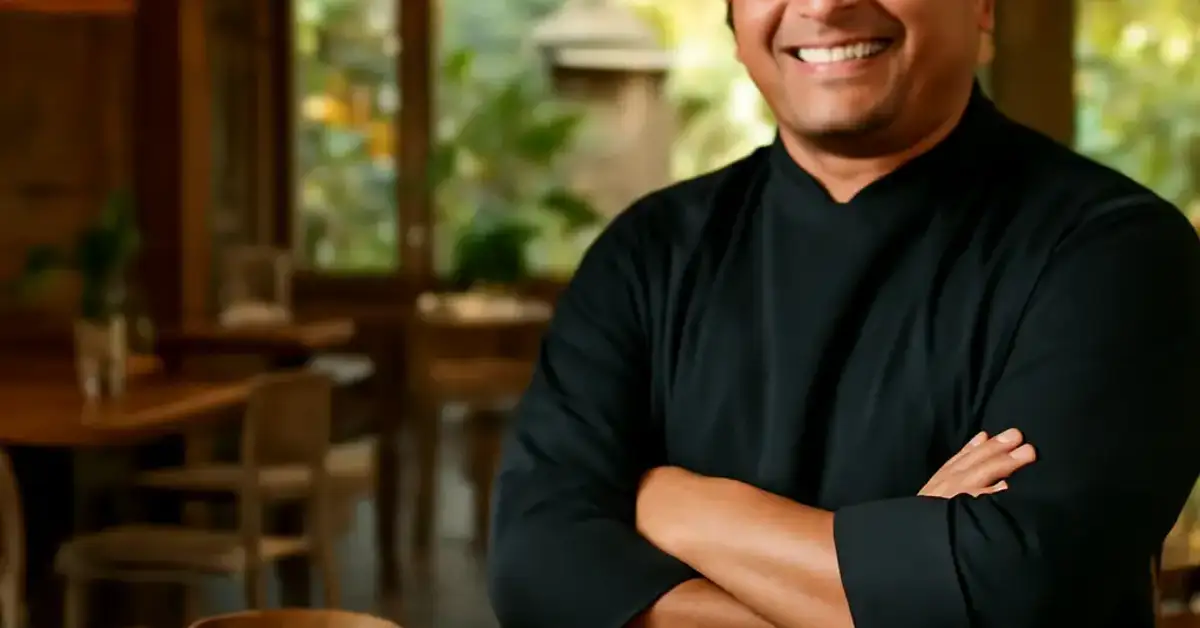
In the heart of Ubud, Bali, Chef Juan Gadi is proving that Filipino Cooking Traditions Thrive in Balis Culinary Scene through a masterful blend of heritage techniques and modern presentation.
- Filipino Cooking Traditions Thrive in Balis Culinary Scene through Chef Juan’s intimate private dining experiences and his work at Kilig Filipino Warung.
- Chef Juan draws powerful parallels between Filipino and Balinese culinary philosophies—both honor rice, fermentation, and the sacred bond between food and community.
- Signature dishes like Kiniing Kinilaw (smoked pork ceviche) and Ubud Adobo showcase how regional Filipino flavors adapt beautifully to Balisi ingredients.
What Makes Filipino Cooking Traditions Thrive in Balis Culinary Scene
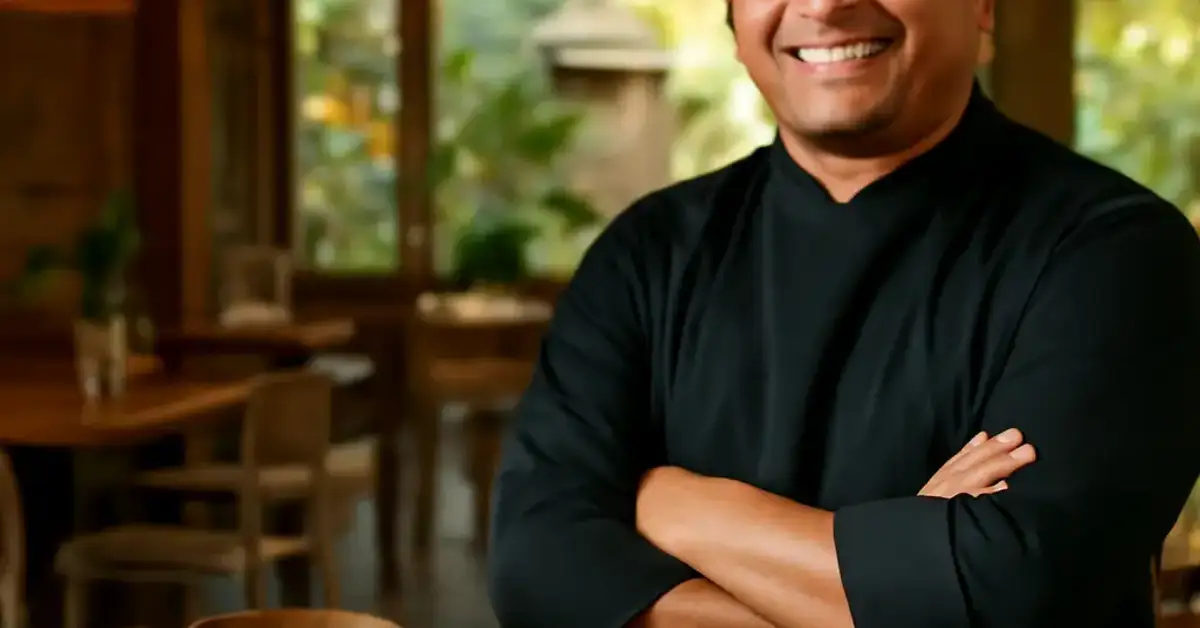
It was a balmy evening in Ubud. Candlelight flickered across a long table set under a canopy of frangipani trees. Chef Juan Gadi emerged from the open kitchen, carrying a banana leaf lined with golden lechon kawali, pickled papaya, and a tiny clay pot of spicy siling labuyo vinegar. His guests—a mix of Australian expats, Balinese food writers, and Filipino travelers—did not reach for forks. They dug in with their hands, cracking the crackling, dipping into the brine, laughing. In that moment, beneath the rice terraces of Bali, Filipino Cooking Traditions Thrive in Balis Culinary Scene not as a foreign import, but as a natural, beloved neighbor.
For Chef Juan, this moment was years in the making. “Bali gave me permission to be bold,” he says. “The Balinese have an instinct for Filipino hospitality Bali dining—they already welcome strangers as family. So when I cook adobo or sinigang here, people get it. The sourness, the garlic, the patience—it all makes sense.”
The Shared Soul of Two Island Kitchens
The secret to how Filipino Cooking Traditions Thrive in Balis Culinary Scene lies in a deep cultural resonance. Both Filipino and Balinese cuisines are anchored by rice, fermented condiments, and a reverence for the whole animal. Chef Juan often tells his guests that Bali and the Philippines are culinary cousins separated by a sea.
“The Balinese sambal matah is basically our sawsawan philosophy—fresh shallots, chiles, lime, and salt,” he explains. “And their lawar, with that grated coconut and minced meat, is so close to our ginataang manok that you can almost taste the family tree.”
Fermentation as a Common Language
One of the most powerful bridges between the two cuisines is fermentation. Chef Juan crafts his own bagoong alamang (fermented shrimp paste) using Balinese terasi, the local shrimp paste, as a base. He then tweaks it with Philippine sukang iloko (cane vinegar) and a touch of calamansi he grows in his Ubud garden. The result is a condiment that feels familiar to locals and revelatory to expats.
Signature Dishes Where Filipino Cooking Traditions Thrive in Balis Culinary Scene
Chef Juan’s menus are a living thesis on why Filipino Cooking Traditions Thrive in Balis Culinary Scene. Each dish tells a story of adaptation without assimilation. He does not dilute the soul of Filipino food—he simply lets it speak in a Balinese accent.
| Dish | Filipino Base | Balinese Twist | Why It Works |
|---|---|---|---|
| Kiniing Kinilaw | Cordilleran smoked meat | Cured with Balinese long pepper and calamansi | Smoke and acid mirror local lawar profiles |
| Ubud Adobo | Chicken adobo | Braised in kecap manis and palm vinegar | Sweet-savory depth matches Balinese babi guling marinades |
| Sinigang na Yellowfin | Tamarind-based sour soup | Uses Balinese starfruit (belimbing wuluh) | Wild sourness is more aromatic than tamarind |
| Biko with Palm Sugar | Sticky rice cake | Topped with grated Balinese coconut and gula aren | Rich, earthy sweetness matches the original |
Private Dining: The Ultimate Expression of Filipino Hospitality Bali Dining
For Chef Juan, the villa dinner experience is where Filipino hospitality Bali dining shines brightest. Each private event begins with a kamayan spread—a banana leaf table covered with mosaic-like arrangements of grilled seafood, vegetables, and rice. Guests eat with their hands, a practice that Chef Juan says “levels the hierarchy. The chef, the guest, the server—everyone is just a person enjoying dinner.”
He pairs each course with a short story: the province that inspired the recipe, the grandmother who taught him to pound garlic with a mortar, the Balinese farmer who grows the lemongrass. “When people know the story, they taste the food differently,” he says. “They taste the care.”
How Chef Juan Blends Modern Technique with Heritage Roots
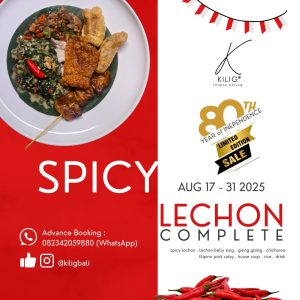
Chef Juan’s kitchen is a laboratory of respect. He uses sous-vide for his lechon belly to achieve perfect crackling, then finishes it over local coconut charcoal. He dehydrates taba ng talangka (fermented crab roe) into a powder that he dusts over grilled fish. These techniques do not replace tradition—they refine it.
“A lot of people think modern means molecular gastronomy and foam,” he says. “But for me, modern means efficiency without apology. If a calamansi gel helps me keep the bright acidity stable for 48 hours, I use it. The base flavor is still my grandmother’s.”
The Role of Local Ingredients
Bali’s markets are a treasure trove for Chef Juan. He sources purple yam (ubi jalar) from Bedugul for his ube halaya, uses Balinese long beans instead of sitaw, and substitutes local jackfruit for langka in his ginataan. The result is a cuisine that is undeniably Filipino in spirit, but unmistakably Balinese in its terroir.
Cultural and Tourism Impact: Why Filipino Cooking Traditions Thrive in Balis Culinary Scene
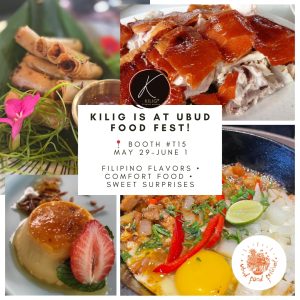
The rise of Filipino food Ubud Bali is more than a culinary trend—it is a cultural bridge. For Filipino travelers in Bali, a meal at Kilig or a private dinner with Chef Juan is a homecoming. For Balinese and international guests, it is an education in the richness of Filipino gastronomy.
“We host these young Filipinos who come to Bali for yoga and surfing,” Chef Juan shares. “They’ve never really tasted kare-kare or pancit the way their lolas made it. They cry sometimes. That’s when I know I am doing something right.”
Tourism professionals are taking note. Several Balinese resort groups have invited Chef Juan to conduct Filipino cooking workshops for their staff. “They want to add Filipino chefs in Indonesia to their repertoire because tourists are asking for it,” he says. The demand is clear: people want authentic, story-driven Filipino cooking traditions Bali experiences.
Risks and Safeguards in Cultural Fusion
Chef Juan is careful to avoid cultural appropriation. He never calls his food “fusion” casually. “Fusion suggests two equal things meeting. This is more like adoption. I am a Filipino chef working in Bali. My food will always be Filipino first, but I am grateful to Bali for giving me new ingredients and inspiration.”
He emphasizes that respect means giving credit. Before using a Balinese ingredient or technique, he researches its history and often consults local grandmothers. “They taught me how to lawar the right way,” he laughs. “That kind of knowledge you don’t take. You learn.”
Useful Resources
To deepen your understanding of how Filipino Cooking Traditions Thrive in Balis Culinary Scene, explore these trusted sources:
- Rappler’s feature on Filipino food in Bali – An in-depth look at the growing Filipino food scene in Ubud.
- Bali Discovery’s review of Kilig Filipino Warung – A trusted travel guide covering Chef Juan’s flagship restaurant.
In the end, Filipino Cooking Traditions Thrive in Balis Culinary Scene because of people like Chef Juan Gadi—chefs who treat tradition as a living dialogue, not a museum piece. Whether you are a seasoned food lover or a curious traveler, his table in Ubud invites you to taste the delicious conversation between two island cultures. The next time you are in Bali, let your hands do the exploring. You will taste the love, the history, and the future of Filipino food in Southeast Asia. For a related guide, see The Warm Feeling Behind Intimate Bali Gatherings.
Frequently Asked Questions About Filipino Cooking Traditions Thrive in Balis Culinary Scene
What is the best Filipino dish to try in Bali?
At Kilig or a Chef Juan Gadi private dinner, start with the Ubud Adobo—it perfectly balances Filipino sourness with Balinese sweet soy sauce.
How does Chef Juan Gadi adapt Filipino recipes for Bali?
He substitutes local ingredients like Balinese starfruit for tamarind and gula aren for brown sugar, keeping the Filipino soul intact.
Is there a Filipino restaurant in Ubud?
Yes, Kilig Filipino Warung in Ubud, Bali, serves authentic Filipino food under Chef Juan Gadi’s direction. For a related guide, see Meaning of Filipino Hospitality Beyond the Meal Itself: 5 Expert Insights from Ubud.
What is kamayan dining?
It is a traditional Filipino feast eaten with hands on banana leaves, emphasizing community and tactile connection to food.
Can I book a private Filipino dinner in Bali?
Yes, Chef Juan Gadi offers curated private villa dinners that showcase Filipino hospitality Bali dining.
What ingredients are similar between Filipino and Balinese cooking?
Both use coconut, fermented shrimp paste, tamarind, shallots, garlic, and a variety of chiles.
How do Filipino cooking traditions thrive in Balis culinary scene?
Through chefs like Juan Gadi who honor heritage while adapting to local ingredients and tastes, creating a natural cultural fusion.
Is bagoong available in Bali?
Chef Juan makes his own bagoong using Balinese shrimp paste, so it is available at his dining experiences.
What is the price range for a private dinner with Chef Juan?
Prices vary depending on menu complexity and guest count, starting from around 500,000 IDR per person for a multi-course meal.
What does kinilaw mean?
It is a Filipino method of “cooking” raw fish or meat in vinegar and citrus, similar to ceviche.
Does Chef Juan offer cooking classes?
Yes, he occasionally conducts intimate cooking workshops for small groups in his Ubud kitchen.
What is silog ?
A classic Filipino breakfast of garlic-fried rice, fried egg, and a protein like longganisa or tocino.
How do Balinese react to Filipino food?
Positively—the flavors of sour, salty, and sweet align well with Balinese taste preferences.
What is the most popular Filipino dessert in Bali?
Chef Juan’s Biko with Palm Sugar is a crowd-favorite, offering a rich, coconut-forward sweetness.
Can I find sinigang in Bali?
Yes, Chef Juan serves Sinigang na Yellowfin using Balinese starfruit as the souring agent.
Are there other Filipino chefs in Indonesia ?
A small but growing community exists, with several chefs collaborating at pop-ups in Jakarta and Bali.
What makes Filipino hospitality Bali dining unique?
It combines the warmth of pakikisama (getting along) with the ritual of sharing meals, often with storytelling included.
How can I visit Kilig Filipino Warung?
Kilig is located in central Ubud; reservations are recommended, especially for dinner service.
What is pancit ?
A Filipino noodle dish typically stir-fried with vegetables, meat, and soy sauce—a symbol of longevity.
How do Filipino Cooking Traditions Thrive in Balis Culinary Scene affect tourism?
They attract both Filipino travelers seeking comfort food and international tourists curious about authentic regional gastronomy.
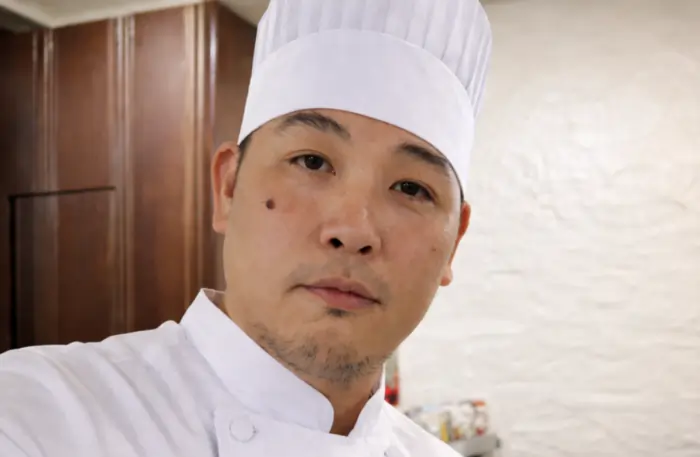
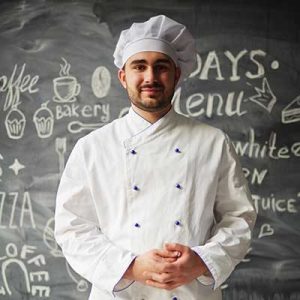
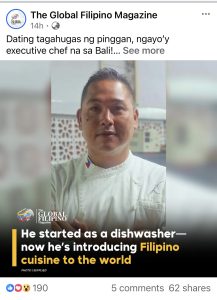
Chef Juan Gadi brings the heart of Filipino hospitality to Ubud, Bali. As an Executive Chef and consultant, he specializes in creating intimate, curated dining experiences that tell a story through every dish. Whether leading the kitchen at Kilig Filipino Warung or hosting a private villa dinner, Chef Juan’s approach is defined by warmth, modern technique, and a commitment to culinary excellence.