
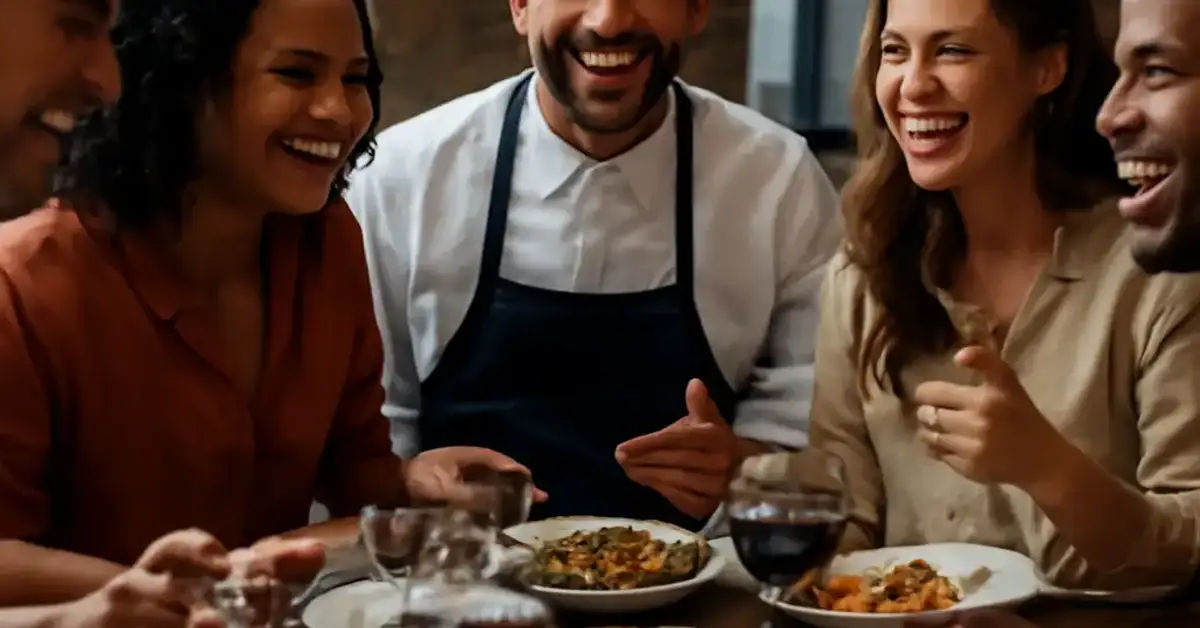
Why Group Dining Creates Stronger Social Connections Key Takeaways
Group dining is more than a meal—it is a ritual that deepens trust, communication, and emotional intimacy.
- Shared meals trigger oxytocin release, lowering social barriers and building trust
- Cultural food culture traditions worldwide use feasting as a cornerstone of community
- Restaurant design with communal seating naturally encourages social bonding among guests
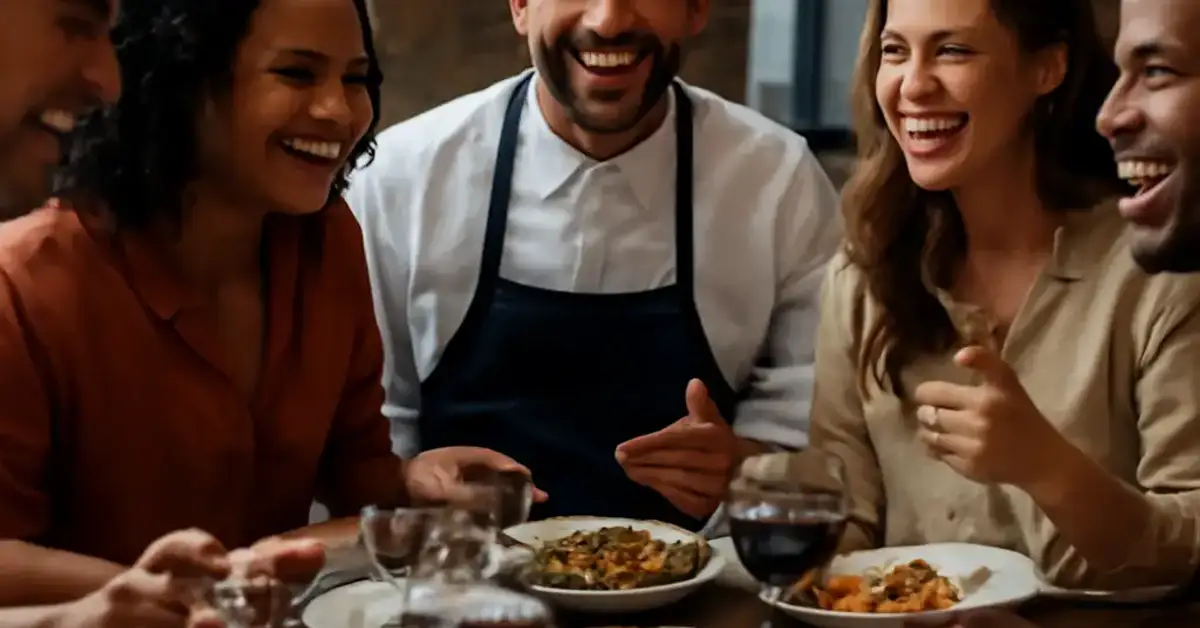
What Makes Group Dining Unique in Building Relationships
I still remember the first time I hosted a private villa dinner here in Ubud. A group of twelve travelers—most of them strangers to one another—sat around a long table under the frangipani trees. Within the first course, the stiffness melted. By dessert, they were exchanging contact information and planning a trip to the Gili Islands together. That night, I understood why group dining creates stronger social connections. It is not just about the food, though the food matters deeply. It is about the space we create for relationship building.
When we eat alone, our brains remain in a task-oriented mode. But when we share a meal, something shifts. The act of passing a plate, clinking glasses, or laughing at a story over a shared dessert activates neural pathways that signal safety and belonging. This is the foundation of social eating—an ancient practice that modern science now confirms is essential to human happiness.
The Social Psychology Behind Eating Together
Psychologists have long studied the food and psychology connection. Eating together synchronizes our movements and even our heart rates. This is called behavioral mimicry, and it builds rapport naturally. When you take a bite at the same time as your dining companion, your brain registers that you are in sync—and trust deepens.
Research from Oxford University found that people who eat together more frequently report higher levels of life satisfaction and stronger social bonding. The act of sharing food is an ancient signal of cooperation. In evolutionary terms, sharing a kill meant survival. Today, it means emotional connection food—the way a home-cooked meal can convey love without words.
Why does group dining create stronger social bonds?
Because it lowers cortisol and increases oxytocin. When you sit across from someone and share a dish, you are essentially saying, “I trust you not to poison me.” That vulnerability—however unconscious—opens the door to genuine connection. This is why communal dining events often feel more intimate than one-on-one coffee dates.
Cultural Traditions of Group Dining Across Different Societies
Every culture has its version of the communal table. In the Philippines, we have the boodle fight, where banana leaves are spread across the table and everyone eats with their hands from a shared mountain of rice and meat. This tradition is not just efficient—it is a lesson in equality and dining culture. No one gets a better cut of meat. Everyone digs in together.
In Ethiopia, the injera platter is placed in the center of the table, and diners tear off pieces of the spongy flatbread to scoop up stews. In Spain, tapas culture encourages ordering multiple small plates so that everyone tastes everything. In Japan, nabe (hot pot) is cooked at the table, requiring constant cooperation. These rituals teach us something profound: food culture is not just about ingredients; it is about how we come together.
Travelers who seek out these experiences often report that the most memorable moments of their trips happened around a table. This is why travel dining has become a pillar of experiential tourism. You can see the Eiffel Tower from a photo, but you cannot taste the laughter of a Parisian dinner party through a screen.
How Restaurants and Hospitality Design Encourage Connection
The best restaurant experience is not just about the food. It is about how the space makes you feel. As a chef trained in Filipino hospitality experiences, I design every meal with seating, lighting, and pacing in mind. Long tables encourage eye contact. Shared platters force interaction. Open kitchens let guests watch the cooking process, sparking conversation with the chef. For a related guide, see 10 Ways Meaningful Conversations Begin Around Food.
Restaurants that understand communal dining invest in furniture that break down barriers. Think of the long harvest tables at a winery or the counter seats at a Japanese izakaya. These designs invite strangers to become neighbors. In Bali, many warungs have a single long bench where locals and tourists sit side by side. That proximity naturally leads to conversation, and conversation leads to friendship bonding.
How do restaurants encourage social interaction?
Through design, service style, and menu structure. Restaurants that encourage social eating often use shared plates, family-style serving, and communal seating. They also train staff to facilitate conversation. A good server will ask, “Where are you from?” not just “Are you ready to order?” That small shift transforms a transaction into a dining experience.
Why Shared Meals Are More Memorable Than Solo Dining
Memory formation is deeply tied to emotion. When you share a meal, the event becomes encoded in your brain with multiple sensory layers: the taste of the dish, the sound of laughter, the warmth of the room, the story someone told. This multi-sensory encoding makes shared experiences stick in your memory far longer than a solo meal.
Studies in cognitive psychology show that we remember events more vividly when we discuss them with others during the experience. The storytelling and conversation during dining act as an anchor for memory. Years later, you may not remember the name of the restaurant, but you will remember the feeling of belonging—and the flavor of that first bite shared with new friends.
This is why family meals are so crucial for child development. Children who regularly eat with their families develop better vocabulary, emotional regulation, and social skills. The dinner table is the first classroom of emotional connection food.
Impact of Conversation During Meals on Relationship Building
Conversation over a meal has a rhythm that differs from casual chat. Because eating requires pauses, there is natural space for reflection. You can take a sip of wine, think about what was said, then respond. This slower pace allows for deeper listening. In my experience, the most meaningful conversations at my table happen not during the main course, but between courses, when the pace of the meal slows down.
Good dining experiences are carefully paced. A rushed meal shuts down connection. A leisurely one opens it. This is why hospitality experiences that prioritize time—like a multi-course tasting menu—often result in stronger relationship building. The meal becomes a container for intimacy.
How does dining together affect communication?
It lowers defense mechanisms. When you are chewing, you cannot interrupt. When you pass a dish, you perform a small act of generosity. These micro-interactions build trust over the course of an hour. By the end of the meal, the barriers you walked in with have softened.
How Group Dining Reduces Social Barriers and Creates Inclusion
One of the most powerful aspects of group dining is its ability to dissolve hierarchy. When everyone eats from the same dishes, the social distance between a CEO and an intern shrinks. This is why communal dining is so effective in team-building retreats and corporate events. It reminds people that they are human first, professional second.
Inclusive hospitality experiences also accommodate dietary needs without making anyone feel singled out. A thoughtful chef will offer a vegan version of a dish that looks just as beautiful as the original. This ensures that everyone at the table feels seen and valued. When that happens, social bonding flourishes.
The Role of Celebration Meals in Reinforcing Relationships
We mark every major life transition with food. Birthdays, weddings, anniversaries, promotions—they all call for a feast. Celebration meals are a form of social ritual that publicly acknowledges a relationship. When you celebrate someone’s achievement over a meal, you are saying, “Your joy matters to me.” That reinforcement strengthens the bond.
As a private dining chef, I have been privileged to host engagement dinners, milestone birthdays, and reunion meals. In every case, the act of breaking bread together elevated the event from ordinary to sacred. Shared meals have a way of making time stand still, even for a few hours.
Food as a Medium for Emotional Expression
Sometimes words are not enough. That is when we turn to emotional connection food. A bowl of soup made from a family recipe says “I love you” more eloquently than any greeting card. A dessert prepared with a friend’s favorite flavors says “I remember you.” This is especially true in Filipino dining culture, where food is the primary love language. We show up with pancit for a neighbor who lost a loved one. We bring leche flan to a housewarming. The food carries the sentiment.
This principle applies across all cultures. In Italy, Sunday gravy is more than a sauce—it is a weekly ritual of gathering. In Mexico, making tamales together is a familial tradition that spans generations. These cultural dining practices remind us that food is never just fuel. It is a vessel for emotional connection food that transcends language.
What role does food play in building friendships?
Food is the original social lubricant. It gives us a reason to gather, a focus for conversation, and a shared sensory experience. Cooking for someone is an act of care that builds trust faster than words ever could.
Influence of Communal Eating on Happiness and Well-Being
Multiple studies confirm that social eating is linked to higher levels of happiness and lower rates of depression. In fact, the frequency of shared meals is a stronger predictor of well-being than income level. This is not a coincidence. Eating together triggers the release of endorphins, the body’s natural feel-good chemicals.
For wellness travelers, group dining offers a holistic benefit. A private dinner in a villa in Bali, for example, nourishes not just the body but the spirit. The combination of fresh ingredients, beautiful presentation, and warm company creates a state of contentment that lingers long after the plates are cleared.
How Group Dining Enhances Travel and Destination Experiences
Traveling is about discovery—of places, flavors, and people. Travel dining amplifies all three. When you join a local cooking class or a communal dinner in a foreign city, you get a perspective that guidebooks cannot offer. You taste the home cooking of a grandmother who has been making the same dish for fifty years. You hear stories that reveal the soul of a place.
This is why I always tell guests at Kilig Filipino Warung to try the adobo not just because it is delicious, but because it tells the story of Filipino resilience, adaptation, and love. Shared experiences like these become the most vivid chapters of any travel diary.
Practical Checklist for Creating Memorable Group Dining Experiences
Whether you are a host, a traveler, or a hospitality professional, here is a checklist to ensure your next group meal maximizes social bonding.
| Element | Why It Matters | How to Implement |
|---|---|---|
| Shared plates | Encourage cooperation and conversation | Serve family-style or tapas format |
| Communal seating | Breaks down social barriers | Use long tables or round tables |
| Pacing | Creates space for storytelling | Allow 20–30 minutes between courses |
| Warm lighting | Lowers stress and promotes relaxation | Use candles or dimmable fixtures |
| Personal touch | Makes guests feel valued | Add a handwritten menu or a welcome note |
| Dietary inclusion | Ensures everyone can participate fully | Ask about allergies and preferences in advance |
How Hospitality Settings Create Inclusive Dining Experiences
Inclusive dining experiences are not an afterthought—they are a design principle. The best hospitality experiences consider every guest from the moment they walk in. Seating arrangements should accommodate solo diners, couples, and larger groups without making anyone feel awkward. The menu should offer options for common dietary restrictions without labeling them as “special” or “alternative.”
In my own kitchen in Ubud, I strive for this balance. I use local, seasonal ingredients that respect Bali’s culinary heritage while also being accessible to international palates. The goal is to create a space where everyone feels they belong—where the restaurant experience becomes a bridge rather than a barrier.
Importance of Presence and Mindfulness During Group Meals
Mindful eating is often discussed in the context of health, but it is equally important for social bonding. When everyone at the table is truly present—no phones, no rushing—the quality of connection deepens. I often encourage guests to put away their devices for the duration of the meal. Some resist at first, but by the end, they are grateful.
Presence allows us to notice the nuances: the way light plays on a dish, the expression on a friend’s face as they taste something new, the quiet pause between laughter. These moments are the building blocks of shared experiences that last a lifetime.
Why Group Dining Strengthens Teamwork and Collaboration
Corporate team-building lunches and dinners are popular for good reason. When colleagues eat together, they practice cooperation. Passing dishes, pouring water for another person, and taking turns speaking are all micro-behaviors that reinforce teamwork. Studies show that teams that eat together perform better on collaborative tasks. This is because social eating activates the same neural circuits that govern empathy and cooperation.
For event planners and hospitality professionals, this insight is gold. A well-designed group meal can transform a group of strangers into a cohesive team. The key is to choose a setting that encourages equality—no head of the table for the boss, no separate menu for VIPs. Everyone eats the same food, at the same level.
Conclusion: Embrace the Power of the Shared Table
Why group dining creates stronger social connections is a question with many answers, but they all point to one truth: we are wired to connect, and food is one of the most powerful tools we have for doing so. Whether you are a traveler seeking authentic hospitality experiences, a family wanting to deepen family meals, or a restaurant owner aiming to create memorable dining experiences, the principle is the same. Prioritize the table.
In my life as a chef, the most rewarding moments have not been Michelin stars or magazine features. They have been the times when a group of people—strangers or loved ones—sat down together and left as friends. That is the magic of communal dining. It turns a meal into a memory, and a memory into a bond.
So the next time you plan a meal, invite more people. Push the tables together. Order dishes meant to be shared. And trust that the food—and the company—will do the rest.
Useful Resources
The Psychology of Eating Together – Positive Psychology
Communal Dining Traditions Around the World – TasteAtlas
Frequently Asked Questions About Why Group Dining Creates Stronger Social Connections
Why does group dining create stronger social bonds?
Group dining lowers stress hormones and increases oxytocin, creating a sense of safety and trust that accelerates social bonding among participants.
How do shared meals improve relationships?
Shared meals encourage cooperation, conversation, and vulnerability—all of which deepen relationship building over time.
What makes communal dining special?
Communal dining removes social hierarchies and encourages equality, making every participant feel included in the dining experience.
Why do people enjoy eating together?
Humans are social creatures. Eating together satisfies both nutritional and emotional needs, creating a sense of belonging that solo dining cannot replicate.
How does food bring people closer socially?
Food acts as a conversation starter and a shared sensory experience. The act of cooking and eating together builds emotional connection food that strengthens friendships.
What is the psychology behind group dining?
The psychology involves behavioral mimicry, oxytocin release, and synchronized neural activity—all of which promote trust and social bonding.
How do restaurants encourage social interaction?
Restaurants use communal tables, shared plates, and open kitchens to create an environment that naturally fosters conversation and social eating.
Why are shared meals more memorable?
Shared meals involve multiple sensory inputs and emotional engagement, which encode the memory more deeply than eating alone.
How does dining together affect communication?
Dining together slows the pace of conversation, allows for reflection, and lowers defensive reactions, leading to more open and honest communication.
What role does food play in building friendships?
Food is a medium for care and generosity. Cooking for someone or sharing a dish signals trust and creates a foundation for friendship bonding.
How do group meals strengthen family ties?
Regular family meals create rituals of togetherness, improve communication, and provide a consistent space for emotional support and dining culture.
What are the best dishes for group dining?
Dishes that are easy to share—like paella, hot pot, tacos, or a Filipino boodle fight—work best because they invite participation and communal dining.
How can I create a group dining experience at home?
Use a large table, serve family-style, dim the lights, and set a no-phone rule. The goal is to create a restaurant experience that prioritizes connection.
Does group dining benefit introverts?
Yes. Social eating in a low-pressure group setting can help introverts connect without the intensity of one-on-one conversation, often through shared activities like passing dishes.
How does group dining improve mental health?
It combats loneliness, increases feelings of belonging, and triggers the release of feel-good hormones, all of which contribute to better mental health and social bonding.
What are the most famous communal dining cultures?
Ethiopian injera feasts, Spanish tapas, Filipino boodle fights, Japanese hot pot, and Indian thali meals are some of the most celebrated examples of cultural dining.
How can restaurants cater to solo diners in a group setting?
By offering counter seating, communal tables, and tasting menus that encourage interaction, restaurants can make solo diners feel part of the dining experiences.
What is the role of the host in group dining?
The host sets the tone by curating the menu, seating arrangement, and atmosphere to facilitate conversation and ensure everyone feels included in the hospitality experiences.
How does group dining impact travel memories?
Travel dining in groups creates shared stories and emotional anchors that make trips more vivid and meaningful, often becoming the highlight of the journey. For a related guide, see The Secret Behind Meaningful Connections While Traveling.
What is the future of group dining?
The future includes more pop-up communal dinners, chef’s table experiences, and technology-free zones that prioritize shared experiences over digital distraction.
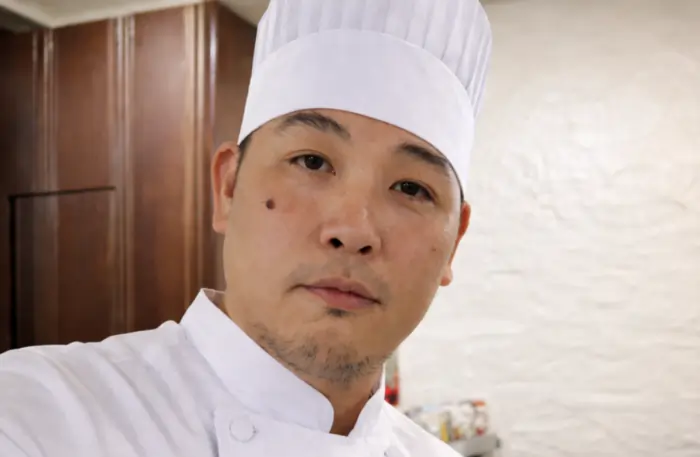
Chef Juan Gadi brings the heart of Filipino hospitality to Ubud, Bali. As an Executive Chef and consultant, he specializes in creating intimate, curated dining experiences that tell a story through every dish. Whether leading the kitchen at Kilig Filipino Warung or hosting a private villa dinner, Chef Juan’s approach is defined by warmth, modern technique, and a commitment to culinary excellence.