
Interactive Dining Experiences Are Growing in Popularity Key Takeaways
In my years as a chef in Bali, I have watched guests move from quiet observers to eager participants.
- Interactive dining experiences are growing in popularity because they turn meals into memorable events that engage all the senses.
- Open kitchens, chef’s tables, and live cooking stations build trust and transparency while adding a layer of entertainment.
- Personalization, cultural immersion, and social media appeal are key drivers behind the demand for experiential dining.

Why Interactive Dining Experiences Are Growing in Popularity in 2025
In my years as a chef in Bali, I have watched guests move from quiet observers to eager participants. They no longer want to simply eat. They want to learn, touch, smell, and even cook. This shift from passive dining to immersive food engagement is the single most important change in modern hospitality. People come to Ubud seeking connection—to the land, the culture, and the people who prepare their meals. Interactive dining fulfills that need in a way a traditional restaurant cannot.
The Rise of the Chef’s Table and Live Cooking Experiences
One of the clearest examples of interactive dining is the chef’s table. Guests sit inside the kitchen, watching every chop, sauté, and plate. They ask questions. They taste components before the final dish comes together. At Kilig Filipino Warung, I often invite guests behind the counter to season a dish or finish a garnish. This rise of chef’s table and live cooking experiences transforms a meal into a shared creative process. For a related guide, see How Food Choices Shape the Identity of an Event.
The importance of guest participation in modern culinary events cannot be overstated. When a guest helps shape the final plate, they invest emotionally in the outcome. The meal becomes theirs, not just mine. This principle applies equally to live cooking stations at events, where a chef finishes a steak or assembles a dessert tableside. The sizzle, the aroma, and the personal interaction create a sensory memory that lingers long after the last bite. For a related guide, see How Culinary Experiences Enhance Destination Weddings.
How Storytelling and Performance Shape Immersive Dining
Food is never just fuel. It carries history, family tradition, and place. The role of chefs as performers and storytellers in culinary experiences is central to why interactive dining experiences are growing in popularity. When I serve a Filipino adobo at a private villa dinner, I explain the centuries of trade and migration that influenced that single dish. I talk about the coconut groves where I source the vinegar and the small farm that grows the black pepper.
How storytelling and performance enhance dining satisfaction is evident in the guest’s face. They lean in. They ask for more details. They photograph the dish not just because it looks beautiful, but because they now understand its meaning. This narrative layer elevates the meal from a transaction to a genuine culinary storytelling experience. It is the difference between eating a meal and living a story.
Performance does not have to mean a theatrical show. It can be as subtle as the deliberate, graceful motion of a chef slicing a fish or plating a sauce with precision. Guests sense that care. They feel like they have witnessed art being made, which dramatically enhances the perceived value of meals.
The Influence of Social Media on Experiential and Visually Engaging Meals
We cannot ignore the influence of social media on experiential and visually engaging meals. Platforms like Instagram and TikTok reward the unique. A beautifully plated dish that arrives under a cloche, revealed with a puff of smoke, gets shared. A live cooking station where a chef flames a dessert in front of a table gets tagged. This free marketing encourages restaurants to invest in spectacle, but the best operators understand that the visual must be matched by substance. The sizzle must lead to a truly delicious bite.
The demand for the photogenic has driven immersive dining concepts from Tokyo to Tulum. In Bali, I see travelers choosing a restaurant not only for its menu but for the environment—the open-air kitchen, the garden-to-table plating, the chance to watch a chef work right in front of them. That visual and participatory element is now part of the decision-making process for a generation that values experiences over objects.
The Demand for Personalized and Customizable Food Experiences
Mass production feels cold. Guests want to feel seen, and that means customization. The demand for personalized and customizable food experiences is growing fast. At a private dinner, I ask about dietary needs, flavor preferences, and even the occasion. Then I build a menu around that person or group. One couple might want a spicy journey through the Philippines. Another might want a lighter, vegetable-focused exploration of Southeast Asian herbs.
This same energy drives the popularity of hands-on cooking classes and tasting journeys. Guests do not just want to eat the dish; they want to learn to make it themselves. They want to walk through a market, choose ingredients, and then cook under the guidance of a local chef. That is the ultimate form of cooking experiences—one where the guest leaves with a skill, not just a full stomach.
How Open Kitchens and Live Plating Increase Transparency and Trust
There is a quiet revolution happening in restaurant design. Walls are coming down. The how open kitchens and live plating increase transparency and trust principle is now a standard expectation for many diners. When guests can see every ingredient on the counter and every movement of the cook’s hands, trust grows. They know the produce is fresh. They see the oil is clean. They watch the chef taste and adjust.
For me, an open kitchen is a stage, but it is also a promise. I am saying, “I have nothing to hide.” That honesty resonates deeply with modern diners who are increasingly concerned about food sourcing, hygiene, and authenticity. It also makes the meal more sensory dining—the sound of the knife on the board, the sizzle of a pan, the aroma of garlic hitting hot oil.
Sensory Engagement and the Fusion of Technology with Dining
Importance of sensory engagement in enhancing meal enjoyment is a core principle of any great dining experience. Taste is only one element. The sight of vibrant ingredients, the sound of a mortar and pestle grinding spices, the feel of warm bread in your hands, and even the ambient scent of lemongrass and ginger all combine to create a fully realized moment.
Technology is now adding another layer. The fusion of technology and dining experiences includes digital menus that change with the seasons, interactive tables that let guests explore the origin of each ingredient, and even augmented reality that shows a dish being plated before it arrives. These tools do not replace the human touch, but they enhance curiosity and engagement, especially for younger diners.
The rise of communal and social dining formats that encourage interaction also supports this trend. Long tables shared by strangers who pass dishes and exchange stories break down barriers. Family-style service at Kilig Filipino Warung is one of my favorite formats because it forces conversation. Suddenly, a table of four couples who arrived separately is laughing and comparing notes on the kinilaw. That is the magic of social dining.
Connection Between Interactive Dining and Emotional Memory Creation
Why do we remember certain meals for years? The strongest memories are tied to emotion and participation. The connection between interactive dining and emotional memory creation is powerful. When a guest grills their own satay at the table or helps fold their own spring rolls, that meal is anchored in their brain as an experience, not just calories consumed.
The connection between participation and stronger food memory retention is backed by both psychology and gastronomy. Active engagement forces the brain to pay attention. The guest notes the texture of the raw dough, the sequence of folding, the sizzle of the oil. Each sensory input creates a richer memory file. That is why I always try to involve guests in at least one moment of creation per meal—a final drizzle of sauce, a sprinkle of crisp garlic, or a choice of garnish. Small actions yield big memories.
Exclusivity and Novelty in Luxury Dining Trends
The importance of exclusivity and novelty in luxury dining trends cannot be ignored. High-end diners are tired of white tablecloths and silver domes. They want access. They want a ten-seat counter where the chef addresses them by name. They want a private kitchen table where they can watch the entire team work. These formats are not about snobbery; they are about rare, intimate access to craft.
In Bali, the influence of tourism on experiential restaurant concepts in destinations like Bali is obvious. Visitors come expecting not just a meal, but a cultural immersion. They want to eat in a bamboo cathedral, beside a rice paddy, or in a chef’s private home. They want to learn about local food culture from someone who lives it. That expectation has pushed the entire hospitality industry in Bali toward experiential dining innovations.
Role of Entertainment Elements in Modern Restaurant Concepts
The role of entertainment elements in modern restaurant concepts often walks a fine line. A gimmick without substance fails. But a well-integrated performance—a teppanyaki chef who juggles eggs, a pastry chef who tableside-smokes a chocolate mousse—adds joy. Entertainment does not have to be loud. Sometimes it is simply watching a chef patiently sweep a perfect quenelle across a plate. The theater is in the mastery.
This expectation is part of the broader shift toward experience-driven consumption in the hospitality industry. People now budget for memories, not just meals. A $150 dinner that is forgettable feels wasteful. A $150 dinner that includes a story, a live demonstration, and a personalized menu feels like an investment in a moment that will be retold to friends.
How Interactive Dining Strengthens Guest Bonding and Conversation
Dining alone can be lonely. Dining in a group can feel disconnected if everyone stares at their phones. How interactive dining strengthens guest bonding and conversation is one of its most underrated benefits. When diners share the act of cooking—passing ingredients, lighting a flame together, assembling a dish—natural conversation flows. The food becomes a shared project.
This is especially valuable for corporate event organizers and couples. A team-building cooking session creates rapport faster than any cocktail hour. A date-night cooking class builds collaborative energy. The meal becomes proof of what they created together, not just something they consumed side by side.
Practical Examples and the Future of Interactive Dining
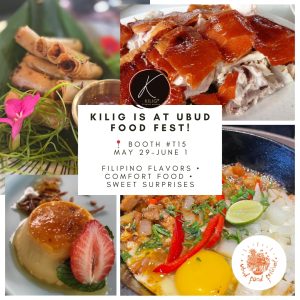
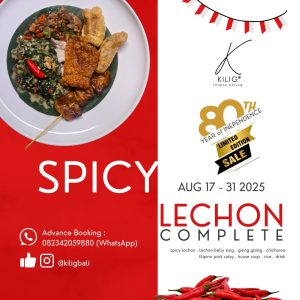
So what do these trends look like in practice? At Kilig Filipino Warung in Ubud, I have designed the experience around a few key interactive pillars. Guests choose their base protein and spice level for our signature adobo, then watch as it simmers in coconut vinegar at the counter. They sample the dish at different stages—before the reduction, after the final glazing—learning how technique transforms flavor.
For private villa dinners, I bring a portable burner and cook the entire meal in front of the guests. They sit under the stars, ask questions, and taste as we go. That format, which I call “kitchen without walls,” has become the most requested experience. It is the purest form of destination dining—connecting the traveler to the place, the ingredients, and the chef in real time.
The growing interest in cultural immersion through food preparation also drives demand for market-to-table tours. I have led guests through Ubud’s morning market, explaining how to pick fresh turmeric, which chilies bring heat versus sweetness, and how to choose a young coconut. Then we return to the kitchen and cook a meal that is personal to that day’s market finds. That is the ultimate experiential event.
Why the Growing Expectation for Unique and Memorable Dining Moments Matters
The shift from passive dining to immersive food engagement is not a passing fad. It reflects a deeper human need: to be part of something meaningful. In a world where so many transactions are automatic and digital, the act of cooking and eating together is powerfully grounding. The growing expectation for unique and memorable dining moments is a demand for authenticity, connection, and joy.
For hospitality professionals and event planners, the message is clear: design experiences that invite participation. Whether it is a simple garnish station at a wedding buffet or a full chef’s table for ten, the investment in interaction pays back in loyalty, word-of-mouth, and emotional impact. The importance of engagement in modern hospitality design is now a prerequisite, not a differentiator.
The role of food tourism in this evolution cannot be overlooked either. Travelers seek out destinations specifically for their food experiences. They want to learn the local culinary experiences firsthand. A cooking class in a Balinese home, a market tour in Bangkok, a sushi masterclass in Tokyo—these are the new souvenirs. They are skills, stories, and photographs that last forever.
Useful Resources
To deepen your understanding of these restaurant experiences trends, explore the following resources. The first is a comprehensive study by the James Beard Foundation on the rise of experiential dining and its impact on the restaurant industry. The second is a resource from the World Food Travel Association that tracks consumer behavior in food tourism and culinary travel.
- James Beard Foundation: The Rise of Experiential Dining
- World Food Travel Association: Culinary Tourism Research
Frequently Asked Questions About Interactive Dining Experiences Are Growing in Popularity
Why are interactive dining experiences becoming popular?
Diners want more than a meal; they seek connection, entertainment, and ownership of the experience. Interactive dining experiences are growing in popularity because they combine great food with participation, storytelling, and sensory engagement, making the meal memorable and shareable.
What is interactive dining?
Interactive dining is a style of service where guests actively participate in the meal preparation, presentation, or storytelling. It includes chef’s table settings, live cooking stations, tableside finishing, cooking classes, and communal dining formats that encourage engagement beyond simply eating.
How does chef’s table dining work?
Guests sit at a counter or table inside or directly adjacent to the kitchen. The chef and team prepare each course in front of them, explaining techniques, ingredient sourcing, and the inspiration behind the dishes. It is a front-row seat to the culinary process.
Why do people enjoy live cooking experiences?
Live cooking adds theater, aroma, and a sense of immediacy to a meal. Watching a chef flame a dish or finish a sauce tableside builds anticipation and trust. It also allows guests to ask questions and customize elements in real time.
How does interactive dining improve guest satisfaction?
Participation increases emotional investment. Guests who help create or learn about their food rate the experience higher because it feels personal. The importance of guest participation in modern culinary events directly correlates with stronger satisfaction scores. For a related guide, see Why Modern Celebrations Prioritize Experiences Over Formality.
What makes experiential dining different from traditional dining?
Traditional dining is passive: the guest orders and receives. Experiential dining involves the guest in the process—through cooking, storytelling, or multi-sensory elements. The focus shifts from the food alone to the entire environment and participation.
How does social media influence dining trends?
Social media rewards visual novelty. Meals that are photogenic or theatrical get shared, creating free marketing for restaurants. This influence of social media on experiential and visually engaging meals pushes restaurants to design dishes and spaces that are both delicious and camera-ready.
Why is participation important in modern dining?
Participation creates ownership and emotional memory. When a guest touches, smells, or assembles part of their meal, they remember it more vividly. This connection between participation and stronger food memory retention is a key reason interactive dining experiences are growing in popularity.
How do restaurants create immersive food experiences?
Through design, service style, and storytelling. Open kitchens, live plating, theatrical table service, personalized menus, and cultural narratives all contribute. The goal is to importance of sensory engagement in enhancing meal enjoyment by involving sight, sound, smell, touch, and taste.
What are examples of interactive dining experiences?
Examples include chef’s table dinners, teppanyaki grills, tableside guacamole preparation, hot pot and shabu-shabu, sushi-making classes, farm-to-table tours with cooking, and multi-course tasting menus with narrated plating.
How does open kitchen dining build trust?
Transparency lets guests see ingredient quality, hygiene, and technique firsthand. How open kitchens and live plating increase transparency and trust is a core principle: when guests watch the chef work, they trust the food more deeply.
Is interactive dining only for luxury restaurants?
No. While high-end luxury dining often uses chef’s tables and personalized menus, casual formats like food trucks that finish dishes in front of you, interactive brunch stations, and family-style social dining also qualify. The concept scales across price points.
What role does a chef play in interactive dining?
The chef becomes a performer and educator. The role of chefs as performers and storytellers in culinary experiences is crucial. They explain ingredients, demonstrate technique, and share the cultural context behind each dish.
How does interactive dining support cultural exchange?
By cooking and eating together, guests learn about a region’s ingredients, traditions, and history. How interactive dining supports cultural exchange and learning makes it especially powerful in tourism-driven destinations like Bali.
Why is exclusivity important in luxury dining trends?
Exclusivity creates perceived value. Limited seating at a chef’s table or a private villa dinner feels special. The importance of exclusivity and novelty in luxury dining trends drives demand for intimate, hard-to-book experiences.
How does food tourism influence experiential dining?
Travelers prioritize authentic, local experiences over generic meals. The influence of tourism on experiential restaurant concepts in destinations like Bali pushes chefs to create immersive dining that reflects local culture and ingredients.
What is the connection between entertainment and dining?
Entertainment adds joy and surprise. The role of entertainment elements in modern restaurant concepts can be subtle or dramatic—tableside cooking, surprise amuse-bouches, or even live music—all enhancing the overall satisfaction.
Can interactive dining work for events and corporate groups?
Yes. Team-building cooking classes, interactive buffet stations, and chef-led tastings are highly effective for corporate groups. How interactive dining strengthens guest bonding and conversation makes it ideal for networking and celebration.
How does personalization affect the dining experience?
Personalization makes guests feel valued. The demand for personalized and customizable food experiences grows because customized menus reflect the guest’s tastes, dietary needs, and the occasion, creating a deeper emotional connection.
What is the future of interactive dining?
The future includes deeper integration of technology like AR menus and interactive tables, combined with even more intimate human interaction. The shift toward experience-driven consumption in the hospitality industry will continue, with guests expecting memorable, participatory meals wherever they dine.
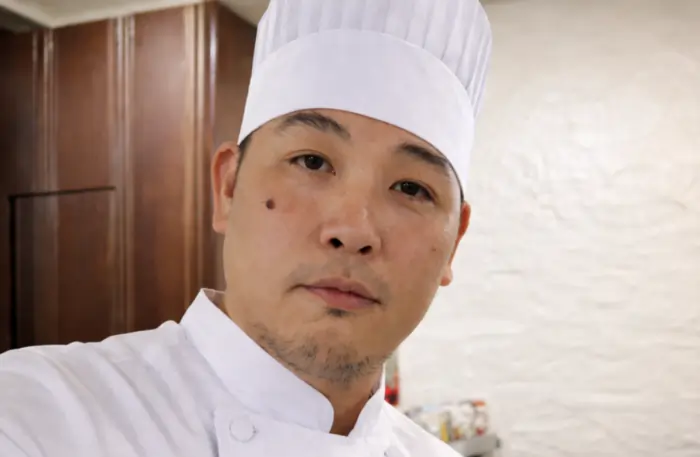
Chef Juan Gadi brings the heart of Filipino hospitality to Ubud, Bali. As an Executive Chef and consultant, he specializes in creating intimate, curated dining experiences that tell a story through every dish. Whether leading the kitchen at Kilig Filipino Warung or hosting a private villa dinner, Chef Juan’s approach is defined by warmth, modern technique, and a commitment to culinary excellence.