

Food Becomes Part of a Destinations Story Key Takeaways
That morning, I understood something profound: Food Becomes Part of a Destinations Story because it speaks a language older than words.
- Food Becomes Part of a Destinations Story through local cuisine , family recipes, and the rituals of daily life.
- Food tourism and culinary traditions help preserve cultural heritage and strengthen cultural identity .
- Authentic food experiences like visiting food markets and attending food festivals create lasting travel experiences and deeper cultural connections .

Why Food Becomes Part of a Destinations Story and How It Shapes Culinary Travel Experiences
I still remember my first morning in Ubud. The air was thick with incense, frangipani, and the distant hum of gamelan. But what truly marked that moment was the scent of fresh lemongrass and coconut milk drifting from a small warung. I sat down, and the woman running the stall placed a bowl of soto ayam before me. One spoonful, and Bali was no longer just a place on a map—it was a taste, a warmth, a welcome.
That morning, I understood something profound: Food Becomes Part of a Destinations Story because it speaks a language older than words. It is the soil, the rain, the fire, and the hands that prepare it. As a chef who brings the heart of Filipino hospitality to Ubud, I have dedicated my life to this truth. Every dish I create at Kilig Filipino Warung or during a private villa dining experience is a chapter in a larger narrative—one of migration, adaptation, and love. For a related guide, see How Villa Dining Creates a More Personal Travel Experience.
For the culinary traveler, local cuisine and culture are inseparable. To taste a region’s food is to understand its history, its struggles, its celebrations. This is not just eating; it is destination storytelling through food. When you bite into a Balinese lawar, you taste the volcanic soil, the Hindu rituals, the communal spirit of a village. When you savor a Filipino adobo, you taste centuries of trade, colonialism, and Filipino resilience.
What Makes Food and Destination Culture Inseparable?
Walk through any food market in Southeast Asia, and you’ll see the answer. The local ingredients tell the story of the land. The culinary history whispers through each spice blend. The dining traditions reveal how people gather, share, and celebrate. Food heritage tourism is not a niche trend; it is the most intimate way to connect with a place.
Cultural dining experiences are the bridge between a tourist and a local. When you sit on a woven mat, eat with your hands, and share a meal with a Balinese family, you are no longer an outsider. You are participating in regional food culture. This is immersive travel at its finest—where every authentic food experience builds a memory that lasts a lifetime.
How Local Cuisine Becomes the Heart of Destination Identity Through Food
Local cuisine is not just a collection of dishes; it is a living archive. In my work, I have seen how destination identity through food is crafted over centuries. Take the Balinese babi guling, for instance. This slow-roasted suckling pig is not just a recipe; it is a ceremonial offering, a symbol of prosperity, and a taste of island life. Every traditional recipe carries the weight of culinary heritage.
Why Is Local Cuisine Important to Cultural Identity?
Think about your own family. What dishes define your holidays? Your comfort foods? That is cultural identity on a plate. For communities around the world, food tourism has become a powerful tool for cultural preservation. When travelers seek out authentic flavors, they support local farmers, fisherfolk, and home cooks. They validate traditions that modernization threatens to erase.
In Bali, regional specialties like sate lilit and nasi campur are more than menu items. They are culinary traditions that connect grandchildren to their ancestors. Family recipes are the thread that weaves generations together. When I cook my grandmother’s sinigang for guests in Ubud, I am not just serving soup—I am inviting them into my cultural connections.
How Do Traditional Recipes Reflect a Region’s History?
Every spice in a traditional recipe tells a story of trade routes and colonization. Every cooking method reflects available resources and climate. The culinary history of the Philippines, for example, is a mosaic of Malay, Chinese, Spanish, and American influences. Our local ingredients like calamansi, bagoong, and ube reflect our volcanic soil and tropical waters. Food storytelling is baked into every dish.
Similarly, Bali’s culinary heritage is shaped by its Hindu traditions, its rice terraces, and its coastal bounty. Authentic food experiences here offer a direct window into the island’s soul. This is why gastronomy tourism is flourishing—travelers no longer want passive sightseeing. They want travel and gastronomy that engages all their senses. For a related guide, see Why Travelers Remember Experiences More Than Destinations.
What Role Does Food Play in Preserving Cultural Heritage?
Cultural preservation is not about freezing traditions in amber. It is about keeping them alive, breathing, and relevant. Food heritage tourism does exactly that. When I host a private dinner, I explain the story behind each course—the history of the adobo, the symbolism of the lechon, the care behind the kinilaw. My guests leave with more than a full stomach; they leave with a deeper understanding of Filipino community culture.
Food festivals are another powerful vehicle for preservation. From the San Sebastian Festival in Bali to the Pahiyas Festival in the Philippines, these events celebrate culinary traditions and regional food culture. They invite travelers to partake in cultural tourism that is vibrant, educational, and delicious.
How Do Food Markets Connect Visitors with Local Culture?
There is no better classroom for culinary travel experiences than a local market. The Ubud Market, for instance, is a sensory overload of colors, aromas, and sounds. Here, you can see fresh turmeric, taste exotic fruits, and watch vendors prepare snacks using methods unchanged for generations. Food markets are living museums of regional food culture.
For the travel food enthusiast, these markets offer direct access to local cuisine. They are also the best places to understand destination identity through food. The ingredients available, the way they are displayed, the vendors’ banter—all of it speaks to the community’s values and rhythms.
Why Do Culinary Traditions Remain Important Across Generations?
Culinary traditions are the anchors of identity in a rapidly changing world. For diaspora communities, a familiar dish can feel like coming home. For younger generations, learning family recipes is a way to honor their roots. Traditional recipes are not just instructions; they are love letters from the past.
As a father and a chef, I see this daily. My children learn to cook adobo and lumpia not because they have to, but because they want to connect with their heritage. This is how food and destination culture survive and evolve. Cultural preservation happens one meal at a time.
How Can Culinary Experiences Help Travelers Understand a Destination?
Cultural dining experiences are among the most effective ways to decode a place. When you participate in a Balinese cooking class, you learn why certain spices are used together. You understand the importance of balance in Balinese cuisine—sweet, sour, salty, bitter, and spicy. These authentic food experiences teach you about the philosophy of a culture.
Travel and gastronomy are natural partners. A meal is a narrative device. It tells you about the land’s fertility, the people’s history, and their values. Food storytelling is an art that every traveler can appreciate.
Why Are Authentic Food Experiences Valued by Modern Travelers?
Modern travelers are tired of cookie-cutter vacations. They want immersive travel that transforms them. Authentic food experiences offer exactly that—a direct, unfiltered encounter with a culture. Whether it’s eating street food in Bangkok, joining a tea ceremony in Kyoto, or sharing a family meal in a Balinese compound, these moments are the highlights of any journey.
Food and destination culture are deeply intertwined. The desire for authentic flavors has driven the rise of culinary travel experiences. Travelers no longer just ask, “Where should I eat?” They ask, “What story does this food tell?”
How Do Local Ingredients Shape Regional Cuisine?
Local ingredients are the foundation of regional food culture. In Bali, coconut, lemongrass, galangal, and kaffir lime are staples. In the Philippines, coconut, vinegar, soy sauce, and tropical fruits dominate. Regional specialties are born from what the land provides. This is culinary history in action—adaptation and innovation within natural constraints.
When I design a menu for a private villa dinner, I start with local ingredients. I source from Balinese farmers and fishermen, then apply Filipino techniques. This fusion creates something new while honoring both culinary traditions. It is a conversation between two cultures, facilitated by food tourism.
What Makes Food an Important Part of Destination Branding?
Destination branding is how a place markets itself to the world. Increasingly, food tourism is at the center of that strategy. Think of Italy and pasta, Japan and sushi, Thailand and pad Thai. Destination identity through food is one of the most powerful hooks for travelers.
For lesser-known destinations, food festivals and culinary travel experiences can put them on the map. Bali has done this masterfully. The island is now synonymous with healthy, flavorful, and spiritually nourishing food. Gastronomy tourism has become a pillar of its economy.
How Do Food Festivals Showcase Local Heritage and Traditions?
Food festivals are celebrations of cultural identity. They bring together traditional recipes, local producers, and the community. The Ubud Food Festival, for example, highlights the richness of Indonesian cuisine while connecting it to global trends. It is a platform for cultural preservation and innovation.
These events are also powerful for destination branding. They attract media attention, culinary tourists, and travel writers. They position the destination as a serious gastronomy tourism hub. For the local community, they instill pride and reinforce culinary heritage.
Why Do Travelers Remember Destinations Through Their Food Experiences?
Because food is emotional. It is tied to memory, comfort, and joy. A perfect bowl of ramen, a shared plate of tacos, a decadent dessert—these are the moments we recall long after the flight home. Travel food experiences are sticky. They cling to our senses and our hearts.
When travelers ask me about their time in Bali, they rarely mention temples first. They talk about a meal they had at a warung, a cooking class they took, a market they explored. Food storytelling becomes their memory of the place. This is why Food Becomes Part of a Destinations Story in such a powerful, lasting way.
How Does Gastronomy Create Deeper Cultural Connections During Travel?
Gastronomy is a universal language. It breaks down barriers. When you share a meal, you share a moment of humanity. Cultural connections are forged over breaking bread. For the traveler, this is the key to immersive travel—moving from observation to participation.
As a chef, I see this at every dinner I host. Strangers become friends over a shared appreciation for local cuisine. They ask questions, laugh, and learn. They leave with not just a full heart, but a deeper understanding of community culture. That is the magic of culinary travel experiences.
Practical Advice for Culinary Travelers and Food Lovers
For those who want to experience authentic food experiences on their next trip, here are a few tips from my kitchen to yours:
Step 1: Ditch the Tourist Traps and Find Food Markets
Food markets are the heart of any destination. Go early, be curious, and try everything. Chat with vendors. Ask about family recipes. This is where regional food culture thrives.
Step 2: Take a Cooking Class with a Local
Nothing teaches you about food and destination culture like cooking with a local. You will learn about local ingredients, dining traditions, and the stories behind the dishes. It is immersive travel at its best.
Step 3: Eat at Food Festivals
Food festivals offer a curated taste of a region’s best culinary traditions. They are also great for meeting food lovers and travel bloggers.
Step 4: Respect the Culinary Heritage
Cultural preservation starts with respect. Support local, sustainable practices. Learn about culinary history. Ask before you photograph. Authentic food experiences are built on mutual respect.
Step 5: Write About Your Experience
Whether you are a travel writer or a social media enthusiast, share your stories. Food storytelling helps preserve and promote food heritage tourism for future travelers.
Useful Resources
To deepen your understanding of food tourism and culinary travel experiences, explore these trusted sources:
- World Food Travel Association — The leading authority on food tourism research, trends, and best practices for destinations and businesses.
- National Geographic Travel: Food — Inspiring stories and guides on how food becomes part of a destination’s story around the world.
Frequently Asked Questions About Food Becomes Part of a Destinations Story
How does food become part of a destination’s story?
Food becomes part of a destination’s story by embedding itself in the daily rituals, celebrations, and history of a place. Every ingredient, recipe, and meal reflects the land, climate, and cultural influences that shape a community. Travelers experience this when they taste local cuisine and learn about its origins. For a related guide, see How Food Choices Shape the Identity of an Event.
Why is local cuisine important to cultural identity?
Local cuisine is a tangible expression of cultural identity. It embodies the values, history, and creativity of a community. For many, traditional dishes are a source of pride and a way to pass down stories to future generations.
How do traditional recipes reflect a region’s history?
Traditional recipes reflect a region’s history through their ingredients, cooking methods, and influences. Trade routes, colonization, migration, and local resources all leave their mark on a dish. Studying culinary history reveals the layers of a region’s past.
What role does food play in preserving cultural heritage?
Food is a living vehicle for cultural preservation. It keeps traditions alive, supports local economies, and educates younger generations. Food heritage tourism provides economic incentives for communities to maintain their culinary traditions.
How can culinary experiences help travelers understand a destination?
Culinary experiences offer a multisensory introduction to a place. Through tasting, smelling, and preparing local cuisine, travelers learn about geography, history, and social customs. Cultural dining experiences create context and empathy.
Why are authentic food experiences valued by modern travelers?
Modern travelers value authentic food experiences because they seek genuine connection over superficial sightseeing. These experiences offer insight into daily life and community culture, creating memories that standard tours cannot replicate.
How do local ingredients shape regional cuisine?
Local ingredients define regional cuisine by dictating what is available and affordable. Chefs and home cooks innovate within these constraints, creating regional specialties that are unique to their area. Culinary history is written by the land.
What makes food an important part of destination branding?
Destination branding leverages food tourism to create a memorable and distinct identity. A region’s local cuisine can become its most powerful marketing tool, attracting food lovers and cultural tourists from around the world.
How do food markets connect visitors with local culture?
Food markets are social hubs where local cuisine, commerce, and community intersect. Visitors can observe dining traditions, sample regional specialties, and interact with vendors. They offer the most direct immersive travel experience.
Why do culinary traditions remain important across generations?
Culinary traditions anchor families and communities to their roots. They provide comfort, continuity, and a sense of belonging. Traditional recipes are often the last link to a homeland or a departed loved one.
How can food tourism support cultural preservation?
Food tourism supports cultural preservation by creating demand for authentic food experiences and local ingredients. It provides income for artisans, farmers, and cooks who keep culinary traditions alive. This economic incentive helps protect culinary heritage.
What role do family recipes play in a destination’s identity?
Family recipes are the building blocks of cultural identity. They preserve food storytelling and culinary history within intimate settings. When shared with travelers, they offer an unparalleled window into a destination’s soul.
How do food festivals showcase local heritage and traditions?
Food festivals gather the best of a region’s culinary traditions in one place. They feature local ingredients, traditional recipes, and live demonstrations. They are celebrations of community culture and destination identity through food.
Why do travelers remember destinations through their food experiences?
Food is deeply tied to emotion and memory. The taste, smell, and context of a meal create powerful, lasting impressions. Travel food experiences often become the defining moments of a trip because they engage all the senses.
How does gastronomy create deeper cultural connections during travel?
Gastronomy facilitates cultural connections by breaking down social barriers. Sharing a meal creates intimacy and trust. Through food and destination culture, travelers move from being observers to participants in a community’s life.
What is food heritage tourism ?
Food heritage tourism is a type of cultural tourism that focuses on experiencing a destination’s culinary traditions, traditional recipes, and food markets. It emphasizes cultural preservation and authentic food experiences.
How do I find authentic food experiences when traveling?
To find authentic food experiences, visit food markets, ask locals for recommendations, take cooking classes, and attend food festivals. Avoid tourist-heavy areas and look for establishments that serve regional specialties.
What are the benefits of culinary travel experiences ?
Culinary travel experiences deepen your understanding of a destination, create lasting memories, and support local economies. They offer immersive travel that engages all senses and fosters cultural connections.
How can I share my food travel stories effectively?
Share your stories by focusing on the people, the ingredients, and the rituals behind the meal. Use food storytelling techniques: describe the setting, the flavors, and the emotions. Tag the location and use relevant food tourism hashtags.
What is destination storytelling through food ?
Destination storytelling through food is the practice of using local cuisine, culinary history, and dining traditions to narrate a place’s identity. It is used by chefs, travel writers, and destination marketers to attract culinary tourists.
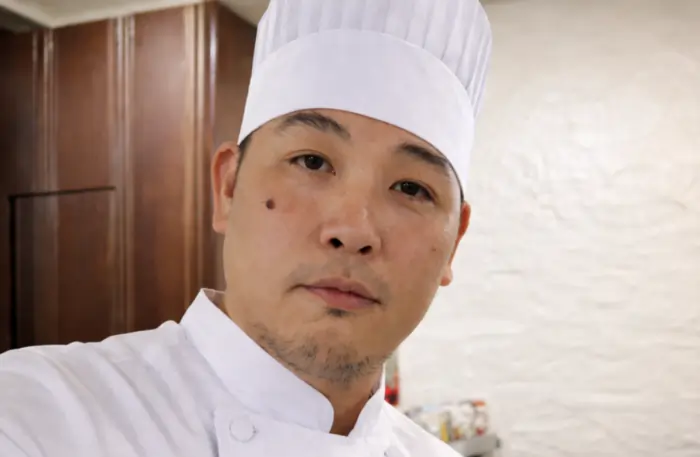
Chef Juan Gadi brings the heart of Filipino hospitality to Ubud, Bali. As an Executive Chef and consultant, he specializes in creating intimate, curated dining experiences that tell a story through every dish. Whether leading the kitchen at Kilig Filipino Warung or hosting a private villa dinner, Chef Juan’s approach is defined by warmth, modern technique, and a commitment to culinary excellence.