Filipino Food Traditions You Can Experience in Bali Key Takeaways
Bali has become a surprising haven for Filipino cuisine, where overseas Filipino community members and local chefs recreate the warmth of home through Filipino Food Traditions You Can Experience in Bali .
- Filipino Food Traditions You Can Experience in Bali include everything from kamayan (hand-eating) feasts to communal lechon celebrations, all rooted in the country’s deep food heritage .
- Authentic Filipino food in Bali spans regional cuisines like Ilocano pinakbet, Bicolano laing, and Mindanaoan rendang, proving that Filipino culinary traditions thrive far beyond the archipelago.
- The island’s Filipino dining experience emphasizes family style dining , culinary storytelling , and Filipino hospitality , making every meal a cultural exchange visitors won’t forget.
Understanding Filipino Food Traditions You Can Experience in Bali
Bali’s multicultural dining scene now proudly features the Philippines, thanks to a growing Filipino community Bali that has brought traditional Filipino recipes, festive rituals, and warm hospitality to the Island of the Gods. For travelers seeking authentic Filipino food, Bali offers a unique bridge between home and abroad. Whether you are a balikbayan craving Filipino dishes or a food tourist curious about Southeast Asian cuisine, these ten Filipino food traditions provide a memorable entry point into Filipino culture. For a related guide, see Why Filipino Cuisine Is a Cultural Bridge for Bali Travelers: 10 Powerful Insights.
Why Filipino Cuisine Is Becoming More Popular in Bali
Filipino cuisine Bali has quietly emerged as a favorite among locals and expats alike. The rise of dedicated Filipino restaurants Bali and pop-up kamayan nights reflects a broader appetite for comfort food that feels both exotic and familiar. According to food writer and travel expert Angelica Torres, “Bali diners now seek out authentic flavors that tell a story — and Filipino culinary storytelling does exactly that through every adobo and sinigang bowl.” The cultural exchange happening over shared plates proves that food remains the most accessible gateway to understanding a nation’s soul. For a related guide, see Why Filipino Food Reflects Centuries of Asian and Western Influences.
What Makes Filipino Family Style Dining Unique
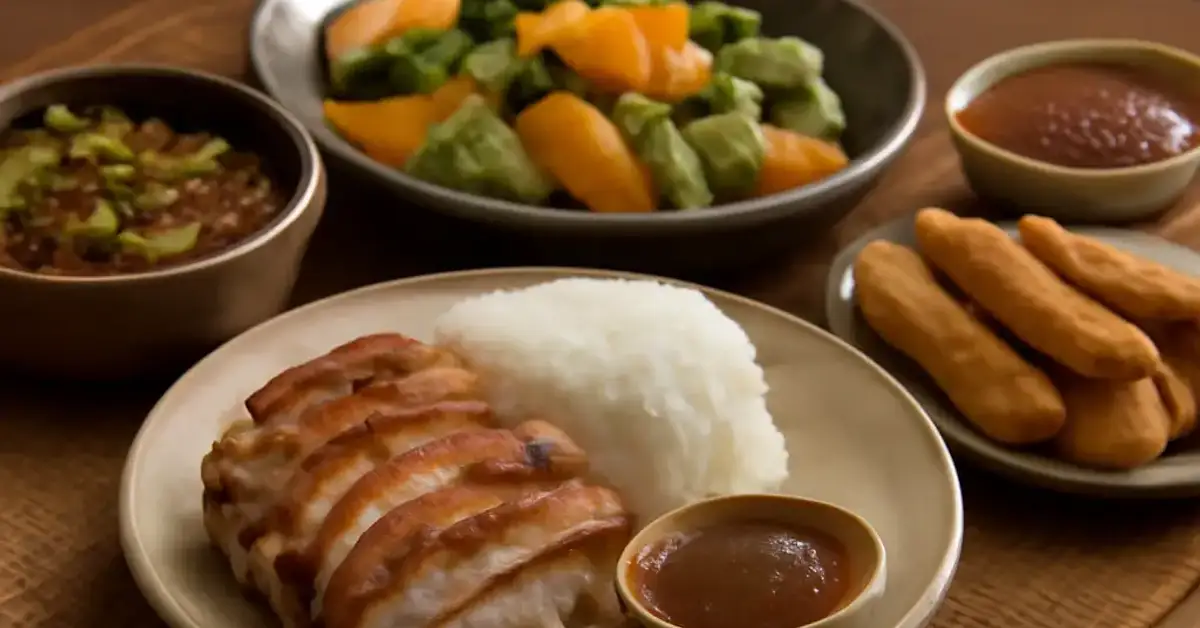
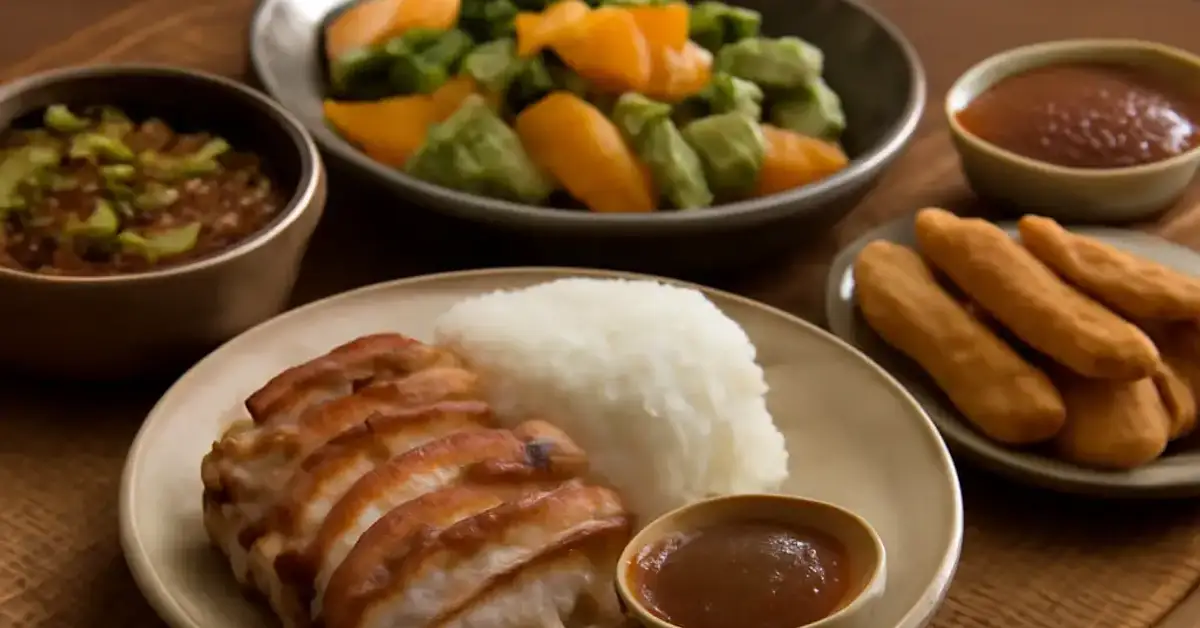
Family style dining is the heart of Filipino hospitality. Unlike plated servings, dishes arrive in the center of the table for everyone to share. This practice, known as salu-salo, turns every meal into a communal meals experience where conversations flow as freely as the rice. In Bali, restaurants replicate this tradition by serving generous platters of regional Filipino dishes such as kare-kare, crispy pata, and sisig, encouraging diners to build their own combinations. The act of passing food strengthens bonds and reflects the Filipino value of pakikisama — harmonious togetherness.
10 Filipino Food Traditions You Can Experience in Bali
1. Kamayan Feasts: Eating with Your Hands
The most iconic of all Filipino food traditions is the kamayan — a communal, hands-on meal where rice, grilled meats, seafood, and fresh vegetables are spread on banana leaves. In Bali, venues like Kusina Bali in Seminyak and occasional pop-ups by the overseas Filipino community host kamayan nights that transport you straight to a provincial fiesta. Diners are encouraged to forget utensils and use their hands to shape rice and viands into perfect bites. This cultural dining practice emphasizes trust and intimacy, making it a must-try for anyone wanting a deep cultural experiences.
2. Lechon Celebrations and Crispy Roasts
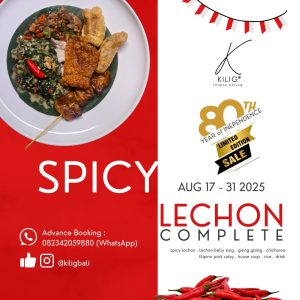
Filipino celebrations are never complete without lechon — a whole roasted pig with crackling skin and tender meat. In Bali, lechon is often prepared for large gatherings and fiesta-themed dinners. Restaurants such as Tambayan Bali in Ubud offer pre-order lechon packages that mirror the festive atmosphere of a Philippine barrio fiesta. The tradition of roasting lechon symbolizes abundance and generosity, core tenets of Filipino heritage. Visitors can taste this crispy perfection while experiencing the lively energy that defines Filipino festivals abroad.
3. Salu-Salo: Shared Rice and Viands
The heart of family style dining lies in the Filipino tradition of salu-salo, where a spread of Filipino dishes is shared among family and friends. In Bali’s Filipino restaurants Bali, you will find tables laden with adobo, sinigang, and lumpia alongside steamed rice. The ritual of scooping portions for others is considered polite and caring. It reflects the hospitality that the Philippines is known for — a generosity that extends to strangers as warmly as to kin. Travelers often remark that this communal style breaks social barriers and fosters genuine connection.
4. Merienda Afternoon Snack Culture
Filipinos take their afternoon snacks, or merienda, seriously. In Bali, cafés run by Filipino expats serve Filipino desserts and savory snacks like turon (caramelized banana spring rolls), bibingka (rice cake), and pancit bihon. This tradition of pausing mid-afternoon for a light meal reflects the leisurely pace of island dining. Whether you are in Canggu or Sanur, a merienda spread offers a sweet glimpse into daily Filipino culture in Bali — a time to recharge and chat over comfort food.
5. Regional Ilocano and Bicolano Flavors
Bali’s Filipino cuisine Bali scene goes beyond mainstream dishes. Several establishments feature regional Filipino dishes such as Ilocano pinakbet (a vegetable stew with bagoong) and Bicolano laing (taro leaves in coconut milk). These traditional Filipino recipes showcase the diversity of the Philippines’ culinary landscape. Chefs source local ingredients like Balinese coconut, chilies, and leafy greens to recreate these dishes with a tropical twist. For adventurous eaters, tasting regional specialties in Bali is a delicious geography lesson on Filipino food heritage. For a related guide, see Why Filipino Culinary Heritage Resonates: 7 Authentic Flavors That Captivate Visitors.
6. Balance of Sour, Salty, and Sweet in Sinigang and Adobo
The Filipino palate loves contrasts, and that is evident in staples like sinigang (sour tamarind soup) and adobo (soy-vinegar braised meat). In Bali, these authentic Filipino food classics are prepared with respect for tradition, yet adapted using local ingredients such as Balinese limes and free-range pork. The balance of sour, salty, and sweet mirrors the Filipino approach to life — resilient yet joyful. Diners who embark on a Bali food guide that includes Filipino fare often find these dishes the most memorable for their bold, layered flavors.
7. Filipino Desserts: Halo-Halo and Leche Flan
No Filipino dining experience is complete without sweets. Halo-halo — a shaved ice dessert with evaporated milk, sweet beans, jackfruit, and ube ice cream — is a tropical delight perfectly suited to Bali’s heat. Many Filipino restaurants Bali offer halo-halo along with leche flan, suman, and biko. These Filipino desserts are not just afterthoughts; they are celebrations of food heritage that use simple ingredients to create complex pleasures. Sharing a halo-halo bowl with friends epitomizes the lighthearted spirit of Filipino communal meals.
8. Pulutan: Drinking Food and Social Bonding
Filipino social life often revolves around pulutan — finger foods enjoyed with beer or spirits. In Bali, bars and Filipino restaurants Bali serve pulutan favorites like sisig (sizzling chopped pork), chicharon bulaklak (crispy pork intestines), and tokwa’t baboy (fried tofu with pork). These salty, crunchy bites encourage long conversations and culinary storytelling. The pulutan ritual is a cherished aspect of Filipino culture in Bali, showing how food fuels cultural exchange even in casual settings.
9. Balikbayan Box-Inspired Dining Experiences
The overseas Filipino community in Bali has turned the nostalgic concept of the balikbayan box into a dining trend. Some pop-up events and small eateries recreate the joy of receiving a care package from home by serving spreads of canned sardines, corned beef, Spam, and processed cheese — all beloved comfort food items for Filipinos abroad. These themed dinners evoke deep food heritage emotions and remind diners why Filipino hospitality extends even through food parcels. It is a quirky yet heartfelt cultural experiences that international visitors find endearing.
10. Fiesta-Style Buffets with Live Music
The grand finale of Filipino food traditions you can experience in Bali is the fiesta-style buffet. Modeled after Philippine town fiestas, these events feature long tables laden with lechon, roasted chicken, and pancit, accompanied by live acoustic music or karaoke. Venues such as the Philippine Independence Day celebration at the Bali Beach Hotel and monthly Filipino community Bali gatherings turn dining into a full-fledged celebration. These buffets exemplify cultural dining at its most joyous, inviting everyone to partake in Filipino celebrations and heritage cooking.
How Filipino Chefs Balance Authenticity with Local Ingredients
One of the most compelling aspects of Filipino cuisine Bali is how chefs honor traditional Filipino recipes while embracing Balinese produce. For instance, sinigang may use Balinese belimbing instead of tamarind, and adobo might get a splash of local coconut vinegar. This cultural exchange does not dilute authenticity — it enriches it. As chef Margarita Fores notes, “Adaptation is part of heritage cooking; our ancestors used what was available. Doing the same in Bali keeps the tradition alive and honest.” Diners benefit from dishes that feel both familiar and uniquely Balinese.
What First-Time Visitors Should Know Before Trying Filipino Food in Bali
If you are new to Filipino dishes, start with accessible items like chicken adobo or lumpia before venturing into bagoong-based dishes. Portions are generous, so sharing is encouraged — embrace family style dining. Most Filipino restaurants Bali are welcoming to non-Filipino guests, and many staff members enjoy explaining the stories behind each dish. Expect rice with almost every meal, and do not shy away from using your hands at kamayan events. This openness is the essence of Filipino hospitality and will make your Bali food guide richer.
Why Experiencing Filipino Food Traditions Is an Essential Part of Bali’s Multicultural Dining Scene
Bali is a melting pot of cuisines, but Filipino food traditions you can experience in Bali stand out for their communal warmth, bold flavors, and emotional resonance. They offer a window into a culture that prizes togetherness, resilience, and joy — values that resonate deeply with travelers. By seeking out authentic Filipino food on the island, you are not just eating; you are participating in a living food heritage. For the overseas Filipino community, these traditions are lifelines to home. For international visitors, they are unforgettable cultural experiences that add depth to any Bali trip.
Useful Resources
For a deeper dive into Filipino culinary traditions in Bali, check out the following resources:
- Tripadvisor’s Guide to Filipino Restaurants in Bali — A curated list of top-rated Filipino dining spots with traveler reviews.
- The Spruce Eats: Introduction to Filipino Cuisine — An authoritative guide to the ingredients, dishes, and traditions that define Filipino cooking.
Frequently Asked Questions About Filipino Food Traditions You Can Experience in Bali
What Filipino food traditions can travelers experience in Bali?
Travelers can enjoy kamayan (hand-eating) feasts, lechon celebrations, family-style salu-salo meals, merienda snacks, pulutan drinking food, fiesta buffets, and regional Ilocano, Bicolano, and Mindanaoan dishes at Filipino restaurants and community events across Bali.
Why is Filipino cuisine becoming more popular in Bali?
Rising demand for diverse Asian flavors, a growing overseas Filipino community in Bali, and the universal appeal of comforting, shareable dishes have made Filipino cuisine a trendy addition to the island’s vibrant food scene.
How do Filipino restaurants preserve traditional dining customs abroad?
Restaurants use banana leaves for plating kamayan, serve dishes in communal platters, offer hand-washing stations, and train staff to explain the rituals of sharing and eating — ensuring the customs remain intact despite being far from the Philippines.
What makes Filipino family style dining unique?
Unlike individual plating, Filipino family style dining involves placing all dishes in the center for everyone to share. This practice, called salu-salo, encourages interaction, generosity, and a sense of community rarely found in other dining cultures.
Which traditional Filipino dishes are commonly served in Bali?
Common dishes include adobo, sinigang, lechon, crispy pata, sisig, kare-kare, lumpia, pancit, pinakbet, laing, halo-halo, and leche flan. These represent the breadth of Filipino cooking from Luzon to Mindanao.
How do Filipino food traditions reflect the country’s culture?
Every tradition — from kamayan to pulutan — emphasizes community, generosity, and adaptability. Food is a medium for expressing hospitality, celebrating milestones, and maintaining connections across distances, reflecting core Filipino values.
Why is sharing meals an important part of Filipino hospitality ?
Sharing food is seen as an act of love and respect. It breaks down social barriers and makes guests feel like family. In Filipino culture, offering your best dish to a visitor is the highest form of welcome.
How do overseas Filipino communities keep culinary traditions alive?
They organize potlucks, fiesta celebrations, and pop-up restaurants; share recipes online; and teach younger generations how to cook traditional dishes — all while adapting to available local ingredients, ensuring the cuisine evolves without losing its soul.
What cultural experiences can visitors enjoy through Filipino cuisine in Bali?
Visitors can participate in kamayan dinners, attend fiesta buffets with live music, join cooking classes for dishes like adobo or bibingka, and listen to culinary storytelling sessions that explain the origins and meanings behind each dish.
How do Filipino chefs balance authenticity with local ingredients?
Chefs maintain the core flavor profiles — sour, salty, sweet — but substitute ingredients like Balinese limes for calamansi, local pork for lechon, and coconut from nearby farms, creating dishes that honor tradition while celebrating Bali’s bounty.
What regional Filipino flavors can travelers discover while visiting Bali?
Travelers can sample Ilocano pinakbet (bitter gourd and bagoong stew), Bicolano laing (taro leaves in spicy coconut milk), Pampanga’s sisig, and Mindanaoan beef rendang — each representing distinct regional palates and cooking techniques.
Why do international visitors enjoy Filipino comfort food?
Filipino comfort food is savory, hearty, and often umami-rich. Dishes like adobo and sinigang have familiar yet distinct flavor profiles that appeal to global palates, while the communal style of eating makes meals feel inclusive and warm.
How does Filipino cuisine create meaningful cultural connections?
By encouraging sharing, storytelling, and participation, Filipino meals become platforms for dialogue. Travelers learn about the Philippines’ history, agricultural practices, and social values simply by dining alongside the overseas Filipino community.
What should first time visitors know before trying Filipino food in Bali?
Start with mild dishes like adobo or lumpia, expect rice with every meal, be ready to share, and don’t hesitate to ask how to eat certain dishes — especially during kamayan. Most restaurants are very accommodating to first-timers.
Why is experiencing Filipino food traditions an essential part of Bali’s multicultural dining scene?
These traditions add a layer of warmth and participatory dining that complements Bali’s other cuisines. They represent a living heritage that enriches the island’s cultural diversity and offers visitors a genuine taste of Filipino identity.
Are there Filipino restaurants in Bali that cater to vegetarian or vegan diets?
Yes, several Filipino eateries in Bali offer vegetable-based dishes like pinakbet, ginisang munggo, and lumpiang sariwa. Some also prepare tofu and tempeh versions of classic dishes upon request, making the cuisine accessible to plant-based diners.
How can I find Filipino community events in Bali?
Follow Facebook groups like “Filipinos in Bali” or “Bali Foodies PH,” check the Philippine Consulate General in Bali’s event calendar, and look out for posters at major Filipino restaurants and grocery stores.
What is the best time to visit Bali for Filipino cultural celebrations?
June is the most festive month, with the Philippine Independence Day celebration (June 12) drawing large crowds. Other key dates include the Filipino Food Month in April and Christmas season gatherings in December.
Do Filipino restaurants in Bali offer takeout or delivery options?
Many Filipino restaurants in Bali offer takeout and delivery through platforms like GoFood, GrabFood, and direct WhatsApp orders. Popular items for delivery include adobo, fried rice, and lumpia.
Can I learn to cook Filipino food while in Bali?
Yes, some Filipino restaurants and private chefs in Bali offer cooking classes. You can learn dishes like chicken adobo, sinigang, or even halo-halo. These classes often include a market tour to source local ingredients.
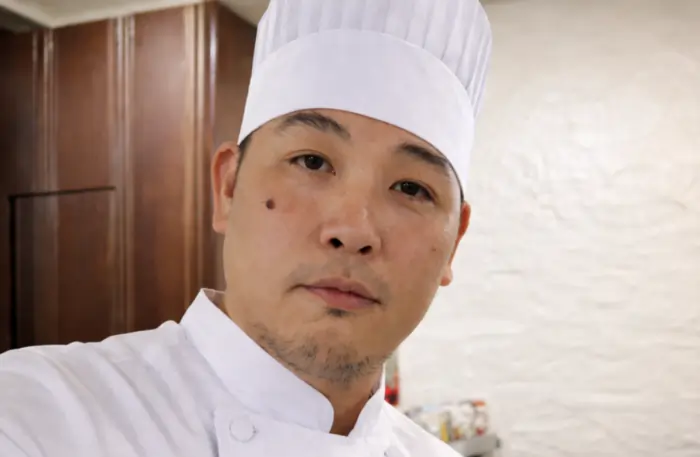
Chef Juan Gadi brings the heart of Filipino hospitality to Ubud, Bali. As an Executive Chef and consultant, he specializes in creating intimate, curated dining experiences that tell a story through every dish. Whether leading the kitchen at Kilig Filipino Warung or hosting a private villa dinner, Chef Juan’s approach is defined by warmth, modern technique, and a commitment to culinary excellence.