
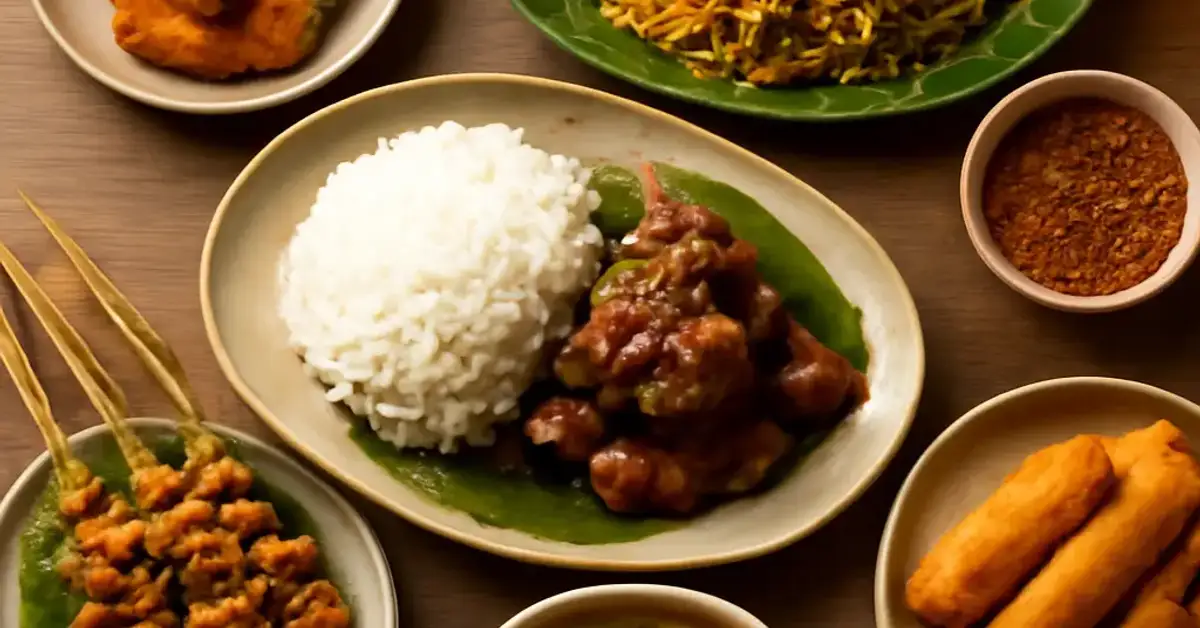
Ways Filipino Food Shares the Story of the Philippines Key Takeaways
Understanding how Filipino cuisine narrates history requires a journey through time and across 7,000 islands.
- Ways Filipino Food Shares the Story of the Philippines begins with indigenous cooking methods like the traditional Filipino recipes of the Ifugao, preserved for centuries.
- Filipino food culture is a vibrant tapestry woven from Spanish influence , Chinese influence , and Malay heritage , each adding distinct Filipino flavors .
- Filipino culinary heritage is preserved through family recipes , regional specialties , and the Filipino dining experience of communal dining , all of which strengthen Filipino cultural identity .
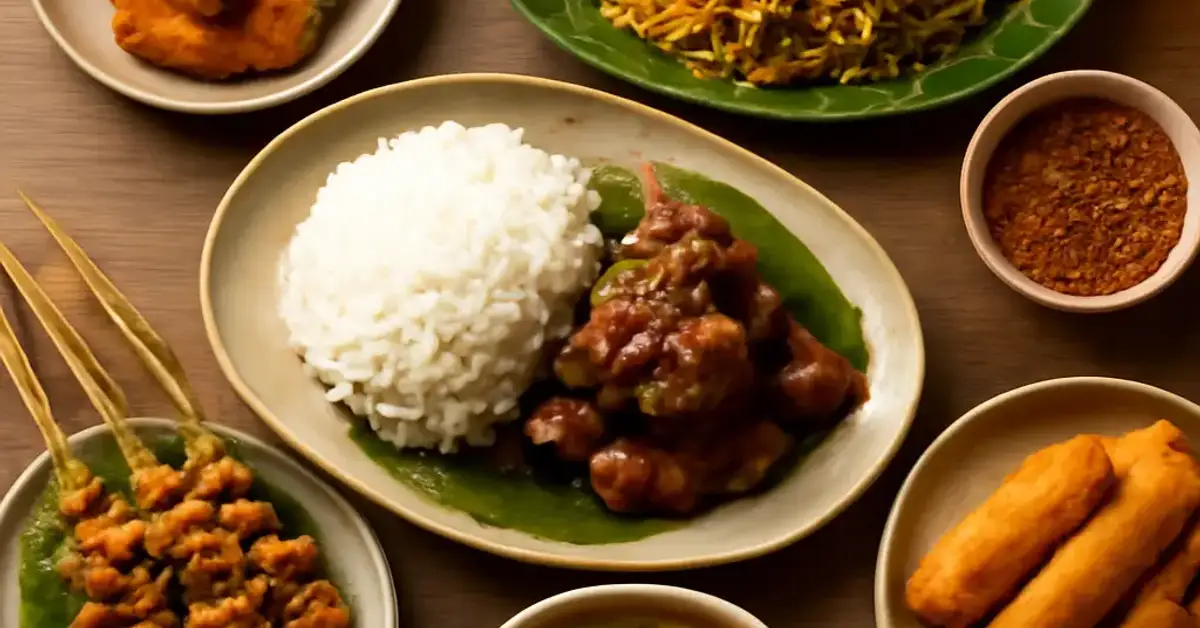
What Are the Key Ways Filipino Food Shares the Story of the Philippines?
Understanding how Filipino cuisine narrates history requires a journey through time and across 7,000 islands. The Filipino culinary heritage is not just about ingredients—it is about survival, adaptation, and celebration. Below, we uncover the twelve most powerful ways this cultural cuisine tells the story of the archipelago.
1. Indigenous Cuisine: Precolonial Roots in Every Pot
Long before foreign ships arrived, the indigenous cuisine of the Philippines relied on local ingredients like taro, coconut, and wild boar. Cooking methods such as inihaw (grilling) and halabos (steaming in salted water) remain unchanged. The Cordillera region, home to the Ifugao people, still practices heritage cooking for festivals, using traditional Filipino recipes that date back to the rice terrace builders. For a related guide, see The Cultural Influences Behind Filipino Cuisine in Bali.
2. Malay Heritage: The Foundation of Filipino Soups and Stews
The Malay heritage of the Philippines brought sinigang (sour soup) and kinilaw (raw fish cured in vinegar). These dishes highlight a Southeast Asian food preference for bright, acidic flavors that balance the tropical heat. Food traditions of simmering vegetables with shrimp paste or fish sauce trace directly to early Austronesian migrations.
3. Chinese Influence: Noodles, Dumplings, and Soy Sauce
Chinese influence in Filipino cuisine is unmistakable. Pancit (noodles) symbolizes long life and appears at every birthday. Lumpia (spring rolls) and siopao (steamed buns) are everyday snacks. The generous use of soy sauce, tofu, and noodle-making techniques arrived with Hokkien traders centuries ago, forever enriching Filipino food traditions.
4. Spanish Influence: The Stews That Shaped a Nation
Spanish influence transformed Filipino flavors with tomatoes, garlic, and olive oil. Adobo, though often called the national dish, actually evolved from Spanish marinade methods combined with local vinegar and soy sauce. Menudo, afritada, and caldereta are tomato-based stews that reflect the Spanish colonial era, adapted with local ingredients like calamansi and gabi.
5. Regional Specialties: A Thousand Islands, a Thousand Dishes
Regional specialties showcase the diversity of Filipino cuisine. In Ilocos, bagnet (crispy fried pork belly) and pinakbet (vegetable stew) reign. In Bicol, coconut milk and chili define every meal. In the Visayas, chicken inasal and cansi (beef marrow stew) are pride. Each region tells a story of geography, local produce, and historical trade routes.
6. Filipino Hospitality: The Heart of Every Meal
Filipino hospitality is inseparable from Filipino food culture. When a guest enters a home, food is offered immediately, often a full meal. This tradition, rooted in the concept of pakikisama (social harmony), makes the Filipino dining experience warm and generous. The phrase “Kain na!” (Let’s eat!) is a genuine invitation to share life.
7. Communal Dining: More Than Just Eating Together
Communal dining is the foundation of Filipino cultural identity. Boodle fights, where banana leaves are spread on a table and piled with rice and viands, originated in the military but now symbolize unity at family gatherings. Sharing a bilao (round bamboo tray) of food reinforces that meals are meant to be shared, not hoarded.
8. Family Recipes: Guardians of Taste and Memory
Family recipes are treasured heirlooms. Passed down through handwritten notebooks or oral tradition, they preserve authentic flavors that commercial versions cannot replicate. The secret to a perfect kare-kare or paksiw na bangus often stays within the family, ensuring cultural preservation one pot at a time.
9. Local Ingredients: The Land and Sea in Every Bite
Local ingredients define Filipino cuisine. From pandan leaves to ube (purple yam), langka (jackfruit), and taba ng talangka (crab fat paste), the Philippines uses what the islands provide. This reliance on island cuisine ingredients makes every meal a reflection of the environment—a true food heritage of the tropics.
10. Culinary Storytelling: How Recipes Preserve History
Culinary storytelling is alive in every merienda and noche buena feast. Grandmothers narrate how puchero was a Spanish adaptation, or how champorado was a breakfast of the poor. These oral traditions reinforce Filipino cultural identity and ensure that younger generations understand the Filipino history through food. For a related guide, see The Cultural Stories Behind Filipino Cuisine Served in Bali.
11. Overseas Filipino Community: Bringing the Philippines to the World
The overseas Filipino community has become a global ambassador of authentic Filipino food. From London to Dubai, small restaurants serve silog meals and halo-halo. These migrants preserve traditional Filipino recipes as a link to home, introducing international visitors to the Filipino dining experience abroad.
12. Food Festivals: Celebrating the Bounty and Culture
Food festivals across the archipelago showcase Filipino food traditions at their most joyful. The Pahiyas Festival in Lucban uses kiping (rice wafers) as decorations, while the Dinagyang and Ati-Atihan festivals feature communal feasts. These gatherings strengthen Filipino cultural identity and invite culinary tourists to taste the country’s joy.
How History and Migration Shaped Filipino Food Traditions
To fully appreciate Ways Filipino Food Shares the Story of the Philippines, we must examine the layers of history. Every wave of migration—from Austronesian settlers to Chinese traders, Spanish colonizers, American influence, and returning overseas workers—left a mark on the pot. This multicultural cuisine is a living timeline of the nation’s past.
The Spanish Colonial Period and Its Culinary Legacy
The Spanish brought not only religion but also livestock, fruits like mangoes and avocados, and new cooking methods. They introduced the paella, which Filipinos transformed into bringhe using coconut milk. The Spanish influence also popularized lechon, now a centerpiece of celebrations.
Chinese Traders and the Birth of Noodle Culture
Chinese merchants settled in the Philippines as early as the 9th century. They introduced noodles, soy sauce, and stir-frying. Over time, Chinese influence blended with local ingredients to create uniquely Filipino versions. The pancit served at a birthday party today is a direct descendant of this fusion.
American Era and the Introduction of Convenience
The American colonial period brought canned goods, refrigerators, and fast food. Spam and corned beef became staples, and fried chicken became a favourite. This era also introduced ice cream and the refrigerator cake called mango float, an icon of modern Filipino food culture.
Why Indigenous Ingredients Remain Vital to Filipino Cuisine
Local ingredients such as malunggay (moringa), alugbati (Malabar spinach), and langka (jackfruit) are not just sustainable—they are culturally and nutritionally significant. Indigenous cuisine relies on these plants for their medicinal properties and taste. Modern chefs now rediscover heirloom crops like heirloom rice and coco sugar, preserving culinary heritage and biodiversity.
| Indigenous Ingredient | Region | Common Use | Cultural Significance |
|---|---|---|---|
| Taro (Gabi) | All regions | Sinigang, Laing | Staple since precolonial times |
| Coconut | Bicol, Visayas | Ginataan, Bicol Express | Symbol of tropical abundance |
| Purple Yam (Ube) | Luzon, Visayas | Halo-halo, Ube Halaya | Colour and sweetness without artificial dyes |
| Heirloom Rice | Cordillera | Red rice, Sinandomeng | Preserved by Ifugao farmers |
How Communal Dining Reflects Filipino Values
Communal dining is not just a practice—it is a philosophy. The bayanihan spirit (community cooperation) extends to the table. When Filipinos share a dulang (low table) or a spread on banana leaves, boundaries dissolve. This practice is foundational to Filipino cultural identity and hospitality.
What International Visitors Can Learn From Filipino Cuisine
For international visitors and cultural travelers, tasting authentic Filipino food is an education. They discover that Filipino flavors balance sour, salty, and sweet in ways unlike any other Southeast Asian food. They also learn that the warmth of Filipino hospitality is not an act—it is the essence of the nation.
Useful Resources
To deepen your understanding of Filipino cuisine and its rich food heritage, explore these authoritative sources:
- BBC Travel: The Unique Story of Filipino Food — A deep dive into the historical layers of Filipino culinary heritage.
- National Geographic: How Filipino Food Is Influencing Global Cuisine — Explores the rise of authentic Filipino dishes on the world stage.
Frequently Asked Questions About Ways Filipino Food Shares the Story of the Philippines
How does Filipino food share the story of the Philippines?
Filipino food preserves history through indigenous ingredients, foreign influences, and rituals that reflect the country’s colonial past, trade routes, and community spirit.
Why is Filipino cuisine an important part of the country’s cultural identity?
It embodies the Filipino values of hospitality, resilience, and adaptability, while also serving as a marker of regional and national pride.
How have history and migration influenced Filipino food traditions ?
Each wave of migration—Malay, Chinese, Spanish, American—introduced new ingredients and techniques, which Filipinos adapted using local produce, creating a unique multicultural cuisine.
What role do indigenous ingredients play in Filipino cuisine ?
Indigenous ingredients like taro, coconut, and heirloom rice provide the foundation of many dishes and are central to cultural preservation and sustainable cooking.
How did Spanish, Chinese, and Malay cultures shape Filipino cooking?
Malay settlers introduced vinegar-based cooking; Chinese traders brought noodles and soy sauce; Spanish colonizers added tomatoes, garlic, and the tradition of lechon—all fusing into traditional Filipino dishes.
Why are family recipes important in preserving Filipino heritage?
They carry unique regional variations and personal histories, passing down authentic flavors and techniques that would otherwise be lost.
How does regional diversity influence traditional Filipino dishes ?
Geography dictates ingredients—from coconut in Bicol to vinegar-based dishes in Luzon—creating regional specialties that often differ dramatically in flavor and preparation.
What makes Filipino hospitality unique through food?
Hospitality is expressed by offering the best food to guests, often cooking extra portions, and encouraging multiple helpings—a reflection of Filipino cultural identity.
How does communal dining reflect Filipino values?
Sharing food from a common tray (boodle fight) reinforces equality, camaraderie, and the bayanihan spirit central to Filipino food culture.
Why do overseas Filipinos preserve traditional recipes across generations?
These recipes provide a taste of home, connect children to their roots, and serve as a vehicle for culinary storytelling far from the archipelago.
What can international visitors learn about the Philippines through its cuisine?
They can learn about the country’s history of colonization, trade, and adaptation, as well as the warmth of its people and the richness of its food heritage.
How does Filipino food connect culture, history, and community?
Dishes are often tied to festivals, family gatherings, and religious occasions, weaving Filipino history through food into everyday life.
Which traditional dishes best represent the country’s heritage?
Adobo, sinigang, lechon, kare-kare, and pancit are iconic, each carrying layers of historical and regional meaning.
How does culinary storytelling strengthen Filipino identity?
Oral traditions associated with recipes—stories of ancestors, events, and innovations—keep Filipino culinary heritage alive for younger generations.
Why is Filipino cuisine gaining recognition among travelers and food enthusiasts worldwide?
Its bold, complex flavors, unique fusion of influences, and the global diaspora of the overseas Filipino community have put it on the map of cultural cuisine.
What are the most common cooking methods in Filipino kitchens?
Key methods include adobo (braising in vinegar), sinigang (souring with tamarind), inihaw (grilling), and ginataan (cooking in coconut milk).
How does the Filipino dining experience differ from other Southeast Asian cuisines?
Filipino dining often features a sweeter and vinegar-forward profile, less reliance on fresh herbs, and a tradition of pairing rice with multiple stews.
Are there vegetarian traditions in Filipino food?
Yes, especially during Lent and in regions like Pampanga, where betute (stuffed frog) and vegetable dishes are common, often using local ingredients like malunggay.
How have food festivals helped preserve Filipino food traditions ?
Festivals like Pahiyas and Dinagyang showcase regional produce and cooking methods, encouraging cultural preservation and attracting culinary tourists.
What is the best way for a beginner to explore Filipino cuisine ?
Start with adobo, sinigang, and pancit; then explore regional specialties like Bicol Express and chicken inasal, and join a boodle fight if possible.

Chef Juan Gadi brings the heart of Filipino hospitality to Ubud, Bali. As an Executive Chef and consultant, he specializes in creating intimate, curated dining experiences that tell a story through every dish. Whether leading the kitchen at Kilig Filipino Warung or hosting a private villa dinner, Chef Juan’s approach is defined by warmth, modern technique, and a commitment to culinary excellence.




