
Why Filipino Food Is Becoming a Favorite Among Bali Travelers Key Takeaways
Filipino cuisine is quietly taking over Bali restaurants, bringing bold vinegar-forward flavors, hearty stews, and a communal dining spirit that resonates deeply with international tourists and food travelers.
- Why Filipino Food Is Becoming a Favorite Among Bali Travelers — the rise of authentic Filipino cuisine in Bali offers a fresh alternative to familiar international menus.
- Key dishes like adobo , lechon , pancit , and lumpia appeal to adventurous eaters and comfort seekers alike.
- Bali’s Filipino restaurant Bali scene is family-friendly, budget-conscious, and rich in cultural storytelling, making it a top recommendation in any Bali dining guide .
Why Filipino Food Is Becoming a Favorite Among Bali Travelers: A Culinary Love Story
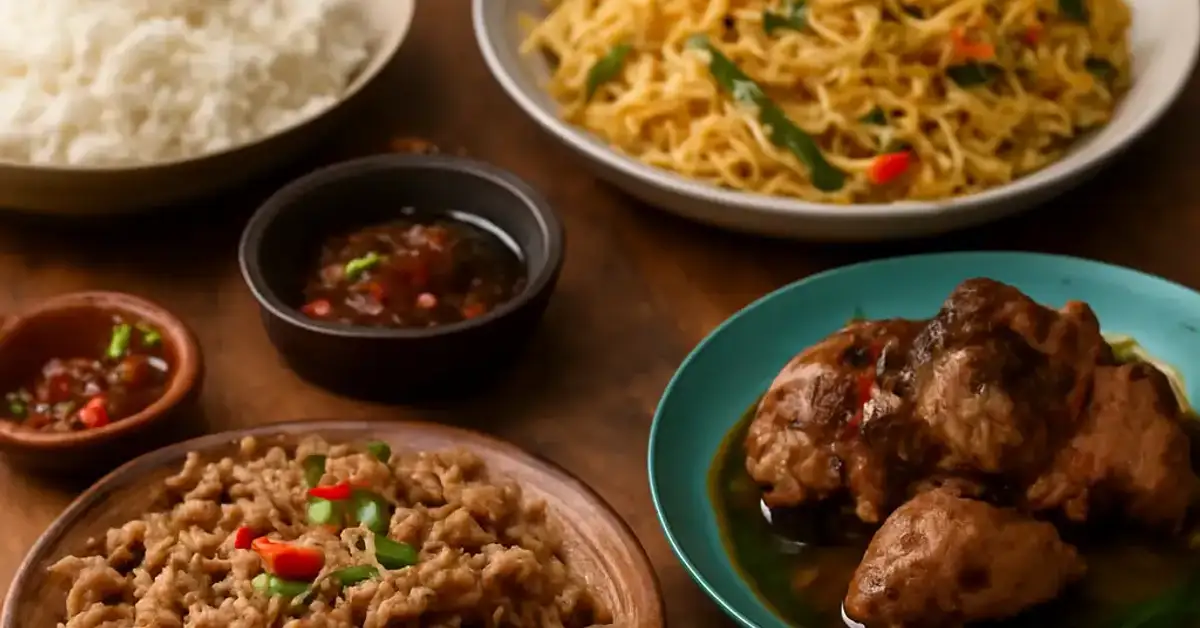
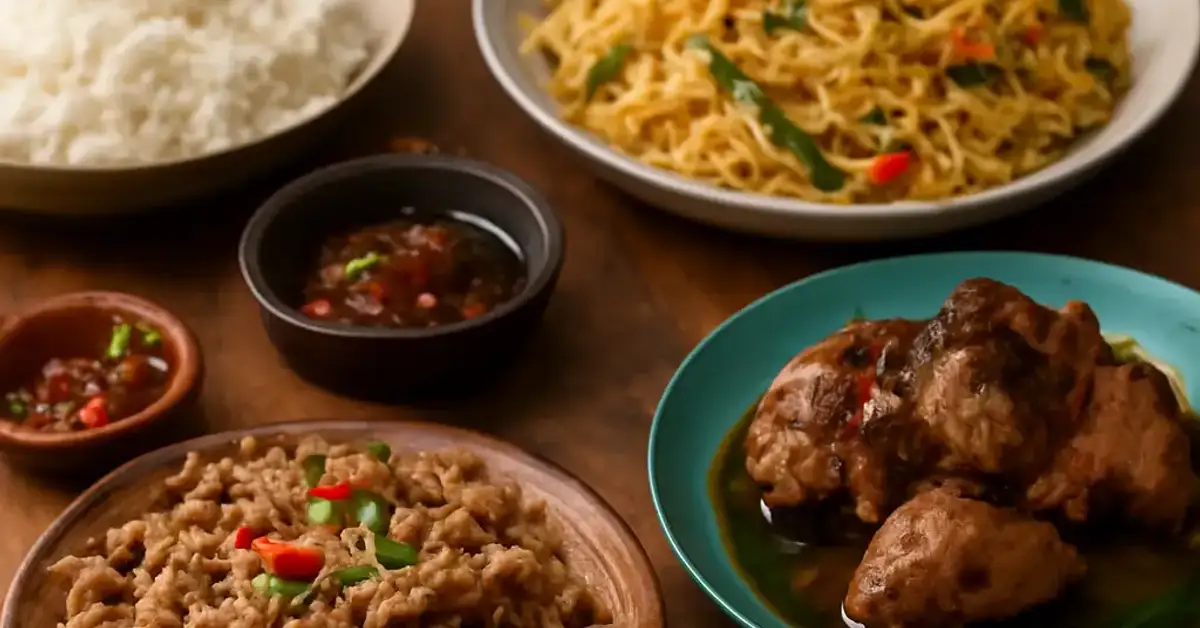
Walk into a Filipino restaurant in Bali and you’ll immediately feel the difference. The air smells of garlic, vinegar, and charcoal-grilled meat. The staff greets you with a warm “Kain tayo!” — a Tagalog invitation to share a meal. As a culinary tourism destination, Bali has long been celebrated for its own vibrant Southeast Asian cuisine, but in recent years, a quiet revolution has been simmering. Filipino food in Bali is no longer a hidden gem — it’s becoming a must-try experience for anyone exploring the island’s rich food culture.
What Makes Filipino Cuisine Unique in Bali’s Food Scene
When you ask what makes Filipino cuisine unique, the answer lies in its bold tanginess and its story of migration and adaptation. Unlike the spice-heavy curries of Thailand or the sweet peanut sauces of Indonesia, authentic Filipino cuisine relies on vinegar, soy sauce, and fermented ingredients to create bright, savory, and slightly sour profiles. Filipino flavors are layered but not overwhelming, making them incredibly approachable for first-time visitors. For a related guide, see A Guide to Understanding Filipino Flavors Before Dining in Bali.
In Bali, where the Bali food scene already celebrates fresh produce and local island dining, Filipino dishes fit right in. They share ingredients like coconut, lemongrass, and tropical fruits, yet offer something distinctly different. This balance of familiar and exotic is exactly why Filipino dining is capturing the hearts of travelers to Bali. For a related guide, see The Ingredients Behind Authentic Filipino Dining Experiences in Bali.
Why Do Tourists Enjoy Filipino Food in Bali?
Travelers often say that after days of eating nasi goreng and satay, they crave something new but still comforting. Filipino comfort food answers that need. Dishes like chicken inasal — a lemongrass-marinated grilled chicken — remind Western palates of smoky barbecue but with a Southeast Asian twist. Meanwhile, the sour tamarind broth of sinigang offers a refreshing contrast to the island’s heat. For international tourists and digital nomads who spend weeks or months on the island, finding a reliable spot for Filipino meals becomes a culinary anchor.
7 Authentic Filipino Dishes You Must Try in Bali
Whether you are a food enthusiast or a vacationer looking for new tastes, these seven traditional Filipino dishes represent the best of Filipino specialties now available across Bali.
Adobo — The National Treasure
Every Filipino family has its own version of adobo, and this beloved stew of braised chicken or pork in soy sauce, vinegar, garlic, and bay leaves is the perfect introduction to Filipino cuisine. In Bali, many Filipino restaurant Bali spots serve adobo with a side of garlic rice and pickled vegetables. Its savory-tangy profile is universally loved, which is why it remains one of the top choices for first time visitors to Bali.
Sinigang — The Sour Soup That Cleanses the Palate
Imagine a hot, sour soup loaded with shrimp, pork, or beef, swimming in a tamarind broth with fresh vegetables like kangkong, radish, and okra. That’s sinigang. For travelers tired of rich, fried foods, sinigang feels like a reset button. It is also naturally gluten-free and can be adapted to pescatarian preferences, answering the question can Filipino food satisfy different dietary preferences with a confident yes.
Sisig — The Sizzling Crowd-Pleaser
No Bali dining guide is complete without mentioning sisig. This sizzling plate of chopped pork face, liver, onions, and chili is often topped with a raw egg that cooks from the heat of the cast-iron skillet. The combination of crispy, soft, and creamy textures makes it an unforgettable experience. Why is Filipino food becoming a favorite among Bali travelers? Because of dishes like sisig that deliver bold flavor in every bite.
Lechon — The Celebration Centerpiece
Whole roasted pig with crackling skin — lechon is the crown jewel of Filipino feasts. While a full lechon is usually reserved for parties, several family friendly restaurants Bali now offer lechon belly rolls or lechon kawali (deep-fried crispy pork belly) as an everyday option. Pair it with lechon sauce made from liver and vinegar for a true taste of Filipino culinary culture.
Pancit — The Noodle of Long Life
Pancit refers to a family of noodle dishes — pancit bihon (thin rice noodles), pancit canton (egg noodles), and pancit palabok (thick rice noodles in shrimp sauce). For Chinese-Filipino heritage, noodles symbolize long life, and sharing a plate of pancit is a common birthday tradition. In Bali, pancit offers a lighter, vegetable-filled meal that appeals to health-conscious travelers and expat in Bali communities.
Lumpia — The Perfect Snack
Crispy spring rolls filled with ground pork, vegetables, and spices — lumpia is the ultimate finger food. Dip it in sweet chili sauce or vinegar with garlic and you have an addictive appetizer. Many Filipino catering Bali services offer lumpia for events, and it is a consistent hit among villa visitors and families looking for kid-friendly options.
Halo Halo — The Dessert That Ends All Meals
Literally meaning “mix mix,” halo halo is a shaved ice dessert topped with sweet beans, coconut strips, jackfruit, leche flan, purple yam (ube) ice cream, and evaporated milk. It is colorful, refreshing, and wildly photogenic — perfect for travel bloggers and food lovers documenting their travel dining experiences. In Bali’s tropical climate, halo halo is pure bliss.
How Does Filipino Cuisine Compare with Indonesian Food?
Both cuisines share rice as a staple and love for grilled meats, but the seasoning profiles differ significantly. Indonesian food relies heavily on kare kare (a peanut-based stew) is actually similar to Indonesian gado-gado in its use of peanut sauce, but the Filipino version uses oxtail and tripe, creating a richer, heartier dish. While Indonesian cuisine uses more fresh herbs like kaffir lime leaves and galangal, Filipino cooking leans into fermented ingredients like bagoong (shrimp paste) and patis (fish sauce). For food tourism Bali visitors, comparing these two proud cuisines is part of the fun of exploring international cuisine in Bali.
Where Can I Find Authentic Filipino Restaurants in Bali?
Finding a genuine Filipino restaurant Bali experience used to require asking around in expat circles. Today, the best Filipino restaurant in Bali options are easily discoverable. Many are located in Canggu, Seminyak, and Ubud — areas popular with tourists, digital nomads, and expat in Bali residents.
Look for places that proudly serve adobo, sinigang, and sisig as daily menu staples. Restaurants that import ingredients like ube, banana ketchup, and specific vinegar varieties from the Philippines tend to deliver authentic Filipino recipes. A welcoming atmosphere with Filipino hospitality — where staff treat you like family — is the hallmark of a truly authentic spot.
Tips for First-Time Visitors at a Filipino Restaurant
When you ask what should first time visitors order at a Filipino restaurant, the answer is simple: start with lumpia as an appetizer, then choose either adobo or chicken inasal as your main to gauge your tolerance for savory-vinegary flavors. Add a side of garlic rice and share a halo halo for dessert. Do not be afraid to ask for recommendations — Filipino chefs and staff are passionate about their food and happy to guide you through the menu.
Why Filipino Comfort Food Is Perfect for Travelers
Why is Filipino comfort food perfect for travelers? Because it is designed to feed a crowd, to be shared, and to satisfy deep cravings. After a long day of exploring temples, surfing, or working remotely, a plate of filipino comfort food like kare kare with its thick peanut sauce and tender oxtail feels like a warm hug. The portion sizes are generous, the flavors are bold but not aggressive, and the prices remain affordable — a key consideration for budget-conscious travelers and families.
What Makes Filipino Dining a Memorable Experience in Bali
Beyond the food itself, what makes Filipino dining a memorable experience in Bali is the atmosphere of warmth and generosity. Filipino hospitality is legendary — expect to be offered extra rice, a taste of the chef’s special, or even a shot of lambanog (coconut wine) to end your meal. Many restaurants also host live acoustic music featuring Filipino classics, turning dinner into an evening of cultural exchange. For culture seekers and travel planners, this human connection elevates a simple dinner into a highlight of their Bali itinerary.
Useful Resources
For more information on Filipino food in Bali and culinary tourism opportunities, explore these resources:
- Discover the diversity of Filipino cuisine on the official Philippines tourism website
- Bali.com — International cuisine guide including Filipino restaurants in Bali
Frequently Asked Questions About Why Filipino Food Is Becoming a Favorite Among Bali Travelers
Why is Filipino food becoming a favorite among Bali travelers?
Filipino food is gaining popularity in Bali because it offers a unique balance of bold tangy flavors, comforting textures, and generous portions that appeal to international tourists. The rise of dedicated Filipino restaurant Bali establishments and the warmth of Filipino hospitality also contribute to its growing appeal as a must-try cuisine.
What makes Filipino cuisine unique compared to other Southeast Asian cuisines?
Filipino cuisine stands out for its heavy use of vinegar, soy sauce, and fermented ingredients like bagoong. Unlike Thai or Indonesian food, it rarely uses heavy doses of fresh herbs or coconut milk for base flavors. Instead, it focuses on savory, sour, and salty profiles, making it distinctively different from neighboring cuisines.
Why do tourists enjoy Filipino food in Bali ?
Tourists enjoy Filipino food in Bali because it is both familiar and novel. Dishes like chicken inasal resonate with lovers of grilled meat, while sinigang offers a sour soup that feels refreshing in the tropical heat. The affordability and shareable nature of Filipino meals also make them popular among groups and families.
Which Filipino dishes are most popular with international visitors?
International visitors most often gravitate toward adobo, sisig, lechon, lumpia, and halo halo. These dishes offer a mix of savory, sizzling, crispy, and sweet textures that please wide-ranging palates.
Where can I find authentic Filipino restaurants in Bali?
Authentic Filipino cuisine can be found in dedicated Filipino restaurant Bali spots in popular areas like Canggu, Seminyak, and Ubud. Look for restaurants that serve traditional Filipino dishes daily and import key ingredients from the Philippines for an authentic Filipino recipes experience. For a related guide, see How to Explore Authentic Filipino Cuisine While Visiting Bali.
How does Filipino cuisine compare with Indonesian food?
Both cuisines center on rice and grilled proteins, but Filipino food is more sour and savory, while Indonesian food emphasizes sweet, spicy, and herbal flavors. Kare kare uses peanut sauce similarly to Indonesian gado-gado, but Filipino versions are heartier with oxtail and tripe.
What should first time visitors order at a Filipino restaurant?
First-time visitors should start with lumpia as an appetizer, then choose adobo or chicken inasal for a main course. Pair it with garlic rice and finish with halo halo for a complete introduction to Filipino flavors.
Why is Filipino comfort food perfect for travelers?
Filipino comfort food is ideal for travelers because it is hearty, affordable, and designed for sharing. After a long day of exploring, a bowl of sinigang or a plate of kare kare offers genuine satisfaction without breaking the budget.
Can Filipino food satisfy different dietary preferences?
Yes, Filipino cuisine can accommodate various dietary needs. Sinigang and pancit can be made gluten-free, lumpia can be served vegetarian, and many dishes like chicken inasal are naturally low in dairy and nuts.
What makes Filipino dining a memorable experience in Bali?
The combination of Filipino hospitality, generous sharing portions, and a joyful atmosphere makes Filipino dining unforgettable. Restaurants often include live music and warm welcomes, turning a meal into a cultural exchange.
Is Filipino food spicy?
Most Filipino dishes are not overly spicy. They rely on sourness from vinegar and tamarind rather than chili heat. Some dishes like sisig can be served with chili on the side, but overall, the cuisine is very approachable for non-spice lovers.
What drinks pair well with Filipino food in Bali ?
Cold beer, particularly a light lager, pairs perfectly with lechon and sisig. For a traditional experience, try lambanog (coconut wine) or fresh buko juice (young coconut water) to complement the savory dishes.
Are Filipino restaurants in Bali kid-friendly?
Yes, many family friendly restaurants Bali that serve Filipino food offer mild options like lumpia, garlic rice, and fried chicken. The communal dining style also works well for families with children.
Do Filipino restaurants in Bali offer catering for events?
Several Filipino catering Bali services provide party trays of pancit, lumpia, and lechon for villa parties, weddings, and corporate events. This is a popular option for villa visitors and expat in Bali communities.
Is Filipino food halal-friendly in Bali?
While not all Filipino restaurants in Bali are halal-certified, many use chicken and beef that are halal-sourced. Travelers should check with individual Filipino restaurant Bali owners to confirm their sourcing practices.
How expensive is Filipino food compared to other cuisines in Bali?
Filipino food is generally affordable in Bali, often priced similarly to local Indonesian warungs for basic dishes. A full meal including appetizer, main, and drink typically costs less than a comparable Western or Japanese meal on the island.
Can I find vegetarian options in Filipino restaurants in Bali?
Yes, while Filipino cuisine is meat-centric, many restaurants offer vegetarian versions of lumpia, vegetable pancit, and even plant-based adobo using tofu or mushrooms. Filipino chefs in Bali are increasingly accommodating plant-based diets.
What is the best time to visit a Filipino restaurant in Bali?
Dinner is the most popular time, especially for sizzling dishes like sisig and chicken inasal. Lunch is also great for lighter options like pancit and sinigang. Many Balinese restaurants offer afternoon promos for halo halo and desserts.
Do Filipino restaurants in Bali deliver or take reservations?
Most Filipino restaurant Bali spots accept reservations through WhatsApp or direct call. Some also offer delivery via GoFood or GrabFood for digital nomads and travelers who prefer dining at their villa or hotel.
Can I learn to cook Filipino food while in Bali?
Some Filipino restaurant Bali owners and Filipino chefs offer private cooking classes or workshops. These sessions teach how to make adobo, lumpia, and pancit using locally available ingredients in Bali.

Chef Juan Gadi brings the heart of Filipino hospitality to Ubud, Bali. As an Executive Chef and consultant, he specializes in creating intimate, curated dining experiences that tell a story through every dish. Whether leading the kitchen at Kilig Filipino Warung or hosting a private villa dinner, Chef Juan’s approach is defined by warmth, modern technique, and a commitment to culinary excellence.