Filipino Food Pairings Worth Trying While in Bali Key Takeaways
Bali is known for its vibrant food scene, and Filipino cuisine is making a delicious mark on the island.
- Filipino food pairings worth trying while in Bali combine savory, sour, and sweet elements for a complete culinary journey.
- Each pairing highlights a core dish and its perfect companion, such as sinigang and steamed rice or sisig and calamansi.
- Chef Juan Gadi’s expertise at Kilig Filipino Warung and private villa dinners ensures an authentic, memorable dining experience.
Why Filipino Food Pairings Are a Must in Bali
Bali has long been a melting pot of flavors, attracting food lovers from around the globe. While the island is famous for its satay and nasi goreng, a new wave of authentic Filipino cuisine is captivating diners. For travelers seeking something beyond the familiar, exploring Filipino food in Bali offers a taste of the Philippines’ rich culinary heritage. For a related guide, see How to Explore Authentic Filipino Cuisine While Visiting Bali.
The beauty of Filipino dining lies in its communal spirit. Meals are shared, and every dish is designed to be paired—whether it’s a protein, a sauce, or a side. When you visit the best Filipino restaurant in Bali, these pairings create a symphony of flavors that tell a story of tradition, resourcefulness, and warmth.
Chef Juan Gadi, Executive Chef and consultant based in Ubud, specializes in intimate, curated dining that brings this philosophy to life. His approach combines modern technique with a deep respect for traditional Filipino food, making every meal an Filipino culinary experience to remember.
The 10 Classic Filipino Food Pairings Worth Trying While in Bali
Each pairing below represents a cornerstone of Filipino dining. Whether you’re at Kilig Filipino Warung or enjoying a private villa dinner with Chef Juan, these combinations will transport your taste buds straight to Manila.
1. Adobo and Garlic Rice
Adobo and garlic rice is the ultimate comfort pair. Adobo, a stew of meat braised in soy sauce, vinegar, garlic, and pepper, is a national treasure. The salty-sour depth of the sauce needs a neutral, fragrant base—enter garlic rice. The crispy garlic bits and fluffy grains soak up every drop of adobo sauce, creating a satisfying bite every time.
Why it works: The acidity of the vinegar cuts through the richness of the meat, while the garlic rice adds texture and aroma. It’s a balanced, hearty meal that exemplifies Filipino comfort food.
Tip: Order your adobo with a side of pickled vegetables (atchara) to add a tangy crunch that lifts the dish.
2. Sinigang and Steamed Rice
Sinigang and steamed rice is a sour soup lover’s dream. Sinigang is a tamarind-based broth loaded with vegetables and your choice of pork, shrimp, or fish. The sourness is bold and refreshing, making it a perfect palate cleanser on a warm Bali day. Plain steamed rice is essential to temper the tartness and make the meal substantial.
Why it works: The soup’s sour profile contrasts beautifully with the neutral rice. It’s a comforting, hydrating pairing that feels both light and filling.
Tip: Add a dash of fish sauce (patis) and a squeeze of calamansi for an extra layer of umami.
3. Sisig and Calamansi
Sisig and calamansi is a match made in savory heaven. Sisig is a sizzling dish of chopped pork face, liver, and onions, seasoned with chili and calamansi—a native citrus fruit. The calamansi is both an ingredient and a finishing squeeze, cutting through the richness and adding a bright, tangy note.
Why it works: The acidity of calamansi balances the fatty, crispy pork, making each bite refreshing rather than heavy.
Tip: Pair sisig with an ice-cold beer or a tropical drink like a calamansi juice spritzer for a complete pulutan (bar snack) experience.
4. Lechon and Liver Sauce
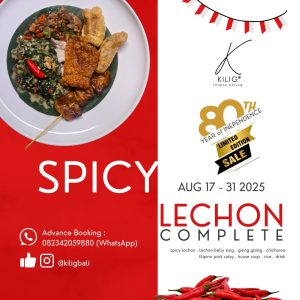
Lechon and liver sauce is the crown jewel of Filipino feasts. Lechon is a whole roasted pig with crackling skin and tender meat. The liver sauce, made from mashed pork liver, vinegar, sugar, and spices, is the quintessential dipping sauce that elevates every bite. The sweet-savory-sour complexity of the sauce is irreplaceable.
Why it works: The rich, fatty pork finds balance in the slightly sweet and tangy liver sauce. The contrast between crunchy skin and silky sauce is textural perfection.
Tip: Don’t skip the lechon skin—it’s the prized part. Dip it generously in liver sauce for the ultimate guilty pleasure.
5. Pancit and Lumpia
Pancit and lumpia is a classic duo served at celebrations. Pancit are stir-fried noodles (often bihon or canton) tossed with vegetables, soy sauce, and sometimes meat. Lumpia are crispy spring rolls filled with seasoned ground pork and vegetables. Together, they offer a contrast of soft, saucy noodles and crunchy, golden rolls.
Why it works: The textures complement each other—soft noodles against crispy lumps. The savory soy-based flavor of pancit pairs naturally with the mildly sweet dipping sauce for lumpia.
Tip: Squeeze a bit of calamansi over both dishes for a unified citrus finish.
6. Kare Kare and Bagoong
Kare kare and bagoong is a lesson in umami balance. Kare kare is a thick peanut stew with oxtail, tripe, and vegetables, often colored with annatto. Bagoong is a fermented shrimp paste that is salty and pungent. The combination of creamy peanut sauce and funky bagoong is surprising and deeply satisfying.
Why it works: The richness of the peanut sauce needs the salinity and crunch of bagoong to cut through the fat. Each bite is a dance of smooth and sharp flavors.
Tip: Serve kare kare with a side of bagoong (sautéed with garlic and chili) and a mound of steamed rice.
7. Chicken Inasal and Atchara
Chicken inasal and atchara brings the flavors of Bacolod to Bali. Inasal is grilled chicken marinated in calamansi, annatto oil, ginger, and lemongrass. Atchara is a sweet pickled papaya relish that cuts through the charred, smoky meat.
Why it works: The acidic marinade tenderizes the chicken, while the sweet-tangy atchara provides a refreshing contrast. It’s a tropical pairing that feels right at home in Bali.
Tip: Drizzle the leftover annatto oil from the grill over your rice for extra flavor.
8. Halo Halo and Leche Flan
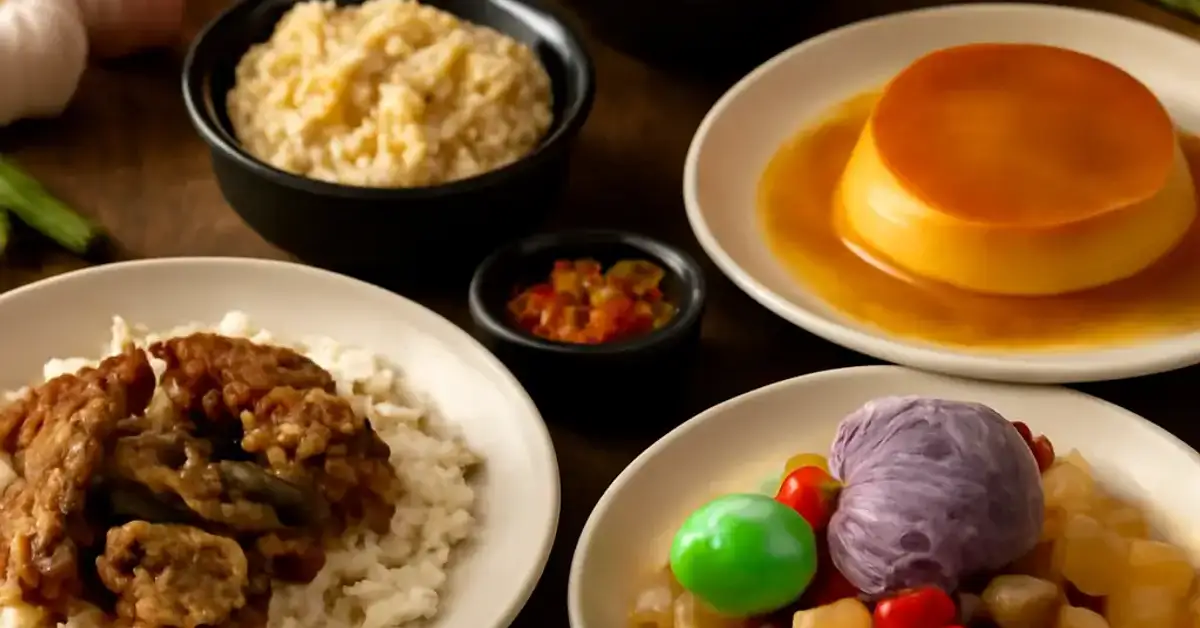
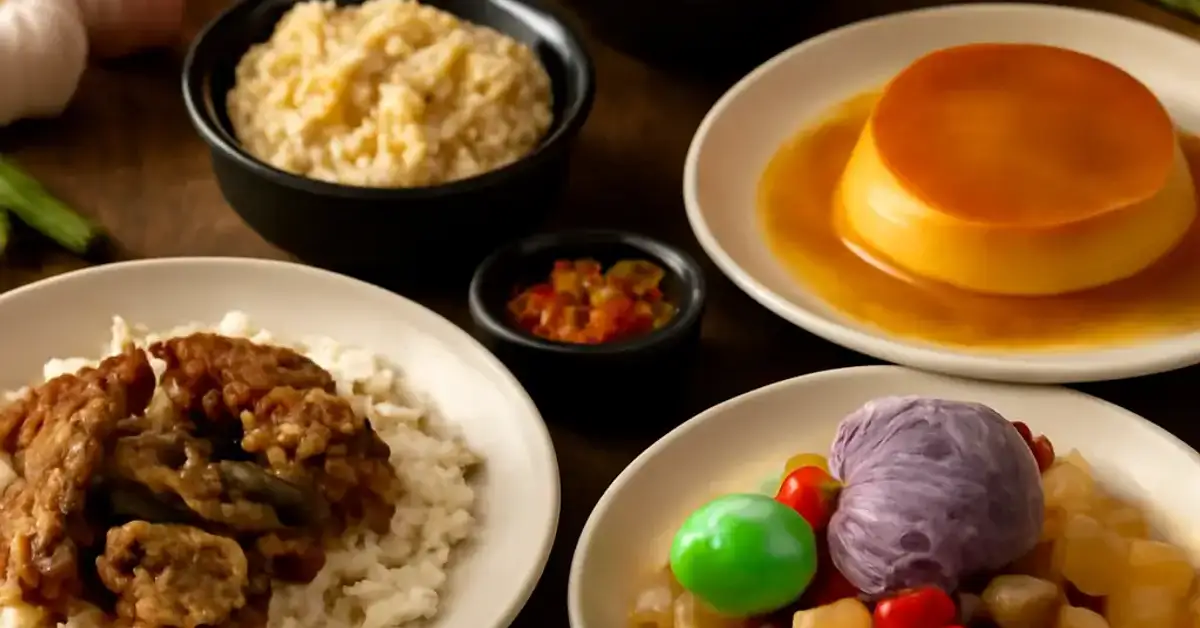
Halo halo and leche flan is the ultimate dessert double act. Halo halo is a shaved ice dessert with sweet beans, fruits, jellies, and ice cream, topped with leche flan. The creamy, caramel-rich leche flan melts into the icy mix, adding sweetness and texture.
Why it works: The cold, crunchy ice and the soft, creamy flan create a delightful temperature and texture contrast. It’s a playful, shareable dessert that ends a meal on a high note.
Tip: Mix everything together before eating so every spoonful includes a bit of leche flan.
9. Ube Desserts (Ube Halaya, Ube Ice Cream)
Ube, or purple yam, is a star of Filipino sweets. Ube desserts like ube halaya (sweet jam) and ube ice cream are often served together in a trio or as a topping for halo halo. The nutty, vanilla-like flavor of ube is uniquely Filipino and utterly addictive.
Why it works: The earthy sweetness of ube pairs well with coconut milk and condensed milk, creating a creamy, indulgent treat.
Tip: Try ube ice cream as a standalone dessert after a spicy meal—it cools the palate beautifully.
10. Filipino Beverages (Calamansi Juice, San Miguel Beer)
No meal is complete without Filipino beverages. Calamansi juice is a tart, refreshing drink made from native citrus, perfect for washing down rich dishes. San Miguel Beer, the country’s flagship lager, is a crisp, light companion for savory meals like sisig and lechon.
Why it works: The acidity of calamansi juice helps digestion and refreshes the palate. The effervescence of San Miguel cuts through fatty meats.
Tip: Ask for a “dirty” calamansi—a shot of gin mixed with calamansi juice and sugar, served over ice for a potent tropical cocktail.
What Drinks Go Well with Traditional Filipino Meals
When dining on traditional Filipino food, the right drink can elevate the experience. For savory meals like adobo and sisig, choose San Miguel Beer or a calamansi spritzer. For spicy or salty dishes like kare kare, a sweet iced tea or coconut water provides balance. For dessert pairings like halo halo, a warm cup of coffee (kapeng barako, a strong Filipino coffee) or a cold glass of milk complements the sweetness.
What Side Dishes Complete an Authentic Filipino Dining Experience
Side dishes are not an afterthought in Filipino dining. At the best Filipino restaurant in Bali, you’ll often find atchara (pickled papaya), ensaladang talong (grilled eggplant salad with vinegar dressing), and itlog na maalat (salted duck eggs) served alongside mains. These sides add acidity, crunch, and saltiness that round out the meal. For a complete spread, order a portion of lumpia as a starter and a bowl of sinigang as a soup course.
How Sauces and Condiments Enhance Filipino Cuisine
Filipino sauces are the magic behind the cuisine’s bold flavors. Soy sauce and vinegar are the foundation of adobo. Bagoong (fermented shrimp paste) defines kare kare. Liver sauce is essential for lechon. Calamansi juice is squeezed over nearly everything. These condiments are not optional—they are integral to the dining experience. Chef Juan Gadi emphasizes that a well-made sauce can transform a simple dish into a memorable one, and his kitchen at Kilig Filipino Warung takes care to prepare each sauce from scratch using local ingredients found in Bali.
Where Can I Enjoy the Best Filipino Food Pairings in Bali
The top destination for Filipino food in Bali is Kilig Filipino Warung in Ubud, led by Chef Juan Gadi. The warung offers a menu crafted around Filipino specialties like adobo, sisig, and kare kare, all served with the proper pairings. For a more exclusive experience, Chef Juan also provides private villa dinners where he curates a multi-course menu tailored to your preferences. Whether you choose the warung or a villa setting, you’ll experience Filipino hospitality at its finest—warm, generous, and unforgettable.
Which Filipino Food Combinations Are Most Popular with Travelers
According to feedback from diners at Kilig Filipino Warung, the most popular Filipino food pairings are adobo and garlic rice, sisig and calamansi, and halo halo and leche flan. Travelers love the familiarity of adobo with a twist of authentic Filipino recipes, and the novelty of sisig’s sizzling presentation. For first timers, the waiter often recommends starting with pancit and lumpia as a light introduction, then moving to kare kare and bagoong for a bold flavor adventure.
What Should First Time Visitors Order for a Complete Filipino Meal
If you’re new to Filipino cuisine, Chef Juan suggests this starter meal: begin with lumpia (crispy spring rolls) as an appetizer, then order adobo and garlic rice as your main. Share a bowl of sinigang on the side for its sour broth. For dessert, choose halo halo and leche flan. Finish with a glass of calamansi juice. This spread covers the essential flavors—salty, sour, sweet, and savory—and gives you a true taste of traditional Filipino food.
Why Filipino Food Pairings Are a Memorable Dining Experience in Bali
What makes Filipino food pairings worth trying while in Bali is the story they tell. Each pairing is rooted in history, geography, and the Filipino hospitality that makes every guest feel like family. Chef Juan Gadi’s expertise ensures that every dish is prepared with care, using techniques that honor authentic Filipino recipes. When you dine at Kilig Filipino Warung or a private villa dinner, you’re not just eating—you’re participating in a culinary experience that connects you to the Philippines through flavors and warmth. For a related guide, see 8 Filipino Villa Dining Experiences Worth Exploring.
Useful Resources
For more inspiration on Filipino cuisine and travel, explore these resources:
- Bali Gastro Guide: Ubud’s Best Restaurants – A comprehensive guide to dining in Ubud, including recommendations for Filipino food.
- Foodiva Philippines: Filipino Dishes You Must Try – A resource for authentic recipes and cultural context behind classic Filipino dishes like adobo and sinigang.
Frequently Asked Questions About Filipino Food Pairings Worth Trying While in Bali
What are the 10 Filipino food pairings worth trying while in Bali?
The ten essential pairings are adobo and garlic rice, sinigang and steamed rice, sisig and calamansi, lechon and liver sauce, pancit and lumpia, kare kare and bagoong, chicken inasal and atchara, halo halo and leche flan, ube desserts, and Filipino beverages like calamansi juice and San Miguel Beer.
Which Filipino dishes pair best together?
Adobo and garlic rice are inseparable, as are sinigang and steamed rice. Sisig and calamansi, lechon and liver sauce, and kare kare and bagoong are also classic pairings that highlight the balance of flavors in Filipino cuisine.
What drinks go well with traditional Filipino meals ?
Calamansi juice, San Miguel Beer, and kapeng barako (strong Filipino coffee) are excellent choices. For sweeter meals, iced tea or coconut water also work well.
What side dishes complete an authentic Filipino dining experience?
Atchara (pickled papaya), ensaladang talong (grilled eggplant salad), and itlog na maalat (salted duck eggs) are common sides. They add acidity, crunch, and saltiness that balance rich mains.
Where can I enjoy the best Filipino food pairings in Bali?
Kilig Filipino Warung in Ubud, led by Chef Juan Gadi, is the premier destination for authentic Filipino pairings. He also offers private villa dinners for a more exclusive experience.
Which Filipino food combinations are most popular with travelers?
Adobo and garlic rice, sisig and calamansi, and halo halo and leche flan are the top three most requested combinations at Kilig Filipino Warung, based on diner feedback.
How do sauces and condiments enhance Filipino cuisine?
Sauces like liver sauce, bagoong, and vinegar-based dips add saltiness, sourness, and umami. They are essential to achieving the complex flavor profile of Filipino dishes.
What desserts pair well with classic Filipino dishes ?
Halo halo and leche flan are the classic duo. Ube desserts like ube halaya and ube ice cream also pair beautifully with any Filipino meal for a sweet finish.
What should first time visitors order for a complete Filipino meal?
Start with lumpia, then order adobo and garlic rice with a bowl of sinigang on the side. End with halo halo and leche flan, and drink calamansi juice.
Why are Filipino food pairings a memorable dining experience in Bali?
The pairings are rooted in tradition, balance, and communal dining. Chef Juan Gadi’s curated approach and warm Filipino hospitality make every meal a storytelling journey that guests remember.
Is Filipino food in Bali spicy?
Generally, no. Filipino cuisine is mild compared to Thai or Indonesian food. Dishes like sisig can be made spicy upon request, but the overall flavor profile leans toward salty, sour, and sweet.
Can I find vegetarian options in Filipino cuisine in Bali?
Yes, you can enjoy dishes like pancit bihon (rice noodles with vegetables), lumpiang gulay (vegetable spring rolls), and sinigang with tofu. Chef Juan Gadi can accommodate vegetarian requests at Kilig Filipino Warung and villa dinners.
What is the best time to enjoy Filipino food in Bali ?
Filipino food is great any time, but lunch and dinner are the most popular. Halo halo is a perfect afternoon treat, while sisig and beer make for a fun evening appetizer.
How does Chef Juan Gadi incorporate local Balinese ingredients into Filipino dishes ?
He uses locally sourced vegetables, tropical fruits, and spices where possible. For example, he might use Balinese calamansi or fresh turmeric in traditional Filipino sauces, enhancing freshness while preserving authenticity.
Are there gluten-free Filipino food pairings ?
Many Filipino dishes are naturally gluten-free, including sinigang, kare kare, and chicken inasal (served with rice). Always confirm with the chef to avoid any hidden soy sauce containing wheat.
What makes Kilig Filipino Warung different from other Filipino restaurants in Bali?
Chef Juan Gadi’s focus on curated pairings, modern techniques, and Filipino hospitality sets it apart. The menu is designed to let diners experience the full range of Filipino flavors in one meal.
Can I book a private dining experience with Chef Juan Gadi?
Yes, Chef Juan offers private villa dinners where he designs a bespoke menu based on your preferences. It’s perfect for celebrations, romantic dinners, or groups wanting an exclusive culinary experience.
What is the average cost of a Filipino meal in Bali?
At Kilig Filipino Warung, a full meal including a main dish, side, and drink costs approximately IDR 100,000–200,000 per person. Private villa dinners are priced according to the menu and number of guests.
Do I need to make a reservation at Kilig Filipino Warung?
For walk-ins, tables are available, but it’s recommended to book for larger groups or during peak dinner hours to ensure availability.
Can I get Filipino food delivered in Bali?
Delivery options depend on the restaurant. It’s best to call Kilig Filipino Warung directly or check their social media pages for the latest delivery services.
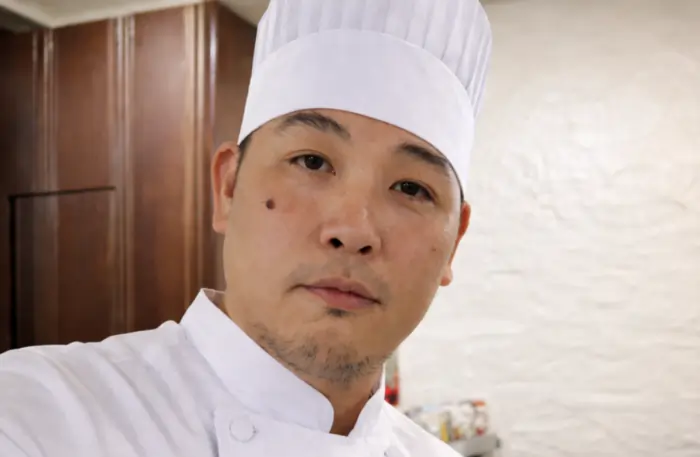
Chef Juan Gadi brings the heart of Filipino hospitality to Ubud, Bali. As an Executive Chef and consultant, he specializes in creating intimate, curated dining experiences that tell a story through every dish. Whether leading the kitchen at Kilig Filipino Warung or hosting a private villa dinner, Chef Juan’s approach is defined by warmth, modern technique, and a commitment to culinary excellence.