Filipino Food Experiences Every Bali Traveler Should Have Key Takeaways
Filipino cuisine is quietly becoming one of Bali’s most exciting food scenes, fueled by an influx of Filipino chefs and the island’s love for bold, soulful flavors.
- Filipino Food Experiences Every Bali Traveler Should Have include hands-on boodle fights and intimate villa dinners led by chefs like Juan Gadi.
- Authentic dishes such as adobo , sinigang , and kare-kare are now available at dedicated warungs and pop-ups across Ubud and Seminyak.
- Filipino hospitality—warm, personal, and story-driven—elevates every meal into a cultural highlight of your Bali vacation.
Why Filipino Food Experiences Every Bali Traveler Should Have Matter in 2025
Bali has long been a melting pot of global cuisines, but until recently, Filipino food experiences in Bali were hard to find. That’s changing fast. Travelers are craving authenticity, and Filipino food delivers exactly that—bold flavors, communal traditions, and a deep sense of home. Whether you’re a first-time visitor or a seasoned food explorer, seeking out these experiences promises memorable meals that connect you to the Philippines’ rich culinary heritage without leaving the island. For a related guide, see 10 Filipino Food Experiences Travelers Love in Bali.
What Makes Filipino Cuisine Unique for International Travelers
Filipino cooking is a vibrant fusion of Malay, Chinese, Spanish, and American influences, yet it tastes like nothing else. The use of vinegar, patis (fish sauce), and calamansi creates a signature sour-salty-savory profile. For international tourists, dishes like adobo (braised meat in soy and vinegar) or sinigang (tamarind-based soup) feel both familiar and excitingly new. Authentic Filipino cuisine Bali chefs now serve these classics with local Balinese ingredients, adding a fresh twist that delights the palate. For a related guide, see 9 Filipino Dining Trends Influencing Bali’s Culinary Scene.
11 Unforgettable Filipino Food Experiences Every Bali Traveler Should Have
1. Join a Traditional Boodle Fight in Ubud
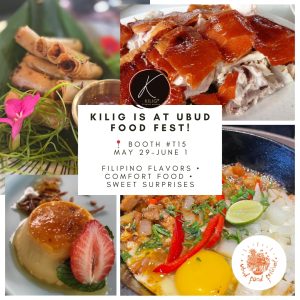
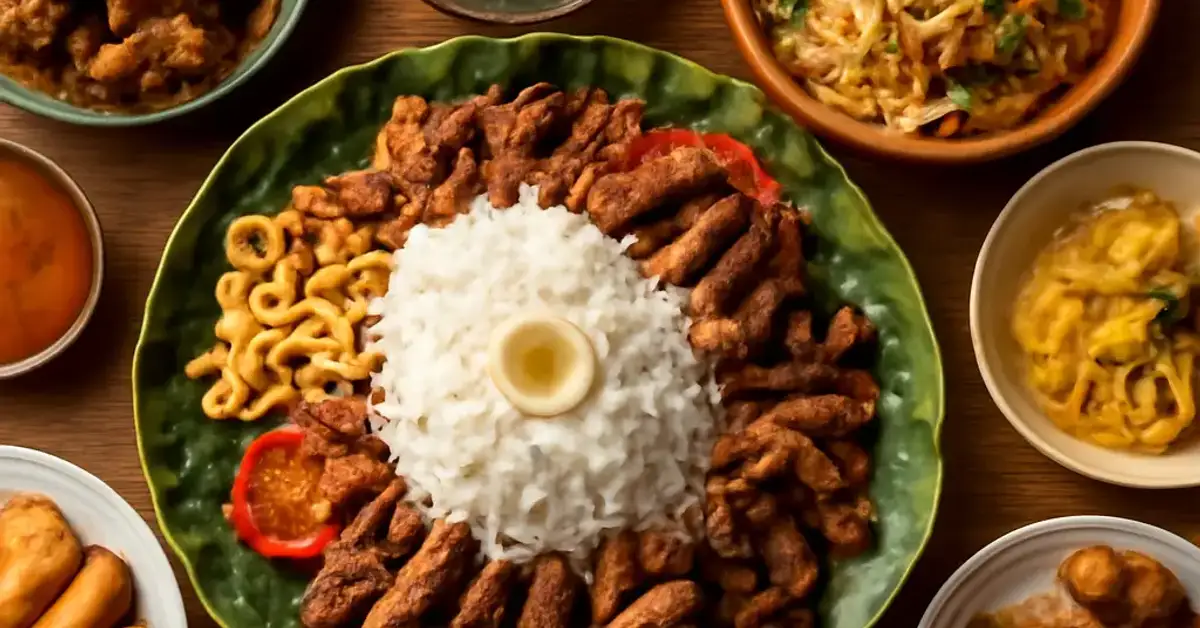
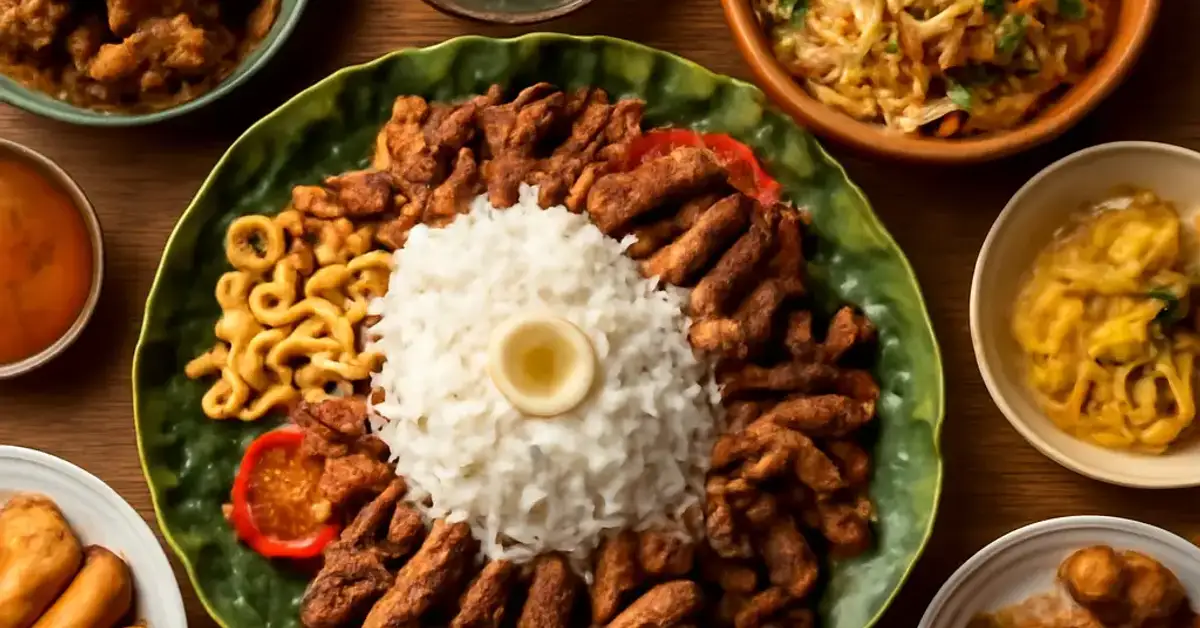
Few Filipino food experiences in Bali are as joyful as a boodle fight—a communal feast where banana leaves are spread across the table and piled with rice, grilled meats, vegetables, and dipping sauces. Everyone eats with their hands, sharing stories and laughter. Where can I enjoy the best Filipino dining experiences in Bali? Head to Kilig Filipino Warung in Ubud, where Chef Juan Gadi occasionally hosts boodle fights for groups. It’s messy, fun, and deeply Filipino.
2. Savor Silky Leche Flan at a Local Dessert Pop-up
Leche flan is the Filipino version of crème caramel—dense, creamy, and topped with golden syrup. This dessert is a staple at Filipino gatherings and is now popping up at dessert stalls in Seminyak and Canggu. For the full experience, ask for a slice served chilled, paired with a strong cup of barako coffee.
3. Taste Classic Adobo at Kilig Filipino Warung
Adobo is the unofficial national dish of the Philippines, and you haven’t truly tried authentic Filipino cuisine Bali until you’ve had a perfect adobo. Chef Juan Gadi’s version uses free-range chicken braised in coconut vinegar, soy sauce, garlic, and bay leaves. Served with steamed jasmine rice and a side of pickled papaya, it’s comfort at its finest.
4. Experience a Private Villa Dinner with Chef Juan Gadi
For travelers seeking an elevated experience, a curated villa dinner is among the most intimate Filipino food experiences every Bali traveler should have. Chef Juan designs multi-course menus that tell a story—from lumpia spring rolls to halo-halo dessert—while you dine under the stars. This is where Filipino hospitality Bali dining truly shines: every dish is paired with a personal anecdote about its origin.
5. Cool Down with Halo-Halo on a Hot Bali Afternoon
Halo-halo (which means “mix-mix”) is a shaved ice dessert layered with sweet beans, coconut strips, jackfruit, leche flan, ube ice cream, and evaporated milk. It’s a rainbow in a glass and the perfect antidote to Bali’s tropical heat. Look for it at Filipino-run cafes in Sanur or ask at Kilig for their special version.
6. Learn to Cook Filipino Dishes in a Ubud Cooking Class
What better way to understand Filipino cuisine than by cooking it yourself? Some local chefs now offer hands-on classes where you’ll make pancit (stir-fried noodles) and turon (fried banana spring rolls). It’s an interactive Filipino food experience in Bali that doubles as a souvenir recipe to recreate at home.
7. Try Kare-Kare with Fresh Balinese Vegetables
Kare-kare is a thick peanut stew traditionally made with oxtail and vegetables. In Bali, chefs incorporate local greens and organic peanuts from the island’s farms. The dish is served with bagoong (shrimp paste) on the side—a salty contrast that makes each spoonful addictive. This is one traditional Filipino meal perfect for first-time visitors because it’s mild yet deeply flavorful.
8. Sip Calamansi Juice at a Warung
Calamansi (a small, tart citrus fruit) is the backbone of Filipino drinks. A glass of fresh calamansi juice sweetened with a touch of honey is both refreshing and packed with vitamin C. You’ll find it on the menu at many best Filipino dining Bali spots, served over ice with a sprig of mint.
9. Enjoy a Kamayan Feast on the Beach
Kamayan (“by hand”) is the traditional way of eating Filipino food—with no utensils, just clean hands. Some Bali beach clubs now offer kamayan feasts featuring grilled prawns, stuffed squid, and crispy lechon kawali. This style of eating makes Filipino dining one of the highlights of a Bali vacation, as it connects you to the land and the people in a very tactile way.
10. Discover Modern Filipino Cuisine at a Seminyak Pop-up
Bali’s culinary scene is always evolving, and Filipino chefs are contributing to that shift. Look for pop-up dinners in Seminyak that fuse Filipino flavors with modern techniques—think adobo-glazed pork belly with a Balinese sambal or sinigang-inspired ceviche. These events are announced via Instagram, so follow local food accounts to stay in the loop.
11. End Your Night with Turon and a Filipino Dessert Platter
Turon—deep-fried banana spring rolls coated in caramelized brown sugar—is the ultimate street food dessert. In Bali, it’s often served with a scoop of ube ice cream and a drizzle of coconut caramel. It’s the sweet finale that will have you dreaming of Filipino food experiences every Bali traveler should have long after you’ve left the island.
How Filipino Hospitality Enhances the Dining Experience
Filipino hospitality Bali dining is about more than just good food—it’s about feeling like family. Chef Juan Gadi exemplifies this approach: he greets every guest personally, shares the stories behind each dish, and ensures that every need is met with a warm smile. This level of care turns a simple dinner into a cherished memory. As Chef Juan says, “I want every guest to leave feeling they’ve tasted not just the Philippines, but the heart of its people.”
Common Mistakes to Avoid When Seeking Filipino Food in Bali
Don’t assume that any “Asian fusion” spot serves authentic Filipino dishes—many watered-down versions exist. Always check for Filipino-run kitchens or consult local foodie groups. Another mistake: skipping the desserts. What desserts and drinks should I not miss? Leche flan, halo-halo, and turon are non-negotiable. And finally, avoid eating a boodle fight too quickly—it’s a social event meant to be savored slowly.
Useful Resources
For more on the culture behind Filipino cuisine, visit Rappler’s guide to Filipino food for travelers. To find upcoming pop-up dinners and cooking classes in Bali, check Now Bali Times’ culinary events calendar.
From the first bite of adobo to the last spoonful of halo-halo, Filipino food experiences every Bali traveler should have are now within easy reach. Whether you’re a solo digital nomad or traveling with family, let the warmth of Filipino cuisine and Chef Juan Gadi’s expert hospitality turn your Bali trip into an unforgettable culinary journey. Don’t leave the island without living these 11 experiences—they’re the taste of home away from home.
Frequently Asked Questions About Filipino Food Experiences Every Bali Traveler Should Have
What are the 11 Filipino food experiences every Bali traveler should have?
The 11 experiences include: boodle fight, leche flan, adobo at Kilig, private villa dinner with Chef Juan Gadi, halo-halo, cooking class, kare-kare, calamansi juice, kamayan feast, modern Filipino pop-up, and turon dessert platter.
Which authentic Filipino dishes should I try in Bali?
Must-try authentic dishes include chicken adobo, sinigang na baboy, kare-kare, pancit bihon, and grilled liempo. Many are available at Kilig Filipino Warung and pop-up kitchens.
Where can I enjoy the best Filipino dining experiences in Bali?
Kilig Filipino Warung in Ubud and private villa dinners hosted by Chef Juan Gadi offer the most authentic and curated Filipino dining in Bali.
What makes Filipino cuisine unique for international travelers?
Filipino cuisine combines sour, salty, and savory elements using ingredients like vinegar, patis, and calamansi. It’s a unique fusion that feels both exotic and comforting to new palates.
What traditional Filipino meals are perfect for first-time visitors?
Adobo, sinigang, and kare-kare are excellent starting points. They are approachable, not overly spicy, and highlight the cuisine’s distinct flavor profiles.
How does Filipino hospitality enhance the dining experience?
Filipino hospitality is warm, personal, and story-driven. Chefs like Juan Gadi share the cultural background of each dish, making guests feel welcomed and connected.
What desserts and drinks should I not miss?
Don’t miss leche flan, halo-halo, turon, and fresh calamansi juice. For a drink, try barako coffee or a tropical fruit shake.
Can I experience a traditional boodle fight in Bali?
Yes, Kilig Filipino Warung in Ubud hosts boodle fights for groups upon request. It’s a communal, hands-on feast that’s both fun and authentic.
Why is Filipino food becoming a must-try cuisine in Bali?
Growing Filipino diaspora, rising interest in Southeast Asian street food, and unique flavors are making Filipino cuisine a standout choice for food travelers in Bali.
What makes Filipino dining one of the highlights of a Bali vacation?
Filipino dining combines bold flavors, communal eating traditions, and warm hospitality—a combination that creates lasting memories for visitors.
Is Filipino food spicy?
Generally, Filipino food is not very spicy. It focuses on sour, salty, and savory notes. Chili is used sparingly, but you can often request extra heat.
How do I find Filipino pop-up dinners in Bali?
Follow local food blogs, Instagram accounts like @kiligwarung, and check the Now Bali Times events calendar for announcements.
Are Filipino ingredients available in Bali?
Yes, many specialty stores in Ubud and Seminyak carry Filipino staples like bagoong, patis, and ube powder. Warungs often import key items directly.
What is a kamayan feast?
Kamayan is the traditional Filipino way of eating with hands, using banana leaves as a plate. It’s often a festive, communal meal with grilled meats and vegetables.
Can I book a private villa dinner with Chef Juan Gadi?
Yes, Chef Juan offers intimate curated dining for groups of 6–20 guests. Contact Kilig Filipino Warung for inquiries and availability.
What does a boodle fight cost per person in Bali?
Prices vary depending on the menu and group size, typically ranging from IDR 150,000 to IDR 350,000 per person. Advance booking is required.
Are there vegetarian Filipino options in Bali?
Yes, many warungs now offer vegetable lumpia, tofu adobo, and sinigang made with mushroom broth. Always confirm when ordering.
What is the best time to enjoy halo-halo in Bali?
Mid-afternoon during the hottest part of the day is perfect. Find it at Kilig or at dessert pop-ups in Seminyak.
Is Filipino food suitable for children?
Absolutely. Dishes like adobo, pancit, and leche flan are kid-friendly and mild in flavor. The hands-on boodle fight is especially fun for families.
How do I stay updated on Filipino food events while in Bali?
Follow @kiligwarung on Instagram and join local Facebook food groups like “Bali Foodies” for event announcements and recommendations.
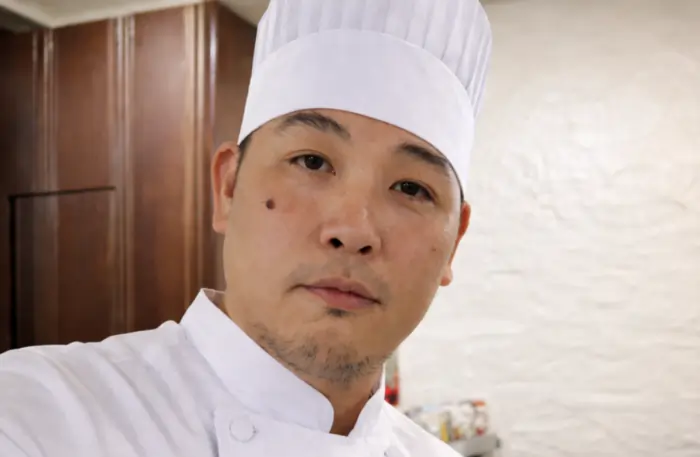
Chef Juan Gadi brings the heart of Filipino hospitality to Ubud, Bali. As an Executive Chef and consultant, he specializes in creating intimate, curated dining experiences that tell a story through every dish. Whether leading the kitchen at Kilig Filipino Warung or hosting a private villa dinner, Chef Juan’s approach is defined by warmth, modern technique, and a commitment to culinary excellence.