

Filipino Drinks That Pair Perfectly With Tropical Dining Key Takeaways
The Filipino Drinks That Pair Perfectly With Tropical Dining experience goes beyond mere refreshment—it anchors every meal in culture, climate, and community.
- Discover why calamansi juice and sago gulaman are essential at any tropical table.
- Learn how buko juice and mango shake enhance the flavors of authentic Filipino cuisine .
- Find out where to enjoy these traditional Filipino beverages in Bali for an unforgettable culinary experience .

What Makes Filipino Drinks That Pair Perfectly With Tropical Dining So Special
When you step into a Filipino restaurant Bali scene, you quickly realize that the drink menu is just as important as the food. The Philippines and Bali share a tropical climate, and both cultures understand that a well-chosen drink can elevate a meal from good to unforgettable. Filipino beverages rely heavily on local ingredients—sour calamansi, sweet ripe mangoes, creamy young coconut, and fragrant pandan leaves. These tropical drinks are designed to refresh, balance, and complement the bold, savory, and sometimes spicy notes of Filipino food pairings. For travelers exploring the Bali food guide, seeking out these Filipino refreshments adds a layer of food tourism Bali that feels both adventurous and comforting. For a related guide, see 7 Signature Ingredients Behind Filipino Cuisine in Bali.
8 Essential Filipino Drinks for Your Tropical Dining Experience
Below are the eight must-try beverages that define the Filipino culinary experience in a tropical setting. Each pairing note explains why these drinks work so well with specific dishes.
1. Calamansi Juice – The Citrus Cleanser
Calamansi juice is the quintessential Filipino refreshment. Made from the small, sour native citrus, it delivers a bright, tangy hit that cuts through the richness of fried foods and stews. Pair it with adobo—the vinegar and soy sauce flavors harmonize beautifully. The acidity also prepares your palate for the next bite. In Bali’s humid afternoons, a tall glass of iced calamansi juice is pure relief.
2. Sago Gulaman – The Sweet Gelatinous Treat
Sago gulaman combines tapioca pearls and jelly cubes in a sweet, brown-sugar-and-vanilla syrup. It is a favorite afternoon drink that doubles as a light dessert. This beverage pairs well with sinigang—the sweet-and-sour contrast is surprising but delightful. The chewy texture also adds a playful element to the dining experience, making it a hit with kids and adults alike.
3. Buko Juice – Nature’s Hydrator
Fresh buko juice is young coconut water served straight from the shell, often with tender coconut meat. It is naturally sweet, mineral-rich, and incredibly hydrating—perfect for Bali’s tropical heat. Enjoy it alongside sisig; the cool, subtle sweetness tames the sizzling, spicy pork dish. Buko juice is also a popular base for cocktails, but it shines best in its pure form.
4. Mango Shake – The Creamy Tropical Delight
When you think of tropical fruit drinks, the mango shake instantly comes to mind. Made from ripe Philippine mangoes, milk, and ice, it is velvety, sweet, and indulgent. This shake pairs exceptionally well with halo halo or even savory grilled meats like inihaw na liempo (grilled pork belly). The natural fruit sugars balance the smoky char, while the creamy texture soothes the palate.
5. Pandan Drinks – A Fragrant Escape
Pandan drinks use the aromatic screwpine leaf, which imparts a floral, vanilla-like note. Often served as iced tea or blended into shakes, pandan beverages are popular throughout Southeast Asian cuisine. They pair beautifully with lumpia (spring rolls) and other light appetizers, as the fragrance enhances rather than overpowers the food. For a unique twist, ask for a pandan iced latte at a Filipino restaurant Bali.
6. Salabat – The Ginger Warmer
Salabat is a soothing ginger tea that Filipinos drink for comfort and digestion. Despite the tropical setting, a warm cup of salabat after a heavy meal like kare-kare (peanut stew) aids digestion and clears the sinuses. In Bali, many restaurants serve it cold as salabat iced tea, which retains the ginger kick while offering a refreshing alternative. It is one of those traditional hot and cold Filipino beverages that surprises first-timers with its versatility.
7. Kapeng Barako – The Bold Coffee
Kapeng barako is a strong, earthy coffee variety from the Batangas region. Its bold flavor makes it a natural partner for Filipino desserts like leche flan or ube halaya. The bitterness cuts through the sweetness, creating a balanced finish to any meal. Coffee lovers visiting Bali will find that kapeng barako holds its own against the island’s famous coffee culture. Enjoy it black or with a splash of fresh coconut water for a local twist.
8. Tsokolate – The Rich Heritage Drink
Tsokolate is a thick, traditional hot chocolate made from pure cacao tablets. It is less sweet than Western hot chocolate and has a slight graininess that purists love. This drink is a must with bibingka or puto bumbong—rice cakes traditionally eaten during the Christmas season but available year-round in many Filipino specialties restaurants. In Bali, enjoy tsokolate at a beachfront café while watching the sunset; the warmth of the drink contrasts perfectly with the evening breeze.
Where to Find Authentic Filipino Drinks in Bali
Bali has a growing number of spots that serve authentic Filipino cuisine alongside these signature beverages. Several Filipino restaurant Bali establishments have opened in Seminyak, Canggu, and Ubud, catering to both the Filipino expat community and curious food lovers. When you order, ask for the traditional Filipino beverages rather than generic alternatives. Many places use local ingredients like Balinese limes or palm sugar, which add a subtle island twist without losing the original character. For restaurant recommendations, check local Bali food guide blogs or ask your villa host—they often know hidden gems that travelers miss. For a related guide, see How to Explore Authentic Filipino Cuisine While Visiting Bali.
How to Pair Filipino Beverages with Your Meal
Mastering Filipino food pairings is simpler than it seems. Start with a light, sour drink like calamansi juice for appetizers. Move to a sweet or creamy option like buko juice or mango shake with the main course. Finish with a warm beverage like kapeng barako or tsokolate alongside dessert. This progression cleanses the palate, complements flavors, and mirrors Filipino hospitality—generous, thoughtful, and welcoming. If you are dining at a Filipino restaurant Bali, the staff can guide you, but these eight drinks offer a solid starting point.
Why Tropical Ingredients Matter in Filipino Refreshments
The Philippines is blessed with an abundance of tropical fruits and plants, which form the backbone of its refreshment culture. Refreshing drinks like sago gulaman and pandan drinks rely on ingredients that thrive in hot, humid climates. These are not imported substitutes; they are grown, harvested, and prepared fresh. For food explorers in Bali, tasting these Filipino flavors in their intended environment is a revelation. The sweetness of ripe mango, the tartness of calamansi, the creaminess of young coconut—all these elements shine when the weather is warm and the company is good.
Comparison: Cold vs. Hot Filipino Drinks for Tropical Weather
| Drink | Temperature | Best Paired With | Best Time to Drink |
|---|---|---|---|
| Calamansi Juice | Cold | Adobo, fried dishes | Lunch or afternoon |
| Sago Gulaman | Cold | Sinigang, light snacks | Midday snack |
| Buko Juice | Cold | Sisig, grilled meats | Any time |
| Mango Shake | Cold | Halo halo, grilled pork | Dessert or brunch |
| Pandan Drinks | Cold | Lumpia, appetizers | Afternoon tea |
| Salabat | Hot / Cold | Kare-kare, heavy stews | After meals |
| Kapeng Barako | Hot | Leche flan, ube desserts | Breakfast or after dinner |
| Tsokolate | Hot | Bibingka, puto bumbong | Evening or brunch |
Useful Resources
For more on Filipino drinks and food tourism Bali, explore these reliable sources:
- Food and Wine: Bali Food Guide – A comprehensive overview of the island’s culinary landscape, including international influences.
- Lonely Planet: Bali Food Guide – Expert tips on where to eat and drink in Bali, with mentions of unique beverage offerings.
Embrace the Full Filipino Culinary Experience in Bali
The Filipino Drinks That Pair Perfectly With Tropical Dining are more than just accompaniments—they are invitations to slow down, taste, and connect. Whether you are a solo traveler, a couple, or a family exploring the Bali food guide, adding these Filipino beverages to your itinerary will enrich your trip. The combination of authentic Filipino cuisine, warm Filipino hospitality, and Bali’s stunning island dining settings creates memories that linger long after the last sip. So on your next visit to a Filipino restaurant Bali, raise a glass of calamansi juice or kapeng barako and toast to the beautiful marriage of two tropical cultures. Book your table today and discover why these traditional Filipino beverages are the perfect companions for your Bali adventure.
Frequently Asked Questions About Filipino Drinks That Pair Perfectly With Tropical Dining
What are the 8 Filipino drinks that pair perfectly with tropical dining ?
The eight are calamansi juice, sago gulaman, buko juice, mango shake, pandan drinks, salabat, kapeng barako, and tsokolate. Each complements specific dishes and the tropical climate.
Which Filipino beverages should I try in Bali?
Start with calamansi juice and buko juice for refreshment, then move to kapeng barako and tsokolate for a richer experience. Many Filipino restaurants in Bali serve all eight.
What drinks pair best with traditional Filipino dishes?
Calamansi juice pairs with adobo, buko juice with sisig, mango shake with grilled meats, and salabat with kare-kare. The contrast between sour, sweet, and savory creates balance.
Where can I enjoy authentic Filipino drinks in Bali?
Look in Seminyak, Canggu, and Ubud for Filipino restaurants like Kuya J or local pop-ups. Also check Bali food guide blogs for the latest recommendations.
What makes Filipino tropical beverages unique?
They rely on indigenous ingredients like calamansi, pandan, and young coconut, and they balance acidity, sweetness, and bold flavors to complement hearty meals.
Which refreshing drinks are popular during warm weather?
Calmasi juice, sago gulaman, buko juice, and mango shake are the most popular cold beverages. Pandan iced tea is also a favorite for its aromatic coolness.
How do Filipino drinks complement savory meals?
They provide contrast: sour drinks cut through fat, sweet drinks cool heat from chili, and creamy drinks coat the palate to mellow strong flavors.
What traditional hot and cold Filipino beverages are worth trying?
Hot choices include salabat, kapeng barako, and tsokolate. Cold favorites are calamansi juice, buko juice, mango shake, and pandan drinks. Sago gulaman works both ways.
Why are tropical ingredients important in Filipino drinks ?
They provide natural sweetness, acidity, and hydration that adapt to hot climates. Using local ingredients also supports sustainability and authentic flavor profiles.
What is the best Filipino drink for first time visitors to Bali?
Buko juice is the safest and most accessible entry point. It is familiar yet exotic, hydrating, and pairs with almost any dish. Calamansi juice is a close second.
Can I find vegan-friendly Filipino drinks in Bali?
Yes. Calamansi juice, buko juice, sago gulaman, and pandan drinks are typically vegan. Confirm with the restaurant that no dairy or honey is added.
Are there alcoholic versions of these Filipino drinks ?
Some restaurants serve calamansi mojitos, buko cocktails, or pandan rum punches. Ask for a “Filipino-inspired cocktail” at bars in Seminyak or Canggu.
What is the difference between sago gulaman and halo halo?
Sago gulaman is a drink with tapioca pearls and jelly in syrup, while halo halo is a dessert with shaved ice, beans, fruits, and toppings. Both are sweet but distinct.
How can I make calamansi juice at home in Bali?
Buy fresh calamansi at local markets like Pasar Badung. Squeeze 5-6 fruits, mix with water, sugar, and ice. Adjust sweetness to taste. It is that simple.
Is kapeng barako available in Bali cafes?
Yes. Some specialty coffee shops in Ubud and Seminyak carry Batangas beans. Ask for “Batangas coffee” or check Filipino-run cafes.
What food tourism experiences in Bali highlight Filipino drinks ?
Cooking classes, food tours, and pop-up dinners often include beverage pairings. Look for events hosted by Filipino chefs or community groups in Bali.
Can children enjoy these Filipino beverages ?
Absolutely. Drinks like mango shake, buko juice, and sago gulaman are kid-friendly. Calamansi juice may be tart, so adjust sweetness for younger palates.
What is the best time of day to drink salabat?
Salabat is traditionally consumed after meals for digestion, but many enjoy it as a morning tea or a cold afternoon refresher in Bali’s heat.
Are pandan drinks available outside Filipino restaurants?
Yes. Pandan is common in Southeast Asian cuisine, so you will find pandan iced tea, pandan lattes, and pandan smoothies in many Bali cafes and juice bars.
What should I order if I want a non-alcoholic, non-caffeinated drink?
Choose buko juice, sago gulaman, or calamansi juice. They are naturally caffeine-free and alcohol-free, perfect for all ages and dietary needs.
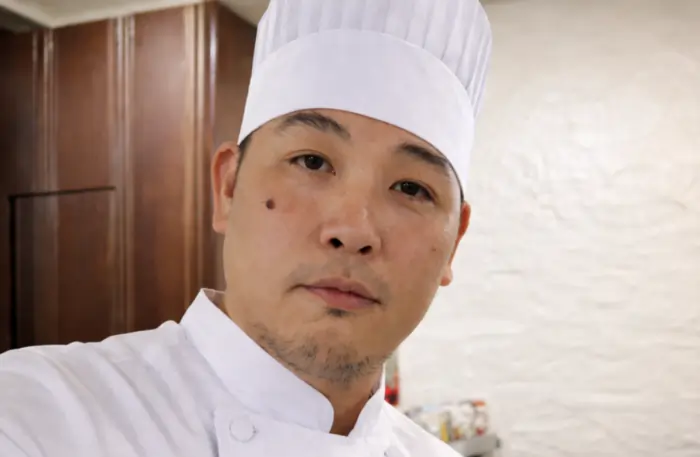
Chef Juan Gadi brings the heart of Filipino hospitality to Ubud, Bali. As an Executive Chef and consultant, he specializes in creating intimate, curated dining experiences that tell a story through every dish. Whether leading the kitchen at Kilig Filipino Warung or hosting a private villa dinner, Chef Juan’s approach is defined by warmth, modern technique, and a commitment to culinary excellence.