Menu Ideas Inspired by Filipino and Balinese Flavors Key Takeaways
Exploring the crossroads of two rich island cuisines, this guide presents 12 menu ideas inspired by Filipino and Balinese flavors that blend familiar comfort with tropical surprises.
- Learn how menu ideas inspired by Filipino and Balinese flavors can transform traditional recipes into unforgettable fusion meals.
- Discover shared ingredients like coconut milk, lemongrass, and turmeric that unite the two culinary traditions.
- Find out where to enjoy Filipino-inspired dining in Bali and why fusion dining is captivating travelers today.
What Makes Menu Ideas Inspired by Filipino and Balinese Flavors So Special
When Chef Juan Gadi first stepped into a Balinese market, the scent of coconut milk simmering alongside lemongrass and turmeric felt instantly familiar. Born in the Philippines and now based in Ubud, Chef Juan brings the warmth of Filipino hospitality to every dish he creates. His Filipino Balinese fusion cuisine doesn’t just combine ingredients—it tells a story of two archipelagos separated by sea but united by a love for fresh seafood, local spices, and grilled dishes.
Filipino and Balinese cuisines complement each other beautifully. Both rely on slow-cooked stews, vibrant sours, and the smoky char of open flames. The Philippines gives us adobo, sinigang, sisig, and lechon; Bali counters with nasi goreng, sate lilit, babi guling, and lawar. Together, they create a menu that feels both exotic and comforting—a perfect match for culinary travelers and food lovers exploring Southeast Asia.
12 Menu Ideas Inspired by Filipino and Balinese Flavors
Each dish below weaves bolded LSI keywords naturally into the narrative, answering your most pressing questions about Filipino Balinese fusion cuisine.
1. Adobo-Spiced Nasi Goreng
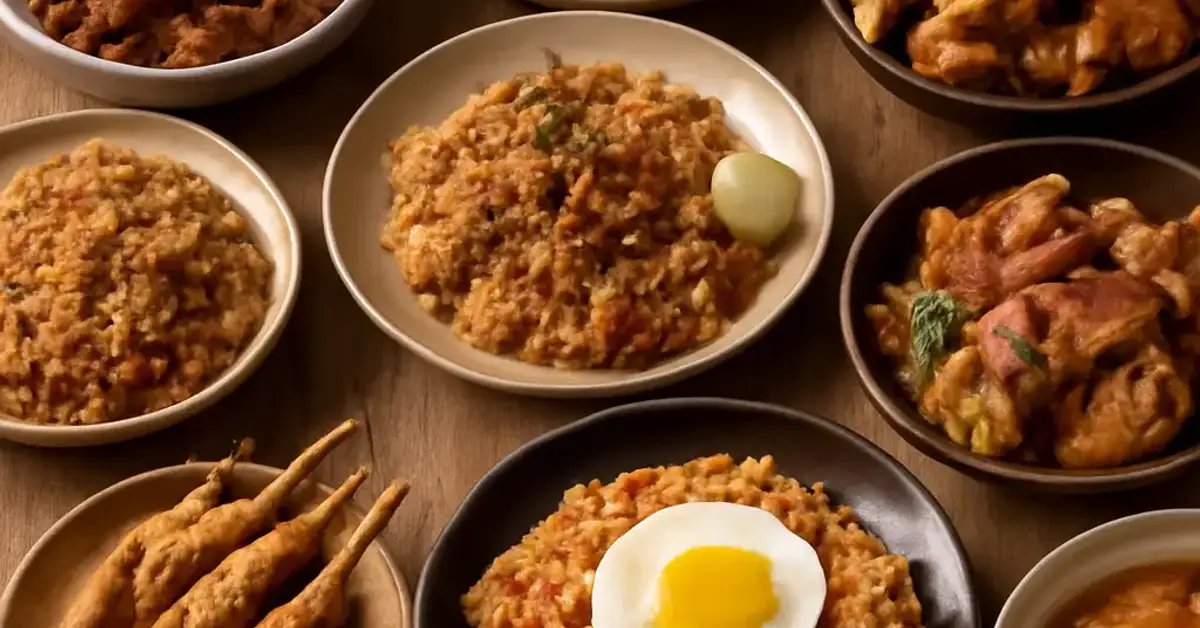
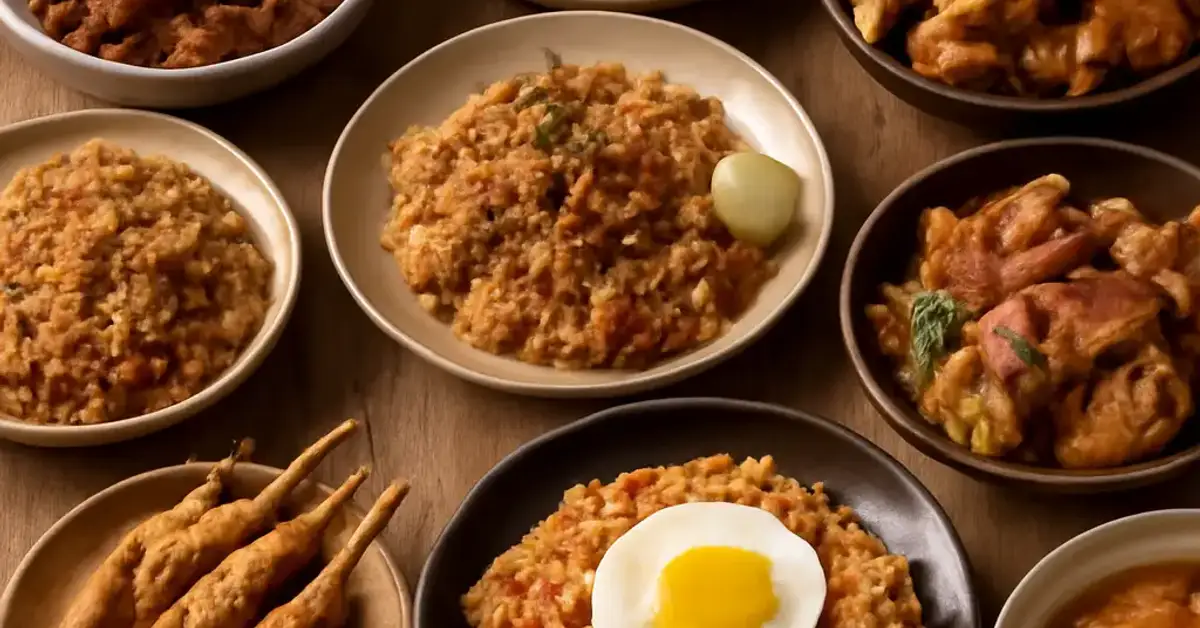
Imagine nasi goreng—Indonesia’s iconic fried rice—infused with the soy-vinegar depth of adobo. Chef Juan caramelizes chicken adobo shreds into the rice, then tops it with a fried egg and a sprinkle of crispy pancit noodles. Coconut milk adds a creamy undertone, while lemongrass lifts the aroma. This dish answers the question, what fusion dishes should travelers try in Bali? It’s a must for fans of grilled dishes and heritage recipes.
2. Sinigang-Style Sambal Matah Seafood Bowl
Sinigang meets Bali’s raw relish sambal matah in this bright, sour seafood bowl. Chef Juan poaches fresh seafood—prawns, squid, and fish—in a tamarind broth, then dresses it with shallots, bird’s eye chili, and galangal. The result is a light, refreshing dish that showcases how local spices enhance Filipino recipes. Serve with steamed rice and banana leaves for a rustic island feel.
3. Sisig-Stuffed Sate Lilit
Sisig, the sizzling chopped pork from Pampanga, finds a new home inside sate lilit—Balinese minced satay wrapped around lemongrass stalks. Chef Juan blends minced pork with turmeric, galangal, and calamansi, then grills over charcoal. Each bite crackles with citrus and spice. This is a signature example of Filipino Balinese fusion cuisine at its most playful.
4. Lechon Babi Guling with Lawar
Lechon and babi guling share a love for crispy skin and tender meat. Chef Juan marinates a whole pig with coconut milk, turmeric, and pandan leaves, then slow-rotates it over coconut husks. He serves it alongside lawar—a Balinese salad of grated coconut, long beans, and minced pork—creating the ultimate Filipino and Balinese food pairing. This dish is a centerpiece for families and couples celebrating a special island dinner.
5. Pancit with Tropical Fruits and Seafood
Pancit, the Filipino rice noodle staple, gets a Balinese twist with tropical fruits like young mango and pineapple. Chef Juan tosses stir-fried noodles with fresh seafood, coconut milk, and a squeeze of calamansi. Banana leaves line the serving platter, and a sprinkle of crispy lumpia adds crunch. The dish reveals which ingredients are shared between Filipino and Balinese cooking—coconut, citrus, and seafood—while local spices like galangal bridge the gap.
6. Lumpia with Sambal Matah Dipping Sauce
Lumpia, the Filipino spring roll, becomes a star appetizer when paired with sambal matah. Chef Juan fills crispy wrappers with minced prawns, pork, and lemongrass, then serves them with a tangy-chili dip made from raw shallots and turmeric. This is a perfect starter for food bloggers and travel bloggers looking for Instagram-worthy Filipino inspired dining in Bali.
7. Kare Kare Oxtail with Coconut Milk and Turmeric
Kare kare, the rich peanut stew from the Philippines, gets a Balinese makeover. Chef Juan simmers oxtail in coconut milk, turmeric, and galangal until fall-apart tender, then thickens it with roasted peanuts. He serves it with grilled pancit cakes and a side of lawar for texture. The dish highlights how do local spices enhance Filipino recipes by adding earthy warmth without overwhelming the original flavors.
8. Chicken Inasal with Lemongrass and Galangal Glaze
Chicken inasal, the grilled chicken from Bacolod, is marinated in coconut milk, lemongrass, and galangal before being basted with achiote oil. Chef Juan grills it over coconut charcoal, giving it a smoky sweetness that pairs beautifully with steamed rice wrapped in banana leaves. This dish answers what are the best Filipino and Balinese food pairings—chicken inasal with a side of sambal matah.
9. Nasi Goreng with Crispy Lechon and Pandan Rice
Here, nasi goreng meets lechon. Chef Juan fries day-old rice with coconut milk, pandan extract, and leftover lechon cracklings, then tops it with a sunny-side egg. Pandan-infused rice cakes on the side echo the fragrance of banana leaves. This dish explores how do Filipino and Balinese cuisines complement each other—both celebrate crispy textures and aromatic rice.
10. Grilled Seafood Platter with Turmeric and Galangal Rub
A celebration of fresh seafood, this platter features prawns, squid, and fish rubbed with turmeric, galangal, and lemongrass before grilling. Chef Juan serves it with three dipping sauces: sambal matah, spiced vinegar (adobo-style), and a creamy coconut milk dip. Banana leaves line the platter for a dramatic presentation. This is Filipino inspired dining in Bali at its freshest—perfect for hospitality professionals seeking menu inspiration.
11. Lawar Salad with Crispy Lumpia and Coconut Dressing
Chef Juan reimagines lawar as a salad: shredded green beans, young coconut, and chicken are tossed in a dressing of coconut milk, turmeric, and lime. Crumbled lumpia skins add crunch. The dish captures how chefs blend traditional recipes with modern presentation—it’s a heritage recipe served in a fresh, light format that appeals to dining enthusiasts.
12. Tropical Fruit Dessert with Pandan and Coconut Milk
End the meal with a sweet bowl of tropical fruits—mango, papaya, and dragon fruit—swimming in coconut milk scented with pandan. Chef Juan adds a drizzle of sambal matah syrup (chili-infused palm sugar) for a surprising kick. This dessert embodies why is fusion dining becoming popular among travelers in Bali—it’s adventurous, photogenic, and deeply satisfying.
Where to Experience Filipino Inspired Dining in Bali
Chef Juan Gadi brings these 12 menu ideas inspired by Filipino and Balinese flavors to life at Kilig Filipino Warung in Ubud, as well as through private villa dinners for families, couples, and digital nomads. His philosophy is simple: every dish should tell a story of home and discovery. Whether you’re a Filipino tourist craving sinigang or an international tourist curious about sate lilit, Chef Juan’s menu bridges the gap. For a related guide, see 7 Powerful Ways Storytelling Lives On Through Filipino Food in Bali.
“I want guests to feel like they’re eating at a friend’s house—one who happens to be a chef,” he says. His Filipino Balinese fusion cuisine is built on heritage recipes, local spices, and a deep respect for island cuisine. For culinary travelers and home cooks alike, Chef Juan’s dishes offer a taste of what happens when two cultures fall in love with the same ingredients.
Useful Resources
Explore more about Filipino and Balinese culinary traditions:
- Bali Beyond the Myths – A resource for understanding Balinese food culture and traditions.
- BBC Good Food: Filipino Recipes – Classic Filipino recipes for home cooks seeking authentic flavors.
Frequently Asked Questions About Menu Ideas Inspired by Filipino and Balinese Flavors
What are the 12 menu ideas inspired by Filipino and Balinese flavors ?
The 12 menu ideas include Adobo-Spiced Nasi Goreng, Sinigang-Style Sambal Matah Seafood Bowl, Sisig-Stuffed Sate Lilit, Lechon Babi Guling with Lawar, Pancit with Tropical Fruits and Seafood, Lumpia with Sambal Matah, Kare Kare Oxtail with Coconut Milk and Turmeric, Chicken Inasal with Lemongrass and Galangal Glaze, Nasi Goreng with Crispy Lechon and Pandan Rice, Grilled Seafood Platter with Turmeric and Galangal Rub, Lawar Salad with Crispy Lumpia, and Tropical Fruit Dessert with Pandan and Coconut Milk.
How do Filipino and Balinese cuisines complement each other?
Both cuisines celebrate slow-cooked stews, sour notes, grilled proteins, and aromatic spices. Filipino dishes like adobo and sinigang pair naturally with Bali’s nasi goreng and sate lilit because they rely on similar foundational ingredients such as coconut milk, lemongrass, and turmeric. For a related guide, see A Guide to Pairing Filipino Dishes With Balis Tropical Lifestyle.
Which ingredients are shared between Filipino and Balinese cooking?
Shared ingredients include coconut milk, lemongrass, turmeric, galangal, pandan, banana leaves, tropical fruits, fresh seafood, and local spices. These common staples make fusion cooking seamless.
What fusion dishes should travelers try in Bali?
Travelers should try dishes like Adobo-Spiced Nasi Goreng, Sisig-Stuffed Sate Lilit, and Lechon Babi Guling with Lawar. These dishes capture the best of both worlds in a single plate.
How do local spices enhance Filipino recipes?
Bali’s turmeric, galangal, and lemongrass add earthy, floral layers to Filipino classics. For example, kare kare becomes richer with coconut milk and turmeric, while chicken inasal gains depth from a lemongrass and galangal glaze.
What are the best Filipino and Balinese food pairings ?
Top pairings include Chicken Inasal with sambal matah, Lechon with lawar, and Pancit with grilled fresh seafood and coconut milk sauce.
Where can visitors enjoy Filipino inspired dining in Bali ?
Chef Juan Gadi’s Kilig Filipino Warung in Ubud and his private villa dinners offer authentic Filipino inspired dining in Bali with a Balinese twist.
How do chefs blend traditional recipes with modern presentation?
Chefs like Juan Gadi reimagine heritage recipes by deconstructing them—serving lawar as a salad, wrapping lumpia in a cone, or plating sinigang in a bowl lined with banana leaves.
What makes Filipino Balinese fusion cuisine unique?
Its uniqueness lies in the harmonious marriage of sour and savory (Filipino) with aromatic and spicy (Balinese), all while using shared local spices and tropical fruits.
Why is fusion dining becoming popular among travelers in Bali?
Travelers seek novelty and authenticity. Filipino Balinese fusion cuisine offers a fresh, Instagram-worthy experience that tells a cross-cultural story while satisfying familiar cravings for grilled dishes and fresh seafood.
Who is Chef Juan Gadi?
Chef Juan Gadi is an Executive Chef and consultant based in Ubud, Bali. He specializes in Filipino Balinese fusion cuisine and is known for his warm approach to hospitality and modern Filipino cooking.
Can I book a private dinner with Chef Juan in Ubud?
Yes, Chef Juan offers private villa dinners for groups, families, and couples. Each meal is curated around menu ideas inspired by Filipino and Balinese flavors.
Are these dishes suitable for vegetarians?
Some dishes, like Lawar Salad with Crispy Lumpia and Tropical Fruit Dessert, are vegetarian. Chef Juan can also adapt many recipes using coconut milk and tropical fruits.
What is the best time to visit Kilig Filipino Warung?
Dinner is the most popular time, especially for couples and food bloggers who want to enjoy the evening ambiance. Lunch reservations are also available.
Do these menu ideas work for home cooking?
Absolutely. Chef Juan encourages home cooks to adapt these menu ideas inspired by Filipino and Balinese flavors using locally available local spices and fresh seafood.
What is Filipino hospitality like in Bali?
Chef Juan brings the warmth of Filipino hospitality—welcoming guests like family, sharing stories, and serving generous portions—to every dining experience in Ubud.
How do I find fusion restaurants in Bali?
Look for spots like Kilig Filipino Warung in Ubud, or search for Filipino inspired dining in Bali on food blogs and travel guides dedicated to Southeast Asia travelers. For a related guide, see 10 Catering Ideas Inspired by Balis Tropical Lifestyle.
What makes Ubud a hub for fusion cuisine?
Ubud attracts global culinary travelers and digital nomads who crave innovative, culturally rich dining. Its market access to fresh seafood and tropical fruits makes it ideal for fusion experimentation.
Are these menu ideas suitable for large groups?
Yes, Chef Juan regularly designs tasting menus for families and hospitality professionals hosting events. The Lechon Babi Guling platter and Grilled Seafood Platter are crowd-pleasers.
How can I stay updated on Chef Juan’s new fusion dishes?
Follow Kilig Filipino Warung on social media or sign up for Chef Juan’s newsletter for seasonal menu ideas inspired by Filipino and Balinese flavors and exclusive dinner events.
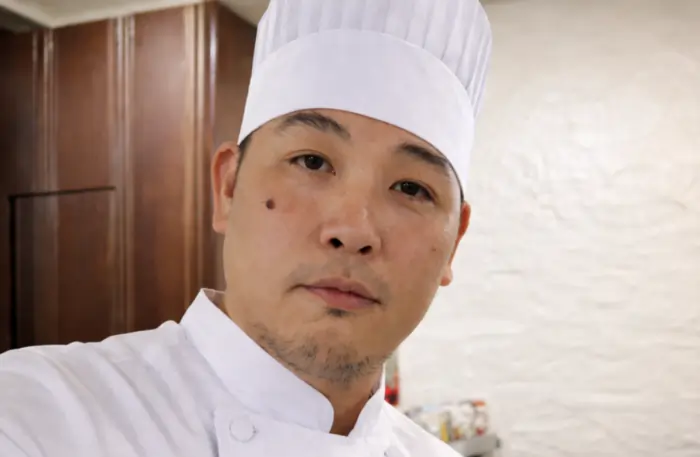
Chef Juan Gadi brings the heart of Filipino hospitality to Ubud, Bali. As an Executive Chef and consultant, he specializes in creating intimate, curated dining experiences that tell a story through every dish. Whether leading the kitchen at Kilig Filipino Warung or hosting a private villa dinner, Chef Juan’s approach is defined by warmth, modern technique, and a commitment to culinary excellence.