Filipino Rice Dishes Beyond Plain Steamed Rice Key Takeaways
Beyond steamed white rice lies a world of Filipino rice dishes that define comfort, celebration, and everyday life.
- Filipino Rice Dishes Beyond Plain Steamed Rice include savory fried rice, coconut rice, and porridge-like dishes that transform simple grains into memorable meals.
- Key dishes like garlic rice ( sinangag ), arroz caldo , and champorado reveal the influence of Chinese, Spanish, and Malay cooking on Filipino cuisine.
- Understanding these authentic Pinoy rice dishes helps travelers, home cooks, and food bloggers appreciate the depth of Filipino food culture .
What Readers Should Know About Filipino Rice Dishes Beyond Plain Steamed Rice
Rice is the anchor of nearly every meal in the Philippines. While plain steamed rice (kanin) appears on tables three times a day, cooks across the archipelago have developed ingenious ways to elevate it. From the smoky wok of a street-side fried rice Philippines stall to the slow-simmered clay pot of a grandmother’s kitchen, these dishes reflect resourcefulness, festive spirit, and a deep love for Filipino comfort food. For a related guide, see 7 Filipino Side Dishes That Complete Every Meal.
Many of these recipes use day-old rice, which fries better than fresh rice. Others incorporate coconut milk, annatto oil, or broths to create layers of flavor. Whether you are planning a trip to Manila, exploring Southeast Asian cuisine at home, or seeking homemade recipes for family meals, this guide will help you navigate the best of Filipino specialties.
Below, we dive into nine essential rice-based meals, each with its own story, key ingredients, and cultural significance.
1. Garlic Rice (Sinangag) – The Breakfast Champion
Garlic rice, known locally as sinangag, is the quintessential Filipino breakfast companion. Cooks sauté day-old rice with heaps of minced garlic and a pinch of salt until every grain is golden and fragrant. It often appears alongside tocino (sweet cured pork), longganisa (Filipino sausage), or daing na bangus (fried milkfish) as part of a silog meal.
Key ingredients include leftover rice, garlic cloves, cooking oil, and salt. Some versions add black pepper or a dash of fish sauce for extra depth. The beauty of sinangag lies in its simplicity: it transforms leftover rice into a crisp, aromatic side that steals the show. For home cooks and recipe seekers, mastering garlic rice is the first step into authentic Filipino cuisine. For a related guide, see 7 Signature Ingredients Behind Filipino Cuisine in Bali.
Cultural relevance: Sinangag is so beloved that Filipino households rarely throw away day-old rice. It represents thriftiness and flavor, two pillars of Filipino food culture.
2. Java Rice – The Festive Yellow Rice
Java rice is a fragrant, yellow-tinged fried rice commonly served in Filipino-Chinese restaurants and at parties. Despite its name, it is not Javanese but a local invention that draws from Spanish and Chinese influences. Annatto seeds (atsuete) give the rice its warm orange-yellow hue, while garlic and sometimes turmeric provide aroma.
Key ingredients: day-old rice, annatto oil (or atsuete powder), garlic, butter, and a touch of salt. Some versions include chopped ham, green peas, or scrambled eggs. Java rice often accompanies Filipino-Chinese dishes like fried chicken, buttered shrimp, or pork chops in a combination known as “combo meals.”
Cultural relevance: This dish symbolizes celebration and is a staple at family gatherings and Filipino restaurant guide favorites. Its vibrant color and buttery taste make it a standout among Filipino specialties.
3. Arroz Caldo – The Healing Porridge
Arroz caldo is a savory rice porridge thickened with glutinous rice and simmered with chicken, ginger, and fish sauce. It is the Filipino take on congee, influenced by Chinese lugaw but enriched with local seasonings. A bowl of arroz caldo is pure Filipino comfort food, especially on rainy days or when someone feels under the weather.
Key ingredients: glutinous rice (malagkit), chicken thighs, ginger, garlic, fish sauce, and toasted garlic toppings. Garnishes include scallions, hard-boiled eggs, calamansi (Filipino lime), and crispy fried garlic. The porridge is typically served with a hard-boiled egg and a drizzle of calamansi juice.
Cultural relevance: Arroz caldo is often sold by street vendors called lugawan and is a go-to remedy for colds and fatigue. It embodies the nurturing side of traditional Filipino rice recipes.
4. Bringhe – The Coconut Rice Festa Dish
Bringhe is a Filipino take on paella, made with glutinous rice cooked in coconut milk and annatto oil, then baked or simmered with chicken, chorizo, and vegetables. This coconut rice dish is a showstopper at fiestas and holiday tables. Unlike Spanish paella, bringhe uses sticky rice and coconut cream, giving it a rich, slightly sweet profile.
Key ingredients: glutinous rice, coconut milk, chicken thighs, chorizo de Bilbao, green peas, bell peppers, raisins, and annatto oil. Some versions add hard-boiled eggs or shredded, toasted coconut (pinipig) on top. The dish is traditionally cooked in a large pan called a kawali and served in banana leaves for added aroma.
Cultural relevance: Bringhe is a symbol of abundance and hospitality. It is one of the most cherished classic Filipino recipes for special occasions, representing the fusion of Malay and Spanish cooking.
5. Champorado – The Chocolate Rice Dessert
Champorado is a sweet sticky rice porridge made with tablea (pure cacao tablets) and coconut milk. It is typically served for breakfast or as a merienda (afternoon snack) and is often paired with dried salty fish called tuyo for a surprising sweet-savory contrast.
Key ingredients: glutinous rice, tablea cacao disks, coconut milk, brown sugar, and a pinch of salt. The rice is boiled until soft, then the cacao is stirred in until melted. The finished porridge is topped with evaporated milk or coconut cream. For many Filipinos, champorado is the ultimate Filipino comfort food and a nostalgic taste of childhood.
Cultural relevance: This dish highlights the Philippines’ cacao-growing heritage, especially in regions like Davao and Batangas. It is a beloved Filipino specialty that bridges sweet and savory traditions.
6. Binalot Meals – Banana‑Leaf Wrapped Rice
Binalot meals refer to any dish where rice and a protein are wrapped in a banana leaf, then steamed or grilled. The banana leaf imparts a subtle earthy aroma and keeps the rice moist. Common fillings include adobo, sisig, daing na bangus, or grilled pork belly. The term binalot literally means “wrapped.”
Key ingredients: steamed garlic rice or plain white rice, a choice of meat or fish, and banana leaves for wrapping. The wrapped parcels are then heated over an open flame or in a steamer. This method is both practical and eco-friendly, as the leaves replace disposable containers.
Cultural relevance: Binalot meals are a staple of street food and family meals in the provinces. They represent the resourcefulness of traditional cooking and are a popular choice for culinary travel experiences.
7. Sinangag sa Alimusan – Seafood Fried Rice
While not as widely known as sinangag, seafood rice versions like sinangag sa alimusan (fried rice with shrimp paste) or sinangag sa hipon (shrimp fried rice) are local specialties in coastal areas. These dishes use tiny, salted shrimp or leftover seafood to create a briny, umami-packed fried rice.
Key ingredients: day-old rice, shrimp paste (bagoong alamang), garlic, ginger, green chilies, and sometimes chopped squid or crab fat (aligue). The result is a pungent, deeply savory rice that pairs well with grilled fish or blanched vegetables.
Cultural relevance: These regional variations showcase the coastal roots of Filipino rice dishes and the creativity of local cooks who use abundant seafood resources.
8. Adobo Fried Rice – The Ultimate Leftover Makeover
Fried rice made with leftover adobo (soy sauce and vinegar braised meat) is a common homemade recipe across the Philippines. The tangy, salty adobo sauce coats each grain of rice, while shreds of chicken rice, pork rice, or beef rice add texture.
Key ingredients: leftover adobo meat (shredded), day-old rice, adobo sauce, garlic, and a beaten egg for richness. Some cooks add a splash of vinegar or calamansi juice at the end to brighten the flavor.
Cultural relevance: This dish embodies the Filipino spirit of kusinang bahay (home cooking) and is a favorite for family meals after a fiesta, ensuring no adobo goes to waste.
9. Kinilaw Rice Bowl – The Modern Fusion Dish
Although not a centuries-old recipe, the kinilaw rice bowl has become a trendy dish in Filipino restaurant guide favorites, especially in Manila and Cebu. It features fresh raw fish cured in vinegar and citrus (kinilaw) served over warm rice, often with mango, cucumber, and crispy shallots.
Key ingredients: fresh tanigue (mackerel) or tuna, vinegar, calamansi, ginger, chili, onions, and steamed garlic rice or Java rice. The dish is a reinterpretation of traditional kinilaw as a convenient bowl meal.
Cultural relevance: This modern dish shows how authentic Filipino cuisine evolves while still honoring its roots. It appeals to food bloggers and culinary travelers looking for fresh, Instagram-worthy plates.
Comparison of Key Filipino Rice Dishes Beyond Plain Steamed Rice
| Dish | Primary Flavor | Best Served | Key Grain |
|---|---|---|---|
| Garlic Rice (Sinangag) | Savory, garlicky | Breakfast / Silog | Day-old white rice |
| Java Rice | Buttery, mild turmeric | Lunch / Combo meals | Day-old white rice |
| Arroz Caldo | Gingery, savory porridge | Anytime / Comfort food | Glutinous rice |
| Bringhe | Coconutty, festive | Fiestas / Celebrations | Glutinous rice |
| Champorado | Sweet, chocolate | Breakfast / Merienda | Glutinous rice |
| Binalot Meals | Earthy (banana leaf), varied | Lunch / On-the-go | White or garlic rice |
| Seafood Fried Rice | Briny, umami | Dinner / Coastal meals | Day-old white rice |
| Adobo Fried Rice | Tangy, savory | Leftover makeover | Day-old white rice |
Serving Tips and a Mini Restaurant Guide
To enjoy these best Filipino rice meals like a local, pair each dish with complementary sides and drinks:
- Sinangag: Serve with a fried egg and a side of pickled papaya (atchara).
- Arroz caldo: Top with crispy garlic and a drizzle of calamansi. Drink hot coffee or salabat (ginger tea).
- Bringhe: Serve with grilled eggplant and a spicy vinegar dip (sawsawan).
- Champorado: Pair with dried fish (tuyo) and iced coffee.
- For restaurant-goers, look for Filipino restaurants that specialize in silog meals for breakfast, or visit a lugawan for the best arroz caldo.
Useful Resources
Learn more about Filipino cooking techniques and ingredient sourcing from these trusted sources:
- Pepper.ph – Filipino Food Blog: Detailed recipes for many of the dishes mentioned here.
- The Spruce Eats – Filipino Recipes: Reliable guides on traditional cooking and authentic flavors.
Frequently Asked Questions About Filipino Rice Dishes Beyond Plain Steamed Rice
What is sinangag in English?
Sinangag is the Filipino term for garlic fried rice, typically made with leftover rice and lots of garlic.
What is the difference between arroz caldo and lugaw?
Arroz caldo is a type of lugaw (rice porridge) that is flavored with ginger, chicken, and fish sauce, while lugaw is a simpler porridge often served plain.
Can I make garlic rice with fresh rice?
Fresh rice tends to clump and become mushy when fried. Day-old rice that has been refrigerated works best for garlic rice and other fried rice Philippines dishes.
Is Java rice actually from Java?
No, Java rice is a Filipino creation inspired by Chinese and Spanish cooking. It is named for its use of annatto, which gives it a golden hue reminiscent of Javanese turmeric rice.
What is the best rice to use for bringhe?
Glutinous rice, also called malagkit or sticky rice, gives bringhe its signature creamy texture and is essential for authentic results.
Is champorado eaten hot or cold?
Champorado is traditionally served hot, but leftovers can be eaten chilled like a rice pudding.
What does binalot mean?
Binalot means “wrapped” in Filipino, referring to the practice of wrapping rice and filling in banana leaves for cooking or serving.
Can I freeze adobo fried rice?
Yes, adobo fried rice freezes well. Portion it into airtight containers and reheat in a pan or microwave for a quick meal.
What is the most popular Filipino rice dish for breakfast?
Garlic rice (sinangag) is the most popular, often served with eggs and cured meat in the well-known Filipino breakfast combo called silog.
Are Filipino rice dishes spicy?
Most Filipino rice dishes are mildly seasoned, though some regional variations like Bicol Express fried rice or Sinangag sa Alimusan can be spicy if chili is added.
Where can I find authentic arroz caldo in the Philippines?
Street-side lugawan in Manila, Cebu, and Davao serve the most authentic arroz caldo. Look for stalls with a large caldron and plenty of toppings.
Is bringhe the same as paella?
No, bringhe is a Filipino adaptation that uses glutinous rice and coconut milk, making it sweeter and creamier than Spanish paella.
What is the best substitute for glutinous rice in champorado?
For a quicker version, you can use regular white rice and add a tablespoon of cornstarch slurry to thicken the porridge.
Can I make Java rice without annatto?
Yes, you can use a pinch of turmeric or paprika to achieve a similar color and flavor, though annatto gives the most authentic taste.
What drinks pair well with Filipino rice dishes?
Iced coffee, salabat (ginger tea), coconut water, or a cold San Miguel beer complement the savory and sweet notes of these rice-based meals.
Are there vegetarian Filipino rice dishes?
Yes, garlic rice and Java rice can be made vegetarian. For a more substantial option, try Ginisang Monggo (mung bean stew) with rice.
What is the origin of the name sinangag?
The word sinangag comes from the Tagalog verb sangag, meaning “to toast or fry grains,” a direct reference to the cooking method.
Can I use brown rice for Filipino fried rice?
Yes, brown rice works well, but it needs to be day-old and slightly drier to avoid sogginess. The nutty flavor complements Filipino comfort food well.
Which Filipino rice dish is best for travelers to try first?
Garlic rice is the most accessible and pairs with almost any Filipino dish, making it an ideal starting point for culinary travel.
What is the difference between binalot and suman?
Binalot meals use banana leaves to wrap savory rice and fillings, while suman is a sweet sticky rice cake served as a snack or dessert.
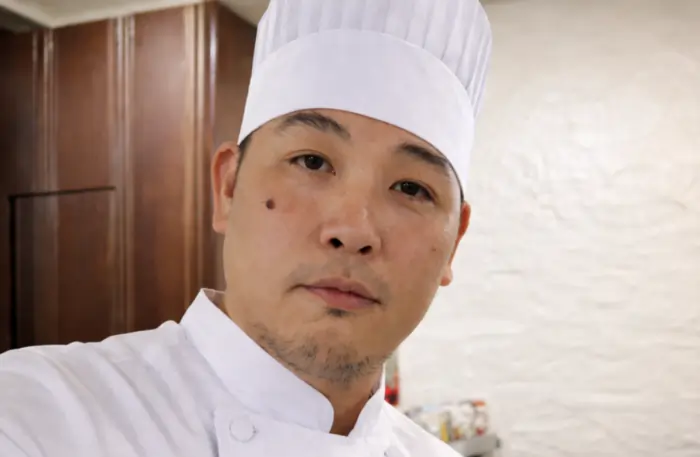
Chef Juan Gadi brings the heart of Filipino hospitality to Ubud, Bali. As an Executive Chef and consultant, he specializes in creating intimate, curated dining experiences that tell a story through every dish. Whether leading the kitchen at Kilig Filipino Warung or hosting a private villa dinner, Chef Juan’s approach is defined by warmth, modern technique, and a commitment to culinary excellence.