
Why the Simplest Moments in Bali Feel the Most Magical Key Takeaways
The simplest moments in Bali feel the most magical because the island’s natural beauty, peaceful atmosphere, warm hospitality, and deep cultural presence transform everyday encounters into profound memories.
- The simplest moments in Bali feel the most magical when you step away from tourist crowds and embrace island rhythms.
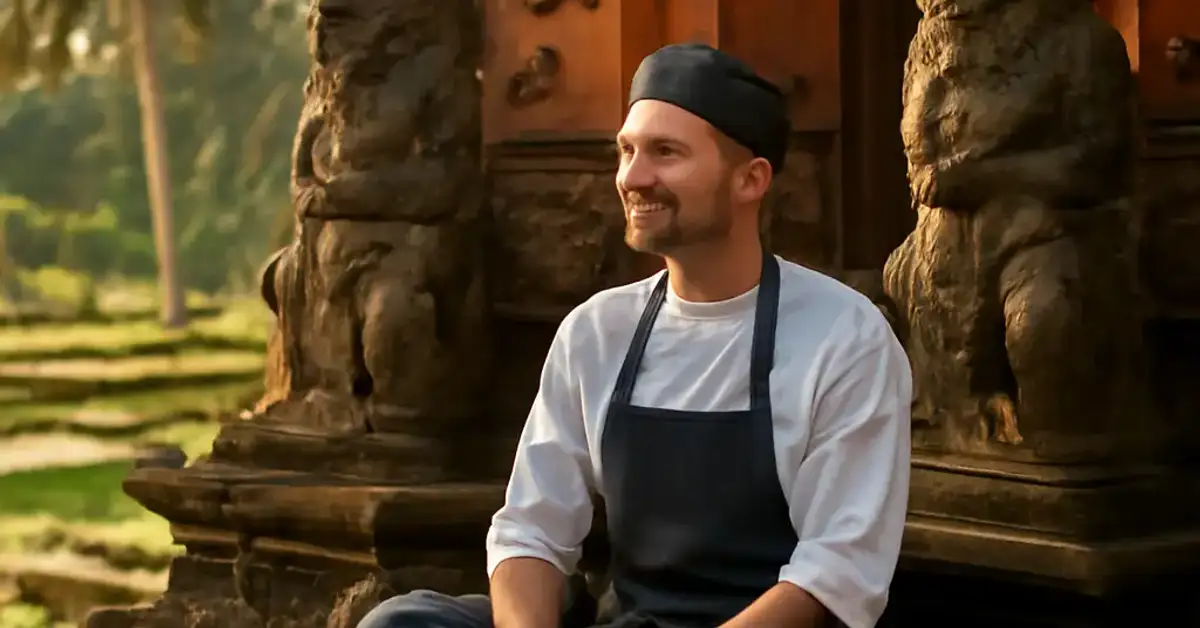
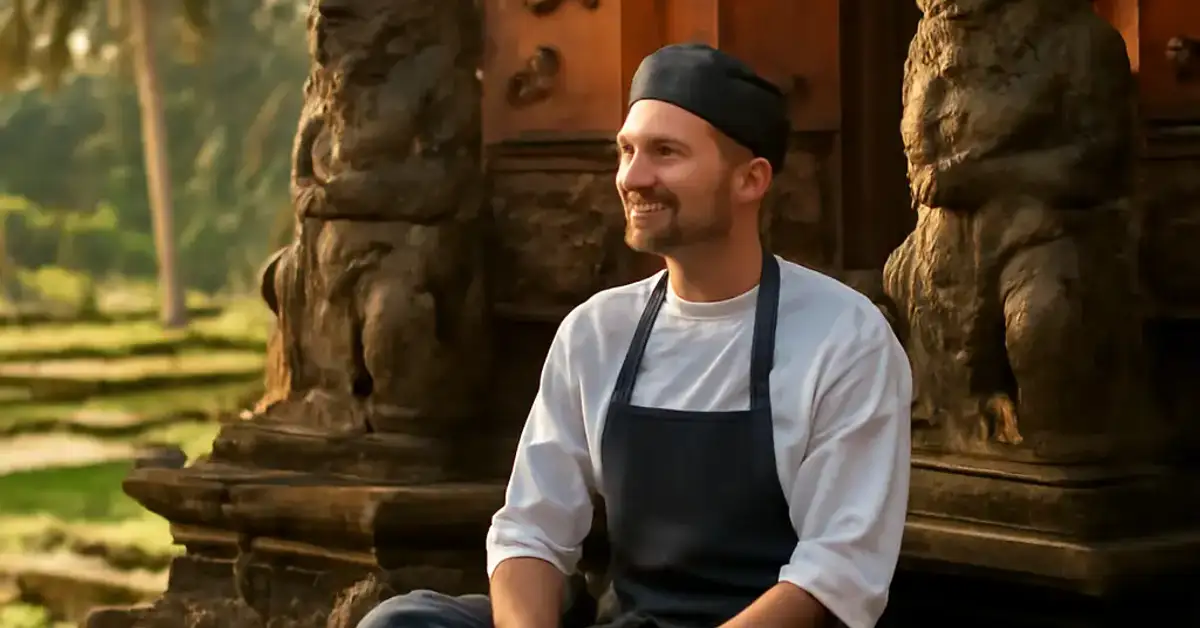
- Chef Juan Gadi shares how cooking a single dish with a local grandmother becomes a meaningful travel moment that stays with you forever.
- From sunrise over rice terraces to a shared cup of kopi in a village warung, ordinary experiences form lasting impressions.
What Makes Everyday Life in Bali So Extraordinary for Travelers
I remember my first morning in Ubud. I woke before sunrise, stepped onto the balcony of a small homestay, and watched the mist rise over the palm trees. A rooster crowed. The scent of frangipani and woodsmoke drifted through the air. No itinerary, no rush. Just that moment. As an Executive Chef who has cooked in kitchens across the Philippines and now calls Bali home, I have learned that the simplest moments in Bali feel the most magical not because of what you see, but because of how you feel.
Every day here offers a chance to slow down, to notice the small details. A farmer walking his ducks along a muddy path. A child laughing as she chases a chicken. The sound of a gamelan orchestra drifting from a distant temple. These are not attractions you will find on a tour bus route. They are the pulse of island living Bali, and they invite you to breathe, to pause, and to connect.
The Magic Hidden in Ordinary Routines
When you embrace slow travel Bali, you stop collecting sights and start collecting feelings. You notice how the light changes over the rice paddies. You taste the salt in the ocean breeze. You feel the warm clay of a coffee cup against your palms. Sensory travel experiences like these anchor you in the now. There is no past worry, no future plan — only the present moment unfolding around you.
I often guide guests through my kitchen at Kilig Filipino Warung, where we chop lemongrass, pound shallots, and simmer coconut milk. The process itself becomes a meditation. One guest from London told me she had not felt that calm in years. “I forgot that happiness could be this quiet,” she said. That is the essence of travel mindfulness in Bali — the peaceful travel destinations here do not demand your attention; they offer it freely.
How Bali Nature Beauty Creates Emotional Travel Memories That Last
The rich tropical landscape of Bali is not a backdrop; it is an active participant in your journey. The Bali nature beauty you encounter — terraced emerald rice fields, volcanic peaks, hidden waterfalls, and black sand beaches — has a way of making you feel small in the best possible way. That feeling of awe opens your heart and makes you more receptive to emotional travel memories.
I recall an evening spent at a small warung in Sidemen. My wife and I sat on a bamboo platform overlooking the valley. The sun began to set, casting the sky in shades of orange and magenta. We did not speak. We just watched. Later, we learned that the family who owned the warung had no electricity until 2017. They cooked over a wood fire. That meal — simple grilled fish with sambal matah — tasted like nothing I have ever eaten. The Bali scenic experiences of that evening are etched into my memory, not because they were grand, but because they were real.
Why Sunsets and Nature Feel More Powerful in Bali
Magical Bali moments often come at dusk. The air cools, the frogs begin their chorus, and the light softens. Whether you are watching from a cliff at Uluwatu, a rice terrace in Tegallalang, or the deck of a villa in Canggu, there is a quiet reverence in the air. Mindfulness travel experience encourages you to sit in that stillness without reaching for your phone. The peaceful travel destinations of Bali make this easier than anywhere I have traveled.
Island Tranquility Bali and the Role of Hospitality Culture
The Balinese people practice a form of hospitality that goes beyond service. It is a philosophy called Tri Hita Karana — harmony with God, with others, and with nature. This belief shapes every interaction. A driver who stops to point out a flowering tree. A homestay owner who brings you fresh coconut water without being asked. A farmer who smiles and waves as you pass. These authentic travel moments are not scripted. They are the natural expression of a culture that values connection over transaction. For a related guide, see 7 Reasons Food Brings People Closer Together.
Bali hospitality culture transforms a simple cup of tea into a ceremony. When I visit a local market in Ubud, vendors greet me by name even if I have not seen them for months. They ask about my family, my health, my cooking. That warmth makes you feel seen. It is one reason why the simplest moments in Bali feel the most magical — you are not a tourist; you are a guest in someone’s home.
Cultural Immersion Bali Through a Chef’s Eyes
In my work as a private dining chef, I often collaborate with local farmers and artisans. One afternoon, I joined a grandmother named Ibu Wayan to learn her family recipe for lawar — a traditional Balinese salad with vegetables, coconut, and minced meat. She showed me how to grate fresh turmeric and fold it into the mixture. No written recipe, no precise measurements. Just feeling, tasting, adjusting. That hour in her kitchen became one of my most meaningful travel moments. Cultural immersion Bali is not about watching a dance show; it is about rolling up your sleeves and participating in daily life.
How Slow Travel Bali Encourages Mindfulness and Emotional Connection
Bali invites you to shift from “doing” to “being.” When you practice slow travel Bali, you give yourself permission to wander without a map, to sit at a warung for two hours, to nap in a hammock. This pace reduces stress and opens space for emotional connection travel. You start to notice the way a vendor folds a banana leaf, the sound of rain on a tin roof, the feel of smooth stone under your bare feet.
Mindfulness travel experience flourishes in an environment where time feels elastic. I tell guests at my villa dinners that the best souvenir from Bali is not a carved statue or a batik sarong — it is the calm you bring home in your chest. Bali relaxation travel is not a product you buy; it is a skill you learn by paying attention to ordinary moments.
Small Interactions That Create Deep Emotional Travel Memories
One of my favorite simple travel experiences happens every morning on my walk to the warung. A stray dog named Putih follows me for two blocks. A child sells me a single orchid for a few cents. The baker waves from her shop. These micro-moments — what I call everyday magic travel — accumulate over time to form the emotional texture of my life here. Travel storytelling Bali often focuses on dramatic sunsets or temple ceremonies, but I believe the truest stories come from the quiet exchanges that happen when you slow down enough to notice.
Why the Simplest Moments in Bali Feel the Most Magical: A Chef’s Reflection
I have cooked in Michelin-starred restaurants and led kitchens that served hundreds of covers a night. Yet the most meaningful travel moments of my career have not come from fancy plates or PR events. They have come from preparing a simple meal with a family in their home, tasting street food from a cart that has been rolling for forty years, and sharing a bowl of soto ayam with a stranger who became a friend.
The simplest moments in Bali feel the most magical because the island teaches you to find abundance in small things. A handful of fresh herbs. The laughter of a child. The glow of a candle at dusk. When you stop searching for magic, it finds you. That is the gift of Bali — and the recipe for a life well lived.
Useful Resources
Explore more about the philosophy of Tri Hita Karana and how it shapes everyday life on the island at Bali News’ guide to Tri Hita Karana. For more travel mindfulness practices in Southeast Asia, visit Mindful.org’s travel mindfulness tips.
Frequently Asked Questions About Why the Simplest Moments in Bali Feel the Most Magical
Why do the simplest moments in Bali feel magical?
The simplest moments in Bali feel magical because the island’s natural beauty, peaceful atmosphere, warm hospitality, and deep cultural presence turn everyday experiences — like a sunrise walk or a shared meal — into meaningful emotional memories.
What makes Bali everyday experiences so special?
Bali’s everyday experiences feel special because of the cultural immersion Bali offers — from a farmer’s wave to a homestay owner’s fresh juice. These authentic travel moments are grounded in genuine human connection and Bali hospitality culture. For a related guide, see 11 Ways Food Creates Emotional Travel Memories.
How does Bali create emotional travel memories ?
Bali creates emotional travel memories through sensory travel experiences — the scent of frangipani, the sound of gamelan, the taste of fresh coconut. These details engage your senses and anchor you in the present, forming lasting emotional travel memories.
Why do travelers feel calm in Bali?
Travelers feel calm in Bali because of the island tranquility Bali provides — open landscapes, slow mornings, and a culture that values rest. This environment naturally encourages mindfulness travel experience and reduces stress.
How does slow travel enhance experiences in Bali?
Slow travel Bali enhances experiences by giving you time to notice details — the texture of a banana leaf, the sound of rain. It shifts your focus from ticking off attractions to building emotional connection travel with the place and people.
What role does nature play in Bali’s magic?
Bali nature beauty — from rice terraces to volcanic peaks — creates a sense of awe that opens your heart. These Bali scenic experiences make you more receptive to small moments of joy and wonder.
Why are small moments more meaningful than big attractions?
Small moments are more meaningful because they involve simple travel experiences like a shared joke with a vendor or a sunset viewed in silence. These authentic travel moments create genuine emotional resonance that big attractions often lack. For a related guide, see 12 Small Moments That Create Lasting Happiness.
How does Bali culture influence mindfulness?
Bali cultural atmosphere, rooted in Tri Hita Karana, encourages harmony with nature and community. This philosophy naturally fosters travel mindfulness, prompting you to live in the moment and appreciate your surroundings.
What makes Bali feel peaceful to visitors?
The combination of island tranquility Bali, lush green spaces, and the unhurried rhythm of daily life makes Bali one of the most peaceful travel destinations. The pace of island living Bali invites relaxation.
How does hospitality enhance simple travel moments?
Bali hospitality culture transforms ordinary interactions — like receiving a smile or a glass of water — into magical Bali moments. The warmth of Balinese hosts makes you feel valued and connected.
Why do travelers feel present in Bali?
Travelers feel present because the island’s beauty and culture demand attention — the sound of wind chimes, the taste of a ripe mango. These sensory travel experiences anchor you in the now, a key aspect of mindful tourism.
How does island life create emotional connection?
Island living Bali fosters emotional connection through daily rituals — a morning greeting, a shared meal, a walk through the village. These small habits build emotional travel memories over time.
What are examples of magical simple moments in Bali?
Examples include watching a farmer plow with water buffalo, sipping kopi at a roadside warung, hearing a temple chant at dusk, or eating a grilled fish by the sea. These everyday magic travel moments define simple travel experiences.
How does Bali inspire gratitude in travelers?
Bali inspires gratitude through the kindness of strangers, the beauty of a sunrise, and the taste of fresh food. These meaningful travel moments remind you to appreciate life’s simple riches — a core part of mindfulness travel experience.
Why do sunsets and nature feel more powerful in Bali?
Sunsets in Bali feel more powerful because of the dramatic landscapes — cliffs, rice terraces, open skies — combined with the Bali cultural atmosphere that encourages quiet reflection. These Bali scenic experiences amplify the beauty.
How does cultural immersion enhance simple experiences?
Cultural immersion Bali enhances simple experiences by adding context — a meal becomes a story, a walk becomes a lesson in local life. It transforms authentic travel moments into richer, more emotional encounters.
What makes Bali different from other destinations?
Bali’s unique blend of Bali nature beauty, deep spirituality, and genuine Bali hospitality culture sets it apart. The island does not just entertain; it helps you find mindful tourism and emotional connection travel in everyday life.
How does travel mindfulness improve experiences?
Travel mindfulness improves experiences by training your attention on the present — the taste of a dish, the feel of the breeze. It deepens emotional travel memories and makes even the simplest moments in Bali feel the most magical.
Why do travelers remember small moments most?
Travelers remember small moments because they are personal, unexpected, and emotionally resonant. A shared laugh with a local or a quiet sunrise becomes a meaningful travel moment that stands out amid a blur of attractions.
How does Bali encourage slowing down and appreciating life?
Bali encourages slowing down through its slow travel Bali culture — afternoon naps, long meals, unhurried conversations. The Bali lifestyle teaches that time is not something to fill, but something to savor, fostering gratitude and emotional awareness.
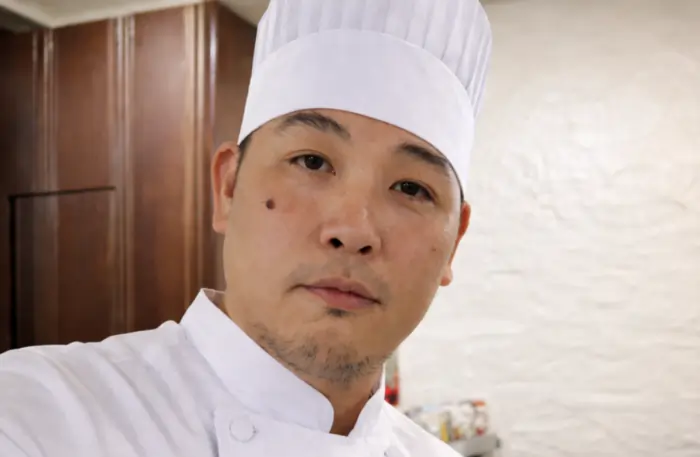
Chef Juan Gadi brings the heart of Filipino hospitality to Ubud, Bali. As an Executive Chef and consultant, he specializes in creating intimate, curated dining experiences that tell a story through every dish. Whether leading the kitchen at Kilig Filipino Warung or hosting a private villa dinner, Chef Juan’s approach is defined by warmth, modern technique, and a commitment to culinary excellence.