
Shared Meals Create the Most Meaningful Travel Memories Key Takeaways
Shared Meals Create the Most Meaningful Travel Memories because they weave together food, conversation, culture, and emotional connection into a single, unforgettable moment.
- Shared meals allow travelers to bond with locals and fellow travelers through storytelling, laughter, and shared traditions, creating meaningful travel moments that last far longer than any photo.
- By engaging all five senses—taste, smell, sight, touch, and sound— food tourism experiences become deeply emotional and memorable, far more than passive attraction visits.
- Whether through communal dining culture in Bali, a traditional dining culture in Italy, or a spontaneous street-food gathering in Thailand, eating together unlocks cultural immersion dining and authentic connections.

Why Shared Meals Create the Most Meaningful Travel Memories
I have spent my career in kitchens across the Philippines and now in Ubud, Bali, where I run intimate dining experiences at Kilig Filipino Warung. Every single day, I witness the same truth: the best travel stories begin at the table. A bowl of broth shared with a stranger becomes a conversation about family. A plate of grilled fish passed around a communal table sparks laughter that needs no translation. These moments are not accidental. They are the very essence of why we travel—to feel connected, to understand, to belong.
Shared Meals Travel and the Senses
Think about your most vivid travel memory. Chances are, it involves a meal. When we eat together, our senses are fully engaged. The sizzle of a wok in a night market, the steam rising from a bowl of laksa, the warmth of a hand-pressed tortilla—these sensory details anchor the experience in a way a museum visit rarely can. Sensory travel experiences are powerful because they integrate smell, taste, touch, and sound with emotion. That is why food memory travel is so potent. The brain links flavor with context, and when the context includes human warmth, the memory becomes indelible. For a related guide, see How Food Creates Emotional Connections Across Cultures: 5 Powerful Insights.
The Seven Ways Food Bonds You to Culture
Over the years, I have identified seven distinct ways that shared meals create the most meaningful travel memories. Each one taps into a different layer of connection—between people, place, and tradition.
1. Food Opens Doors to Local Food Experiences
When you share a meal with someone from a different culture, you are not just eating—you are being invited into their world. In Bali, a simple offering of lawar and sate lilit at a family compound becomes a lesson in cosmology. In the Philippines, sharing a plate of adobo with a local farmer reveals the history of Spanish colonization and indigenous resilience. Local food experiences are the fastest route to understanding a place on its own terms.
2. Conversation at the Table Creates Travel Storytelling Food
I have hosted hundreds of travelers at my dining table in Ubud. Without fail, the stories that surface over a shared meal are the most honest. Maybe it is a solo traveler confessing loneliness, or a couple celebrating a new chapter. The food becomes the backdrop, and the conversation becomes the highlight. Travel storytelling food is not about the recipe; it is about the person across from you.
3. Communal Dining Culture Builds Instant Communities
In many parts of the world, eating is a communal act. In Bali, the bale banjar (village hall) often hosts shared meals where everyone eats from the same dishes. In Ethiopia, injera is torn and shared by hand. In Spain, tapas are passed from hand to hand. Social dining experiences dissolve the boundaries between traveler and local. You become part of the community, even if only for one evening.
4. Cultural Immersion Dining Teaches Through Taste
Food carries history. When you learn to cook a local dish or sit through a multi-course traditional meal, you absorb culture in a way that reading a guidebook can never replicate. Cultural immersion dining is education through the palate. In my own cooking classes in Bali, guests learn about the island’s spice trade, Hindu rituals, and agricultural rhythms—all while stirring a fragrant curry.
5. Emotional Travel Experiences Are Anchored by Food
A sunset over rice terraces is beautiful. But a sunset shared with a new friend over a plate of babi guling is transcendent. Emotional travel experiences are intensified by the presence of food because eating is inherently intimate. It triggers the same neural pathways as bonding and trust. When you share a meal, you are saying, “I trust you enough to eat with you.” That vulnerability creates deep emotional bonds. For a related guide, see Why Memorable Travel Experiences Often Begin Around a Table.
6. Hospitality and Food Connection Transform a Trip
Hospitality is not just service; it is an expression of culture. In Bali, the concept of “taksu” (divine energy) infuses every offering and every meal. When a host presents food with genuine warmth, it changes the traveler’s entire experience. Hospitality tourism is about feeling welcomed, not just accommodated. At Kilig, we do not just serve food; we share our story, our home, and our heart.
7. Food and Human Connection Cross Every Border
Food is a universal language. I have seen it bridge divides of language, age, and background. A shy backpacker from Germany and a talkative grandmother from Java become friends over a shared bowl of soto ayam. Food and human connection is the simplest, most profound form of travel. It reminds us that beneath our differences, we all need to eat, to belong, and to be seen.
Bali Food Culture and Its Lessons for Travelers
Bali offers perhaps the richest canvas for shared meals travel. The island’s communal dining culture is woven into everyday life. From the temple festivals where hundreds eat together, to the small warungs where strangers share a bench, Bali teaches that a meal is never just fuel. It is a ritual of connection.
A Practical Guide to Eating Together in Bali
If you want to experience cultural dining experiences in Bali, start by seeking out a local warung. Order a few dishes and offer to share with the person next to you. Join a cooking class. Attend a temple ceremony with an invitation—Balinese Hindus welcome respectful guests to their communal feasts. And if you find yourself at my table at Kilig, be ready to pass the rice, tell your story, and listen to mine.
| Type of Experience | Example in Bali | What It Teaches |
|---|---|---|
| Warung dining | Bab guling at Ibu Oka | Shared tables, local ingredients, everyday culture |
| Cooking class | Paon Bali Cooking Class | Spice knowledge, ritual respect, family traditions |
| Temple feast | Odalan ceremony meal | Offerings, community bonding, sacred significance |
| Private villa dinner | Kilig Filipino Warung experience | Storytelling, hospitality, intercultural dining |
Where Travelers Often Miss the Meaningful Travel Moments
Common mistakes keep travelers stuck in the sightseeing loop. They rush from temple to waterfall to rice terrace without pausing to eat with intention. They order familiar dishes to avoid risk. They eat alone with their phones. These habits close the door to emotional bonding travel. To truly connect, you must sit down, make eye contact, and be present.
How to Avoid Dining Disconnection
- Choose group dining travel options like family-style tables or cooking workshops.
- Learn a few local phrases for the table—”Mabuhay” in Filipino, “Selamat makan” in Indonesian.
- Put your phone away during meals. Let conversation happen naturally.
- Ask your host or server about the dish’s story. Every plate has one.
- Say yes to invitations, especially from locals. A shared plastic stool on a street corner often holds the most authentic travel experiences.
Culinary Tourism and the Role of Hospitality
Culinary tourism has become a dominant travel trend for good reason. It offers travel lifestyle experiences that go beyond the surface. When travelers seek out food tourism experiences, they are voting for connection over consumption. They want to understand a place through its ingredients, its cooking techniques, and its table rituals.
In my role as an Executive Chef and consultant in Ubud, I have shaped menus around this philosophy. Every dish I create carries a piece of my Filipino heritage and Bali’s local produce. When a guest bites into a slow-cooked pork belly with Balinese spices, they taste the island’s volcanic soil, its sea breezes, and its centuries of trade. That is intercultural dining experiences in action—the harmonious blending of two food cultures on one plate.
Useful Resources
For deeper exploration of how food shapes travel, I recommend these sources:
- World Food Travel Association – Research and insights on culinary tourism trends and best practices.
- TasteAtlas – An encyclopedia of traditional dishes and ingredients from around the world.
Frequently Asked Questions About Shared Meals Create the Most Meaningful Travel Memories
How do shared meals create meaningful travel memories?
Shared meals combine food, conversation, and cultural context in a single sensory experience. When travelers eat with locals or fellow travelers, they bond through storytelling, laughter, and shared traditions, which creates strong emotional associations tied to place and people. This multisensory engagement makes the memory far more vivid than passive sightseeing.
Why is eating together important in travel experiences?
Eating together breaks down social barriers and creates a shared space where authentic exchange can happen. It transforms a basic biological need into a ritual of connection, allowing travelers to step into the daily rhythm of a culture. Social dining experiences are inherently more intimate than visiting a monument.
How does food bring people closer during travel?
Food activates the same neural pathways associated with trust and bonding. When you share a meal, you are signaling vulnerability and openness. This biochemical response, combined with the act of sitting together and conversing, creates rapid emotional bonding travel experiences.
What makes communal dining special in different cultures?
In Bali, communal dining happens at temple feasts and warungs, where everyone shares from the same dishes. In Ethiopia, the communal injera plate is a symbol of unity. In the Philippines, the concept of “boodle fight” (eating from banana leaves with hands) creates joy and equality. Each traditional dining culture uses the table to reinforce community values.
How do shared meals help travelers connect with locals?
When you share a meal with a local, you are invited into their personal world. Food opens conversations about family, history, and daily life. Local food experiences provide a natural entry point for deeper cultural exchange, often leading to lasting friendships.
Why are food experiences so memorable when traveling?
Food experiences engage all five senses simultaneously, which strengthens memory encoding in the brain. When you add emotional connection and novelty—like a new spice or a new cooking technique—the memory becomes even more vivid. Food memory travel is scientifically supported by how the hippocampus processes multisensory input.
How does conversation during meals enhance travel memories?
Conversation adds narrative to the meal. Stories, jokes, and shared confidences create a layered memory that includes not just taste but also emotional texture. Travel storytelling food emerges naturally when people talk while eating, making the meal unforgettable.
What role does culture play in shared dining experiences?
Culture dictates how food is prepared, served, and consumed—whether it is shared from a common plate, eaten with hands, or accompanied by specific rituals. Cultural immersion dining respects and celebrates these differences, giving travelers a window into the values and traditions of a place.
Why do travelers remember meals more than attractions?
Meals are interactive and involve human connection, while attractions are often passive observation. The emotional resonance of a shared meal—the laughter, the warmth, the surprise—makes it more personally significant. Meaningful travel moments are rarely the postcard views; they are the table stories.
How does hospitality influence shared meals?
Hospitality sets the tone. A warm welcome, a genuine smile, and a willingness to share personal stories turn a meal into an experience. Hospitality and food connection is the difference between eating and truly being hosted.
What are examples of shared dining traditions around the world?
In Bali, the “bale banjar” communal meal. In Italy, the family-style Sunday pranzo. In Japan, izakaya sharing of small plates. In the Middle East, the communal platter of mezze. Each tradition emphasizes generosity and togetherness, making shared meals travel a global phenomenon.
How does food tourism create emotional bonds?
Culinary tourism often involves hands-on participation—cooking, tasting, learning. These shared activities release oxytocin and create group cohesion. When travelers cook and eat together, they form bonds that last long after the trip ends.
Why is food considered a universal language in travel?
Food transcends spoken language. A smile, a gesture to offer a dish, a shared laugh over a spicy bite—these are understood everywhere. Food and human connection is built into our biology; we have been sharing meals as a community act for thousands of years.
How do group meals improve cultural understanding?
Group meals create a safe space for questioning and learning. Travelers can ask about ingredients, rituals, and taboos while eating. Intercultural dining experiences during group meals provide context that guidebooks cannot offer.
How does eating together build friendships while traveling?
Shared meals accelerate the friendship-building process by creating a low-pressure environment for conversation. The act of eating side by side reduces social anxiety and fosters emotional bonding travel. Many lifelong travel friendships start over a shared dish.
What makes dining experiences emotional in travel?
The combination of novelty (new flavors, new setting) and human warmth (conversation, shared stories) triggers emotional highs. A meal that evokes nostalgia, surprise, or joy becomes a food memory travel moment that carries deep personal meaning.
How does storytelling happen during shared meals?
Food naturally prompts stories: the origin of a spice, the memory of a grandmother’s recipe, the funny mistake that created a signature dish. Travel storytelling food unfolds organically when people are relaxed, well-fed, and open.
Why are communal meals important in cultural immersion?
Communal meals are a microcosm of a culture’s social structure. Who sits where, who serves first, how food is distributed—these details reveal hierarchies, values, and traditions. Cultural immersion dining through communal meals offers genuine insight.
How do shared meals reflect local traditions?
Shared meals showcase local ingredients, cooking methods, and seasonal cycles. They also reflect religious and social customs—for example, Balinese lawar is not just a dish but an offering. Traditional dining culture is alive in every shared plate.
How does food connect strangers during travel?
Food acts as a social lubricant. Offering food to a stranger is a universal gesture of goodwill. When two travelers share a table at a market or a hostel, the meal becomes the bridge that turns strangers into companions. Social dining experiences are among the most inclusive travel moments.
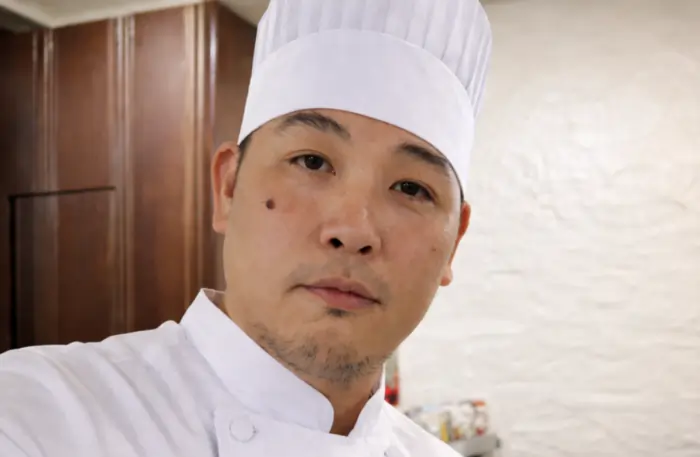
Chef Juan Gadi brings the heart of Filipino hospitality to Ubud, Bali. As an Executive Chef and consultant, he specializes in creating intimate, curated dining experiences that tell a story through every dish. Whether leading the kitchen at Kilig Filipino Warung or hosting a private villa dinner, Chef Juan’s approach is defined by warmth, modern technique, and a commitment to culinary excellence.