Family Recipes Shape Filipino Dining Experiences in Bali Key Takeaways
Family Recipes Shape Filipino Dining Experiences in Bali tells a story of taste, memory, and belonging.
- Family recipes anchor Filipino dining in Bali to authentic Filipino recipes , preserving traditional cooking methods passed through generations.
- Chefs like Chef Juan Gadi adapt heirloom dishes using local Balinese ingredients while honoring the ancestral recipes that define Filipino comfort food .
- Shared meals built on family recipes create powerful emotional connections for travelers and overseas Filipinos , strengthening cultural identity abroad.
How Family Recipes Shape Filipino Dining Experiences in Bali: A Culinary Homecoming
When you step into a Filipino restaurant in Bali, the first thing you notice is often the smell—garlic, vinegar, soy sauce, the faint sweetness of steamed rice. But beneath that initial sensory welcome lies something deeper. Family Recipes Shape Filipino Dining Experiences in Bali not just through flavor but through the memories and traditions each dish carries. For overseas Filipinos craving a taste of home, or for international travelers curious about Southeast Asian cuisine, these meals offer a rare window into Filipino heritage abroad.
As Chef Juan Gadi explains, every family recipe tells a personal history—a grandmother’s adobo, a mother’s sinigang, a tita’s leche flan. When those recipes travel to Bali, they adapt but never lose their soul. The result is a dining experience that feels at once exotic and familiar, connecting diners to a lineage of home cooked meals and Filipino hospitality that has been perfected over decades.
Why Family Recipes Are the Heart of Authentic Filipino Dining
In the world of Filipino culinary traditions, recipes are rarely written down. They are passed through observation, taste, and memory. A young cook learns the right ratio of vinegar to soy sauce for adobo by watching their parent, not by reading a book. This is why family recipes in Filipino cuisine hold such power—they cannot be replicated from a menu card or a cookbook. They must be felt.
In Bali, Filipino restaurants that serve authentic Filipino recipes prioritize these heirloom techniques. The difference between a generic version of kare-kare and one made from an ancestral recipe is the depth of flavor, the patience in the preparation, and the love that goes into every step. This is what cultural dining experiences are built upon—not just eating, but understanding the story behind the food.
The Emotional Weight of Home-Style Cooking Abroad
For overseas Filipinos living in or visiting Bali, Filipino comfort food provides an emotional anchor. A bowl of chicken tinola made from a mother’s recipe can evoke vivid food memories of rainy afternoons in Manila or Sunday lunches in the province. These dishes are more than sustenance—they are heritage preservation on a plate. When a chef like Chef Juan Gadi recreates traditional Filipino cooking in Bali, he is not just feeding guests; he is offering a form of cultural repatriation. For a related guide, see Why Filipino Culinary Heritage Resonates: 7 Authentic Flavors That Captivate Visitors.
Travelers often remark that the authentic flavors of these home cooked meals make them feel as though they are dining in a Filipino home rather than a restaurant. That intimacy is deliberate. It comes from serving shared meals in a warm, welcoming atmosphere—a hallmark of Filipino hospitality.
How Filipino Restaurants in Bali Preserve Heritage Through Family Recipes
Running a Filipino restaurant abroad presents many challenges, chief among them maintaining the integrity of heritage recipes while working with local ingredients. Bali’s markets are abundant with fresh produce, seafood, and spices, but some Filipino staples—like the souring agent sampalok (tamarind) or the fermented shrimp paste bagoong—must be imported or made from scratch. It is a delicate balancing act.
To understand this process better, let’s look at how different dishes adapt.
| Classic Filipino Dish | Key Traditional Ingredient | Bali Adaptation |
|---|---|---|
| Sinigang | Sampalok (tamarind) | Fresh Balinese tamarind or calamansi |
| Adobo | Cane vinegar, soy sauce | Local palm vinegar, kecap manis |
| Kare-Kare | Peanut butter, bagoong | Locally roasted peanuts, house-made shrimp paste |
| Leche Flan | Condensed milk, egg yolks | Free-range Balinese eggs, coconut milk twist |
This table shows how Filipino dining in Bali evolves while staying true to its roots. The substitutions are not compromises—they are creative expressions of cultural exchange. By using local ingredients, chefs introduce regional specialties of Bali into the Filipino canon, creating new food traditions that honor both cultures.
Balancing Authenticity with Local Ingredients
Chef Juan Gadi emphasizes that the goal is never to replicate a dish exactly as it is made in the Philippines, but to capture its spirit. If a recipe calls for a specific type of fish that is unavailable in Bali, he selects a local alternative with a similar texture and flavor profile. This approach respects the ancestral recipes while embracing the Balinese dining landscape. The result is Filipino gastronomy that feels both rooted and adventurous.
7 Ways Heritage Recipes Create Memorable Dining Experiences
Throughout my conversations with Chef Juan Gadi and his guests, seven key themes emerged that explain how Family Recipes Shape Filipino Dining Experiences in Bali in profound ways.
1. Stories Are Served Alongside the Meal
Every dish comes with a narrative. A server might explain that the adobo recipe is from the chef’s lola, who lived in Batangas, and that the secret is slow-cooking the meat in a clay pot. This storytelling transforms eating into a cultural dining experience.
2. Shared Meals Build Community
Shared meals are central to Filipino food culture. In Bali, long tables are set for groups, encouraging strangers to connect over laing and lumpia. These community gatherings mirror the bayanihan spirit of the Philippines.
3. Familiar Flavors Comfort Homesick Travelers
For overseas Filipinos, one bite of sinigang can dissolve months of homesickness. Filipino comfort food made from family recipes becomes a form of emotional self-care.
4. Authenticity Attracts Culinary Travelers
Culinary travelers and food enthusiasts seek out authentic Filipino recipes because they want the real experience—not a tourist-friendly version. They value the integrity of traditional Filipino cooking.
5. Cultural Identity Strengthens Through Food
When second-generation overseas Filipinos taste these dishes in Bali, they reconnect with their roots. Family recipes become a bridge to Filipino heritage abroad, reinforcing cultural identity for younger generations.
6. Heritage Preservation Happens Naturally
By cooking and serving ancestral recipes in a foreign land, chefs ensure that these food traditions do not disappear. Each meal is an act of heritage preservation.
7. Cultural Exchange Enriches Both Sides
Indonesian diners who try Filipino food in Bali often discover surprising parallels with their own cuisine—both use coconut milk, fresh herbs, and bold sour-savory flavors. This cultural exchange deepens appreciation for Southeast Asian cuisine as a whole.
Why International Visitors Appreciate Home-Inspired Filipino Dishes
International travelers often arrive at a Filipino restaurant in Bali with little prior knowledge of the cuisine. They may have tried pad thai or nasi goreng, but Filipino dishes are still relatively unknown on the global stage. What surprises them is the authentic flavors and the emotional authenticity of the food.
A dish like chicken adobo, with its savory-sour profile, resonates with palates accustomed to Balinese dining—yet it offers something entirely new. Because these are family recipes, not corporate menu items, the taste feels handmade and intentional. Guests often comment that they feel like they are eating in someone’s home, not a restaurant. That is the power of Filipino hospitality.
The Role of Food Memories in Building Emotional Connections
Food memories are powerful psychological triggers. For travelers, a meal in Bali can become a cherished food memory that they associate with warmth, discovery, and connection. Family recipes accelerate that bond because they carry the emotional weight of generations. When a Filipino chef shares his grandmother’s adobo with a tourist from France, he is not just serving dinner—he is creating a lasting emotional bridge between cultures.
Common Mistakes to Avoid When Recreating Filipino Family Recipes Abroad
For restaurant owners and chefs who want to introduce Filipino cuisine to a new market, there are several pitfalls to avoid.
- Over-adapting to local tastes: If you tone down the vinegar or skip the bagoong, the dish loses its identity. Trust your authentic Filipino recipes.
- Ignoring ingredient sourcing: Using substitute ingredients without testing ruins the flavor. Invest in finding quality local alternatives.
- Skipping the story: Do not just serve the food—educate your guests. The narrative behind each recipe adds immense value to the dining experience.
- Forgetting the hospitality: Filipino hospitality is warm and generous. If the service feels cold, the food loses half its impact.
The Future of Filipino Gastronomy in Bali and Beyond
As more travelers discover Filipino dining in Bali, the cuisine is gaining recognition on the international food scene. Filipino gastronomy is no longer a hidden gem—it is becoming a sought-after experience for culinary travelers. The dedication of chefs like Chef Juan Gadi to heritage recipes ensures that as the cuisine grows in popularity, it remains grounded in traditional cooking and family recipes.
This movement is also influencing how overseas Filipinos view their own culinary heritage preservation. By seeing their food celebrated in a global destination like Bali, they feel a renewed sense of pride and cultural identity. That, ultimately, is the greatest achievement of Family Recipes Shape Filipino Dining Experiences in Bali—they remind us that food is not just fuel. It is home.
Useful Resources
Explore more about how family recipes preserve culture and shape dining experiences around the world.
National Geographic: How Family Recipes Preserve Cultural Heritage
Saveur: The Traditions of Filipino Home Cooking
Frequently Asked Questions About Family Recipes Shape Filipino Dining Experiences in Bali
How do family recipes shape Filipino dining experiences in Bali ?
Family recipes bring the taste of home to Bali, creating emotional connections for overseas Filipinos and introducing international diners to authentic Filipino culinary traditions. Each dish carries a personal history that enriches the dining experience.
Why are family recipes central to Filipino culinary traditions ?
Family recipes are passed down orally and through hands-on learning, making them living documents of Filipino heritage. They preserve techniques and flavor profiles that define the cuisine, from adobo to sinigang. For a related guide, see How Filipino Communities Preserve Food Heritage Beyond the Philippines.
How do Filipino restaurants preserve authentic family recipes in Bali?
Restaurants like Kilig Filipino Warung source key ingredients locally or import staples like bagoong and tamarind. Chefs adapt recipes using Balinese produce while maintaining the core flavors of the original dish.
What makes home style Filipino cooking meaningful to travelers?
Home-style cooking feels personal and intentional. Travelers appreciate the warmth and care that goes into each dish, which contrasts with mass-produced hotel food.
How do traditional recipes strengthen Filipino cultural identity abroad?
When overseas Filipinos taste dishes made from family recipes, they reconnect with their roots. This reinforces a sense of pride and belonging, especially for younger generations born abroad.
Why do overseas Filipinos value family recipes across generations?
Family recipes are tangible links to ancestors and homeland. For overseas Filipinos, cooking and sharing these dishes keeps family traditions alive despite geographic distance.
How do shared meals create memorable dining experiences?
Shared meals foster connection and conversation. In Filipino culture, eating together is a communal act, and in Bali, this practice turns a simple dinner into a lasting memory.
What role do family traditions play in Filipino hospitality ?
Filipino hospitality is generous and warm. Family traditions dictate that guests are treated like family, which is why dining experiences in Filipino restaurants in Bali feel so welcoming.
How do chefs balance authenticity with local ingredients in Bali?
Chefs choose local alternatives that match the texture and flavor of traditional ingredients. For example, using Balinese palm vinegar instead of cane vinegar in adobo to maintain the authentic taste.
Why do international visitors appreciate home inspired Filipino dishes?
International visitors are drawn to the authenticity and emotional depth of home-inspired dishes. They value the story and tradition behind the food, which enhances their travel experience.
How does Filipino cuisine connect diners with family history and heritage?
Each dish comes from a specific family lineage. When diners learn that a recipe is from a chef’s grandmother, they feel a direct connection to that family’s history and culture.
What classic Filipino dishes are commonly prepared using family recipes ?
Adobo, sinigang, kare-kare, leche flan, and lumpia are among the most common. Each family has its unique twist on these classics, making every version special.
How do family recipes encourage cultural exchange through food?
When Filipino chefs share their family recipes with local diners in Bali, they introduce new flavors and cooking methods. This two-way exchange enriches both cuisines and fosters mutual respect.
Why do authentic recipes create lasting emotional connections for travelers?
Authentic recipes trigger food memories and evoke feelings of comfort and nostalgia. Travelers remember the taste and the experience long after their trip ends.
How do family recipes help preserve Filipino culinary heritage in Bali?
By cooking and serving ancestral recipes in Bali, chefs ensure these traditions are not lost. They document techniques and pass them on to new cooks, securing the cuisine’s future.
What is the most popular Filipino comfort food served in Bali?
Adobo is the most requested dish among both Filipinos and international guests. Its versatile, savory-sour profile appeals to a wide range of palates.
Are there Filipino family recipes that use only Balinese ingredients?
Yes, some chefs create fusion dishes like sinigang made with local river fish and Balinese tamarind. These adaptations honor both Filipino and Balinese food traditions.
How can travelers find authentic Filipino family recipes in Bali?
Dining at restaurants like Kilig Filipino Warung or attending chef-led cooking classes offers direct access to authentic family recipes. Chef Juan Gadi often shares his personal family stories with guests.
Do Filipino family recipes change when cooked in Bali?
They adapt slightly due to ingredient availability, but the core flavors remain intact. The soul of the recipe—the technique and the intention—stays the same.
What do overseas Filipinos feel when they taste family recipes in Bali?
They often feel a rush of nostalgia and comfort. Many say it is like visiting their grandmother’s kitchen again, even though they are thousands of miles from home.
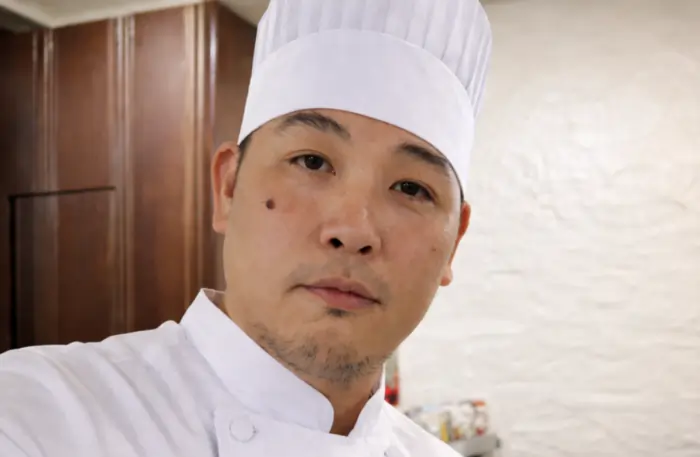
Chef Juan Gadi brings the heart of Filipino hospitality to Ubud, Bali. As an Executive Chef and consultant, he specializes in creating intimate, curated dining experiences that tell a story through every dish. Whether leading the kitchen at Kilig Filipino Warung or hosting a private villa dinner, Chef Juan’s approach is defined by warmth, modern technique, and a commitment to culinary excellence.