Why Sharing Filipino Food Creates Meaningful Cultural Connections Key Takeaways
Filipino food is more than sustenance—it is a vessel for stories, a gesture of warmth, and a bridge between people.
- Why Sharing Filipino Food Creates Meaningful Cultural Connections lies in its ability to transcend language and geography—food becomes a universal welcome.
- Understanding Filipino food culture reveals a deep tradition of communal dining, where meals are acts of love.
- Whether you are a traveler, an overseas Filipino, or a hospitality professional, embracing these traditions fosters genuine human bonds.
What Makes Sharing Filipino Food a Bridge Across Cultures
I still remember my first morning in Ubud. The mist hung low over the rice paddies, and the air smelled of frangipani and rain. I was a long way from my grandmother’s kitchen in Manila, yet when I opened a container of her chicken adobo—dark, garlicky, tangy with vinegar—I felt home. That container, shared with a fellow traveler from Sweden, sparked a conversation that lasted hours. She asked about the vinegar, the bay leaves, and the stories behind each ingredient. In that moment, sharing Filipino food became something bigger: a cultural exchange that needed no translation.
Filipino cuisine and culture are inseparable. Every dish tells a story of trade, colonization, adaptation, and resilience. The vinegar in adobo preserves meat in a tropical climate. The coconut milk in ginataan reflects the bounty of the archipelago. The Filipino hospitality behind these meals—the insistence that you eat, eat more, and then take food home—is a cultural value known as pakikisama (harmony with others) and utang na loob (a debt of gratitude that binds relationships). When you share authentic Filipino cuisine, you are not just serving food; you are inviting someone into your story. For a related guide, see The Cultural Stories Behind Filipino Cuisine Served in Bali.
How Filipino Culinary Traditions Open Hearts
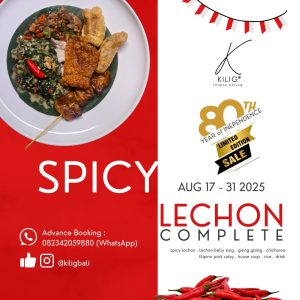
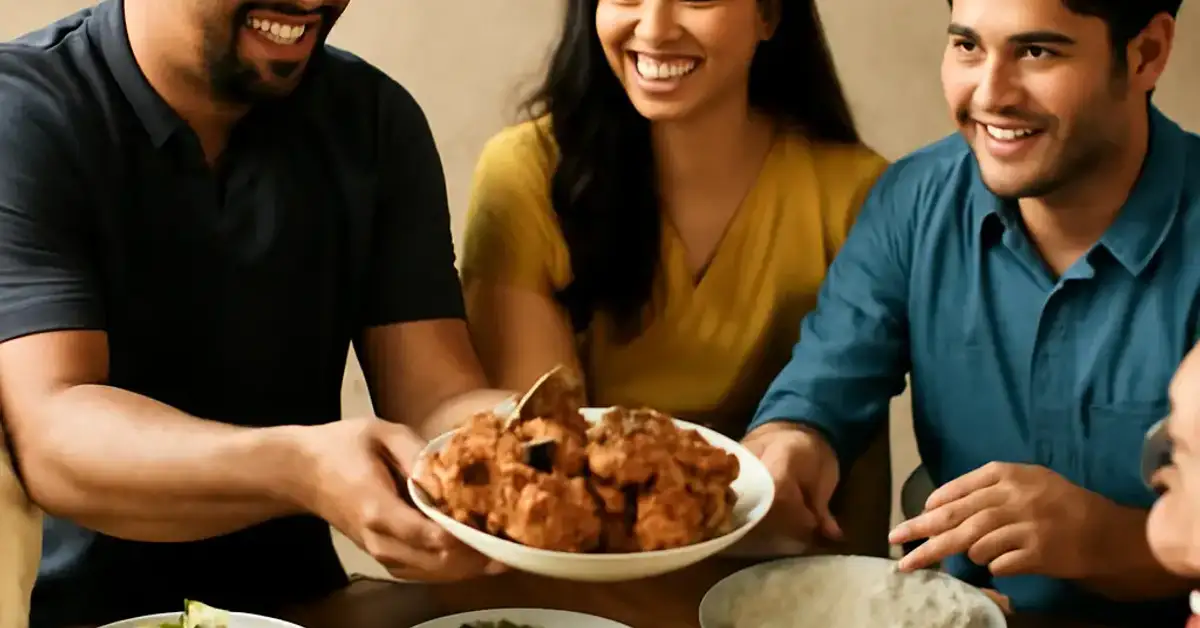
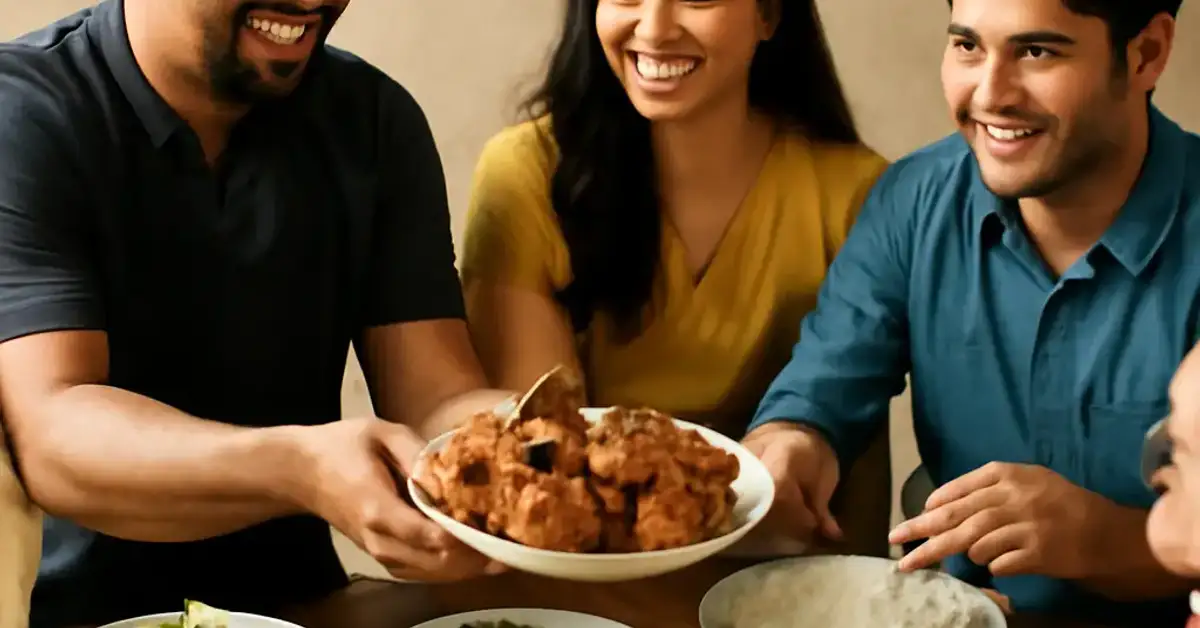
In my work at Kilig Filipino Warung in Ubud, I have watched travelers from all over the world light up when they taste traditional Filipino recipes for the first time. A Japanese couple tries crispy pata and grins. A group of Australian chefs asks for the exact ratio of soy sauce to vinegar in my adobo. These moments of wonder are not accidental. Filipino culinary traditions are designed to be shared. From the communal dining practice of boodle fight—where food is laid out on banana leaves and everyone eats with their hands—to the family celebrations that revolve around a single, groaning table, every meal is an invitation.
Why does sharing Filipino food create such powerful bonds? Because it is inherently generous. The portion sizes are large. The flavors are bold. There is always room for one more guest. Overseas Filipinos know this best: when we move abroad, we carry not just recipes but rituals. We recreate the food memories of our childhood—the comfort food that soothes homesickness—and share them with neighbors, colleagues, and new friends. Through heritage cooking, we preserve cultural identity and pass it forward.
The Role of Filipino Hospitality in Every Shared Meal
Filipino hospitality transforms a simple meal into an unforgettable experience. It is the reason a stranger becomes a guest, and a guest becomes family. In the Philippines, offering food is the first gesture of welcome. When you enter a home, you are immediately offered something to eat or drink—often both. This practice, called pahingi ng pagkain (offering food), is so deeply rooted that it extends beyond the home. Street vendors, market sellers, and even tricycle drivers will share their snacks with a regular customer.
As a chef, I see Filipino hospitality as the secret ingredient. It is not about fancy plating or rare ingredients. It is about the intention behind the dish. When I prepare a private villa dinner in Ubud, I start with a story: the origin of the bagoong, the reason we use dayap instead of lemon, the family memory attached to the recipe. Guests lean in. They ask questions. They laugh. They connect. This is how cultural connections through food are forged—not through information, but through shared experience.
Why Shared Meals Are the Heart of Filipino Life
In Filipino culture, meals are never just about eating. They are about family traditions, community gatherings, and the strengthening of bonds. The question “How does sharing Filipino food create meaningful cultural connections?”—the answer lies in the intention. Every shared meal is an act of love. Whether it is a simple breakfast of tapsilog or a lavish family celebration for a birthday or fiesta, the table is the center of life.
Family traditions are passed down through traditional recipes. My grandmother never wrote down her recipe for sinigang; she taught it by feel—the perfect sourness from tamarind, the timing for the vegetables, the way the fish should flake. When I cook it now, I am not just making soup. I am keeping a conversation alive across generations. This is the power of food storytelling: it deepens appreciation for Filipino culture and ensures that cultural preservation happens naturally, one meal at a time.
How Overseas Filipinos Stay Connected to Their Heritage Through Food
For the millions of overseas Filipinos working and living abroad, food is not just a taste of home—it is a lifeline. When you are far from the culinary heritage of the Philippines, cooking traditional Filipino recipes becomes a way to stay grounded. I have seen this in my own travels. Whether it is a group of nurses in London gathering to make pancit for a birthday, or a family in Dubai preparing lechon for Noche Buena, food keeps them tethered to Filipino heritage.
Sharing this food with non-Filipino friends also becomes an act of cultural exchange. Suddenly, a coworker learns that lumpia is not just a spring roll—it is a crispy symbol of celebration. An American neighbor discovers that ube halaya is not just a dessert; it is a purple hug from childhood. Through authentic flavors, cultural identity is shared without being diluted.
How Filipino Cuisine Encourages Cultural Exchange with International Visitors
When international travelers visit the Philippines—or a Filipino restaurant abroad—they often come with curiosity and leave with connection. Filipino cuisine surprises them. It is not as spicy as Thai, not as sweet as some Indonesian dishes, not as heavy as many Western comfort foods. It is uniquely balanced between salty, sour, savory, and sweet. This surprise opens the door for conversation. A traveler tries sinigang and asks, “What makes it sour?” A chef then explains the tamarind, the guava, the kamias—and just like that, a dialogue about Southeast Asian cuisine, agriculture, and history begins.
In Ubud, I have seen Filipino dining experiences become some of the most memorable parts of a traveler’s trip. Because at Kilig, we do not just serve food; we serve context. We explain why we use coconut vinegar. We show guests how to eat kinilaw properly. We laugh as they try to roll their own lumpia. These interactions become stories they take home—and share with others.
What Makes Communal Dining a Defining Feature of Filipino Traditions
Communal dining is the heartbeat of Filipino food traditions. Unlike Western fine dining, where individual plates are served, Filipino meals are designed for sharing. A single table holds multiple dishes: adobo, sinigang, lechon kawali, grilled fish, fresh vegetables, and rice—always rice. Each person takes a bit of everything. The phrase “Kain na!” (Let’s eat!) is an invitation to join, to connect, to belong.
This practice is rooted in the Filipino community through food ethos. In barrios and cities alike, community gatherings revolve around shared tables. At fiestas, every family contributes a dish. At family celebrations like weddings and baptisms, the food is abundant and everyone is welcome. This tradition teaches generosity, gratitude, and togetherness—values that make Filipino cuisine and culture so hospitable.
Classic Filipino Dishes Commonly Served During Family Gatherings
If you attend a Filipino family celebration, you will see a familiar lineup of dishes that symbolize abundance. Traditional Filipino recipes like lechon (roast pig), pancit (noodles for long life), and lumpia (spring rolls for prosperity) are almost always present. But there are also regional specialties that vary by province. In the Ilocos region, you might find bagnet and pinakbet. In the Visayas, inasal and kinilaw. In Mindanao, pianggang and tiyula itum. Each dish reflects the local landscape and history.
For overseas Filipinos, recreating these dishes abroad is an act of love and memory. It is also a way to introduce authentic Filipino cuisine to new friends and neighbors. When you share these dishes, you are not just feeding people; you are showing them a piece of the Philippines.
How Filipino Restaurants Introduce Guests to the Country’s Hospitality
Filipino restaurants around the world serve as cultural ambassadors. When a guest walks in, they are greeted with a smile and a menu that tells a story. The service style reflects Filipino hospitality: warm, attentive, and generous. Portions are generous. Refills are offered. The staff might even share a personal favorite way to eat a dish. This experience creates Filipino dining experiences that leave a lasting impression.
In Ubud, Kilig Filipino Warung operates on this philosophy. We do not just cook; we connect. Every plate is plated with care, and every guest receives a brief history of the dish. We want diners to leave not just full, but enriched. This approach builds cultural connections through food that extend beyond the restaurant walls. Guests return with friends, and they bring curiosity and respect.
Why Filipino Cuisine Fosters a Sense of Belonging Across Cultures
Food is one of the few universal languages. Sharing Filipino food fosters a sense of belonging because it is inclusive. There are no strict rules about how to eat—use a fork, spoon, or your hands. Every dish can be customized: add more chili, squeeze extra calamansi, dip in sawsawan. This flexibility makes everyone feel welcome. Whether you are a seasoned traveler or a first-time diner, you are invited to participate on your own terms.
I have seen this firsthand. A German couple who had never tried Filipino food left Kilig with a list of recipes. A group of Indonesian chefs discussed the similarities between Filipino and Javanese cooking. These exchanges build bridges. They show that while flavors and techniques may differ, the desire to share a good meal is universal.
How Sharing Filipino Food Strengthens Connections Between Communities Around the World
In an increasingly globalized world, sharing Filipino food is a powerful tool for connection. Filipino communities abroad organize potlucks, food festivals, and cooking workshops. These events are not just for Filipinos; they welcome anyone curious about the culture. Through these gatherings, cultural exchange happens organically. A neighbor learns to cook adobo. A coworker discovers sisig. A local restaurant adds a Filipino dish to their menu.
For travelers, seeking out Filipino food is a way to understand the culture deeply. Instead of just visiting tourist sites, they sit down for a meal with a local family. They learn about Filipino gastronomy firsthand. They leave with new friends and a deeper appreciation for the Philippines. This is the ultimate goal: creating meaningful cultural connections that last a lifetime.
Practical Tips for Embracing Filipino Food as a Bridge
- For travelers: Visit local Filipino restaurants and ask questions about the dishes. Try a boodle fight experience where you eat with your hands.
- For overseas Filipinos: Host a sharing Filipino food night with coworkers or neighbors. Let them taste your family traditions.
- For chefs and restaurateurs: Embrace food storytelling. Include the history and cultural context of each dish on your menu.
- For community organizations: Organize cultural exchange potlucks where families share dishes from their heritage.
- For everyone: Be open. Taste something new. Ask for the story behind the recipe.
Useful Resources
For deeper exploration of Filipino cuisine and culture, I recommend two excellent resources:
- TasteAtlas: Filipino Cuisine Overview – A comprehensive guide to authentic Filipino cuisine, regional dishes, and what makes them unique.
- Culture Trip: The Importance of Food in Filipino Culture – An insightful article on how Filipino food traditions shape cultural identity and community life.
Frequently Asked Questions About Why Sharing Filipino Food Creates Meaningful Cultural Connections
How does sharing Filipino food create meaningful cultural connections?
Sharing Filipino food creates cultural connections through food by inviting people into a shared experience. The act of offering a meal—often with stories behind each dish—builds trust, sparks curiosity, and forms bonds that transcend language and background.
Why is sharing meals an important part of Filipino culture?
In Philippine culture, shared meals are acts of love and community. Meals bring families and friends together, reinforce social ties, and are central to family traditions and celebrations. The phrase kain na is an open invitation to belong.
How does Filipino hospitality strengthen relationships through food?
Filipino hospitality is expressed through generosity with food. Offering the best portions, insisting that guests eat more, and giving food as gifts build lasting relationships. This warmth makes people feel valued and creates deep, trust-based connections.
What role do traditional Filipino recipes play in bringing families together?
Traditional Filipino recipes are passed down through generations and are central to family celebrations. Cooking and eating these dishes together preserves cultural identity and creates food memories that strengthen family bonds across time and distance. For a related guide, see How Family Recipes Shape Filipino Dining Experiences in Bali.
How does Filipino cuisine help preserve cultural identity?
Filipino cuisine is a repository of history, geography, and culinary heritage. By cooking and sharing authentic Filipino cuisine, overseas Filipinos and younger generations maintain a living connection to their roots, ensuring cultural preservation through everyday practice.
Why do shared meals create lasting memories for travelers and families?
Shared meals engage all the senses—taste, smell, sight, touch, and sound (laughter, conversation, music). These multisensory experiences create strong food memories that are tied to emotion. Travelers remember a home-cooked meal longer than a museum visit.
How does Filipino food encourage cultural exchange with international visitors?
Filipino food introduces visitors to the country’s history, agriculture, and values. Dishes like adobo, sinigang, and lumpia invite questions about ingredients and techniques, sparking dialogues that lead to meaningful cultural exchange.
What makes communal dining a defining feature of Filipino traditions?
Communal dining reflects the Filipino value of pakikisama (harmonious togetherness). Serving food family-style on a single table encourages sharing, conversation, and equality among diners, making every meal a community gathering.
How do overseas Filipinos stay connected to their heritage through food?
Overseas Filipinos recreate traditional Filipino recipes at home, host sharing Filipino food events, and join Filipino community through food groups. These practices keep cultural identity alive and help pass Filipino heritage to the next generation. For a related guide, see Why Filipino Culinary Heritage Resonates: 7 Authentic Flavors That Captivate Visitors.
Why do Filipino celebrations often center around shared meals?
From birthdays to fiestas, family celebrations revolve around abundant food as a symbol of blessings. The table becomes a place of gratitude, generosity, and togetherness, reinforcing the importance of Filipino community through food.
How does food storytelling deepen appreciation for Filipino culture?
Food storytelling provides context behind the flavors—why certain ingredients are used, how dishes evolved through history, and what they mean to families. This narrative layer turns a meal into a cultural lesson and builds emotional resonance.
What classic Filipino dishes are commonly served during family gatherings?
Lechon, pancit, lumpia, adobo, sinigang, and lechon kawali are staples at family celebrations. Regional specialties like inasal, bagnet, and pianggang also appear depending on the province of origin.
How do Filipino restaurants introduce guests to the country’s hospitality?
Filipino restaurants embody Filipino hospitality through warm service, generous portions, and openness to questions. Many also share the story behind each dish, giving diners Filipino dining experiences rich with culture.
Why does Filipino cuisine foster a sense of belonging across cultures?
Filipino cuisine is inherently inclusive: it adapts to local tastes, encourages communal eating, and welcomes modifications. This flexibility makes people of all backgrounds feel comfortable participating in the experience.
How does sharing Filipino food strengthen connections between communities around the world?
Through potlucks, food festivals, and cooking classes, sharing Filipino food becomes a global conversation. These gatherings build bridges between overseas Filipinos and their new neighbors, fostering understanding and cultural exchange.
What makes adobo the most representative Filipino dish?
Adobo exemplifies Filipino culinary traditions because it is simple, adaptable, and deeply rooted in history. Every family has its own version, making it a personal and communal symbol of Filipino heritage.
How does Filipino food compare to other Southeast Asian cuisines?
Southeast Asian cuisine shares ingredients like coconut, rice, and tropical fruits. Filipino food is distinct for its heavy use of vinegar and fermentation, and its relatively mild heat compared to Thai or Indonesian dishes.
What is a boodle fight and how does it promote connection?
A communal dining practice where food is spread on banana leaves and eaten with hands. It breaks down formal barriers, encourages playfulness, and forces diners to interact, making it a powerful bonding activity.
How can travelers experience authentic Filipino cuisine in a sustainable way?
Travelers can visit local Filipino restaurants, eat at family celebrations if invited, take cooking classes, or join food tours. Supporting small vendors and heritage cooking ensures cultural preservation.
What role does rice play in Filipino food culture ?
Rice is a staple in Filipino food culture and appears at every meal. It acts as a neutral base that balances the bold, salty, and sour flavors of dishes, and is a symbol of sustenance and abundance.
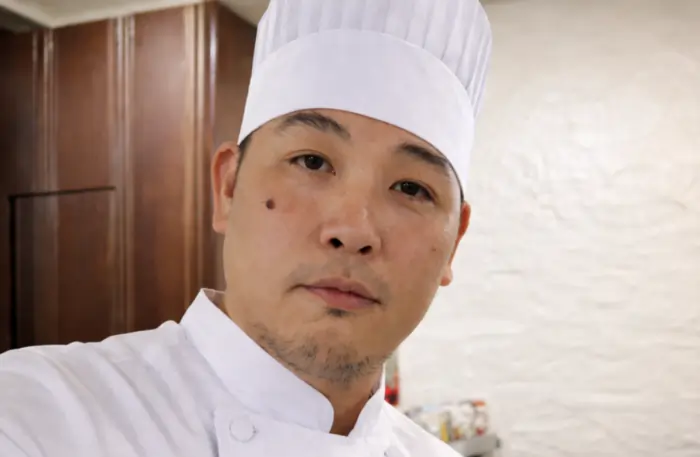
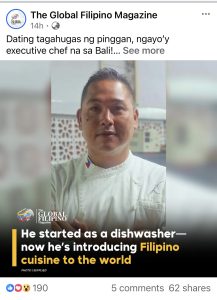
Chef Juan Gadi brings the heart of Filipino hospitality to Ubud, Bali. As an Executive Chef and consultant, he specializes in creating intimate, curated dining experiences that tell a story through every dish. Whether leading the kitchen at Kilig Filipino Warung or hosting a private villa dinner, Chef Juan’s approach is defined by warmth, modern technique, and a commitment to culinary excellence.