Tropical Ingredients Shared by Filipino and Balinese Cuisine Key Takeaways
Filipino and Balinese cuisines share a remarkable number of Tropical Ingredients Shared by Filipino and Balinese Cuisine , including coconut , lemongrass , turmeric , and pandan .
- Tropical Ingredients Shared by Filipino and Balinese Cuisine like coconut and ginger form the backbone of both culinary traditions .
- Local Balinese markets provide the same tropical ingredients that define authentic Filipino cuisine .
- Chefs in Bali combine local ingredients with Filipino recipes to create unforgettable culinary experiences .
Why These Tropical Ingredients Shared by Filipino and Balinese Cuisine Matter for Travelers
When you travel to Bali, you expect vibrant Balinese food. But what if you could taste the soul of the Philippines too? The Tropical Ingredients Shared by Filipino and Balinese Cuisine are not a coincidence — they reflect centuries of island cuisine shaped by volcanic soil, monsoon rains, and a shared love for bold, fresh flavors. As an executive chef in Ubud, I have seen how local ingredients from Balinese farms let me recreate the authentic Filipino cuisine I grew up with. This article walks you through the eight key ingredients that connect these two Southeast Asian cuisine traditions, and shows you where to experience them in Bali. For a related guide, see A Guide to Understanding Filipino Flavors Before Dining in Bali.
What Are the Eight Tropical Ingredients Shared by Filipino and Balinese Cuisine?
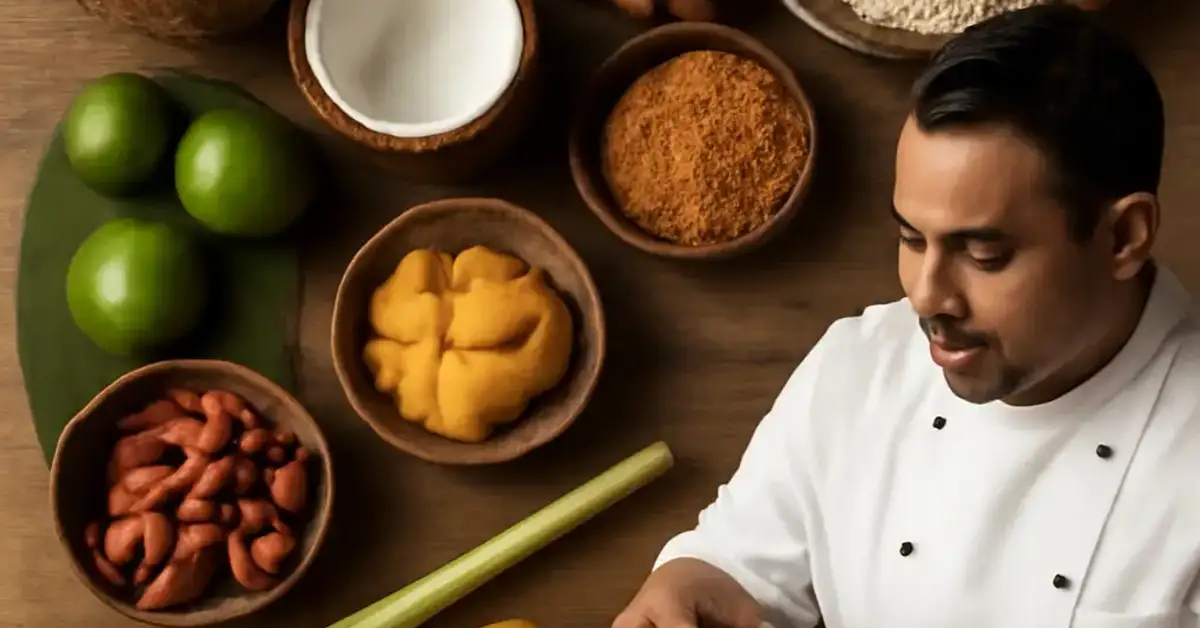
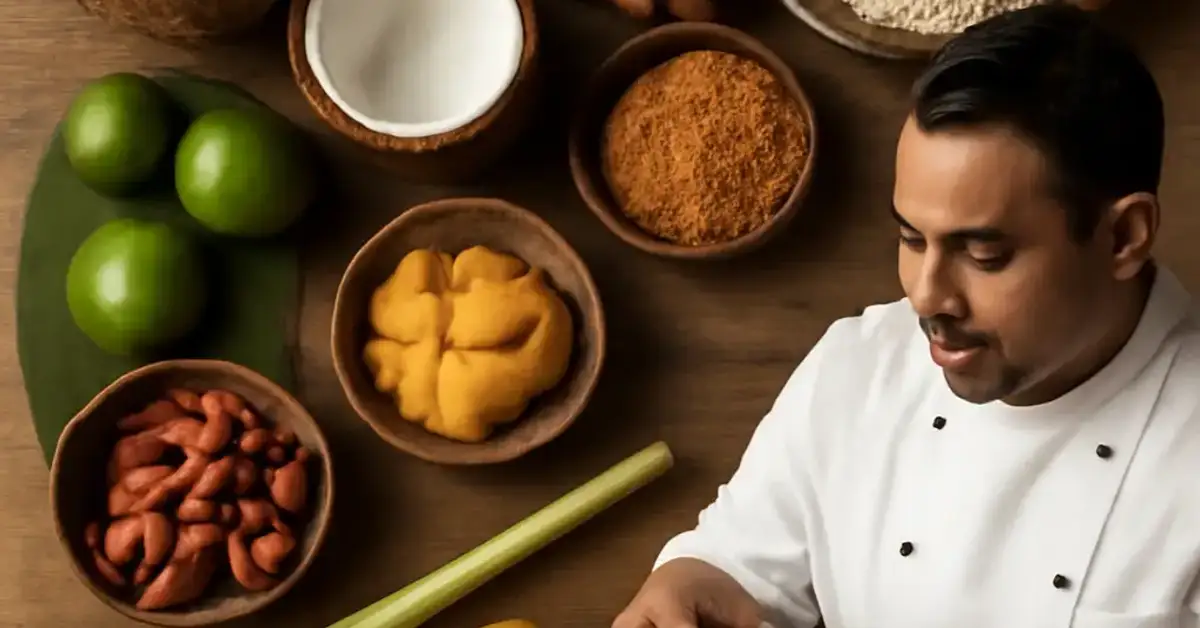
Before we dive into each ingredient, here is a quick overview of the eight Tropical Ingredients Shared by Filipino and Balinese Cuisine: coconut, banana, mango, lemongrass, ginger, turmeric, pandan, and chili peppers. These ingredients appear in both Filipino recipes and Balinese recipes, forming the flavor foundation of countless traditional recipes. Let us explore how each one works in both kitchens.
1. Coconut — The Universal Island Staple
Coconut is arguably the most important tropical ingredient across both cuisines. In the Philippines, grated coconut enriches desserts like bibingka, while coconut milk (gata) creates the creamy base for laing and ginataan. In Bali, coconut milk (santan) is essential for lawar, sate lilit, and countless curries. The flesh, oil, and water are all used.
How Coconut Bridges Filipino and Balinese Cooking
Both cultures press fresh coconut milk daily at local markets. I often source young coconuts from Ubud’s morning market to make authentic Filipino kare-kare or a modern coconut-based sorbet. The versatility of coconut makes it the first Tropical Ingredient Shared by Filipino and Balinese Cuisine that any traveler should look for on a menu.
2. Banana — From Savory to Sweet
Banana might surprise you as a savory ingredient, but both cuisines use it in stews, snacks, and desserts. Filipinos cook saba bananas in ginataang saba (coconut milk stew) or fry them as turon. Balinese cuisine uses banana leaves as wrappers for pepes and steams the fruit itself in sweet palm sugar syrup.
Where to Taste Banana Dishes in Bali
At Kilig Filipino Warung, I serve a caramelized banana with coconut caramel inspired by both traditions. You can also find Balinese godoh biu (fried banana) at local local markets. The shared love for banana shows how island dining often blurs the line between dessert and main course.
3. Mango — The King of Tropical Fruits
Mango is a superstar in both countries. The Philippines prizes its sweet carabao variety for smoothies, salads, and dried fruit. Balinese cuisine pairs green mango with shrimp paste (terasi) for a sharp sambal or adds ripe mango into fresh spring rolls. Both cultures understand that mango brings acidity and sweetness to any plate.
Mango in Filipino Recipes and Balinese Recipes
I often use local Balinese mangoes — which rival any Philippine variety — for a modern take on ensaladang mangga. The fruit’s bright flavor cuts through rich coconut-based dishes, making mango a perfect example of Tropical Ingredients Shared by Filipino and Balinese Cuisine.
4. Lemongrass — The Aromatic Bridge
Lemongrass is the backbone of aromatic cooking in both traditions. Filipino dishes like tinola and sinigang rely on lemongrass for a citrusy lift. Balinese cuisine uses it in base genep — the essential spice paste for lawar, bebek betutu, and sate. The grassy, floral notes are unmistakable.
Why Lemongrass Is Central to Southeast Asian Cooking
Lemongrass grows abundantly in Bali’s highlands. I buy fresh stalks from the Gianyar market to infuse oils and broths. It is one of the local herbs that instantly connects Filipino flavors to Balinese flavors. Without it, many traditional recipes would lose their soul.
5. Ginger — Warming and Versatile
Ginger appears in both sweet and savory contexts. Filipino cuisine uses it in arroz caldo, salabat (tea), and braised pork adobo. Balinese cuisine uses ginger (jae) in spice pastes for curry and stir-fries, as well as in the warming drink wedang ginger.
How Ginger Influences Filipino Food in Bali
At my kitchen, I employ young Balinese ginger for its tender skin and intense heat. It works beautifully in Filipino-caldo served with crispy garlic. Ginger is one of those island spices that feels familiar to anyone from the Philippines and instantly welcome for Balinese diners.
6. Turmeric — Golden Color, Earthy Depth
Turmeric gives both cuisines a golden hue and earthy undertone. Filipino dishes like kuning na manok (yellow chicken soup) and certain versions of kare-kare feature turmeric. Balinese cuisine relies on turmeric (kunyit) as a key component of base genep and yellow rice (nasi kuning) for ceremonies.
Farm-Fresh Turmeric in Balinese Markets
I source fresh turmeric from local farmers in Tabanan. Its vibrant color and mild peppery flavor elevates any tropical cooking. Using local Balinese turmeric in Filipino recipes proves that farm fresh produce can create authentic ingredients for a true cultural cuisine fusion.
7. Pandan — The Vanilla of Southeast Asia
Pandan is the scent that defines Southeast Asian cuisine. In the Philippines, pandan leaves are used to flavor rice (pandan rice with coconut milk), desserts like buko pandan salad, and cakes. Balinese cuisine uses pandan in sweet sticky rice, palm sugar syrup, and as a natural fragrance for steamed dishes.
Why Pandan Is Essential for Island Cuisine
Pandan is one of those local herbs you cannot fake. I weave pandan leaves into young coconut jelly for a signature dessert at Kilig. Its aroma brings comfort to Filipino flavors and feels at home in any Balinese flavors dessert. It is a true connector between the two culinary traditions.
8. Chili Peppers — Heat That Unites
Chili peppers bring fire to both tables. Filipino cuisine favors siling labuyo (bird’s eye chili) for bicol express and spicy adobo. Balinese cuisine uses the same variety — cabe rawit — in sambal matah, sambal embe, and countless lawar preparations. The heat level is similar, and the love for spice is equally intense.
Understanding Chili Peppers in Filipino Food in Bali
At Kilig, we adjust the amount of chili peppers according to guest preference, but the soul of the dish always includes a small punch. Both cultures believe that heat enhances — not masks — the fresh seafood and tropical fruits on the plate. This respect for spice is why Filipino and Balinese flavors complement each other so naturally.
How Local Ingredients Influence Filipino Food in Bali
Bali’s local ingredients — from mountain grown local herbs to coastline fresh seafood — allow me to cook authentic Filipino cuisine without compromise. The volcanic soil produces farm fresh produce that rivals the Philippines in quality. For travelers, this means you can enjoy regional flavors from home using ingredients grown just kilometers away. My approach is to honor both the Filipino recipes and the Balinese food culture by selecting the best of each season. For a related guide, see How Fresh Local Ingredients Elevate Filipino Cuisine in Bali.
Where Can I Experience Authentic Filipino Cuisine Made with Fresh Tropical Ingredients in Bali?
At Kilig Filipino Warung in Ubud, I serve dishes that highlight these Tropical Ingredients Shared by Filipino and Balinese Cuisine. Our menu changes with the market, but you will always find coconut-based stews, lemongrass-infused broths, and pandan-scented desserts made with Balinese island spices. For a more intimate experience, I also host private villa dinners where guests can witness how I combine local produce with Filipino recipes in real time.
Why Should Travelers Explore the Shared Culinary Heritage of the Philippines and Bali?
When you understand the Tropical Ingredients Shared by Filipino and Balinese Cuisine, every meal becomes a cultural story. You will notice that coconut is not just a spice — it is a thread connecting island cuisine across 2,000 kilometers. Exploring this heritage enriches your food tourism Bali experience, letting you see Filipino and Balinese cuisine not as separate entities but as two branches of the same Southeast Asian cuisine tree. Whether you are a culinary traveler or a food enthusiast, walking through a Balinese local market with knowledge of these ingredients transforms your journey.
Useful Resources
- Bali Grain’s Guide to Local Markets in Ubud – A practical resource for finding farm fresh produce and local herbs.
- Saveur’s Article on Coconut in Filipino Cooking – Explores how coconut defines Filipino flavors and traditional recipes.
Chef Juan Gadi brings the heart of Filipino hospitality to Ubud, Bali. As an Executive Chef and consultant, he specializes in creating intimate, curated dining experiences that tell a story through every dish. Whether leading the kitchen at Kilig Filipino Warung or hosting a private villa dinner, Chef Juan’s approach is defined by warmth, modern technique, and a commitment to culinary excellence. For a related guide, see How Traditional Filipino Cooking Inspires Modern Dining in Bali.
Frequently Asked Questions About Tropical Ingredients Shared by Filipino and Balinese Cuisine
What are the eight tropical ingredients shared by Filipino and Balinese cuisine ?
The eight ingredients are coconut, banana, mango, lemongrass, ginger, turmeric, pandan, and chili peppers. Each plays a vital role in both Filipino recipes and Balinese recipes.
How do Filipino and Balinese cuisines use similar tropical ingredients ?
Both cuisines use these ingredients in spice pastes, stews, desserts, and beverages. For example, coconut milk creates creamy bases in both kare-kare and lawar, while lemongrass provides citrus aroma in tinola and base genep.
Which fruits herbs and spices are common in both cuisines ?
Common fruits include banana and mango. The herbs and spices shared are lemongrass, ginger, turmeric, and pandan. Chili peppers and coconut round out the list.
How do local ingredients influence Filipino food in Bali ?
Bali’s farm fresh produce allows chefs to source local herbs and tropical fruits that mirror authentic Filipino cuisine. This makes cooking Filipino food in Bali more sustainable and flavorful.
What traditional dishes highlight these shared ingredients ?
Filipino dishes like ginataan, sinigang, and turon highlight these ingredients. Balinese dishes like lawar, sate lilit, and bebek betutu also rely on the same island spices and fresh seafood.
Why do Filipino and Balinese flavors complement each other?
Both cuisines balance sour, salty, sweet, and spicy notes using the same tropical ingredients. Lemon grass and coconut create a familiar flavor profile, making the cuisines feel naturally harmonious.
Where can I experience authentic Filipino cuisine made with fresh tropical ingredients in Bali?
Visit Kilig Filipino Warung in Ubud, where Chef Juan Gadi uses Balinese local ingredients to craft authentic Filipino cuisine with fresh seafood and tropical fruits.
How do chefs combine local produce with Filipino recipes ?
Chefs like Juan Gadi substitute Balinese farm fresh produce for Philippine equivalents, maintaining Filipino flavors while supporting food tourism Bali and local farmers.
What makes tropical ingredients essential to island cooking?
Island cooking relies on what grows naturally in tropical climates. Ingredients like coconut, banana, and ginger provide nutrition, flavor, and preservation in hot, humid islands.
Why should travelers explore the shared culinary heritage of the Philippines and Bali ?
Exploring this heritage deepens your understanding of Southeast Asian cuisine, connects you to culinary traditions, and enriches your food tourism Bali experience.
Can I find Filipino dishes in Bali’s local markets ?
While traditional Filipino recipes are rarely sold at Balinese local markets, you can buy the tropical ingredients and make dishes yourself or dine at specialized Filipino restaurant Bali spots like Kilig.
Is coconut used the same way in both cuisines?
Yes, both cuisines use coconut milk, oil, and grated flesh. The Philippines uses it in stews and desserts, while Bali uses it in sate, lawar, and curries. The applications overlap significantly.
What is the most surprising shared ingredient?
Banana often surprises travelers because it appears in both savory stews and sweet snacks in both Filipino recipes and Balinese recipes.
How does ginger differ in Filipino vs. Balinese cooking?
Both use young ginger for its mild heat. Filipinos use it in soups and teas, while Balinese cooks grind it into spice pastes for Balinese food.
What role does pandan play in both cuisines?
Pandan serves as a natural flavor and aroma enhancer in both traditions. It colors rice, perfumes desserts, and wraps fresh seafood for steaming.
Are chili peppers in Filipino cuisine as spicy as Balinese?
Yes, both use bird’s eye chili peppers (siling labuyo in the Philippines, cabe rawit in Bali). The heat level is comparable, though Balinese sambals can be more complex.
Can I take cooking classes in Bali that cover these ingredients?
Yes. Many cooking schools in Ubud teach Southeast Asian cooking using local ingredients. Some even offer specific classes on Filipino recipes with Balinese produce.
What is the best time of year to find fresh mango in Bali?
The peak season for mango in Bali is from October to December. During these months, you get the sweetest fruit for both Filipino recipes and Balinese recipes.
How do I identify farm-fresh turmeric at a Balinese market?
Look for turmeric with bright orange flesh, firm skin, and a strong earthy smell. Avoid wrinkled or soft pieces. Fresh turmeric yields more flavor.
What is the best way to use pandan leaves at home?
Tie pandan leaves into a knot and simmer them with coconut milk or rice. The leaves impart a vanilla-like aroma without any artificial flavoring.
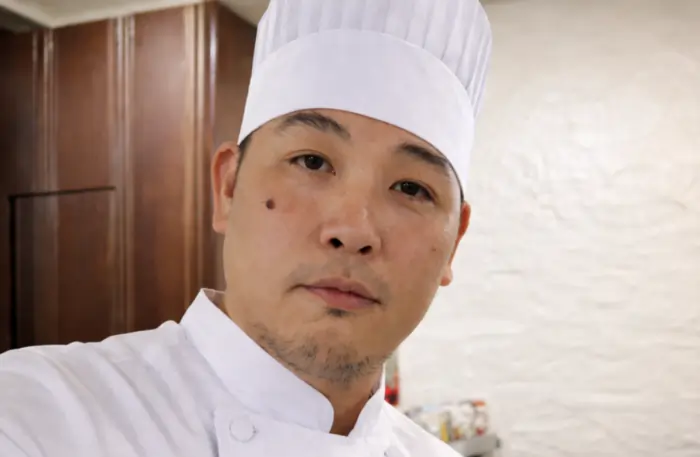
Chef Juan Gadi brings the heart of Filipino hospitality to Ubud, Bali. As an Executive Chef and consultant, he specializes in creating intimate, curated dining experiences that tell a story through every dish. Whether leading the kitchen at Kilig Filipino Warung or hosting a private villa dinner, Chef Juan’s approach is defined by warmth, modern technique, and a commitment to culinary excellence.