Filipino Dishes Perfect for First Time Diners in Bali Key Takeaways
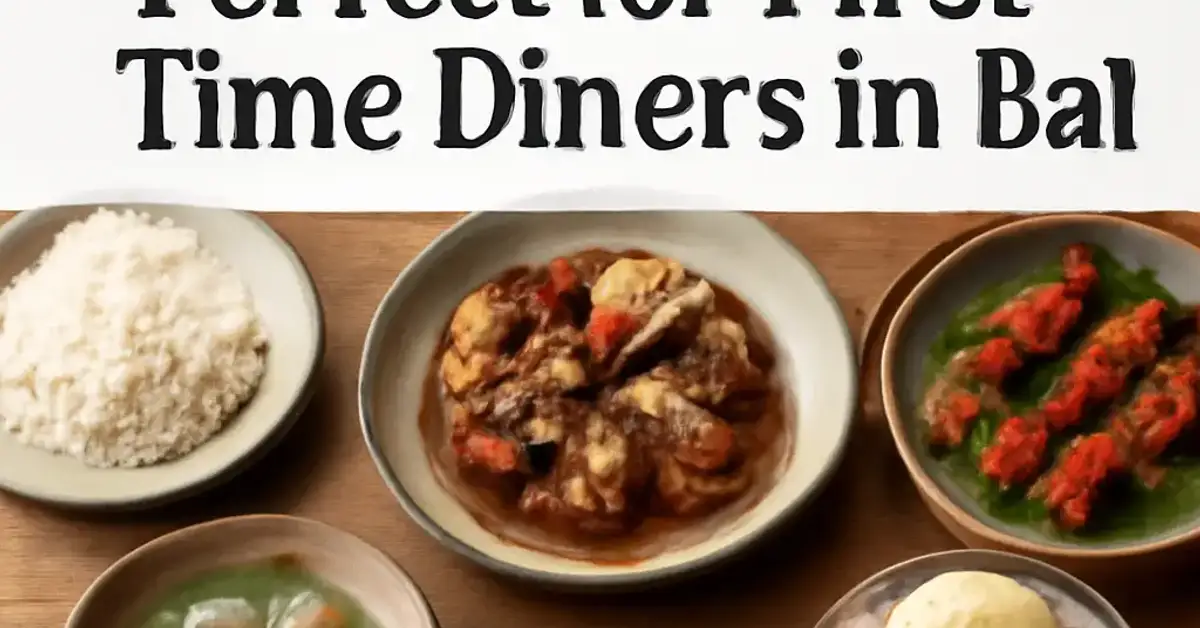
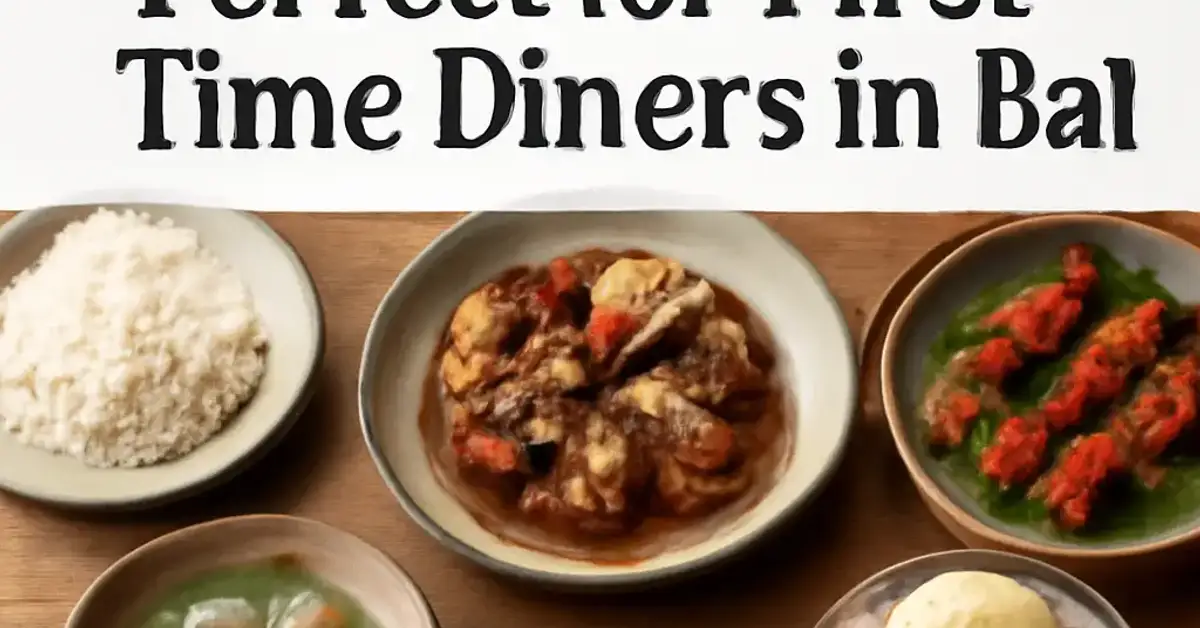
For first-time diners in Bali, exploring Filipino dishes perfect for first time diners in Bali offers a delicious bridge between familiar comfort and exotic Southeast Asian flavors.
- Filipino dishes perfect for first time diners in Bali include adobo , sinigang , kare-kare , and lechon kawali , all widely available at local Filipino restaurants Bali .
- First-timers should start with mild, umami-rich options like Filipino comfort food adobo and pancit canton before exploring tangy sinigang or spicy sisig .
- For an authentic experience, visit dedicated Filipino food in Bali spots such as Kilig Filipino Warung or book a curated villa dinner for a deeper dive into traditional Filipino food .
What Makes Filipino Dishes Perfect for First Time Diners in Bali
Bali is a culinary crossroads where travelers can taste the world. Yet few cuisines offer the warmth and approachability of Filipino cuisine. As Chef Juan Gadi, I’ve seen countless first-time diners light up when they try their first spoonful of adobo or crunch into lumpiang shanghai. The beauty of Filipino dishes perfect for first time diners in Bali lies in their balance: familiar ingredients like garlic, soy sauce, and vinegar, combined with tropical produce and gentle spices that never overwhelm. For a related guide, see 9 Filipino Dining Trends Influencing Bali’s Culinary Scene.
When you search for authentic Filipino cuisine Bali, you’ll discover a tradition built on community, sharing, and slow-cooked love. Unlike some cuisines that shock with heat, Pinoy dishes invite you to enjoy. For tourists, families, and food lovers, this makes Filipino food in Bali a safe yet exciting choice. Whether you’re at a family-friendly restaurants or a private dining table, the experience is always inclusive.
The 10 Filipino Dishes Perfect for First Time Diners in Bali
Below is my curated list of must-try Filipino dishes that every visitor should taste. Each dish is paired with a flavor profile, a tip on where to eat in Bali, and a pro tip from my kitchen.
1. Adobo – The National Dish, Mild and Welcoming
Adobo is the quintessential Filipino comfort food. Chicken or pork is braised in soy sauce, vinegar, garlic, bay leaves, and peppercorns until tender. The result is a savory, tangy, and deeply satisfying stew.
For first-timers, adobo is the perfect starting point. Its flavor profile is reminiscent of familiar braised meats, making it one of the best Filipino dishes in Bali for cautious eaters. You can enjoy it as chicken adobo (mild) or pork adobo (slightly richer).
Where to find it in Bali: Head to Kilig Filipino Warung in Ubud or check local Filipino restaurants Bali that list adobo on their daily menu.
Chef Juan’s Pro Tip: Pair adobo with a drizzle of the reduced sauce over steamed rice. The vinegar cuts through the richness beautifully.
2. Sinigang – A Tamarind-Sour Broth That Wakes Up the Palate
Sinigang is a sour soup made with tamarind, tomatoes, and vegetables like kangkong (water spinach), radish, and eggplant. It typically features pork, shrimp, or fish.
First-time diners often ask, “Which Filipino dishes are sour?” This is the one. It’s a tangy, comforting broth that’s light yet satisfying – a wonderful contrast to heavier dishes.
Where to find it in Bali: Many authentic Filipino cuisine Bali eateries serve sinigang on weekends. Ask your host if they have “sinigang na baboy” (pork sinigang) for the full experience.
Chef Juan’s Pro Tip: Sinigang is best enjoyed piping hot. Add a small bird’s eye chili if you like a hint of heat, but the sourness is the star.
3. Kare-Kare – Peanut Stew, a Rich and Nutty Favorite
Kare-kare is a thick, savory stew made with oxtail, tripe, or beef, cooked in a peanut-based sauce with vegetables like eggplant and string beans. It’s served with bagoong (fermented shrimp paste) on the side.
First-timers love kare-kare because the peanut flavor is familiar and comforting – think of it like a savory satay stew. It’s one of the most popular Filipino specialties for tourists.
Where to find it in Bali: Look for best Pinoy restaurant Bali spots that specialize in traditional dishes. Kilig Filipino Warung often features kare-kare as a weekend special.
Chef Juan’s Pro Tip: Don’t skip the bagoong. The salty, funky shrimp paste perfectly balances the rich, nutty sauce. Mix a tiny bit on your spoon with every bite.
4. Lechon Kawali – Crispy Fried Pork Belly, a Crowd Pleaser
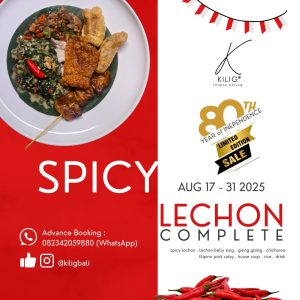
Lechon kawali is deep-fried pork belly that’s been simmered until tender, then fried to golden, crackling perfection. It’s served with a dipping sauce of vinegar, soy sauce, and chili.
This dish is a guaranteed hit. Even picky eaters love the crunch and salty flavor. It’s easily one of the must-try Filipino dishes for any visitor.
Where to find it in Bali: Most Filipino restaurants Bali offer lechon kawali on their regular menu. It’s often listed under crispy pork or fried pork belly.
Chef Juan’s Pro Tip: Ask for it extra crispy. The skin should shatter when you bite into it. Dip in spiced vinegar for a bright contrast.
5. Sisig – Sizzling Chopped Pork, a Flavor Explosion
Sisig is a sizzling plate of chopped pig face, ears, and liver, seasoned with calamansi, chili, and onions. It’s topped with a raw egg that cooks on the hot plate.
For the adventurous first-timer, sisig is a revelation. It’s savory, tangy, and slightly spicy. It pairs incredibly well with cold beer and is a staple of Filipino food in Bali bar scenes.
Where to find it in Bali: Night markets and Pinoy food Bali pop-ups often serve sisig. It’s also a highlight at Kilig Filipino Warung.
Chef Juan’s Pro Tip: Mix the raw egg into the hot sisig immediately – it creates a creamy, rich texture that balances the crispy bits.
6. Pancit Canton – Stir-Fried Noodles, the Ultimate Comfort
Pancit canton is a stir-fried noodle dish loaded with vegetables, meat (chicken, pork, or shrimp), and soy sauce. It’s a symbol of long life and is served at celebrations.
First-time diners find pancit canton instantly approachable. The noodles are soft, the flavors are savory, and it’s not spicy. It’s perfect for families, especially kids.
Where to find it in Bali: Many Filipino restaurants Bali serve pancit canton as a lunch staple. It’s also available as a takeaway option.
Chef Juan’s Pro Tip: Squeeze calamansi (Filipino lime) over the noodles before eating. The citrus brightens the dish and adds freshness.
7. Chicken Inasal – Grilled Chicken Marinated in Annatto and Citrus
Chicken inasal is a grilled chicken dish from Bacolod. The chicken is marinated in a mixture of annatto oil, calamansi, lemongrass, and garlic, then grilled over hot coals.
It’s one of the most aromatic and visually striking Pinoy dishes. The vibrant orange color and smoky flavor make it a favorite among tourists seeking authentic Filipino cuisine Bali.
Where to find it in Bali: Look for Filipino food in Bali grilled specialties at weekend markets or order it from a Filipino restaurants Bali that specializes in grilled meats.
Chef Juan’s Pro Tip: Brush the chicken with the remaining annatto oil while grilling to keep it moist. Serve with a side of “sinamak” (spiced vinegar) for dipping.
8. Lumpiang Shanghai – Crispy Spring Rolls, the Ultimate Appetizer
Lumpiang shanghai are deep-fried spring rolls filled with seasoned ground pork, carrots, onions, and spices. They are the Filipino version of egg rolls, served with sweet chili sauce.
These crunchy bites are loved by children and adults alike. They are arguably the most popular Filipino dishes at parties and a fantastic introduction for first-timers.
Where to find it in Bali: Most Filipino restaurants Bali offer lumpiang shanghai as an appetizer. They’re also common at family-friendly restaurants serving authentic Asian cuisine.
Chef Juan’s Pro Tip: Dip them in a mixture of sweet chili sauce and a drop of calamansi for a tangy twist.
9. Halo-Halo – The Ultimate Filipino Dessert
Halo-halo means “mix-mix” in Filipino. It’s a shaved ice dessert topped with sweetened beans, coconut strips, sago, gelatin, leche flan, ube ice cream, and a drizzle of evaporated milk.
This is a dessert adventure. Every spoonful is different. It’s the most iconic of Filipino desserts and a perfect way to cool down in Bali’s tropical heat.
Where to find it in Bali: Filipino restaurants Bali with a dessert menu often feature halo-halo. It’s also available at best Pinoy restaurant Bali like Kilig Filipino Warung on request.
Chef Juan’s Pro Tip: Don’t stir it too much. Instead, take a spoon and dig from the bottom to get a mix of all the ingredients in one bite.
10. Filipino Breakfast (Silog Meals) – A Hearty Start to the Day
Filipino breakfast typically features garlic fried rice (sinangag), a fried egg (itlog), and a protein such as beef tapa, longganisa (sweet sausage), or daing (marinated fish). This combo is called a “silog.”
For first-time diners, a silog meal is a comforting, familiar breakfast that fits any morning. It’s hearty, savory, and a great introduction to Filipino flavors beyond lunch or dinner.
Where to find it in Bali: Some Filipino restaurants Bali offer breakfast menus. Check with local Filipino cuisine guide resources or ask at Kilig Filipino Warung.
Chef Juan’s Pro Tip: Always request your egg sunny-side up, and mix the runny yolk with the garlic rice for a creamy finish.
Comparison of Flavor Profiles for First-Time Diners
| Dish | Flavor Profile | Spice Level | Best For |
|---|---|---|---|
| Adobo | Savory, tangy, garlic | Mild | Absolute beginners |
| Sinigang | Sour, savory, vegetable | Mild | Soup lovers |
| Kare-Kare | Rich, nutty, savory | Mild | Peanut sauces fans |
| Lechon Kawali | Crispy, salty, umami | Mild | Crowd pleasers |
| Sisig | Savory, tangy, slightly spicy | Medium | Adventurous eaters |
| Pancit Canton | Savory, soy-based, vegetable | Mild | Families, kids |
| Chicken Inasal | Smoky, citrus, aromatic | Mild | Grilled meat fans |
| Lumpiang Shanghai | Crunchy, savory, sweet dip | Mild | Appetizer seekers |
| Halo-Halo | Sweet, creamy, mixed textures | None | Dessert lovers |
| Silog Breakfast | Savory, garlicky, hearty | Mild | Breakfast fans |
Where to Find Authentic Filipino Cuisine in Bali
For those asking “Where can I find authentic Filipino food in Bali,” the answer lies in Ubud, Seminyak, and Canggu. Kilig Filipino Warung in Ubud, led by Chef Juan Gadi, offers a curated menu of traditional Filipino food in a warm, family-friendly restaurants setting. Other Filipino restaurants Bali include pop-ups in Seminyak and resort collaborations. For private dining, book a villa experience through Chef Juan’s culinary consultancy.
When planning your Bali food guide, seek out authentic Filipino cuisine Bali at lunch or dinner. Many restaurants offer tasting menus for tourists wanting to sample multiple Pinoy dishes in one sitting.
Why Filipino Cuisine Is a Unique Southeast Asian Food Experience
Filipino cuisine stands apart in the Southeast Asian food landscape. Unlike Thai or Indonesian food that often relies on chili heat, Filipino cooking balances sour, salty, and sweet without overwhelming spice. Ingredients like calamansi, patis (fish sauce), and bagoong are nuanced. For travelers interested in Indonesian travel and food tourism, adding Filipino food in Bali to their itinerary is a culinary adventure worth taking.
Useful Resources
For further reading on Filipino dishes perfect for first time diners in Bali, check out the following guides:
- Kilig Filipino Warung – Ubud Community Guide – A local directory for authentic Pinoy food Bali.
- Bali.com – Filipino Restaurants in Bali – A comprehensive list of Filipino restaurants Bali.
Frequently Asked Questions About Filipino Dishes Perfect for First Time Diners in Bali
What are the best Filipino dishes to try in Bali?
The best dishes for first-timers include adobo, lechon kawali, kare-kare, pancit canton, and lumpiang shanghai. These must-try Filipino dishes offer a range of flavors that are approachable and delicious.
Where can I find authentic Filipino food in Bali ?
Authentic Filipino food in Bali can be found at Kilig Filipino Warung in Ubud, plus pop-ups and private dining events across Seminyak and Canggu. Check local Filipino restaurants Bali listings.
Which Filipino dishes are best for first-time diners?
Adobo, lechon kawali, pancit canton, and lumpiang shanghai are the most beginner-friendly Filipino dishes perfect for first time diners in Bali. They have mild, familiar flavors. For a related guide, see A Guide to Ordering Filipino Food With Confidence.
What makes Filipino cuisine unique?
Filipino cuisine uniquely balances sour, salty, and sweet flavors without heavy chili heat. It’s a traditional Filipino food tradition that uses vinegar, soy sauce, and calamansi for depth.
Is adobo the best Filipino dish for beginners?
Yes, adobo is often recommended as the best Filipino comfort food for beginners. Its savory, tangy taste is universally liked.
What Filipino comfort foods are available in Bali?
Filipino comfort food in Bali includes adobo, sinigang, pancit canton, and silog breakfast meals. They are served at Filipino restaurants Bali that prioritize homestyle cooking.
Which Filipino dishes are spicy or mild?
Most Pinoy dishes are mild. Sisig can be slightly spicy, while sinigang is sour but not hot. First-timers can stick with adobo, kare-kare, and lechon kawali for zero heat.
Are there vegetarian-friendly Filipino dishes?
Yes, lumpiang shanghai can be made with vegetable filling, and pancit canton is easily adapted. Some Filipino restaurants Bali offer vegetarian sinigang or kare-kare using tofu.
What desserts should I try after a Filipino meal?
Halo-halo is the must-try Filipino desserts. Also consider leche flan or ube halaya for a sweet finish.
Which Filipino dishes pair well with rice?
All savory Filipino dishes pair well with steamed rice. Adobo, kare-kare, sisig, and lechon kawali are classic rice companions.
Are Filipino restaurants in Bali family friendly?
Yes, many Filipino restaurants Bali are family-friendly restaurants with shared plates and mild flavors that kids love. Kilig Filipino Warung welcomes families.
What is the difference between Filipino and Indonesian cuisine?
Filipino cuisine uses more vinegar and soy sauce, while Indonesian food relies more on coconut milk, chili, and spices like turmeric. Both use rice but differ in sour and sweet profiles.
How much does Filipino food cost in Bali?
Filipino food in Bali is affordable. A meal at a Filipino restaurants Bali ranges from IDR 50,000 to IDR 150,000 per dish, making it accessible for tourists.
Which restaurants in Bali serve authentic Pinoy cuisine?
Kilig Filipino Warung in Ubud is the top choice for authentic Filipino cuisine Bali. Check local restaurant recommendations for pop-up events.
What are the must-try Filipino dishes for tourists visiting Bali?
Tourists should try adobo, lechon kawali, kare-kare, pancit canton, and halo-halo. These must-try Filipino dishes showcase the best of Filipino flavors.
Is Filipino food in Bali worth trying?
Absolutely. Filipino food in Bali is a unique culinary adventure that adds variety to your Bali dining guide. It’s a highlight for food tourism.
What is the best time to eat Filipino food in Bali ?
Lunch and early dinner are ideal. Many Filipino restaurants Bali serve lunch buffets and evening tasting menus perfect for local dining experience.
Can I find Filipino breakfast in Bali?
Yes, Filipino breakfast like silog meals are available at some Filipino restaurants Bali and by request at Kilig Filipino Warung.
Are there any Filipino food delivery services in Bali?
Some Filipino restaurants Bali offer delivery via GoFood or GrabFood. Check with best Pinoy restaurant Bali listings for delivery areas.
What drinks pair well with Filipino food in Bali ?
Cold beer (like Bintang) complements sisig and lechon kawali. Calamansi juice or iced tea are great non-alcoholic options for Filipino meals for tourists.
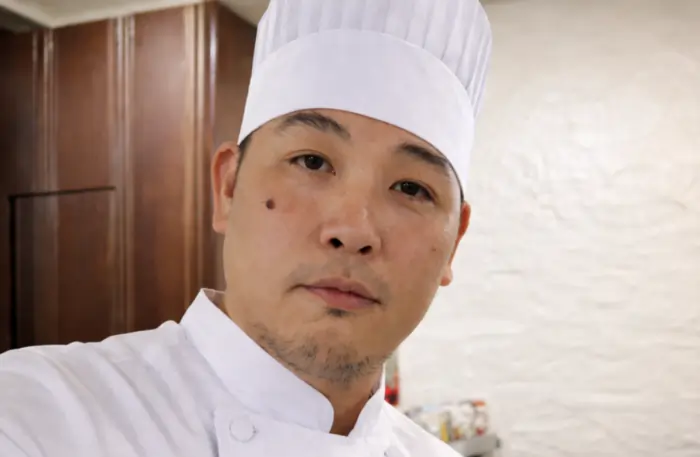
Chef Juan Gadi brings the heart of Filipino hospitality to Ubud, Bali. As an Executive Chef and consultant, he specializes in creating intimate, curated dining experiences that tell a story through every dish. Whether leading the kitchen at Kilig Filipino Warung or hosting a private villa dinner, Chef Juan’s approach is defined by warmth, modern technique, and a commitment to culinary excellence.