Food Adventures That Go Beyond Restaurant Dining Key Takeaways
From street food tours in Seminyak to village dining in remote Tabanan, the island is full of immersive food experiences that deepen your gastronomic travel .
- Food adventures that go beyond restaurant dining include cooking classes , market tours, and chef-led dinners that turn eating into an interactive discovery.
- Bali’s food adventures range from hidden local warungs to sustainable farm to table dining , giving every traveler a chance to taste authentic Balinese cuisine .
- Embracing culinary tourism through food tours , street food , and Balinese cooking classes transforms a vacation into a rich cultural immersion .
What Are Food Adventures That Go Beyond Restaurant Dining?
When I first arrived in Ubud, I thought I understood Indonesian food. I had eaten at plenty of restaurants. But it wasn’t until a neighbor invited me into her local warungs to help pound sambal that I realized how much I had been missing. That moment—the aroma of fried shallots, the laughter of three generations cooking together, the heat of a chili paste made just for me—defined what food adventures that go beyond restaurant dining truly mean.
These experiences take you off the menu and into the story. Whether you’re learning to balance sweet, sour, salty, and bitter in a Balinese cooking class, or wandering a dawn market with a local chef, you’re no longer just a diner. You become a participant. For culinary tourists, food travelers, and anyone visiting Bali, these moments offer something a restaurant never can: context, connection, and a taste of real life.
From street food tours in Seminyak to village dining in remote Tabanan, the island is full of immersive food experiences that deepen your gastronomic travel. This guide lays out 12 of the best, each designed to help you find your own unforgettable food exploration.
The 12 Best Food Adventures That Go Beyond Restaurant Dining in Bali
Below you’ll find a carefully curated list of food adventures, each offering a distinct way to experience Balinese cuisine and Indonesian cuisine. I’ve organized them to help you build a complete travel itinerary around culinary discovery.
1. Morning Market Meanderings at Ubud Market
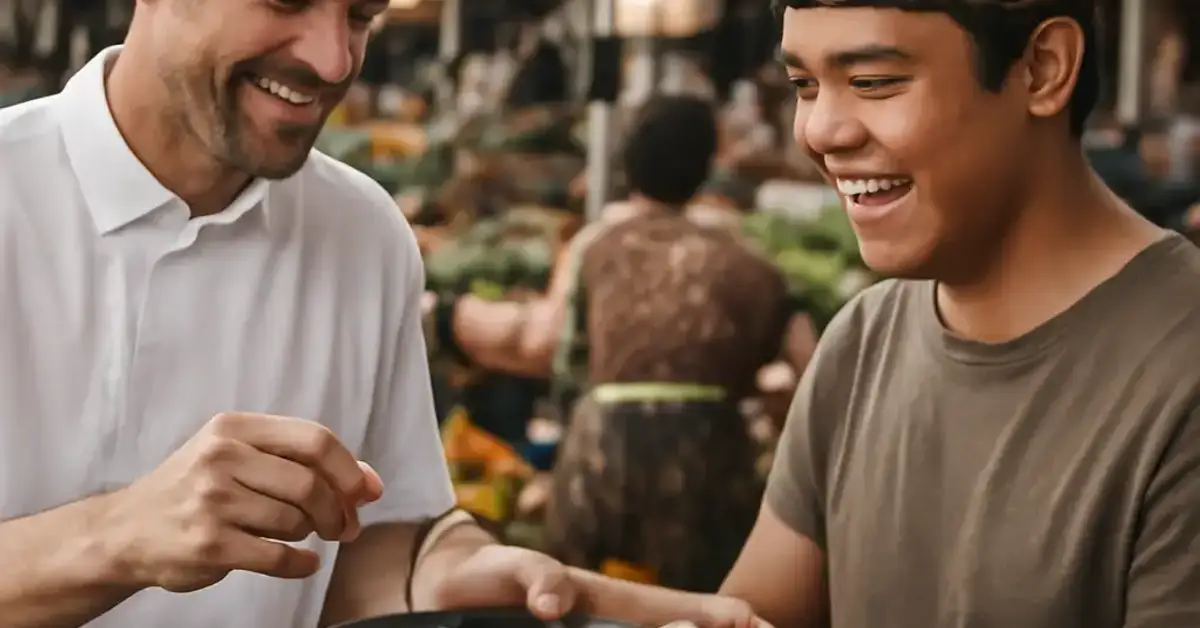
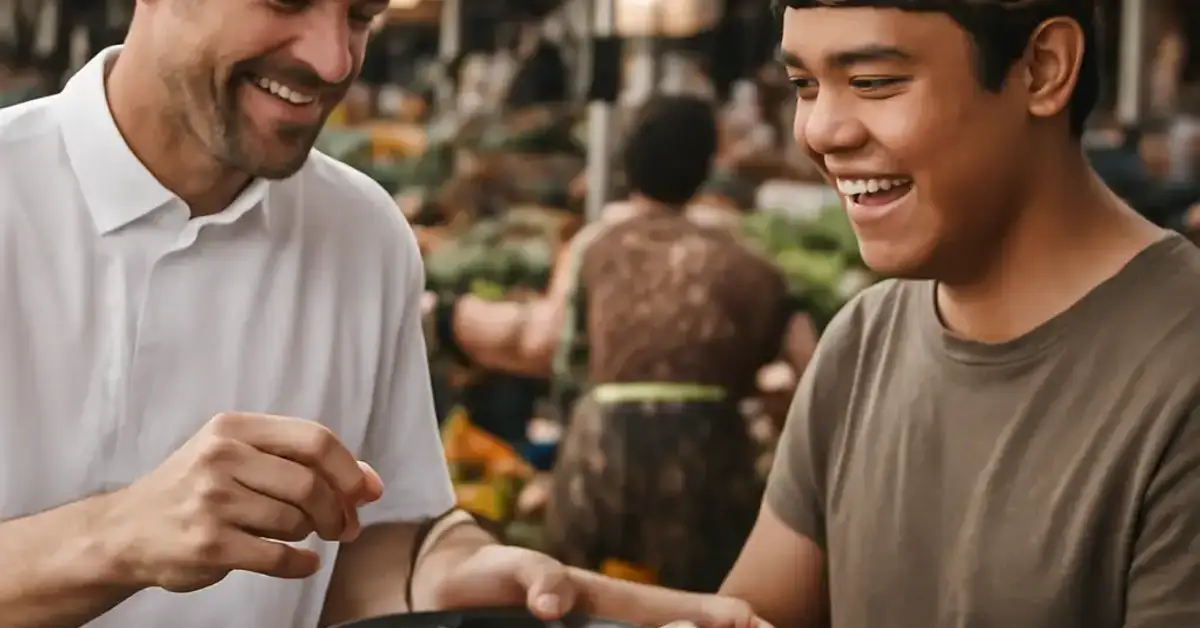
Before the tourists arrive, local markets like Ubud Market and Pasar Badung come alive with farmers, fishermen, and spice traders. Walking through the maze of stalls under fluorescent lights, you’ll see tropical fruits you’ve never heard of—salak, mangosteen, and the infamous durian. This is where I source ingredients for my private villa dinners. The key is to go early, ask questions, and let the vendors guide you. Many travelers book guided food tours that start at these markets, offering authentic flavors before a single dish is cooked. It’s the purest form of authentic dining and an essential Bali food experience. For a related guide, see 8 Food Experiences Worth Adding to Your Bali Itinerary.
2. A Day at a Local Market (Pasar Malam Night Markets)
If mornings belong to farmers, evenings belong to night markets. Pasar Malam in Kuta and Gianyar transform into open-air theaters of sizzling satay, sweet martabak, and crispy pisang goreng. Eating your way through a night market is a crash course in street food culture. You can sample regional specialties from across Indonesia—like sate lilit from Bali and pempek from Palembang—for pocket change. This is a must-add to any Bali travel guide for adventurous eaters.
3. Balinese Cooking Classes in a Traditional Compound
Balinese cooking classes are among the most popular interactive dining activities, and for good reason. But not all classes are created equal. The best ones happen inside a family home, not a purpose-built kitchen. You’ll learn to make base genep (the essential spice paste) and dishes like lawar and pepes ikan. These classes answer the question “Are Balinese cooking classes worth joining?” with a resounding yes—because you leave with more than recipes; you leave with a sense of the island’s culinary heritage.
4. Street Food Tours With Local Chefs
Street food tours led by local chefs give you insight you can’t get from guidebooks. A chef can explain why warung A makes better nasi campur than warung B, or what ingredient makes a particular sambal sing. These tours directly answer “Where can travelers find authentic street food in Bali?” The answer: in the alleys of Denpasar, the night markets of Sanur, and the roadside stalls of Bedugul. You’ll discover hidden food gems that even seasoned visitors miss. For a related guide, see How Food Tours Reveal the Hidden Side of Bali.
5. Farm to Table Dining in the Rice Fields
Farm to table dining in Bali isn’t a trend—it’s a way of life. In villages like Mas and Tegallalang, restaurants and private chefs serve meals sourced directly from neighboring farms. Imagine eating a salad of greens picked an hour ago, while the farmer who grew them sits at the next table. This sustainable tourism approach enriches both the traveler and the community. For luxury travelers and food bloggers seeking that perfect food photography backdrop, the visual impact of a bamboo table set among padi is unmatched.
6. Chef’s Table Experiences With Creative Tasting Menus
Chef’s table experiences elevate food travel to an art form. In Ubud, chefs like myself design tasting menus that tell a story—perhaps a journey through the Indonesian archipelago or a fusion of Filipino and Balinese flavors. These are small, intimate events (often only 6–10 guests). You watch every plate being finished, every sauce drizzled. It’s cultural dining that feels personal and exclusive, a highlight of any gastronomic travel itinerary.
7. Coffee Plantation Visits and Tastings
Bali is home to fertile highlands where coffee plantations produce both Arabica and the famous Luwak coffee. Visiting a plantation like those in Kintamani offers a glimpse into the journey from bean to cup. You’ll walk among coffee shrubs, see the roasting process, and taste fresh brews alongside local snacks. It’s a serene, sensory experience that complements the richer food adventures on this list. Perfect for food travelers who love artisan cooking and want to understand Bali’s beverage culture.
8. Village Dining and Cultural Immersion
Village dining programs take you into the heart of Bali. In places like Penglipuran or Trunyan, locals host meals in their homes, sharing stories and traditions. This is cultural immersion at its most direct. You’ll eat traditional Balinese dishes like bebek betutu (slow-cooked duck) with your hands, seated on a woven mat. It answers the question “What unique culinary experiences should travelers try in Bali?” with an experience that transcends food.
9. Seafood Experiences at Jimbaran Bay and Beyond
Seafood experiences in Bali range from the famous Jimbaran fish grills to lesser-known fishing villages like Kusamba. The best approach is to choose your fish from a market stall at dawn, then have a local warung cook it for you. You’ll taste the difference freshness makes. These food adventures bring you face-to-face with Bali’s maritime regional specialties and are a must for any food exploration. For couples and families, the beachside setting is unforgettable.
10. Interactive Dining at Private Villa Events
Interactive dining experiences, such as private villa dinners, allow guests to engage directly with the cooking process. Whether it’s a Balinese cooking class followed by a shared meal or a chef’s table set in a garden, these events are designed for interactive dining. Guests often help grind spices, assemble satay, or plate desserts. It’s ideal for digital nomads and travel planners seeking a unique group activity. The memories from these evenings last far longer than any restaurant meal.
11. Food Festivals and Pop-Up Events
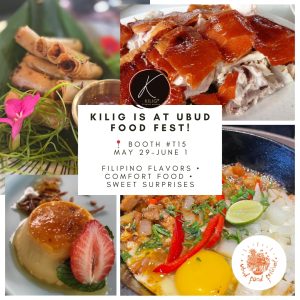
Throughout the year, Bali hosts food festivals celebrating everything from organic produce to heritage recipes. The Ubud Food Festival is the most famous, but smaller pop-ups in local markets and village squares are equally rewarding. These events bring together local chefs, farmers, and artisans for a celebration of Indonesian cuisine. They offer a snapshot of the island’s culinary discovery in one vibrant setting. Check local event calendars before your trip.
12. A Journey Into Filipino-Balinese Fusion
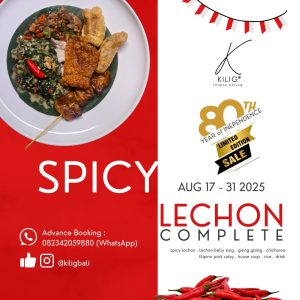
As a chef who brings Filipino hospitality to Ubud, I believe the most exciting culinary experiences happen when traditions meet. I host intimate dinners where adobo meets base genep, where lumpia is stuffed with local jackfruit. This kind of artisan cooking shows travelers that food adventures that go beyond restaurant dining can also be a creative, cultural conversation. It’s an invitation to taste the future of Balinese cuisine while honoring its roots.
How Food Tours Help Visitors Explore Local Culture
If you’re still wondering “How do food tours help visitors explore local culture?”, consider this: a guided food tour through a market or warung district is like reading a living history book. Every stall, every spice, every greeting from a vendor reveals a layer of Balinese social life. Street food tours break down barriers between visitor and resident, making you feel less like a tourist and more like a neighbor. For first time visitors to Bali, this is the fastest way to understand daily life. Paired with food photography tips from your guide, these tours also give you content that tells a real story.
What Local Markets Offer the Best Food Experiences?
“What local markets offer the best food experiences?” is one of the most common questions I hear from guests. My personal recommendations are Pasar Badung in Denpasar (the biggest and most chaotic) and Pasar Ubud (smaller but packed with authentic flavors). For tropical fruits and organic vegetables, the Sunday market at Samuan Tiga is a gem. These places are the backbone of local cuisine and offer raw, unfiltered food exploration. Always go with a local guide or a clear list of what to eat—trust me, the sate lilit from stall 12 at Pasar Badung is legendary.
| Market Name | Location | Best For | Time to Visit |
|---|---|---|---|
| Pasar Badung | Denpasar | Spices, street food, early morning energy | 6–9 AM |
| Ubud Market | Ubud | Tropical fruits, souvenirs, local warungs | 7–10 AM |
| Samuan Tiga | Bedulu | Organic produce, artisan cooking ingredients | 6–11 AM (Sundays) |
| Gianyar Night Market | Gianyar | Night markets, satay, traditional cakes | 6–10 PM |
How Do Farm to Table and Chef Led Experiences Enhance Travel?
Beyond the novelty, farm to table dining and chef’s table experiences deepen your understanding of a destination. When you eat a dish made from ingredients grown 200 meters away, you taste the geography of the place. When a chef describes the inspiration behind a plate of traditional Balinese dishes reimagined, you connect with the creativity alive in Bali today. These are immersive food experiences that answer “How do farm to table and chef led experiences enhance travel?” They turn a meal into an educational, emotional, and aesthetic event. For luxury travelers and gastronomic tourists, they define a trip.
What Are the Benefits of Joining Interactive Culinary Activities?
“What are the benefits of joining interactive culinary activities?” The answer lies in the five senses. When you touch the spice paste, smell the coconut oil, taste the tamarind, and see the dish come together, you create a memory encoded in all your senses. Balinese cooking classes, food tours, and interactive dining events teach skills you can recreate at home. They also build social bonds—whether you’re traveling solo, as a couple, or with family. The shared act of cooking and eating together is the oldest form of cultural dining. For food bloggers and travel bloggers, these activities provide authentic, story-rich content that resonates far beyond a list of restaurant recommendations.
How Can Food Adventures Create Unforgettable Travel Memories?
“How can food adventures create unforgettable travel memories?” I think back to the time I watched a grandmother in a village near Ubud teach a group of travelers to make lawar. By the end, they were all laughing, hands stained with turmeric, eating together on her terrace. That memory—the taste, the smell, the feeling of belonging—will stay with those travelers forever. Culinary tourism at its best doesn’t just feed you; it welcomes you. Every one of the 12 food adventures that go beyond restaurant dining described here has that potential. They create stories you’ll tell for years, pictures you’ll treasure, and connections to Balinese cuisine that no menu can provide.
Why Should Travelers Explore Bali Through More Than Traditional Restaurant Dining?
“Why should travelers explore Bali through more than traditional restaurant dining?” Because Bali is not a backdrop for a meal; it is an ingredient. The rice paddies, the volcanic soil, the sea, and the communal spirit of village dining are inseparable from what you eat. Restaurants, even the best ones, filter out the chaos, the heat, and the human touch that make Balinese food so alive. Food adventures that go beyond restaurant dining give you the raw, unpolished, beautiful reality. As a chef who has cooked in both worlds, I can tell you with certainty: the most transformative meals I’ve had in Bali were never in a restaurant. They were at a local warungs, on a dock at dawn eating grilled fish, or in a kitchen where I learned that a dish is only as good as the hands that made it.
Useful Resources
- For a deeper dive into Balinese cooking traditions, visit Balinese Cuisine’s guide to base genep, which explains the five-spice paste central to traditional Balinese dishes.
- To plan a Bali food experience around sustainable farm to table dining, check out Sustainable Food Bali’s directory of ethical eateries and farms.
Frequently Asked Questions About Food Adventures That Go Beyond Restaurant Dining
What food adventures go beyond restaurant dining?
They include cooking classes, street food tours, farm to table dining, night markets, coffee plantation visits, village dining, and chef’s table experiences where you interact directly with food and its creators. For a related guide, see 10 Culinary Experiences Every Food Lover Should Have in Bali.
What unique culinary experiences should travelers try in Bali?
Try a Balinese cooking class in a family compound, a street food tour in Denpasar, farm to table dining in Ubud, and a private dinner with a local chef that showcases regional specialties.
Are Balinese cooking classes worth joining?
Absolutely. They teach you to make traditional Balinese dishes like lawar and sate lilit, introduce you to local markets, and provide a deep cultural immersion that enhances your entire trip.
How do food tours help visitors explore local culture?
Food tours guided by local chefs or experts reveal the stories behind street food, explain the significance of ingredients, and take you to hidden food gems you would never find alone.
Where can travelers find authentic street food in Bali?
Look for night markets in Gianyar and Sanur, local warungs in Denpasar, and roadside stalls near local markets throughout the island.
What local markets offer the best food experiences?
Pasar Badung in Denpasar, Ubud Market, and Gianyar Night Market are top picks for tropical fruits, spices, and authentic flavors.
How do farm to table and chef led experiences enhance travel?
They connect you to the land and the chef’s vision, making every dish a lesson in culinary heritage and gastronomic travel. You experience the freshest ingredients and personalized storytelling.
What are the benefits of joining interactive culinary activities?
They build lasting memories, teach hands-on skills, foster cultural immersion, and let you take a piece of Indonesian cuisine home with you.
How can food adventures create unforgettable travel memories?
By engaging all your senses, immersive food experiences like cooking with a family or eating at a night market create emotional connections that no restaurant meal can match.
Why should travelers explore Bali through more than traditional restaurant dining?
Restaurants provide only a slice of Balinese cuisine. Food adventures that go beyond restaurant dining reveal the culture, people, and landscapes behind the food.
What is village dining?
Village dining is a meal hosted by a local family in their home. It’s the epitome of cultural dining and allows you to taste traditional Balinese dishes in an authentic setting.
Are coffee plantation visits suitable for non-coffee drinkers?
Yes. Many coffee plantations offer tea, chocolate, and herbal infusions. The scenery and educational aspect appeal to all food travelers.
Can I combine a cooking class with a market tour?
Most high-quality Balinese cooking classes include a guided visit to a local market as part of the experience.
What should I eat at a night market in Bali?
Try sate lilit (minced fish satay), babi guling (suckling pig), pisang goreng (fried banana), and es campur (shaved ice dessert).
Is street food safe to eat in Bali?
Yes, when you choose busy stalls with high turnover. Street food tours with reputable guides minimize health risks while maximizing authentic dining.
What is a chef’s table experience in Bali like?
It’s an intimate interactive dining event where you watch the chef prepare a multi-course tasting menu and explain each dish’s inspiration.
How do I find hidden food gems in Bali?
Ask local chefs, join a food tour, or explore local warungs and night markets off the main tourist track.
What is the best time for food adventures in Bali?
Early morning for local markets, late afternoon for street food tours, and evening for chef’s table experiences and night markets.
Can I book a private food adventure for a group?
Yes. Many local chefs and companies offer private cooking classes, food tours, and village dining experiences for families, friends, or corporate groups.
What should I bring to a Balinese cooking class?
Comfortable clothing, an open mind, and a smartphone or camera for food photography. The class usually provides everything else.
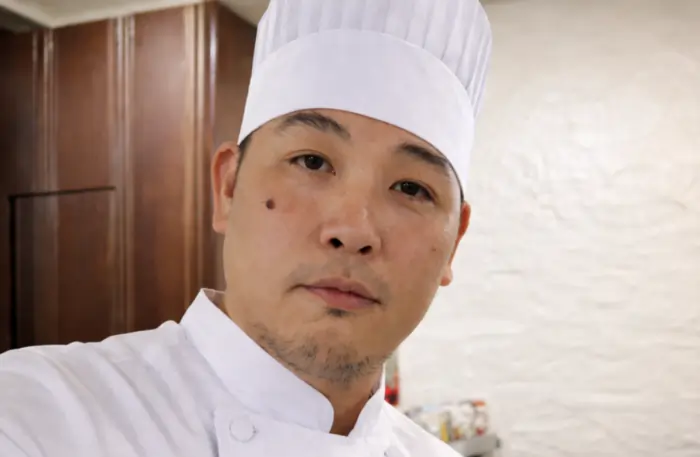
Chef Juan Gadi brings the heart of Filipino hospitality to Ubud, Bali. As an Executive Chef and consultant, he specializes in creating intimate, curated dining experiences that tell a story through every dish. Whether leading the kitchen at Kilig Filipino Warung or hosting a private villa dinner, Chef Juan’s approach is defined by warmth, modern technique, and a commitment to culinary excellence.