Understanding Filipino Food Portions Before You Order Key Takeaways
Filipino cuisine is built on generosity, and Understanding Filipino Food Portions Before You Order is the difference between a balanced, joyful meal and a table swimming in uneaten rice.
- Understanding Filipino Food Portions Before You Order helps travelers and first-time visitors read menus through the lens of family-style dining and communal dining instead of Western individual-portion logic.
- Most shared dishes like adobo , sinigang , and kare-kare are cooked to serve two to five people, while solo meals and combo meals offer manageable options for individuals.
- Ordering strategically around rice portions , side dishes , and dipping sauces allows you to enjoy variety without excessive leftovers or overordering.
Walk into any Filipino restaurants table for the first time and the menu reads like a culinary memoir written in vinegar, garlic, and slow-simmered stews. But before you wave down the server for a second round of adobo, one critical skill matters most: Understanding Filipino Food Portions Before You Order. The culture of Philippine cuisine rewards those who grasp the flow of food sharing, the centrality of rice, and the subtle cues that turn a blind menu selection into a curated dining experience.
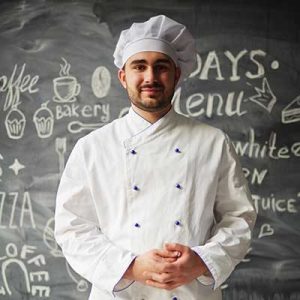
Chef Juan Gadi, an Executive Chef and consultant based in Ubud, Bali, who runs the kitchen at Kilig Filipino Warung and hosts private villa dinners, approaches portion planning with the same care he applies to modern technique. For him, Filipino hospitality means no one leaves the table hungry—but no one should stare at a mountain of wasted leftovers either. This guide translates that philosophy into practical advice for international travelers, first-time visitors, food bloggers, and culinary enthusiasts exploring authentic Filipino cuisine.
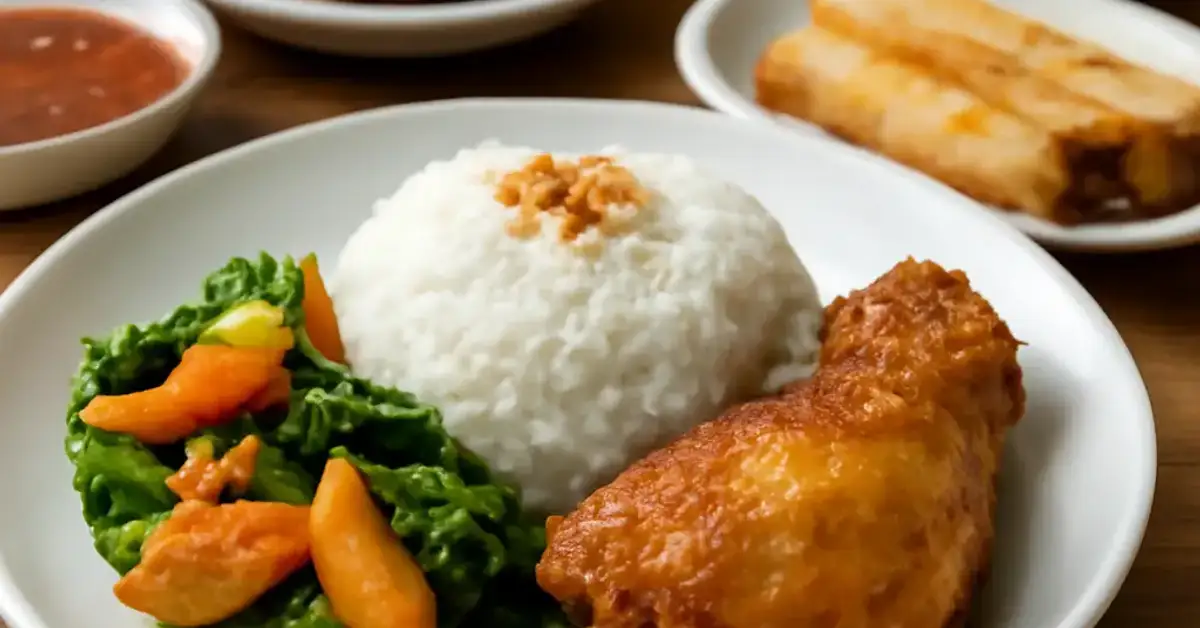
Understanding Filipino Food Portions Before You Order: Why Portion Awareness Matters
Portion awareness in Filipino dining is less about calorie math and more about cultural fluency. The Philippine Department of Tourism consistently highlights food as a gateway to Filipino identity, and generous hospitality is woven into every serving sizes decision a local cook makes. In most Filipino homes, a table set for four easily stretches to feed six—because the unspoken rule is that guests must always eat well.
First-time visitors often make the mistake of ordering one solo meals entry per person, only to watch platter after platter arrive with enough food to feed a barangay fiesta. That is because Filipino menu logic operates through family-style dining and communal dining rhythms. Understanding these rhythms before you order transforms confusion into confidence and saves both money and food waste.
The key concept is simple: Filipino food portions are designed for companionship. A bowl of sinigang is not merely a soup—it is a centerpiece meant to be ladled into multiple bowls while everyone dips morsels into bagoong or squeezes calamansi over their plate. When you understand this, the menu stops looking oversized and starts looking like an invitation.
The Cultural Foundation of Filipino Dining: Family-Style Dining and Communal Sharing
At the heart of Philippine cuisine lies the concept of salu-salo, a feast where food is placed at the center and everyone reaches in. This is not a buffet; it is family-style dining at its purest. Dishes arrive in a sequence that mirrors the rhythm of conversation—soups first, then stews, then noodles, then sweets. The table itself becomes a conversation piece.
In traditional Filipino family meals, every person holds a personal plate of steamed rice portions while the shared dishes sit in the middle. This structure means that portion sizes are calibrated for the group, not the individual. A platter of pancit is not a side; it is a complete carbohydrate canvas that balances the richness of lechon and the acidity of sinigang.
Communal dining in the Philippines also carries a psychological shift for many Western visitors. Instead of treating your plate as a fortress, you learn to sample broadly. A little kare-kare here, a spoon of adobo sauce there, and suddenly the meal feels like a journey through Filipino culinary heritage. This is precisely why portion intelligence matters before you order—you are not feeding one appetite; you are curating a shared experience.
Filipino Food Portions Guide: Solo Meals vs Family-Style Dishes
The cleanest way to understand Filipino food portions is to divide the menu into three buckets: solo meals, combo meals, and group meals. Each bucket answers a different hunger scenario and helps you calibrate how much food enters the table.
Solo Meals and Individual Serving Sizes
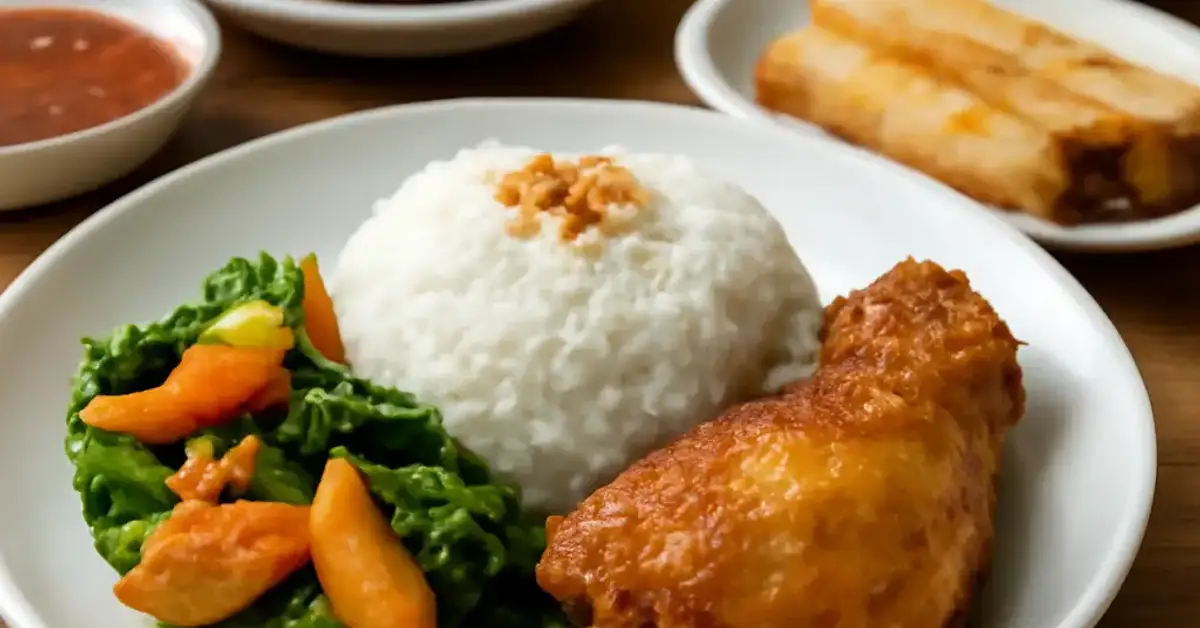
Solo meals in modern Filipino restaurants—especially in metro areas and tourist-friendly establishments—are generally designed for one appetite with a modest appetite booster. A solo adobo plate often includes a cup of rice and a handful of pickled side dishes, enough to leave you comfortably full. Portions for solo meals are typically 30% smaller than the same dish ordered as a shared dishes platter.
Travelers eating alone should look for menu phrases like “solong serving,” “meal for one,” or “silog” combos (garlic fried rice with a protein and egg). These capture the essence of Filipino dining without triggering a parade of family-sized platters.
Combo Meals and Curated Plates
Combo meals are the middle ground between individual and communal eating. Many Filipino restaurants offer combo sets that pair one main dish, one cup of rice, a small lumpia starter, and a drink. These combos deliver variety while controlling serving sizes effectively, making them ideal for solo travelers who want a taste of authentic Filipino cuisine without overcommitting.
Family-Style Dishes and Group Meals
Group meals are where Filipino food portions show their true personality. An order of sinigang labeled “for sharing” often arrives as a towering tureen serving three to five people. The same applies to kare-kare, which travels with a companion bowl of bagoong and an entourage of blanched vegetables. When ordering for a group, the math is straightforward: divide the suggested serving count by your actual number of diners and account for rice separately.
Filipino Dishes and Their Typical Portion Sizes
Some iconic dishes naturally lean larger than others. Understanding these patterns helps you plan a balanced table. Below is a practical reference for common Filipino food portions across popular dishes.
| Dish | Typical Portion Size | Serves | Ordering Notes |
|---|---|---|---|
| Adobo | 3–4 pieces of chicken or pork per bowl | 2–3 people | Order extra rice; the sauce carries the meal |
| Sinigang | Large soup tureen | 3–4 people | Share with rice; sourness intensity varies by fruit |
| Kare-kare | Large platter with vegetable sides | 3–5 people | Always paired with bagoong; rich and filling |
| Lechon | Whole pig or by-the-kilo portions | 4–50+ people | Order by cut for small groups; skin goes first |
| Pancit | Large pan-cooked noodle platter | 4–6 people | Traditionally served for long-life celebrations |
| Lumpia | 8–12 spring rolls per order | 3–4 people | Great for groups; always order extra dipping sauces |
| Grilled seafood | 1–2 pieces per person | 1–2 people | Individual portioning works well; squeeze calamansi |
This table illustrates why meal planning around Filipino cuisine requires a shift in mindset. A group of four does not need four separate entrees. Two or three shared dishes plus a noodle platter and a vegetable side will often sustain five or six diners comfortably.
How to Order for Groups: A Step-by-Step Guide to Understanding Filipino Food Portions Before You Order
Group ordering is where travelers most often stumble. Chef Juan Gadi applies a simple formula when he builds private dining menus: one protein, one soup or stew, one noodle, one vegetable, and enough rice for everyone plus one extra cup. This formula keeps variety high and waste low. Follow these steps to apply the same discipline.
Step 1: Count People and Set Appetite Expectations
Before you touch the menu, confirm how many actual eaters are at the table and gauge appetite levels. Are you a group of four hungry travelers fresh from a hike, or six light eaters who just finished afternoon merienda? Filipino portions assume hearty appetites, so if your group tends light, reduce your order by one shared dishes item.
Step 2: Calculate Rice Portions First
Rice portions are the anchor of every Filipino meal portions decision. Plan for one to one and a half cups of steamed rice per person per meal. In most Filipino restaurants, rice arrives in unlimited refill setups for group tables, but ordering one cup per person upfront gives the kitchen a clear signal and prevents an awkward pile of plain rice by the end of the meal.
Step 3: Choose a Balance of Protein, Vegetable, and Noodle Dishes
For groups of four, select one protein-forward dish like adobo or lechon, one soup-based dish like sinigang, one vegetable or stew dish like kare-kare, and one noodle dish like pancit. This balance mirrors the structure of a traditional Filipino family meals spread without overordering. For groups of six to eight, add one more protein and one grilled seafood item such as grilled squid or bangus.
Step 4: Add Side Dishes and Dipping Sauces to Round Out the Table
Side dishes and dipping sauces elevate a Filipino meal from good to unforgettable. Always request calamansi wedges, fish sauce with chili, and bagoong if you are serving kare-kare. These small additions are rarely expensive and transform each bite. Plan for one dipping sauce trio per four diners.
Step 5: Finalize With Leftover and Meal Planning Considerations
Before the server walks away, ask yourself: can this food be enjoyed again later? Adobo and sinigang hold up beautifully as leftovers, while fried lumpia loses crunch. If you are staying somewhere with a refrigerator or have a long day ahead, ordering one extra shared dishes item for intentional leftovers can be a smart meal planning move—not overordering, but strategic abundance.
How Boodle Fights and Kamayan Change Portion Planning
No discussion of Filipino food portions is complete without the boodle fight and kamayan experience. In a boodle fight, food is piled directly onto banana leaves spread across a long table, and diners eat with their hands (kamayan). There are no individual serving sizes, no plates, and no boundaries between solo meals and group meals.
For portion planning, a boodle fight is the most efficient format available. A standard boodle spread for six people typically includes steamed rice, grilled fish, grilled seafood, adobo, lumpia, salted eggs, tomatoes, and fresh fruit. Because the food is presented as one continuous landscape, the total volume can be 30% less than individual plated servings while still feeling abundant.
When you book a kamayan experience—whether in Manila, Cebu, or a curated private dining setup like Chef Juan Gadi’s villa dinners in Bali—communicate your group size honestly. The kitchen will scale the boodle spread precisely. Overstating your numbers in a boodle fight leads to tremendous waste, while understating leaves the table looking sparse.
Troubleshooting: Common Mistakes First-Time Visitors Make With Filipino Serving Sizes
Even seasoned food travelers misread Filipino serving sizes on their first visit. The most common mistake is treating the menu like a Western à la carte list and ordering one protein per person. In Filipino dining, that approach guarantees a table collapsed under uneaten food.
Another frequent error is ignoring the role of rice. Because rice portions are substantial, diners who skip rice and order multiple rich shared dishes often find themselves overwhelmed by protein and sauce. Rice dilutes richness, cleanses the palate, and stretches every shared dishes order further.
A third pitfall is underestimating how filling pancit can be. One noodle platter for four people is not a side dish—it is a full carbohydrate course. Pairing pancit with rice and multiple proteins on the first round of ordering usually results in a mountain of leftovers.
The fourth common mistake is skipping the dipping sauces and side dishes. These small components complete the flavor architecture of Filipino cuisine and help diners feel satisfied with smaller volumes of main dishes. A squeeze of calamansi over grilled seafood or a dab of bagoong on kare-kare makes every bite work harder for your palate.
The fix for all of these is simple: slow down, read the table, and order in rounds. Start with one shared dishes item per two diners plus rice, then add as needed. Filipino hospitality means the kitchen will happily cook more—but it will not be offended if you exercise portion restraint.
As Chef Juan Gadi often tells guests at Kilig Filipino Warung, the goal of Understanding Filipino Food Portions Before You Order is not to restrict your choices. It is to protect the joy of Filipino gastronomy—the slow shimmer of adobo sauce, the soul-warming tang of sinigang, the crisp snap of lumpia—without the distraction of waste. When you order with cultural fluency, every dish lands like a story worth telling, and no one leaves the table carrying more than a satisfied smile. For a related guide, see Understanding the Course Flow of a Filipino Dining Experience.
Useful Resources
For deeper exploration of Filipino culinary heritage and dining customs, these trusted resources offer valuable context for your next food travel Philippines adventure.
Philippine Department of Tourism – Food and Dining
Lonely Planet Philippines – Food and Eating Guide
Frequently Asked Questions About Understanding Filipino Food Portions Before You Order
How large are typical Filipino food portions ?
Typical Filipino food portions are 30% to 50% larger than what many Western travelers expect from individual plated meals. A single shared dishes order of adobo or sinigang routinely serves two to three people when paired with rice portions. Solo plated meals in modern Filipino restaurants are smaller but still generous by international standards, usually including a full cup of rice and a protein portion roughly four to six ounces.
What should travelers know about Filipino serving sizes before ordering?
Travelers should understand that Filipino serving sizes are shaped by family-style dining and communal dining traditions, not individual plate logic. Menus often list dishes as “good for 2–3” or “sharing,” and those estimates assume rice is ordered separately. Be prepared for shared dishes to arrive in large bowls or platters meant for the center of the table rather than personalized plates. For a related guide, see Why Filipino Cuisine Is Perfect for Group Dining.
How do Filipino restaurant portions differ between solo meals and family-style dishes?
Solo meals in Filipino restaurants are plated for one person and usually include rice, a protein, and a small vegetable or pickle side dishes component. Family-style dining portions, by contrast, are cooked in large batches and served on platters or in tureens designed to feed three to five people. The price difference is minimal relative to the volume difference, making family-style ordering more economical for groups of three or more.
How much food should you order for a group?
For a group of four, order two main shared dishes, one noodle dish like pancit, one soup or stew, and one vegetable. For six to eight people, add one more protein dish and one grilled seafood item. Always plan for one to one and a half cups of rice portions per person. This formula keeps the table varied and generous without excessive leftovers.
Why are Filipino dishes often served for sharing?
Food sharing is the backbone of Filipino hospitality. In traditional Filipino family meals, food is placed at the center of the table so everyone can sample multiple flavors, compare bites, and linger over conversation. Shared dishes also allow a wider tasting of authentic Filipino cuisine in a single meal, turning dinner into a social event rather than a solitary plate.
How much rice should you order with a Filipino meal?
Plan for one to one and a half cups of steamed rice portions per person per meal. Rice acts as the anchor that balances salty, sour, and umami-forward Filipino food portions. In group meals and boodle fight setups, rice is often piled generously at the center; request a plate of extra rice if your group includes big eaters or if you are serving sauce-heavy dishes like kare-kare.
Which Filipino dishes are commonly ordered in larger portions?
Dishes like lechon, kare-kare, sinigang, pancit, and adobo are typically prepared in large batches because they reward slow cooking and shared consumption. Lechon is the extreme example—a whole roasted pig feeds 20 to 50 people—but even by-the-kilo cuts serve four to six. Pancit and lumpia also come in generous platters designed for food sharing.
How can first-time visitors avoid ordering too much food?
First-time visitors should order in rounds, starting with one shared dishes item per two diners plus rice portions. Wait until the first round arrives before adding more. Avoid ordering one protein per person, skip redundant carbohydrate pairings like pancit plus rice unless the group is very hungry, and always ask the server how many people a dish is intended to feed before committing.
What is the difference between individual servings and shared Filipino dishes?
Individual servers in Filipino dining are plated for one person, typically a protein, rice, and a small side dishes component. Shared dishes are large-format preparations served in bowls or on platters designed for the center of the table. The flavor profile is identical, but shared dishes allow for more communal dining interaction and better value for groups of three or more.
How do boodle fights and kamayan affect portion planning?
A boodle fight is a spread of rice, grilled seafood, meats, and vegetables piled directly on banana leaves. Kamayan means “eating with hands” and is the style used at these feasts. Because food is presented communally without plates, total volume can be 30% less than individual plated servings while still feeling abundant. Communicate your exact group size to the restaurant or private chef so the spread is scaled correctly.
What should travelers consider when ordering Filipino food for families or groups?
When ordering for group meals or Filipino family meals, consider dietary restrictions, appetite variance, and age range first. Children often eat smaller serving sizes, while active adults may want extra rice portions. Choose at least one mild dish like chicken adobo alongside a sour soup like sinigang for balance. Always ask about dipping sauces like calamansi and bagoong to accommodate different palates.
How can understanding Filipino food portions help diners order comfortably while enjoying a varied and authentic dining experience?
Understanding Filipino Food Portions Before You Order gives diners the fluency to build a table that is varied, generous, and waste-free. When you know that shared dishes stretch across multiple eaters and that rice portions anchor the meal, you can sample adobo, sinigang, kare-kare, and pancit in one sitting without overordering. This knowledge transforms Filipino dining from an intimidating abundance into a curated exploration of Filipino gastronomy. For a related guide, see 12 Filipino Dining Habits Every Traveler Should Know.
What is a typical Filipino combo meal like?
A typical Filipino combo meals set includes one protein main dish, one cup of rice, a small portion of lumpia or a fried appetizer, and a drink or dessert. These combos are designed for solo diners who want a taste of authentic Filipino cuisine without committing to family-sized platters. Popular combos include tocino silog, tapsilog, and grilled bangus sets.
How do dipping sauces like calamansi and bagoong factor into portion decisions?
Dipping sauces such as calamansi spiked fish sauce and fermented bagoong amplify flavor so diners feel satisfied with smaller amounts of main dishes. A squeeze of calamansi over grilled seafood brightens every bite, while bagoong cuts through the richness of kare-kare. Ordering these side dishes helps stretch Filipino food portions further and is an integral part of Filipino dining etiquette.
Should I worry about leftovers when dining at Filipino restaurants?
Leftovers are a normal and accepted part of Filipino dining. Dishes like adobo and sinigang often taste better the next day as flavors deepen. If you are traveling with a kitchen or refrigerator, ordering one extra shared dishes item for strategic meal planning can be smart. If you are in a hotel without storage, skip the extra order and enjoy a precise, waste-free meal instead.
How does Filipino family-style dining compare to Western individual plates?
Family-style dining in the Philippines places emphasis on shared dishes, variety, and communal dining, while Western individual plates focus on personal portion control and plated presentation. In Filipino restaurants, you rarely see a Western-style entree with three precise components. Instead, the table becomes a landscape of bowls, platters, and dipping sauces that everyone samples freely.
What side dishes should I order alongside main Filipino dishes?
Essential side dishes for a traditional Filipino dining experience include steamed vegetables, pickled green papaya (atchara), garlic fried rice, and a small salad of tomatoes with salted egg. Dipping sauces like calamansi fish sauce, vinegar with chili, and bagoong are non-negotiable companions for grilled seafood, kare-kare, and fried dishes respectively. These small components complete the meal architecture without adding excessive calories or cost.
How do pancit and lumpia portion sizes work in Filipino cuisine?
Pancit is always served in large shared dishes platters—one order typically feeds four to six people as a substantial carbohydrate course. Lumpia arrives in batches of eight to twelve pieces, making it an ideal starter for groups but excessive for a solo diner unless you plan for leftovers. Both dishes reflect the Filipino cultural value of food sharing rather than individual portioning.
What is the best strategy for solo travelers eating Filipino food?
Solo travelers should prioritize solo meals and combo meals, look for silog breakfast sets, and ask about half portions at Filipino restaurants. Many kitchens will happily plate a smaller serving of a shared dishes favorite if you explain you are dining alone. Pair your meal with one cup of rice portions and a single side dishes item, then finish with fresh fruit to experience Filipino culinary heritage without waste.
How does Chef Juan Gadi approach portion planning in his Filipino culinary practice?
Chef Juan Gadi, Executive Chef at Kilig Filipino Warung in Ubud, Bali, approaches every menu with the philosophy that Filipino hospitality is about enriching the diner, not overwhelming them. For private villa dinners and curated experiences, he builds each course as a small chapter in a larger story—one protein, one soup, one vegetable, and a calculated rice portions base. His modern technique keeps Filipino food portions generous but intentional, proving that authenticity and portion intelligence can share the same table.
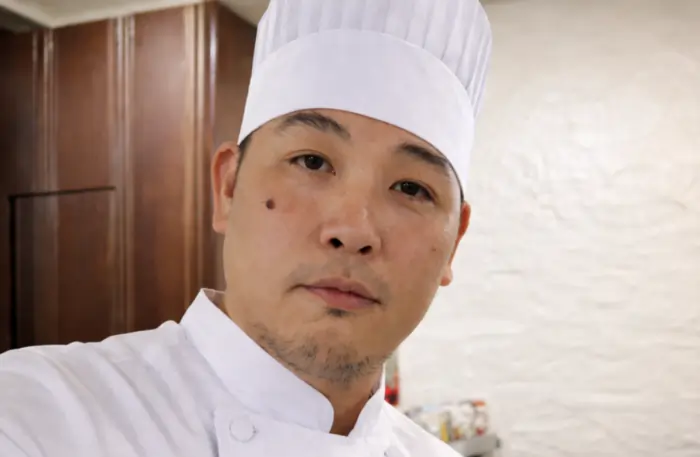
Chef Juan Gadi brings the heart of Filipino hospitality to Ubud, Bali. As an Executive Chef and consultant, he specializes in creating intimate, curated dining experiences that tell a story through every dish. Whether leading the kitchen at Kilig Filipino Warung or hosting a private villa dinner, Chef Juan’s approach is defined by warmth, modern technique, and a commitment to culinary excellence.