
Filipino Food Changes From Breakfast to Dinner Key Takeaways
Filipino Food Changes From Breakfast to Dinner through a rhythmic arc that mirrors the tropical climate: mornings open with quick, energizing rice and egg plates, afternoons deliver substantial stews and stir-fries, and evenings gather families around shared platters of roasted meats and tangy soups.
- Filipino Food Changes From Breakfast to Dinner by shifting texture and weight—from silog classics to rich adobo and sinigang to celebratory lechon.
- Rice anchors every Filipino meal, appearing as garlic rice at dawn, steamed rice at noon, and leftover-based fried rice at night.
- Merienda , the mid-afternoon snack, bridges lunch and dinner with sweet kakanin, halo-halo, and tropical fruits—a ritual travelers should never skip.

The Daylong Rhythm: How Filipino Food Changes From Breakfast to Dinner
Walk through any Filipino household from sunrise to nightfall, and you will notice that Filipino Food Changes From Breakfast to Dinner in ways that reflect climate, labor, and deep-rooted hospitality. The first meal of the day is built for speed and stamina. Lunch is a working person’s anchor. Dinner is an event. For a related guide, see Understanding Filipino Food Portions Before You Order.
Chef Juan Gadi, Executive Chef and consultant behind Kilig Filipino Warung in Ubud, Bali, often tells international guests that Filipino cuisine is not a single flavor profile but a time-of-day conversation. “The food talks to you differently at six in the morning than it does at seven at night,” he says. That progression is what makes Filipino dining so compelling for first-time visitors. For a related guide, see Understanding the Course Flow of a Filipino Dining Experience.
The arc begins with rice. Always rice. From the first spoonful of garlic rice at breakfast to the final scoop of steamed rice beside a dinner stew, rice is the thread that stitches the entire day together. Understanding that one ingredient prepares you for everything else.
Morning Fuel: Silog Meals and Filipino Breakfast Staples
Filipino breakfast is not a quiet meal. It is fast, savory, and designed to launch you into tropical heat. The undisputed champions of the morning are silog meals, a portmanteau built from the last syllables of tapsilog, longsilog, and tocilog.
What Do Filipinos Typically Eat for Breakfast?
The typical breakfast plate brings together three things: garlic rice, a fried egg, and a savory protein. Tapsilog features cured beef tapa, longsilog uses sweet garlic sausage called longganisa, and tocilog pairs caramelized tocino pork. Each one is a complete meal on a single plate.
But breakfast does not stop at silog. Bakeries open early to sell pandesal, the soft, dusted bread roll that Filipinos dip into local coffee or hot chocolate. On rainy mornings, families turn to rice porridge: lugaw is plain and soothing, while arroz caldo is a ginger-scented chicken porridge with safflower, toasted garlic, and calamansi.
Champorado, a chocolate rice porridge, is the wildcard. Often served with evaporated milk and a side of salted dried fish, it flips the script on what breakfast should taste like. Why are silog meals popular in Filipino mornings? Because they are fast, affordable, and built around leftovers—garlic fried rice from last night’s rice, eggs from the backyard, and a protein that needs only a quick sear.
Midday Comfort: From Lunch Staples to Afternoon Merienda
By noon, the kitchen shifts. Breakfast is about individual plates; lunch is about shared pots. Filipino workers and students return home or to canteens for a heavier meal that can carry them through the afternoon heat.
Which Traditional Filipino Foods Are Commonly Served at Lunch?
Adobo is the most famous answer. Pork or chicken braised in vinegar, soy sauce, garlic, and bay leaves delivers a tangy, deeply savory punch. Sinigang, a sour tamarind-based soup with pork, shrimp, or fish, cools the body even in the hottest months.
Other lunch regulars include pancit, the stir-fried noodle dish associated with long life and birthdays, and kare-kare, an oxtail and peanut stew colored orange with annatto. Coastal regions serve grilled seafood—charred fish, squid, and shrimp brushed with calamansi and soy sauce.
The midday table always includes rice, often as fried rice if there was extra from the morning. Leftover rice never goes to waste here. It is transformed, seasoned, and treated with respect.
What Role Does Merienda Play Between Meals?
Between lunch and dinner, merienda appears like clockwork. Around three or four in the afternoon, street vendors, bakeries, and home kitchens all produce small plates. Kakanin—sticky rice cakes like bibingka, puto, and suman—are the stars. Halo-halo, the shaved-ice dessert layered with sweet beans, jellies, leche flan, and purple ube ice cream, is merienda’s crown jewel.
Tropical fruits such as mango, pineapple, banana, papaya, and pomelo offer a fresh counterpoint. A glass of local coffee or a warm cup of calamansi tea often accompanies the snack. Travelers who skip merienda miss a quiet window into everyday life.
Dinner’s Welcome: Family-Style Feasts and Filipino Dishes After Dark
When night falls, the table grows fuller. Dinner is when family-style dining takes center stage. Platters, bowls, and serve-yourself portions replace individual plates. The question of what Filipino dishes are popular for dinner is answered by abundance and variety.
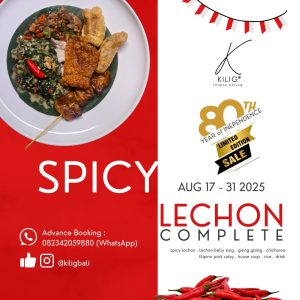
Lechon—a whole pig roasted over charcoal until the skin blisters and cracks—is the centerpiece of celebrations, but smaller cuts appear at weekend tables. Rich stews cooked in coconut milk, such as ginataang gulay or chicken adobo sa gata, add creaminess and heft.
Why is rice served throughout the day in Filipino cuisine? Because Filipino meals become lighter or heavier depending on the time of day, and rice provides the steady baseline. At dinner, the rice portion often stays generous while the proteins and soups grow richer. Condiments like calamansi, fish sauce, and vinegar-based dipping sauces sit at the center for every diner to customize.
Regional Traditions and a Traveler’s Guide to Eating by the Clock
How do regional traditions influence breakfast, lunch, and dinner choices? Geography shapes every plate. In Bicol, coconut milk and chili dominate every meal. In Ilocos, bitter vegetables and bagoong fermented shrimp paste define lunch. In Visayas, grilled seafood rules the dinner table. In Mindanao, spices like turmeric and burnt coconut echo Malay and Indonesian influences.
What Should First-Time Travelers Try at Different Times of the Day?
Start your morning with tapsilog and a cup of local coffee at a neighborhood eatery. For lunch, order sinigang and a small plate of grilled seafood with calamansi. Do not skip merienda—seek out kakanin and halo-halo at a local bakery. For dinner, gather friends and order adobo, pancit, and if you are celebrating, lechon.
| Time of Day | Signature Filipino Dishes | What to Expect |
|---|---|---|
| Breakfast (6–9 AM) | Silog meals, pandesal, champorado, arroz caldo | Quick, individual, savory |
| Lunch (11 AM–1 PM) | Adobo, sinigang, pancit, kare-kare | Heavy, shared, stew-focused |
| Merienda (3–4 PM) | Kakanin, halo-halo, tropical fruits | Sweet, light, snack-sized |
| Dinner (6–9 PM) | Lechon, grilled seafood, coconut milk stews | Family-style, celebratory, abundant |
How does the progression from breakfast to dinner reflect Filipino food culture, family routines, local ingredients, and everyday life? The answer lives in the rhythm itself. Breakfast honors efficiency and resourcefulness. Lunch respects work and community. Merienda offers rest. Dinner celebrates presence. Chefs like Chef Juan Gadi carry this rhythm abroad, adapting the same progression to intimate villa dinners in Bali so international guests experience a full day of Filipino hospitality in one sitting. For a related guide, see How Traditional Filipino Cooking Inspires Modern Dining in Bali.
That arc—light to heavy, individual to shared, quick to celebratory—is the clearest expression of Filipino Food Changes From Breakfast to Dinner. Once you recognize it, every meal becomes a deeper introduction to Filipino food culture.
Useful Resources
For deeper dives into Filipino recipes, regional ingredients, and dining traditions, these resources offer trustworthy starting points.
- TasteAtlas Filipino Cuisine Guide — an encyclopedia of Filipino dishes, ingredients, and regional specialties.
- Pepper.ph Filipino Food Stories — recipes, food travel features, and home cooking inspiration from Filipino food writers.
Frequently Asked Questions About Filipino Food Changes From Breakfast to Dinner
How does Filipino food change from breakfast to dinner?
Filipino food changes from breakfast to dinner by starting light and savory in the morning with silog meals and pandesal, shifting to heavier shared stews and soups at lunch, pausing for sweet merienda snacks, and finishing with abundant family-style dinners featuring roasted meats, grilled seafood, and rich coconut milk dishes.
What do Filipinos typically eat for breakfast?
Filipinos typically eat breakfast plates built on garlic rice, a fried egg, and a savory protein such as tapa, longganisa, or tocino. Bread options like pandesal with coffee and rice porridges like champorado, lugaw, and arroz caldo are also common morning choices.
Why are silog meals popular in Filipino mornings?
Silog meals are popular in Filipino mornings because they are quick, affordable, and made from staples most households already have—day-old rice turned into garlic rice, local eggs, and marinated or cured meats. They deliver steady energy for school and work without requiring long preparation.
Which traditional Filipino foods are commonly served at lunch?
Traditional Filipino foods commonly served at lunch include adobo, sinigang, pancit, and kare-kare. Coastal communities also serve grilled seafood such as charred fish and squid. These dishes are hearty, stew-based, and intended to be shared with plenty of steamed or fried rice.
What role does merienda play between meals?
Merienda is the Filipino mid-afternoon snack that bridges lunch and dinner, usually occurring around 3 to 4 PM. It features sweet treats like kakanin rice cakes, halo-halo, and tropical fruits, often paired with local coffee or tea. It serves as a social pause and an energy reset before the evening meal.
What Filipino dishes are popular for dinner?
Filipino dishes popular for dinner include lechon, grilled seafood, stews cooked in coconut milk, and family-sized versions of adobo and sinigang. Dinner is the heaviest and most social meal, with platters placed at the center of the table for everyone to share.
Why is rice served throughout the day in Filipino cuisine ?
Rice is served throughout the day in Filipino cuisine because it is the agricultural backbone of the country and the cultural foundation of every meal. It provides affordable, filling energy and acts as a neutral canvas that balances the bold, sour, salty, and sweet flavors of Filipino dishes.
How do Filipino meals become lighter or heavier depending on the time of day?
Filipino meals become lighter in the morning with fast single-plate servings like silog and bread, grow heavier at lunch with hearty stews and soups that sustain physical labor, pause briefly for sweet merienda snacks, and peak at dinner with abundant family-style platters of roasted and grilled dishes.
How do regional traditions influence breakfast, lunch, and dinner choices?
Regional traditions influence Filipino meals by dictating dominant ingredients and cooking methods. Bicolano food is hot and coconut-rich at every meal, Ilocano cooking favors bitter vegetables and fermented bagoong, Visayan cuisine centers on seafood, and Mindanao dishes incorporate turmeric, burnt coconut, and aromatic spices.
What should first-time travelers try at different times of the day?
First-time travelers should try tapsilog and local coffee for breakfast, sinigang and grilled seafood for lunch, kakanin and halo-halo for merienda, and a shared dinner of adobo, pancit, and lechon. Following this time-of-day guide offers the most authentic introduction to Filipino dining.
How does the progression from breakfast to dinner reflect Filipino food culture, family routines, local ingredients, and everyday life?
The progression from breakfast to dinner reflects Filipino food culture by mirroring daily routines: quick solo meals at dawn, communal lunch breaks, a restful snack in the afternoon, and gatherings around generous shared platters at night. Local ingredients like rice, calamansi, vinegar, and coconut milk appear in every phase.
What is the difference between lugaw and arroz caldo?
Lugaw is a plain, unseasoned rice porridge often served as a bland comfort food or base for toppings. Arroz caldo is a richer, ginger-forward version cooked with chicken, safflower, fish sauce, and often topped with toasted garlic, scallions, and a squeeze of calamansi.
Is pandesal only eaten at breakfast?
No, pandesal is eaten at any time of day. While it is a breakfast staple often dipped into coffee, it also appears at merienda, stuffed with fillings like cheese, peanut butter, or corned beef, and is used as sandwich bread for quick lunches.
What makes Filipino breakfast different from American breakfast?
Filipino breakfast is generally more savory and rice-based than American breakfast. Instead of pancakes, cereal, or eggs with toast, Filipinos eat garlic rice with fried eggs and cured meats, or rice porridge. Sweet breakfasts exist, like champorado, but the default is a rice-and-protein plate.
Can Filipino food be vegetarian-friendly?
Yes, Filipino food can be vegetarian-friendly, especially with dishes like pinakbet vegetable stew, laing leafy greens in coconut milk, tofu sisig, and vegetable pancit. Many recipes traditionally include meat or shrimp paste, so vegetarians should ask about bagoong and broth bases.
What is the best Filipino dish for someone new to the cuisine?
Adobo is widely considered the best entry point to Filipino cuisine. Its balance of soy sauce, vinegar, garlic, and bay leaves feels accessible yet distinctly Filipino. Pairing it with garlic rice and a fried egg gives newcomers a complete, familiar, and deeply satisfying meal.
How important is family-style dining in Filipino culture?
Family-style dining is central to Filipino culture. Meals are placed in shared platters at the center of the table, and everyone serves themselves according to preference. This style of eating reinforces hospitality, generosity, and connection, especially at dinner and during celebrations.
What role do calamansi and vinegar play in Filipino meals throughout the day?
Calamansi and vinegar function as brightening agents and dipping-sauce bases throughout the day. Calamansi adds citrus freshness to breakfast porridges, grilled seafood at lunch, and sauces at dinner. Vinegar is essential in adobo, pickles, and sawsawan dipping sauces that accompany grilled and fried food at any hour.
Are Filipino merienda snacks different from desserts?
Yes, merienda snacks are generally lighter and more portable than full desserts. Kakanin rice cakes and fresh tropical fruits are eaten as a snack, while desserts like halo-halo, leche flan, and ube ice cream are more indulgent and often served after lunch or dinner as a composed final course.
How do Filipino restaurants abroad adapt the breakfast-to-dinner progression?
Filipino restaurants abroad often condense the breakfast-to-dinner progression into all-day menues that feature silog plates alongside lunch and dinner staples. Chefs like Chef Juan Gadi bring the same rhythm to international contexts, designing tasting menus that walk guests through morning, merienda, and dinner flavors in a single curated experience.
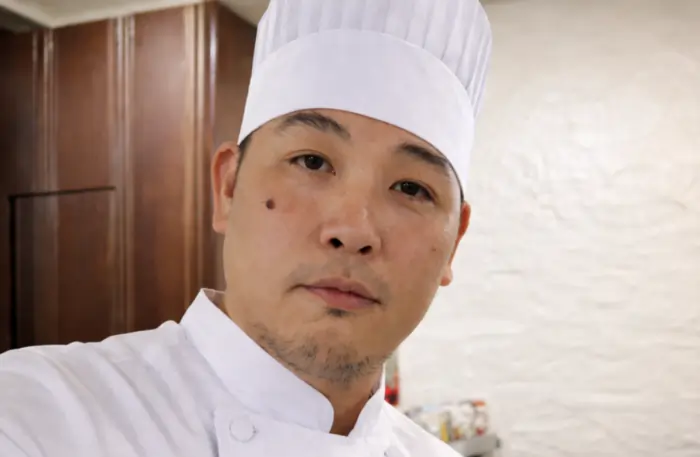
Chef Juan Gadi brings the heart of Filipino hospitality to Ubud, Bali. As an Executive Chef and consultant, he specializes in creating intimate, curated dining experiences that tell a story through every dish. Whether leading the kitchen at Kilig Filipino Warung or hosting a private villa dinner, Chef Juan’s approach is defined by warmth, modern technique, and a commitment to culinary excellence.