
Enjoy Filipino Food Without Overordering Key Takeaways
Filipino dining is built around generous communal portions and rice-centered meals, so understanding Filipino food portions and serving sizes prevents waste and keeps the experience joyful.
- Enjoy Filipino Food Without Overordering begins with recognizing that most Filipino restaurant portions are built for family-style dining , not single plates.
- Plan group meals around one main per two to three diners, a side dish or appetizer , and rice by the cup.
- Ask about meal combinations and half-portions in Filipino restaurants —this local habit reduces waste and allows more variety.

Understanding Filipino Food Portions and Family-Style Dining
Filipino cuisine is not built around the Western idea of a single plated protein with one side. Instead, traditional Filipino family-style dining places several shared dishes at the center of the table, and everyone takes from them. A typical Filipino restaurant portions guide assumes rice is the anchor, with ulam (viand) served in bowls or platters meant for two to four people. Part of the joy of Philippine cuisine is this generous, relational way of eating. For a related guide, see Why Filipino Meals Are Designed Around Variety Instead of One Main Dish.
In my work at Kilig Filipino Warung in Ubud, Bali, I often remind international guests that the first question is not ‘What do I want?’ but ‘How many are we, and how much rice do we actually need?’ Understanding this shifts the conversation toward portion planning instead of impulsive overordering. For a related guide, see Understanding the Course Flow of a Filipino Dining Experience.
Many travelers arrive expecting modest Asian serving sizes, then see a bowl of kare-kare or a whole lechon and order far too much. The fix is to treat Filipino menus as shareable maps. You choose one or two anchor mains, add a supporting noodle or vegetable, and let rice and condiments do the rest.
How to Enjoy Filipino Food Without Overordering: Dish Categories and Serving Sizes
A practical Filipino dining guide starts by sorting dishes into categories, because each category behaves differently in terms of volume and richness. Knowing these categories helps you build a table without doubling portions. These simple Filipino dining tips can save both money and food.
Main Stews and Braises: Adobo, Sinigang, and Kare-Kare
Adobo, sinigang, and kare-kare are the backbone of authentic Filipino cuisine. They are saucy, intensely flavored, and designed to be spooned over rice. One full order usually serves two to three people when paired with a vegetable or noodle dish. Order one stew per three diners, and avoid ordering two stew-like mains unless the group is six or more.
Noodles, Rolls, and Grilled Specialties: Pancit, Lumpia, Grilled Seafood, and Lechon
Pancit is a celebratory noodle dish that doubles as a filler, so it can replace extra rice. Lumpia works as a shared appetizer, but large platters of appetizers can quickly fill guests before mains arrive. Grilled seafood and lechon are best for group meals or special occasions. For a table of four, one grilled seafood platter plus one stew and one noodle is often enough.
Sides, Dipping Sauces, and Condiments: Calamansi and Bagoong
Never overlook side dishes, dipping sauces, calamansi, and bagoong. These are not optional add-ons; they change flavor and help portion control by making smaller amounts of rich food satisfying. A small bowl of bagoong cuts through the richness of kare-kare and encourages slower, more deliberate eating.
Portion Planning for Solo Meals, Group Meals, and Boodle Fight Experiences
The best way to Enjoy Filipino Food Without Overordering is to adjust your Filipino food ordering strategy by group size. There is no single rule, but these patterns work across most Filipino restaurants.
How Can Travelers Enjoy Filipino Food Without Ordering Too Much?
Solo diners should look for combo meals, silog plates, or ask if half-portions are available. Instead of choosing three full dishes, order one protein, one cup of rice, and a small side dish. Many local eateries will happily serve a smaller rice portion if you ask. Avoid the temptation to tick off every famous Filipino specialty in one sitting—return visits are part of the fun.
What Is a Good Ordering Strategy for Small Groups?
For two to four people, order one shared main per two diners, one noodle or vegetable, and one appetizer. Start with one cup of rice per person, then add more only if needed. This keeps the table varied without creating a mountain of leftovers.
How Does Filipino Communal Dining Affect Portion Planning?
Communal food sharing means every dish contributes to the whole meal. A boodle fight or kamayan spread is already a complete meal combination on banana leaves, so do not order additional mains unless the party exceeds six. Trust the layout: rice, grilled items, vegetables, and dipping sauces are all included, and the experience is about eating with hands, not ordering more plates.
| Group Size | Recommended Order | Rice Portion |
|---|---|---|
| 1–2 diners | 1 shared main + 1 side or appetizer | 1–2 cups total |
| 3–4 diners | 2 shared mains + 1 noodle + 1 vegetable | 3–4 cups, refill as needed |
| 5–6 diners | 2–3 mains + 1 noodle + 1 grilled dish + 1 appetizer | 5–6 cups, plus extra for saucy dishes |
| 7+ diners | Boodle fight or kamayan spread, plus 1 extra dessert | Included in spread |
Balancing Rice, Mains, Sides, and Desserts Without Waste
Balance is the core of a waste-conscious Filipino dining experience. Rice is not just a side; it is the portion multiplier. If a main is very saucy, like sinigang or kare-kare, you need more rice. If the meal includes pancit or breaded lumpia, you can reduce rice.
How Much Rice Should You Order with Shared Filipino Dishes?
Start with one cup of rice per person for a small table, and order an extra cup only when at least two mains are sauce-heavy. In many Filipino restaurants, rice is served by the cup or as unlimited rice—choose the cup option first to avoid waste. If you order fried rice or garlic rice, it often counts as both carb and seasoning, so skip plain rice for one round.
Which Filipino Dishes Are Best for Sharing?
Dishes with robust sauces and large cuts work best as shared dishes. Adobo, sinigang, kare-kare, pancit, grilled seafood, and lechon all hold up well when passed around. Avoid ordering too many fried items like lumpia as mains because they are filling and can overshadow lighter stews.
How Can First-Time Visitors Balance Mains, Sides, Rice, and Desserts?
A simple formula: one main per two people, one shared noodle or vegetable, one cup of rice per person, and one dessert to split. If the table wants traditional Filipino food variety, choose a sour dish like sinigang to balance a rich dish like kare-kare. Desserts such as halo-halo or leche flan are sweet and filling, so one shared portion per three diners is plenty.
What Should Travelers Know About Filipino Combo Meals and Serving Sizes?
Combo meals, especially breakfast silog plates or lunch sets, already include rice, a protein, and sometimes an egg or side. Their serving sizes are usually designed for one person. If you are ordering multiple combo meals, skip extra appetizers. This is one of the easiest ways to Enjoy Filipino Food Without Overordering while still tasting several components.
Waste-Conscious Filipino Meal Planning: Chef’s Tips
Chef Juan Gadi’s approach at Kilig Filipino Warung in Ubud, Bali, is simple: order less, taste more, and return often. Waste-conscious Filipino meal planning is not about restriction; it is about protecting Filipino culinary heritage from becoming a wasteful display. When planning food travel Philippines itineraries, balance famous restaurants with local carinderia stops to understand true portion norms.
When I host private villa dinners, I build menus around one hero dish, two supporting plates, and a shared dessert. I also encourage guests to box leftovers—Filipino food often tastes even better the next day. Rice absorbs sauces overnight, and adobo is legendary as a next-day meal.
For food travelers exploring the Philippines, the best Filipino food guide is curiosity paired with restraint. Order one dish you know, one dish you do not, and let the table decide if more is needed. This is how you honor food sharing without overordering.
Ultimately, the goal is not to eat less but to eat more thoughtfully. When you embrace Filipino food portions realistically, you leave room for dessert, return visits, and a deeper appreciation of every shared plate. That is how you truly Enjoy Filipino Food Without Overordering.
Useful Resources
For deeper reading on Filipino food culture and travel:
Frequently Asked Questions About Enjoy Filipino Food Without Overordering
What is Enjoy Filipino Food Without Overordering ?
Enjoy Filipino Food Without Overordering is covered in the guide above with practical context, useful examples, and details readers can use to make a better decision.
Why is Enjoy Filipino Food Without Overordering important?
Enjoy Filipino Food Without Overordering is covered in the guide above with practical context, useful examples, and details readers can use to make a better decision.
How does Enjoy Filipino Food Without Overordering work?
Enjoy Filipino Food Without Overordering is covered in the guide above with practical context, useful examples, and details readers can use to make a better decision.
Who should care about Enjoy Filipino Food Without Overordering ?
Enjoy Filipino Food Without Overordering is covered in the guide above with practical context, useful examples, and details readers can use to make a better decision.
What are the main benefits of Enjoy Filipino Food Without Overordering ?
Enjoy Filipino Food Without Overordering is covered in the guide above with practical context, useful examples, and details readers can use to make a better decision.
What are the common mistakes with Enjoy Filipino Food Without Overordering ?
Enjoy Filipino Food Without Overordering is covered in the guide above with practical context, useful examples, and details readers can use to make a better decision.
How do beginners start with Enjoy Filipino Food Without Overordering ?
Enjoy Filipino Food Without Overordering is covered in the guide above with practical context, useful examples, and details readers can use to make a better decision.
What should readers know before choosing Enjoy Filipino Food Without Overordering ?
Enjoy Filipino Food Without Overordering is covered in the guide above with practical context, useful examples, and details readers can use to make a better decision.
How can Enjoy Filipino Food Without Overordering be compared with other options?
Enjoy Filipino Food Without Overordering is covered in the guide above with practical context, useful examples, and details readers can use to make a better decision.
What makes Enjoy Filipino Food Without Overordering different?
Enjoy Filipino Food Without Overordering is covered in the guide above with practical context, useful examples, and details readers can use to make a better decision.
Is Enjoy Filipino Food Without Overordering worth it?
Enjoy Filipino Food Without Overordering is covered in the guide above with practical context, useful examples, and details readers can use to make a better decision.
How much time does Enjoy Filipino Food Without Overordering usually take?
Enjoy Filipino Food Without Overordering is covered in the guide above with practical context, useful examples, and details readers can use to make a better decision.
What are the risks of Enjoy Filipino Food Without Overordering ?
Enjoy Filipino Food Without Overordering is covered in the guide above with practical context, useful examples, and details readers can use to make a better decision.
How can readers get better results from Enjoy Filipino Food Without Overordering ?
Enjoy Filipino Food Without Overordering is covered in the guide above with practical context, useful examples, and details readers can use to make a better decision.
What tools or resources help with Enjoy Filipino Food Without Overordering ?
Enjoy Filipino Food Without Overordering is covered in the guide above with practical context, useful examples, and details readers can use to make a better decision.
What are the best practices for Enjoy Filipino Food Without Overordering ?
Enjoy Filipino Food Without Overordering is covered in the guide above with practical context, useful examples, and details readers can use to make a better decision.
Can Enjoy Filipino Food Without Overordering help long term?
Enjoy Filipino Food Without Overordering is covered in the guide above with practical context, useful examples, and details readers can use to make a better decision.
What should be avoided with Enjoy Filipino Food Without Overordering ?
Enjoy Filipino Food Without Overordering is covered in the guide above with practical context, useful examples, and details readers can use to make a better decision.
How often should readers review Enjoy Filipino Food Without Overordering ?
Enjoy Filipino Food Without Overordering is covered in the guide above with practical context, useful examples, and details readers can use to make a better decision.
What is the next step after learning about Enjoy Filipino Food Without Overordering ?
Enjoy Filipino Food Without Overordering is covered in the guide above with practical context, useful examples, and details readers can use to make a better decision.
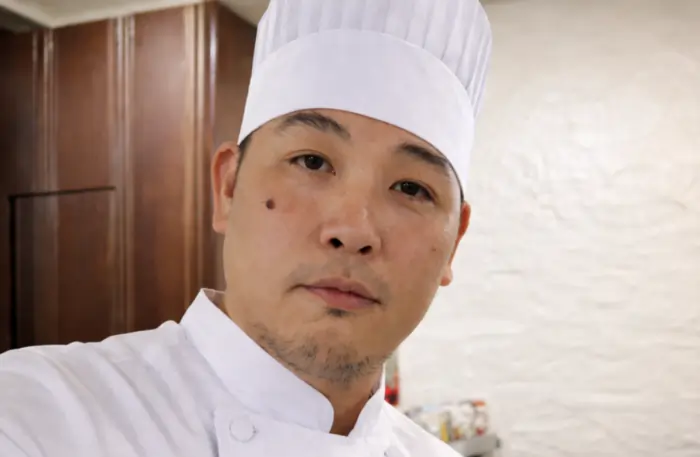
Chef Juan Gadi brings the heart of Filipino hospitality to Ubud, Bali. As an Executive Chef and consultant, he specializes in creating intimate, curated dining experiences that tell a story through every dish. Whether leading the kitchen at Kilig Filipino Warung or hosting a private villa dinner, Chef Juan’s approach is defined by warmth, modern technique, and a commitment to culinary excellence.