
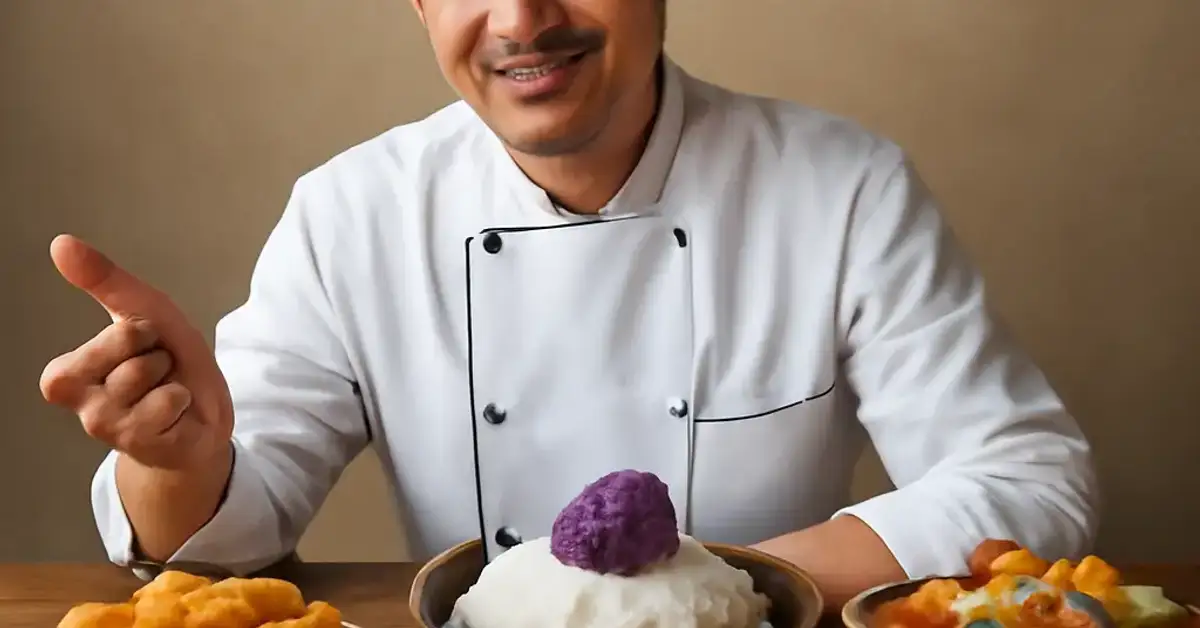
Difference Between Filipino Snacks and Desserts Key Takeaways
Filipino snacks, called merienda, bridge the gaps between meals, while desserts, known as panghimagas, close a meal with sweetness.
- The difference between Filipino snacks and desserts starts with timing: merienda is enjoyed mid-morning or mid-afternoon, while panghimagas follows lunch or dinner.
- Snacks tend to be savory or lightly sweet handheld items; desserts are usually richer, creamier, and more indulgent.
- Both reflect Filipino hospitality, built on rice, coconut, tropical fruits, and time-honored cooking techniques.

What Travelers Should Know About the Difference Between Filipino Snacks and Desserts
As Chef Juan Gadi often tells guests at Kilig Filipino Warung in Ubud, understanding the difference between Filipino snacks and desserts is the first step to truly savoring the cuisine. The distinction isn’t just about sugar—it’s about place, time, and the rhythm of a Filipino day. For a related guide, see Understanding the Course Flow of a Filipino Dining Experience.
In the Philippines, food is woven into every social moment. Snacks, called merienda, bridge the gap between meals and keep energy up. Desserts, known as panghimagas, are the sweet punctuation at the end of a meal. For international travelers, first-time visitors, and culinary enthusiasts, knowing this difference makes ordering at street stalls, bakeries, and restaurants far more rewarding. For a related guide, see Understanding Filipino Food Portions Before You Order.
This guide draws on Chef Juan’s experience crafting Filipino menus in Bali and beyond. Whether you are planning a trip to the Philippines or exploring a local Filipino eatery, you will leave with clear, practical knowledge about Filipino snacks vs desserts.
How Timing Separates Filipino Snacks vs Desserts
The most reliable way to tell a snack from a dessert in Filipino cuisine is to look at the clock. Merienda is a cultural institution—a pause for food and conversation that happens twice a day, usually around 10 AM and again at 3 or 4 PM. It is rarely eaten after a full meal. Instead, merienda serves as a pick-me-up, a social ritual, or a small bite to carry you to the next meal.
Panghimagas, on the other hand, is explicitly tied to the end of a meal. The word literally means something like ‘after-meal sweet.’ It comes after lunch or dinner, often as the final course of a home-cooked spread or restaurant tasting menu. Panghimagas is not a standalone event; it completes the dining experience.
This timing distinction is the foundation of the difference between Filipino snacks and desserts. A traveler who orders halo-halo at 10 AM is technically eating a dessert as a snack—which is perfectly fine in practice, but it helps to understand the intended roles.
The Rhythm of a Filipino Day
A typical day in the Philippines follows a predictable food rhythm: breakfast, morning merienda, lunch, afternoon merienda, dinner, and then panghimagas. This structure supports an active lifestyle and creates multiple opportunities for hospitality. When you visit a Filipino home, you are likely to be offered merienda even if you already ate—it is a gesture of welcome, not a corrective to hunger.
Traditional Filipino Merienda and Panghimagas: Ingredients and Sweetness Compared
Traditional Filipino merienda and panghimagas share many ingredients—rice, coconut, tropical fruit, and sugar—but they deploy them differently. Merienda often leans savory or only mildly sweet, while panghimagas embraces richness and sweetness more boldly. The table below gives a quick side-by-side comparison.
| Category | Timing | Typical Ingredients | Sweetness Level | Common Examples |
|---|---|---|---|---|
| Merienda (Snack) | Mid-morning or mid-afternoon | Rice, coconut, banana, sweet potato, savory fillings | Mildly sweet to savory | Turon, banana cue, puto, empanada, kakanin |
| Panghimagas (Dessert) | After lunch or dinner | Eggs, milk, sugar, ube, tropical fruits, shaved ice | Rich, creamy, often very sweet | Leche flan, halo-halo, ube halaya, bibingka, fruit salad |
Overlap certainly exists. Kakanin, for example, can appear at merienda or as part of a dessert spread. But the context and presentation usually signal the role: merienda items are portable and easy to eat by hand, while panghimagas are often plated, served in bowls, or shared family-style at the table.
Merienda Staples Travelers Will Recognize
When exploring the Philippines, these snacks are easy to find at street corners, panaderias, and market stalls:
- Turon — crispy fried banana spring rolls with a touch of brown sugar and sometimes jackfruit.
- Banana cue — caramelized saba bananas skewered on a bamboo stick.
- Puto — soft steamed rice cakes, often served with dinuguan or cheese.
- Empanada — a savory pastry filled with meat, vegetables, or a regional variation like Ilocos empanada.
- Kakanin — a broad family of sticky rice cakes including suman, biko, and sapin-sapin.
These items are typically less sweet than desserts and often pair well with coffee, hot chocolate, or a cold drink. For more on where to find authentic merienda, the Philippines Department of Tourism offers regional food guides.
Panghimagas Classics Worth Saving Room For
After a hearty Filipino meal, these desserts are the traditional way to finish:
- Leche flan — a silky egg yolk and milk custard topped with caramel.
- Halo-halo — shaved ice layered with sweet beans, fruits, jellies, and topped with leche flan or ube ice cream.
- Ube halaya — a thick, creamy purple yam jam, often served cold or used in other desserts.
- Bibingka — a slightly sweet rice cake baked in banana leaves, traditionally served during Christmas but enjoyed year-round.
- Buko pandan — young coconut strips mixed with pandan-flavored gelatin and cream.
Chef Juan notes that panghimagas often carries a sense of celebration. ‘Even a simple leche flan feels special because it is reserved for the end of a meal,’ he says. ‘That is the heart of the difference between Filipino snacks and desserts—one fuels the day, the other rewards the appetite.’
A Practical Guide to Enjoying Both Like a Local
For travelers and food lovers, the best way to appreciate Filipino snacks vs desserts is to experience both within their proper context. Here is a simple three-step approach.
Step 1: Embrace Merienda as a Social Pause
Do not wait until you are starving. In the Philippines, merienda is an event in itself. Stop at a neighborhood bakery or a street cart around 3 PM, order a turon or a slice of biko, and sit with a cup of kapeng barako or tsokolate. Observe how locals gather, chat, and linger. This is the true spirit of merienda.
Step 2: Order Panghimagas Only After a Full Meal
If you want a proper dessert, wait until after lunch or dinner. In a restaurant, ask for ‘panghimagas’ after you finish your main course. Chefs and home cooks design desserts to follow savory dishes, so the sweetness balances the palate. Ordering leche flan before your adobo will feel off—and now you know why.
Step 3: Ask About Texture and Sweetness
Chef Juan advises travelers to ask vendors or servers about sweetness level before ordering. Some kakanin are only mildly sweet, while leche flan and halo-halo are decadent. Knowing the difference helps you manage expectations and pair the right drink or coffee.
Why the Difference Between Filipino Snacks and Desserts Matters for Culinary Enthusiasts
The distinction reveals the Filipino approach to hospitality, balance, and everyday joy. Snacks show resourcefulness—turning simple ingredients like banana, rice, and coconut into portable, satisfying bites. Desserts show celebration and indulgence—taking milk, eggs, sugar, and tropical produce to create something truly memorable.
‘When I design a curated dinner, I always consider the transition from merienda-style bites to a proper panghimagas,’ says Chef Juan Gadi. ‘That arc tells a story about the Filipino day and the people sharing it.’
For home cooks, chefs, and restaurant owners, understanding this structure can improve menu planning and guest experience. For travelers, it turns a random snack into a cultural insight. That is why the difference between Filipino snacks and desserts matters far beyond the plate.
Useful Resources
For deeper exploration of Filipino food culture and regional specialties, these two resources are excellent starting points. The official tourism portal offers an overview of regional dishes, while TasteAtlas provides detailed profiles and ingredient breakdowns.
Philippines Department of Tourism – Food and Culture Guide
TasteAtlas – Filipino Cuisine Overview
Frequently Asked Questions About Difference Between Filipino Snacks and Desserts
What is the main difference between Filipino snacks and desserts ?
The main difference is timing and role: snacks (merienda) are eaten between meals as a pick-me-up, often savory or lightly sweet, while desserts (panghimagas) come after a main meal and are usually richer and sweeter.
Is merienda the same as dessert?
No, merienda is a snack eaten between meals, not after. Dessert, or panghimagas, is specifically the sweet course that ends a meal. They serve different purposes in the Filipino dining rhythm.
When do Filipinos eat merienda?
Filipinos typically eat merienda twice a day: once mid-morning around 10 AM and again mid-afternoon around 3 or 4 PM. It is a social pause, not a meal replacement.
What are some popular Filipino merienda snacks?
Popular merienda items include turon (fried banana spring rolls), banana cue, puto (steamed rice cakes), empanada, and kakanin like suman and biko.
What is panghimagas in Filipino cuisine?
Panghimagas is the Filipino term for dessert. It is the sweet course served after lunch or dinner, often featuring ingredients like eggs, milk, ube, and tropical fruits.
Can a Filipino snack also be served as a dessert?
Yes, some foods cross over. Kakanin, for example, can be served at merienda or as part of a dessert spread. The context, portion size, and sweetness level usually signal the role.
Which is sweeter, merienda or panghimagas?
Panghimagas is generally sweeter and richer. Merienda can be savory or only mildly sweet, while desserts like leche flan or halo-halo are designed to be indulgent.
Are kakanin snacks or desserts?
Kakanin is a flexible category of sticky rice cakes. They are commonly eaten as merienda, but sweeter versions like biko or sapin-sapin often appear as panghimagas after a meal.
What is the most famous Filipino dessert?
Halo-halo is arguably the most famous Filipino dessert. It combines shaved ice, sweet beans, fruits, jellies, and toppings like leche flan or ube ice cream.
What is halo-halo: snack or dessert?
Halo-halo is traditionally a dessert, served after a meal. However, many people enjoy it as a refreshing afternoon treat, blurring the line between snack and dessert in practice.
How do I order merienda in the Philippines?
Simply say ‘merienda’ and the time of day, or point to items at a bakery or street cart. Vendors will understand. Common phrases include ‘Isang turon po’ (one turon, please).
Do Filipinos eat merienda every day?
Many Filipinos enjoy merienda daily, especially in provinces or during relaxed weekends. In fast-paced urban settings, it may be less frequent but remains a beloved tradition.
Are there savory Filipino snacks?
Yes, merienda includes plenty of savory options like empanada, lumpia, and bibingka with salted egg. These balance out the sweeter rice cakes and fried bananas.
What is the difference between turon and banana cue?
Both are merienda favorites. Turon is a fried spring roll filled with banana and sometimes jackfruit, while banana cue is a skewered caramelized banana. Turon is crispier and often less sticky.
Is leche flan a traditional Filipino dessert?
Yes, leche flan is a classic panghimagas. It has Spanish roots but has been fully adopted into Filipino cuisine, often served on special occasions and holidays.
Can I find merienda and panghimagas outside the Philippines?
Yes, Filipino restaurants worldwide serve both. Chef Juan Gadi’s Kilig Filipino Warung in Ubud, Bali, for example, offers curated merienda bites and traditional panghimagas for a complete experience.
How does Filipino merienda compare to other Southeast Asian snacks?
Filipino merienda shares similarities with Indonesian and Malaysian snacks—rice, coconut, and fried items are common—but Filipino versions often highlight banana, ube, and a particular balance of sweet and savory.
What is bibingka: snack or dessert?
Bibingka is typically served as a dessert or special-occasion treat, especially around Christmas. However, smaller versions can be eaten as merienda with coffee or tea.
Why is rice so common in Filipino snacks and desserts?
Rice is a staple crop in the Philippines, and its versatility makes it ideal for both savory and sweet preparations. Rice flour and glutinous rice form the base of kakanin, puto, and bibingka.
How can I tell if a food is merienda or panghimagas from the menu?
Look for clues: merienda items are often handheld, served in small portions, and may be savory. Panghimagas are usually listed as desserts, richer, and intended to follow a main course. If unsure, ask the server.

Chef Juan Gadi brings the heart of Filipino hospitality to Ubud, Bali. As an Executive Chef and consultant, he specializes in creating intimate, curated dining experiences that tell a story through every dish. Whether leading the kitchen at Kilig Filipino Warung or hosting a private villa dinner, Chef Juan’s approach is defined by warmth, modern technique, and a commitment to culinary excellence.




