
Travelers Guide to Filipino Food at Different Price Points Key Takeaways
Filipino food spans a remarkable range: a peso-friendly carinderia meal can cost under $2, while a multi-course tasting menu in Bonifacio Global City may top $80.
- Travelers Guide to Filipino Food at Different Price Points helps you plan realistic daily food costs from ₱150 to ₱5,000+.
- Local formats like carinderia and turo-turo deliver authentic rice meals for a fraction of restaurant prices.
- Premium Filipino chefs now reinterpret classics like adobo , sinigang , and sisig in sophisticated tasting menus .

How This Travelers Guide to Filipino Food at Different Price Points Simplifies Dining Choices
Understanding Filipino food prices starts with knowing where locals actually eat. The Philippines does not have a single restaurant style; it layers informal carinderia counters, street food carts, food markets, fast casual restaurants, and hotel fine dining on top of each other. This Travelers Guide to Filipino Food at Different Price Points walks you through each tier so you can eat well without overspending or missing iconic dishes. For a related guide, see How to Enjoy Filipino Food Without Overordering.
The country’s food culture centers on rice meals, sour broths, grilled proteins, and sweet snacks. Whether you are a backpacker with a ₱500 daily food budget or a couple celebrating with a premium tasting menu, there is a clear path to authentic flavors. The key is knowing the dining format, the typical meal portions, and where service charges apply. For a related guide, see How to Choose Filipino Food Based on Your Dining Mood.
Why a Filipino Food Price Guide Is Essential for First-Time Visitors
A Filipino food price guide saves you from two common mistakes: overspending in tourist areas and missing the best local eats because you don’t recognize the formats. Prices can shift dramatically between a food court in a mall and a standalone Filipino restaurant two blocks away. Knowing that a turo-turo counter charges per viand while a family-style dining restaurant prices per platter changes how you order.
Use this guide as a reference for daily spending, not a fixed rule. Portion sizes, regional specialties, and city-level costs all affect the final bill. Manila and Cebu generally cost more than provincial cities like Iloilo or Davao.
Budget Filipino Meals: Carinderia, Turo-Turo, and Street Food
For under ₱200 per meal, budget travelers can eat extremely well. The cheapest and most culturally rich options are carinderia, turo-turo, and street food. These are not tourist gimmicks; they are where most Filipinos eat daily.
Carinderia and Turo-Turo Essentials
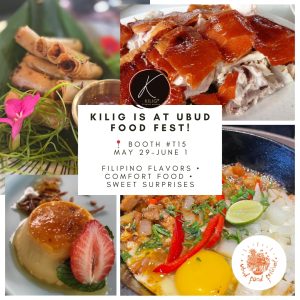
A carinderia is a small, often family-run eatery with a glass case of ready-cooked dishes. Turo-turo literally means “point-point” because you point at the viands you want. A plate with one viand and unlimited rice typically costs ₱60–₱120. Choose adobo, sinigang, pancit, or lumpia for a balanced meal. Meal portions are generous enough for most travelers, and many carinderias offer free soup or broth.
These local eateries are safe if you pick busy spots with high turnover. Look for steam tables, quick service, and locals lining up. Avoid lukewarm food and dishes that have been sitting for hours.
Street Food and Food Markets
Philippine street food goes far beyond the famous balut. Skewered sisig, fish balls, kwek-kwek, and grilled meats fill evening streets. Most items cost ₱15–₱50 per stick. Food markets like Mercato Centrale in Manila or Sugbo Mercado in Cebu gather vendors under one roof, offering small plates from ₱50–₱150. These are perfect for sampling many dishes without a full sit-down meal.
| Dish | Typical Budget Price | What You Get |
|---|---|---|
| Adobo with rice | ₱80–₱150 | Braised chicken or pork, garlic rice, soup |
| Sinigang na baboy | ₱90–₱160 | Sour tamarind soup with pork and vegetables |
| Pancit bihon | ₱50–₱100 | Stir-fried rice noodles with vegetables and meat |
| Lumpiang shanghai | ₱40–₱80 | Six to eight fried spring rolls |
| Sisig | ₱100–₱180 | Sizzling chopped pork with calamansi and chili |
| Kwek-kwek | ₱15–₱30 | Three to five battered quail eggs |
Mid-Range Filipino Dining: Fast Casual Restaurants and Family-Style Dining
When you want air-conditioning, better plating, and more variety, fast casual restaurants, food courts, and family-style dining slots are the sweet spot. Expect to spend ₱250–₱700 per person for a full meal with a drink.
Fast Casual Restaurants and Food Courts
Chains like Max’s Restaurant, Manam, and Mesa serve elevated Filipino classics in a comfortable setting. A single order of sisig or crispy pata costs ₱350–₱600 and feeds two people. Mall food courts often have Filipino stalls where a combo with rice, viand, and drink runs ₱180–₱300. These are excellent for solo travelers who want variety without a long meal. For a related guide, see Understanding Filipino Food Portions Before You Order.
Look for fast casual restaurants that specialize in regional dishes like Bicol Express or Laing. They give you a taste of regional specialties without traveling far.
Family-Style Dining and Local Eateries
Family-style dining is common in Filipino culture. Groups order several platters to share: a whole fried chicken, pancit for long life, lumpia, and a vegetable dish. At mid-range Filipino restaurants, a five-person spread might cost ₱1,500–₱3,000, making it cost-effective per head. Grilled seafood and lechon are usually priced per kilo. In Dampa-style markets, you buy fresh seafood and pay a cooking fee.
This tier also includes many local eateries with a loyal following. A bowl of batchoy, laksa-inspired noodles, or a Bicolano laing plate rarely exceeds ₱250.
Premium Filipino Cuisine: Fine Dining and Tasting Menus
At the top end, Filipino chefs have redefined national dishes into multi-course tasting menus. Cities like Manila, Cebu, and Pampanga now host fine dining rooms where dinner costs ₱2,500–₱6,000 per person before drinks.
Fine Dining and Tasting Menus in Manila and Beyond
Restaurants such as Toyo Eatery, Gallery by Chele, and Metronome lead this movement. A tasting menu typically includes eight to twelve courses that might reconstruct adobo as a glazed pork belly, serve sinigang as a clear broth with prawn, or reinterpret kakanin as petit fours. These meals often highlight regional specialties and heirloom ingredients.
Expect polished service, wine pairings, and a service charge of 10% added to the bill. Some restaurants include it in the menu price; always check the fine print.
What You Get for Premium Filipino Cuisine Prices
You are paying for technique, ingredient sourcing, and a narrative arc. A ₱4,000 meal might feature native chicken, river prawns, and artisanal vinegar. Portions are smaller but each course is designed to be memorable. For travelers who are serious about Philippine cuisine, one premium dinner can provide more insight than a week of casual meals.
Reserve at least a week ahead for top restaurants. Walk-ins are rare, and weekend slots fill quickly.
Regional Specialties and Local Beverages to Try at Any Budget
No Travelers Guide to Filipino Food at Different Price Points is complete without the country’s regional map. Filipino food is not monolithic; each island group has signature dishes that fit every food budget.
Must-Try Regional Dishes
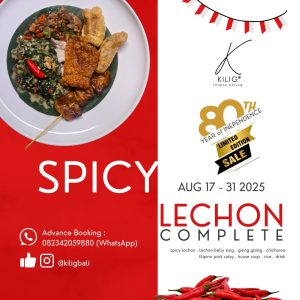
In Cebu, lechon is the centerpiece, often sold by the kilo from ₱700. In Iloilo, La Paz Batchoy is a pork-and-noodle soup under ₱150. In Bicol, dishes are fiery with coconut milk; try Bicol Express at a carinderia for less than ₱120. In Pampanga, the sisig was born and remains the benchmark. For grilled seafood, head to Davao or Palawan where a whole grilled fish with rice and vegetables can cost ₱250–₱450 at a beachfront local eatery.
For a helpful visual map, the Eater guide to Filipino regional food is a practical companion.
Local Beverages and Merienda Culture
Don’t skip merienda, the mid-afternoon snack. This is when halo-halo, kakanin, and local beverages like sago’t gulaman or fresh buko juice shine. A tall glass of halo-halo costs ₱80–₱180 depending on the venue. Kakanin such as bibingka or puto bumbong sells for ₱30–₱80 per piece at food markets and street stalls.
How to Build a Practical Filipino Food Budget for Travelers
Use this section as a working Filipino food price guide. The numbers below reflect 2025 averages in Philippine pesos and approximate USD equivalents.
Sample Daily Food Budget by Tier
| Budget Tier | Daily Food Budget | What It Includes |
|---|---|---|
| Backpacker | ₱300–₱600 | Carinderia meals, street food, market snacks |
| Mid-range | ₱800–₱1,800 | Fast casual restaurants, one sit-down dinner, merienda |
| Premium | ₱3,000–₱8,000 | Fine dining, tasting menus, full-service restaurants |
Hidden Costs: Service Charges, Meal Portions, and Tourist Areas
Many mid-range and premium restaurants add a 10% service charge. Budget eateries do not. Meal portions in family-style restaurants are large, so solo travelers should order one viand and a cup of rice rather than two viands. In tourist areas like Boracay or El Nido, prices can be 20–50% higher than local neighborhoods. Walk two blocks inland for better value.
Keep a small cash reserve because many carinderia and street food vendors do not accept cards. Mobile payments like GCash are common in cities, but cash is still king in provinces.
Filipino Dining Etiquette and Cultural Tips
Filipinos are warm hosts, and a few customs will improve your experience. Meals are often communal; it is polite to offer food to others before serving yourself. Saying “Kain na tayo” invites everyone to eat. When eating at a carinderia, return your tray or plates to the counter if you can.
Use a spoon and fork; knives are less common. The fork pushes food onto the spoon. If you are offered a banana leaf meal, eat with your hands—it is part of the experience. Tipping is not mandatory, but leaving ₱20–₱50 at mid-range restaurants is appreciated.
Final Thoughts on the Travelers Guide to Filipino Food at Different Price Points
This Travelers Guide to Filipino Food at Different Price Points proves that you can eat like a local for under ₱500 a day or splurge on a world-class tasting menu without a second thought. The most important rule is to match the dining format to your food budget and to eat where locals queue. Use this Filipino food price guide as a starting point, then let your taste buds lead the way through adobo, sinigang, lechon, and halo-halo.
Useful Resources
For more detailed regional food intel, these two sources pair well with this guide:
Frequently Asked Questions About Travelers Guide to Filipino Food at Different Price Points
What is Travelers Guide to Filipino Food at Different Price Points ?
Travelers Guide to Filipino Food at Different Price Points is covered in the guide above with practical context, useful examples, and details readers can use to make a better decision.
Why is Travelers Guide to Filipino Food at Different Price Points important?
Travelers Guide to Filipino Food at Different Price Points is covered in the guide above with practical context, useful examples, and details readers can use to make a better decision.
How does Travelers Guide to Filipino Food at Different Price Points work?
Travelers Guide to Filipino Food at Different Price Points is covered in the guide above with practical context, useful examples, and details readers can use to make a better decision.
Who should care about Travelers Guide to Filipino Food at Different Price Points ?
Travelers Guide to Filipino Food at Different Price Points is covered in the guide above with practical context, useful examples, and details readers can use to make a better decision.
What are the main benefits of Travelers Guide to Filipino Food at Different Price Points ?
Travelers Guide to Filipino Food at Different Price Points is covered in the guide above with practical context, useful examples, and details readers can use to make a better decision.
What are the common mistakes with Travelers Guide to Filipino Food at Different Price Points ?
Travelers Guide to Filipino Food at Different Price Points is covered in the guide above with practical context, useful examples, and details readers can use to make a better decision.
How do beginners start with Travelers Guide to Filipino Food at Different Price Points ?
Travelers Guide to Filipino Food at Different Price Points is covered in the guide above with practical context, useful examples, and details readers can use to make a better decision.
What should readers know before choosing Travelers Guide to Filipino Food at Different Price Points ?
Travelers Guide to Filipino Food at Different Price Points is covered in the guide above with practical context, useful examples, and details readers can use to make a better decision.
How can Travelers Guide to Filipino Food at Different Price Points be compared with other options?
Travelers Guide to Filipino Food at Different Price Points is covered in the guide above with practical context, useful examples, and details readers can use to make a better decision.
What makes Travelers Guide to Filipino Food at Different Price Points different?
Travelers Guide to Filipino Food at Different Price Points is covered in the guide above with practical context, useful examples, and details readers can use to make a better decision.
Is Travelers Guide to Filipino Food at Different Price Points worth it?
Travelers Guide to Filipino Food at Different Price Points is covered in the guide above with practical context, useful examples, and details readers can use to make a better decision.
How much time does Travelers Guide to Filipino Food at Different Price Points usually take?
Travelers Guide to Filipino Food at Different Price Points is covered in the guide above with practical context, useful examples, and details readers can use to make a better decision.
What are the risks of Travelers Guide to Filipino Food at Different Price Points ?
Travelers Guide to Filipino Food at Different Price Points is covered in the guide above with practical context, useful examples, and details readers can use to make a better decision.
How can readers get better results from Travelers Guide to Filipino Food at Different Price Points ?
Travelers Guide to Filipino Food at Different Price Points is covered in the guide above with practical context, useful examples, and details readers can use to make a better decision.
What tools or resources help with Travelers Guide to Filipino Food at Different Price Points ?
Travelers Guide to Filipino Food at Different Price Points is covered in the guide above with practical context, useful examples, and details readers can use to make a better decision.
What are the best practices for Travelers Guide to Filipino Food at Different Price Points ?
Travelers Guide to Filipino Food at Different Price Points is covered in the guide above with practical context, useful examples, and details readers can use to make a better decision.
Can Travelers Guide to Filipino Food at Different Price Points help long term?
Travelers Guide to Filipino Food at Different Price Points is covered in the guide above with practical context, useful examples, and details readers can use to make a better decision.
What should be avoided with Travelers Guide to Filipino Food at Different Price Points ?
Travelers Guide to Filipino Food at Different Price Points is covered in the guide above with practical context, useful examples, and details readers can use to make a better decision.
How often should readers review Travelers Guide to Filipino Food at Different Price Points ?
Travelers Guide to Filipino Food at Different Price Points is covered in the guide above with practical context, useful examples, and details readers can use to make a better decision.
What is the next step after learning about Travelers Guide to Filipino Food at Different Price Points ?
Travelers Guide to Filipino Food at Different Price Points is covered in the guide above with practical context, useful examples, and details readers can use to make a better decision.
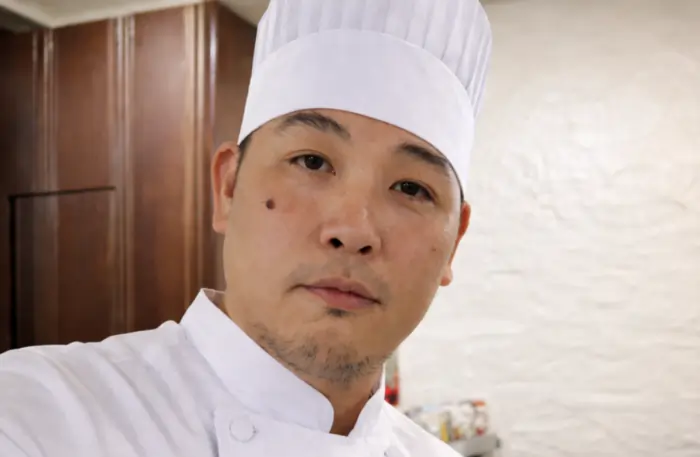
Chef Juan Gadi brings the heart of Filipino hospitality to Ubud, Bali. As an Executive Chef and consultant, he specializes in creating intimate, curated dining experiences that tell a story through every dish. Whether leading the kitchen at Kilig Filipino Warung or hosting a private villa dinner, Chef Juan’s approach is defined by warmth, modern technique, and a commitment to culinary excellence.