

Why Some Bali Memories Stay With You Forever Key Takeaways
Why Some Bali Memories Stay With You Forever comes down to the powerful combination of sensory richness, deep cultural immersion, and meaningful human interactions that trigger emotion and memory centers in the brain.
- Why Some Bali Memories Stay With You Forever because of strong emotional experiences created through sensory richness, cultural immersion, and unique island environments.
- Bali travel memories are reinforced by hospitality, natural beauty, food culture, and a spiritual atmosphere that create lasting impressions easily recalled even years later.
- Chef Juan Gadi’s intimate dining experiences in Ubud showcase how food and human connection turn a meal into a lifelong emotional travel experience .

The Emotional Science Behind Why Some Bali Memories Stay With You Forever
When you step off the plane in Bali, something shifts. It’s not just the tropical heat or the scent of clove cigarettes in the air. It’s the way your senses suddenly wake up, firing signals straight to the amygdala and hippocampus — the brain regions responsible for emotion and memory. Research in memory and emotion psychology shows that the more emotionally engaged we are during an experience, the more vividly we encode it. This is the core of travel psychology: Why Some Bali Memories Stay With You Forever is because Bali doesn’t let you stay neutral. Every moment invites a feeling — awe, warmth, curiosity, or peace.
As an Executive Chef and consultant in Ubud, I’ve seen this happen at my tables. Guests arrive tired from travel and leave with Bali nostalgia already forming. They remember the texture of a slow-cooked pork belly, the sound of gamelan music drifting through the rice paddies, the way a Balinese host smiled without hesitation. That’s not just a nice meal. That’s memory retention travel in action.
How Sensory Travel Experiences Activate Deep Memory
Sensory travel experiences are the most potent triggers for long-term recall. The smell of frangipani, the feel of salt on your skin after a surf at Padang Padang, the taste of sambal matah on a grilled fish — these sensory memory triggers anchor a moment so deeply that you can replay it years later. Unlike a standard vacation photo, a scent or a taste can pull you back into the exact emotional state you were in. That is why Why Some Bali Memories Stay With You Forever is not a mystery once you understand how your brain works.
Cultural Immersion Bali: The Emotional Connection Travelers Crave
Cultural immersion Bali isn’t a tourist brochure phrase. It’s the act of participating in something sacred and old — a temple blessing, a village offering, a cooking lesson where the grandmother shows you how to grind spices by hand. These meaningful travel memories form because you are not watching from a distance. You are inside the experience. When you help prepare a dish using techniques passed down for generations, you become part of the story. That’s why human connection travel matters so much.
The Power of Shared Meals and Hospitality
In Balinese culture, food is never just fuel. It is an offering, a celebration, a way to welcome strangers as family. At Kilig Filipino Warung, I bring that same philosophy to every plate. I’ve watched travel storytelling Bali unfold naturally when a guest tries adobo for the first time and their eyes light up with recognition of home or discovery of something entirely new. Emotional tourism happens when a dish becomes a bridge between two cultures, and that bridge is unforgettable.
Bali Unforgettable Experiences: Nature, Spirituality, and Everyday Magic
Some of the most Bali unforgettable experiences are the quiet ones. The sound of a rooster at dawn in Ubud. The sight of a single frangipani floating in a water offering. The moment you realize no one is rushing. Island travel experiences have a distinct rhythm, and Bali’s rhythm is slower, more intentional. That pace gives your brain space to absorb, reflect, and solidify the memory. Bali scenic memories are not just visual — they include the cool mossy stone of a temple wall under your hand, the weight of a sarong tied at your waist, the scent of wet earth after a sudden tropical rain.
Spiritual Atmosphere and Memory Retention Travel
The spiritual atmosphere of Bali — thousands of temples, daily offerings, the sound of prayer — creates what travel nostalgia psychology calls a “strong psychological impression.” When your brain senses that something matters, it prioritizes storage. That is why memory and emotion psychology directly links awe-inspiring moments to lasting travel impressions. Bali gives you awe in small, repeated doses — a sunrise at Mount Batur, a blessing by a priest in a hidden temple, the silence inside a meditation cave.
How Food and Culture Shape Travel Memories: A Chef’s Perspective
I believe Bali lifestyle experiences are most powerfully felt through food. Bali tourism experience often centers on luxury resorts and crowded beaches, but the real unforgettable travel moments happen over a table shared with a stranger who becomes a friend. In my private villa dinners, I design each course to tell a story — the story of my Filipino heritage, the story of the Balinese ingredients I source from small farms, the story of the moment we share. That is the essence of experiential tourism Bali.
Why Do Some Trips Feel More Meaningful Than Others?
Because meaning is not automatic. It is created through presence, interaction, and emotional vulnerability. Why Some Bali Memories Stay With You Forever is not an accident. It is the result of allowing yourself to be fully engaged. When you put your phone down, when you ask a local about their life, when you taste something unfamiliar with an open mind — you are building emotional travel experiences that your brain will store as precious.
Practical Ways to Deepen Your Bali Travel Memories
- Take a cooking class with a family in their home, not a commercial kitchen.
- Wake up early to see offerings being made at a local temple.
- Write down a sensory detail each evening — a smell, a taste, a sound.
- Stay in one place long enough to recognize faces and routines.
- Share meals with strangers. That is where human connection travel becomes permanent.
Useful Resources
For deeper exploration of how travel shapes memory and emotion, visit these trusted sources:
- Psychology Today – The Neuroscience of Memory and Emotion
- National Geographic – Why Vacations Create Lasting Memories
Frequently Asked Questions About Why Some Bali Memories Stay With You Forever
Why do some Bali memories stay with you forever?
Why Some Bali Memories Stay With You Forever is answered by the combination of sensory richness, cultural immersion, meaningful human interactions, and unique island environments that deeply engage memory and emotion centers in the brain, creating lasting impressions easily recalled even years after the trip.
What makes Bali experiences so unforgettable?
Bali’s hospitality, natural beauty, food culture, and spiritual atmosphere create emotional travel experiences that feel personal and significant, making them more memorable than standard sightseeing destinations. For a related guide, see Why Travelers Remember Experiences More Than Destinations.
How does emotion affect travel memory?
Emotion activates the amygdala, which strengthens the encoding of memories. Memory and emotion psychology shows that emotionally charged experiences — like the awe of a Balinese sunset or the warmth of a shared meal — are stored more vividly.
Why do sensory experiences in Bali create lasting memories?
Sensory memory triggers such as the smell of frangipani, the taste of sambal, or the sound of gamelan music anchor memories directly to emotional states, making recall automatic and vivid even years later.
How does culture influence travel nostalgia?
Bali nostalgia is deepened by cultural immersion Bali — participating in rituals, learning traditions, and sharing meals with locals creates a sense of belonging that the brain encodes as meaningful and worth remembering.
What types of Bali moments are most memorable?
The most Bali unforgettable experiences often involve personal interaction — a conversation with a farmer, a home-cooked meal, a temple blessing — rather than passive sightseeing. These meaningful travel memories involve emotional engagement.
Why do travelers emotionally connect with Bali?
Emotional connection travel happens in Bali because the culture openly welcomes participation. When visitors are invited into ceremonies, homes, and kitchens, they feel seen and valued, forming unforgettable travel moments.
How does food and culture shape travel memories?
Food is a direct sensory memory trigger. Bali tourism experience through shared meals and local ingredients creates rich, multi-sensory memories that combine taste, smell, touch, and human connection into one powerful impression. For a related guide, see 10 Feelings That Make a Dining Experience Truly Special.
What role does spirituality play in memory retention during travel?
Spiritual experiences create awe, a strong emotion linked to memory retention travel. Bali’s daily rituals, temple visits, and meditation practices produce lasting travel impressions that are emotionally profound.
How does the brain store travel experiences?
The hippocampus encodes spatial and contextual details, while the amygdala tags emotional weight. Travel psychology explains that experiences rich in novelty, emotion, and sensory input are prioritized for long-term storage.
Why do some trips feel more meaningful than others?
Meaning is created through depth of engagement. Trips that include human connection travel, cultural immersion Bali, and travel reflection experiences feel more significant because they involve the whole self, not just the eyes.
How does human connection affect travel memory?
Interactions with locals and fellow travelers release oxytocin and dopamine, bonding agents that strengthen emotional travel experiences. A shared laugh over a meal becomes a meaningful travel memory because of that chemical connection.
What makes island destinations more memorable?
Island travel experiences are naturally bounded — you are surrounded by water, culture is more contained, and you are forced into a slower pace. This concentrated environment supports deeper reflection and memory retention travel.
How do smells and sounds trigger Bali memories?
Olfactory and auditory sensory memory triggers bypass the thalamus and go straight to the amygdala and hippocampus. The scent of incense or the sound of a rooster can instantly recall the full emotional texture of a Balinese morning.
Why is emotional travel more memorable than sightseeing?
Emotional tourism engages the self, not just the camera. Travel psychology confirms that feelings of joy, awe, surprise, or connection create stronger neural traces than passive observation, making Bali travel memories last longer.
How does Bali create strong psychological impressions?
Through contrast — the quiet rituals amid busy streets, the kindness of strangers, the beauty of degraded landscapes. These contrasts disrupt expectations, and the brain remembers disruptions vividly. That is Why Some Bali Memories Stay With You Forever.
What are the most unforgettable experiences in Bali?
Sunrise at Mount Batur, a private villa dinner with Chef Juan Gadi, a traditional cooking class in a family compound, a temple purification at Tirta Empul, and a sunset at Uluwatu with kecak fire dance are among the top Bali unforgettable experiences.
How does storytelling preserve travel memories?
Travel storytelling Bali keeps memories alive by re-narrating them. Each time you tell the story of a shared meal or a chance encounter, you reinforce the neural pathways — and the memory becomes stronger, more detailed, and more emotionally rich.
Why do people feel nostalgic about Bali?
Bali nostalgia is a form of travel nostalgia psychology where the brain associates the island with deep emotional safety, beauty, and personal growth. Even years later, a single trigger — the smell of coconut oil or the sound of gamelan — brings back a flood of Bali scenic memories.
How does immersive travel create lifelong memories?
Experiential tourism Bali — cooking with locals, learning to make offerings, living in a homestay — forces you to be present. Memory retention travel research shows that immersive, multi-sensory, emotionally engaging experiences are the ones that become the fabric of your life story.
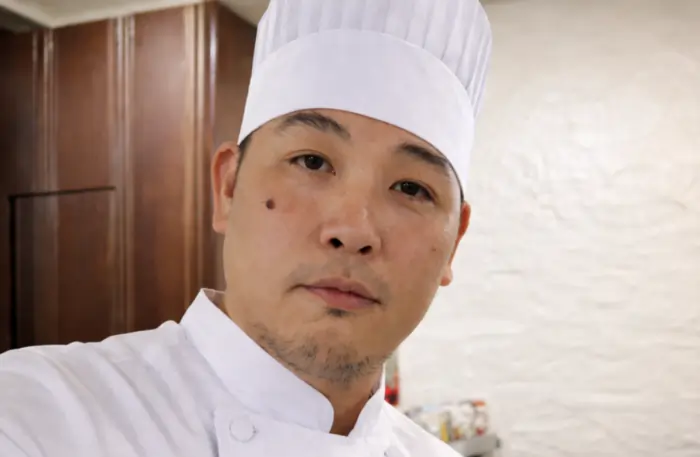
Chef Juan Gadi brings the heart of Filipino hospitality to Ubud, Bali. As an Executive Chef and consultant, he specializes in creating intimate, curated dining experiences that tell a story through every dish. Whether leading the kitchen at Kilig Filipino Warung or hosting a private villa dinner, Chef Juan’s approach is defined by warmth, modern technique, and a commitment to culinary excellence.