
Everyday Cooking Preserves Cultural Identity Key Takeaways
At its core, everyday cooking preserves cultural identity by grounding communities in traditions passed down through generations.
- Everyday cooking preserves cultural identity by making local ingredients like native vegetables and fresh seafood part of daily life.
- The palengke connects island communities to their cultural heritage through seasonal produce and traditional market culture .
- Visiting regional markets offers travelers a true taste of Filipino hospitality and a deep understanding of food traditions .
I’m Chef Juan Gadi, and every time I step into a bustling palengke, I’m reminded that everyday cooking preserves cultural identity in the most delicious way. My journey from the Philippines to Bali has shown me that the soul of a culture isn’t just in grand monuments or ancient texts—it’s in the sizzle of garlic, the scent of coconut milk, and the hands of local vendors who have been selling the same native vegetables their grandparents did. For international travelers, food lovers, and Filipino communities abroad, exploring the local food culture of the Philippines through its markets is a masterclass in how heritage survives, one meal at a time. For a related guide, see Food Connects Filipinos to Cultural Roots: 1 Chef’s Story in Bali.

The Palengke: Gateway to Filipino Culinary Identity
No visit to the Philippines is complete without losing yourself in a palengke. These wet markets are more than shopping destinations—they are the living encyclopedias of Filipino food culture. Here, amid the chatter of farming communities and fishing communities, you’ll find rows of tropical fruits like sweet Philippine mangoes and spiky durian, glassy-eyed fresh seafood laid on ice, and bundles of native vegetables such as malunggay and kangkong. Every stall tells a story, and every transaction is a stitch in the fabric of Filipino culinary heritage.
Why Do Filipino Markets Reflect Local Culture?
Filipino markets mirror the archipelago’s diverse cultural tapestry because they are sustained by family businesses and local vendors who pass down knowledge through generations. In a single public market, you witness the interplay of island communities: a rice farmer from Luzon haggles beside a fisherman from the Visayas. Local crafts like handwoven bilao (winnowing baskets) sit next to bottles of local spices and tuba (coconut wine). These markets are not just about commerce—they are stages where food traditions are performed daily, from the ritual preparation of bagoong (fermented fish paste) to the art of choosing the perfect coconut for ginataan.
How Everyday Cooking Preserves Cultural Identity Through Regional Specialties
The true magic happens when those local ingredients travel home to kitchens. In every pan of sinigang simmering with tamarind and fresh bangus, everyday cooking preserves cultural identity by rooting families in regional specialties. The Philippines is a land of bold contrasts, and its dishes map those differences. A coconut-rich Bicol express shouts heat from southern Luzon, while Ilocos pinakbet whispers earthy notes of native vegetables. Across the islands, street food like isaw and fish balls carry the improvisational spirit of the streets. The table below highlights a few regional gems that define Philippine cuisine.
| Region | Dish/Ingredient | Cultural Note |
|---|---|---|
| Ilocos | Pinakbet | A vegetable stew using bagoong, celebrating farming communities. |
| Bicol | Bicol Express | Fiery pork in coconut cream, a gift of local spices. |
| Visayas | Lechon | The ultimate community gathering centerpiece, served at every festival. |
| Mindanao | Piyanggang manok | Chicken cooked in burnt coconut, reflecting indigenous ingredients. |
What Makes Traditional Filipino Markets Unique?
Traditional Filipino markets buzz with a symphony of tawad (haggling), calls of “suki” (loyal customer), and the scent of fresh seafood even before sunrise. Unlike sterile supermarkets, these public markets Philippines are deeply personal. You don’t just buy a kilo of fish—you learn which boat brought it, how the fishing communities predicted the weather, and which herbs to pair with it. The market culture is one of mutual respect and Filipino hospitality, where a vendor offers a slice of tropical fruit simply to see you smile. This human connection is what makes palengkes irreplaceable.
Seasonal Produce and Fresh Seafood: Nature’s Cultural Anchors
Walking through a wet market in June is different from December. The seasonal produce dictates not only what ends up on the plate but also how families celebrate. When tropical fruits like lanzones and rambutan flood the stalls, you know a harvest festival isn’t far. Similarly, the arrival of fresh seafood like blue marlin or maliputo signals shifts in the fishing calendar, a rhythm fishing communities have followed for centuries. Local spices like black pepper, turmeric, and lemongrass—often grown in small farming communities—add terroir that no global supply chain can replicate. This constant dance with nature ensures that food traditions remain alive, not just preserved in cookbooks.
Street Food, Family Businesses, and the Rhythm of Community
No cultural exploration is complete without street food. By late afternoon, outside many regional markets, you’ll find carts selling taho, kwek-kwek, and banana cue. These family businesses often represent microcosms of community gatherings: neighbors catch up over a stick of isaw, children laugh while blowing on hot bibingka, and the local vendors remember your name if you are a regular. This informal dining is where Filipino hospitality shines brightest—the invitation to sit, share, and savor. In these simple acts, cultural heritage is passed down not through formal lectures but through shared meals and stories.
Chef Juan Gadi: How Everyday Cooking Preserves Cultural Identity Abroad
Running Kilig Filipino Warung in Ubud, Bali, I see firsthand how everyday cooking preserves cultural identity far from home. My kitchen relies on indigenous ingredients sourced from small local vendors who understand the importance of sustainable food practices. When I cook adobo or tinola for guests who may never set foot in a palengke, I’m not just serving a meal—I’m transporting them to the traditional Filipino markets of my youth. I tell them about the coconut milk that came from my grandmother’s village, the rice that symbolizes life itself, and the traditional recipes that survived colonization and globalization. This is how Filipino culinary heritage travels: through the hands of cooks who treat each dish as a story. For a related guide, see 12 Ways Filipino Food Shares the Story of the Philippines.
In the end, everyday cooking preserves cultural identity not in grand gestures but in the quiet, daily rituals of shopping, chopping, and sharing. Whether you’re a food traveler navigating a public market in Davao or a homesick cook in a foreign city, the act of cooking authentic Filipino cuisine keeps the culture breathing. It is a delicious rebellion against forgetting.
Useful Resources
For deeper dives into Filipino gastronomy, these resources offer scholarly and practical insights.
- TasteAtlas – Top 100 Filipino Dishes: A curated map of regional specialties with historical context.
- Kawaling Pinoy – Filipino Food and Recipes: A treasure trove of traditional recipes and market guides from a seasoned home cook.
Frequently Asked Questions About Everyday Cooking Preserves Cultural Identity
Why do Filipino markets reflect local culture?
Filipino markets reflect local culture because they are direct extensions of farming communities and fishing communities, showcasing the indigenous ingredients, local crafts, and social exchanges that define daily life across the archipelago.
What makes traditional Filipino markets unique?
The uniqueness of traditional Filipino markets lies in the suki system, the personal relationships between local vendors and buyers, the vibrant tawad (haggling) culture, and the reliance on fresh seafood and seasonal produce that reflect the country’s geography.
How do public markets showcase regional Filipino food traditions ?
Public markets showcase regional traditions by offering regional specialties such as Bicol’s spicy coconut-based dishes or Ilocos’ fermented fish pastes, each stall telling the story of the province’s soil, climate, and history.
What local ingredients can visitors find in Filipino markets?
Visitors can find a treasure trove of tropical fruits (mangoes, durian, mangosteen), native vegetables (malunggay, alugbati), fresh seafood (bangus, tanguigue), local spices (pandan, turmeric), and staples like rice and coconut.
How do markets connect farmers, fishermen, and local communities?
Wet markets act as direct conduits where farming communities and fishing communities sell their harvest without middlemen, creating economic ties and a social space where community gatherings happen naturally over food and news.
Why are palengkes important to everyday Filipino life?
Palengkes are essential because they are where everyday cooking preserves cultural identity—families source the indigenous ingredients that go into traditional recipes, ensuring that culinary knowledge survives generation after generation.
What can travelers learn by visiting local markets in the Philippines?
Travelers can learn about Filipino hospitality, the deep connection between island communities and the sea, the rhythm of seasonal produce, and how food traditions are preserved in an increasingly globalized world.
How do regional markets differ across the country’s islands and provinces?
Regional markets differ vastly: Luzon markets might overflow with native vegetables and highland rice, Visayan wet markets brim with abundant fresh seafood, and Mindanao markets highlight local spices and exotic tropical fruits.
What role do markets play in preserving Filipino culinary heritage?
They act as living museums of Filipino culinary heritage, safeguarding traditional recipes, rare indigenous ingredients, and artisanal local crafts that would otherwise be lost to commercial homogenization.
Why are Filipino markets an important reflection of the Philippines’ culture, traditions, and community life?
Because they encapsulate the Filipino values of bayanihan (community spirit), Filipino hospitality, and resilience—every transaction, every shared meal, and every family business tells a story of a people bound by food and togetherness. For a related guide, see Why Every Filipino Province Has a Distinct Food Identity.
How does everyday cooking preserve cultural identity in Filipino households?
Everyday cooking preserves cultural identity by making traditional recipes part of daily life, using local ingredients bought from the palengke, and passing cooking techniques from lolas (grandmothers) to grandchildren.
What are the most common fresh seafood items found in a palengke ?
Typical fresh seafood includes bangus (milkfish), tilapia, lapu-lapu (grouper), shrimps, crabs, squid, and an array of shells like tahong (mussels) and halaan (clams), reflecting the bounty of fishing communities.
How do tropical fruits define Filipino food culture?
Tropical fruits like mangoes, pineapples, and santol are woven into Filipino dining as desserts, snacks, and even savory salsas, symbolizing the country’s agricultural richness and festive spirit.
What native vegetables are staples in Filipino cooking?
Key native vegetables include kangkong (water spinach), ampalaya (bitter gourd), talong (eggplant), okra, and sayote, all essential in dishes like sinigang and pinakbet that define authentic Filipino cuisine.
How do local spices and coconut shape regional dishes?
Local spices like labuyo chili, ginger, and pandan combine with coconut (in forms like gata, latik, and buko) to create the complexity of regional specialties, from creamy ginataang langka to fiery Bicol Express.
What is the significance of rice in Filipino daily meals?
Rice is the cornerstone of Filipino dining, present at every meal and celebrated in countless forms—steamed, fried, sticky for kakanin—symbolizing sustenance, celebration, and cultural unity.
How does street food contribute to Filipino market culture ?
Street food extends market culture by providing affordable, fast, and flavorful bites that foster community gatherings outside the formal market space, often run by family businesses that are multi-generational.
What can food travelers expect from wet markets in the Philippines?
Food travel Philippines adventurers will find a sensory overload: vivid colors of tropical fruits, the bustle of local vendors, the chance to taste authentic Filipino cuisine at its source, and warm Filipino hospitality at every turn.
How do family-run market stalls uphold traditional recipes ?
Family businesses in traditional Filipino markets often sell pre-mixed ingredients or ready-to-cook meal packs based on heirloom traditional recipes, ensuring that even busy households maintain food traditions without compromise.
What sustainable food practices are emerging in Filipino island communities ?
Many island communities are reviving sustainable food systems—organic farming communities, community-supported fisheries, and zero-waste wet markets—to protect both cultural heritage and the environment for future generations.
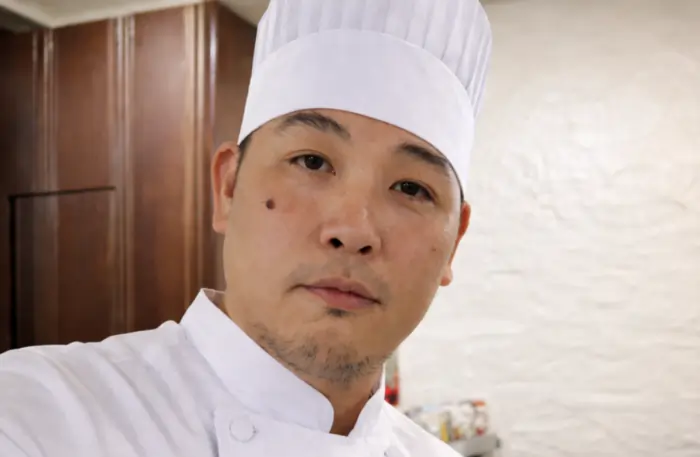
Chef Juan Gadi brings the heart of Filipino hospitality to Ubud, Bali. As an Executive Chef and consultant, he specializes in creating intimate, curated dining experiences that tell a story through every dish. Whether leading the kitchen at Kilig Filipino Warung or hosting a private villa dinner, Chef Juan’s approach is defined by warmth, modern technique, and a commitment to culinary excellence.