Choose Filipino Food Based on Your Dining Mood Key Takeaways
Choose Filipino Food Based on Your Dining Mood means matching your craving to the layers of sour, savory, sweet, and smoky flavors that define authentic Filipino cuisine .
- Choose Filipino Food Based on Your Dining Mood starts with identifying whether you want comfort, refreshment, heat, celebration, or a specific flavor profile.
- Filipino comfort food like adobo and sinigang anchors nostalgic cravings, while kinilaw and grilled seafood answer lighter moods.
- Regional differences in Philippine cuisine and Filipino culinary heritage shape the same dish into entirely different mood experiences.

How to Choose Filipino Food Based on Your Dining Mood: A Flavor-First Approach
Filipino food is often described as the original fusion cuisine, shaped by Malay, Chinese, Spanish, and American influences. Yet for Chef Juan Gadi, the heart of Filipino dining is not just history—it is the ability to read a diner’s mood and translate it into flavor. Choose Filipino Food Based on Your Dining Mood begins with asking what your body and spirit are calling for: warmth, brightness, heat, celebration, or pure indulgence.
For travelers planning a food trip, the TasteAtlas Philippines guide offers a visual snapshot of dishes and regions, but real understanding comes from learning the flavor anchors. Filipino food balances salty, sour, sweet, and bitter notes in ways that can shift depending on the region and the cook. Chef Juan Gadi brings the heart of Filipino hospitality to Ubud, Bali. As an Executive Chef and consultant, he specializes in creating intimate, curated dining experiences that tell a story through every dish. Whether leading the kitchen at Kilig Filipino Warung or hosting a private villa dinner, Chef Juan’s approach is defined by warmth, modern technique, and a commitment to culinary excellence.
Start with Your Craving, Not Just the Dish Name
Most first-time visitors search for famous Filipino dishes, but a better strategy is to name your craving. Do you want something brothy and sour? That points to sinigang. Something rich and smoky? That points to sisig. Something cool and citrusy? That points to kinilaw. When you let the craving lead, you avoid the trap of eating a heavy stew on a hot afternoon or a light ceviche when your body needs comfort.
Match Acidity, Fat, and Texture to Your Mood
Filipino cuisine uses vinegar and calamansi to cut richness, coconut milk to soften heat, and textures that range from crisp to silky. A bright mood pairs well with high-acid dishes. A reflective mood often wants something slow-cooked and tender. A social mood thrives on family-style dining where multiple textures and flavors are shared. Chef Juan encourages diners to order at least one sour dish, one savory dish, and one rice-based dish to experience the balance.
Comforting Filipino Food for Cozy and Nostalgic Moods
When the mood calls for something warm, soft, and familiar, Filipino comfort food is unmatched. These dishes lean on gentle simmering, rich broths, and the kind of aroma that makes a kitchen feel like home. This is Filipino comfort food at its finest.
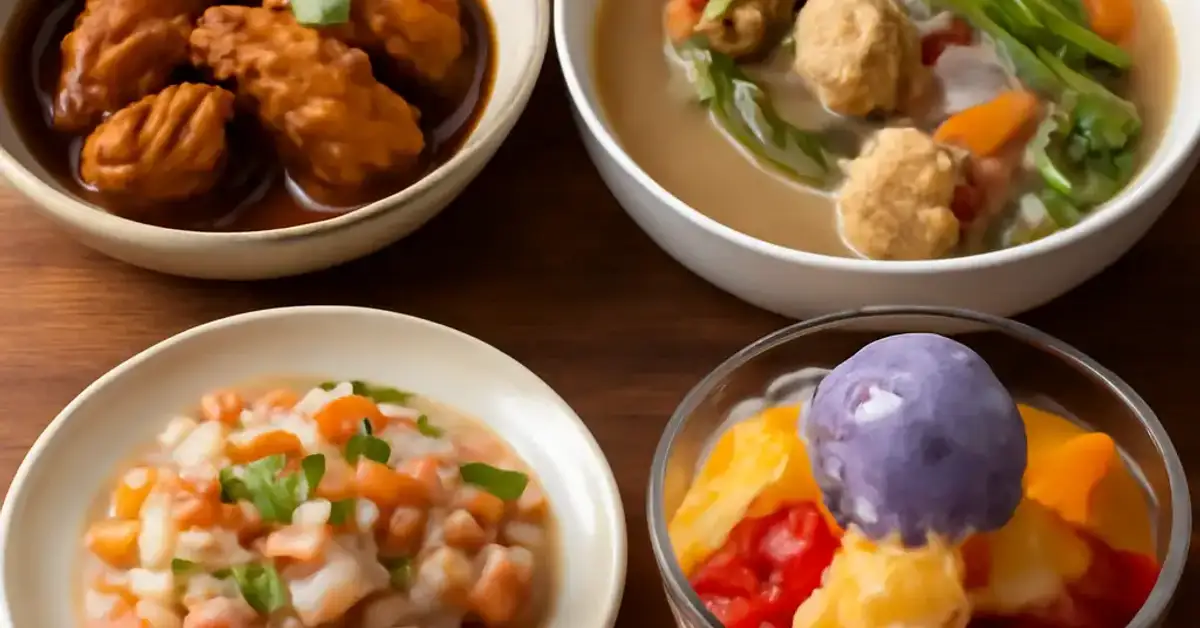
Start with adobo, the unofficial national dish, where chicken or pork is braised in soy sauce, vinegar, garlic, and bay leaves. For Chef Juan Gadi, adobo is a mood anchor: it can be made dry and caramelized or saucy and spoonable depending on how the diner wants to feel. Then there is sinigang, a tamarind-based sour soup that brightens a heavy day with its clean, sharp broth. Tinola is a ginger-scented chicken soup that soothes without being heavy.
If you are recovering from a long flight or just need a gentle bowl, order lugaw or arroz caldo. These rice porridges are the ultimate reset button. They are soft, savory, and easy on the stomach, making them perfect after a long day of traveling.
Classic Bowls That Feel Like a Warm Hug
Think of lugaw and arroz caldo as Filipino versions of congee. The difference often comes down to toppings: ginger, scallions, chicken, and a boiled egg. Chef Juan serves these with a side of calamansi and fish sauce so diners can adjust the brightness to their own mood.
Why Sinigang Is the Unofficial Filipino Comfort Food
Ask any Filipino what they crave when they are tired or homesick, and many will say sinigang. The sour broth—whether from tamarind, guava, or calamansi—wakes up the palate while the tender pork or shrimp and vegetables provide substance. It is both comforting and invigorating, a rare combination that makes it a go-to for transitional moods.
Light and Refreshing Filipino Dishes for Bright, Easy Cravings
On hot afternoons or when you want something that does not weigh you down, look for dishes built on acidity and clean seafood. Kinilaw is the Filipino answer to ceviche—raw fish cured in vinegar or calamansi, tossed with ginger, onion, and chili. It is bright, sharp, and instantly cooling.
Grilled seafood is another go-to. Fresh fish or squid cooked over charcoal, finished with a squeeze of calamansi and a dip of soy sauce with chilies, keeps things smoky but light. Pair it with a side of tomato and salted egg salad for a full meal that feels coastal and clean. For a milder option, a simple bowl of tinola with plenty of ginger is equally refreshing.
Chef Juan often recommends kinilaw to first-time visitors who want to taste the sea without heaviness. “It is a dish that respects the ingredient,” he says. The acid from the vinegar or calamansi does the cooking, so the texture stays delicate.
Spicy Filipino Dishes for Adventurous and Heat-Seeking Moods
Filipino cuisine is not known for extreme heat the way Thai or Sichuan food is, but spicy dishes exist for those who want a slow, creamy burn. The Bicol region specializes in this mood. Bicol Express is pork stewed in coconut milk, shrimp paste, and plenty of chilies. The fat from the coconut milk tempers the heat, creating a rich, fiery sauce that clings to rice. For a related guide, see A Guide to Choosing Filipino Dishes Based on Your Taste Preferences.
Laing, made from dried taro leaves simmered in coconut milk with chilis and sometimes dried fish, is another Bicolano favorite. It is earthy, creamy, and deeply satisfying for adventurous eaters. If you are new to spice, start with a smaller portion and keep rice nearby—the starch helps soften the heat.
How Coconut Milk Shapes the Spicy Filipino Mood
Unlike dry-heat cuisines, Filipino spicy dishes often use coconut milk as a buffer. This creates a lush, almost sweet heat that pairs beautifully with warm rice. Chef Juan suggests balancing spicy dishes with a sour side like sinigang or a fresh kinilaw to reset the palate.
Celebratory Filipino Food for Family-Style Dining and Gatherings
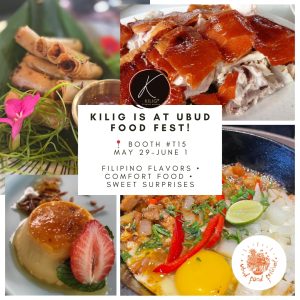
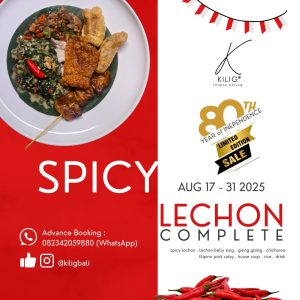
Filipino celebrations are built around family-style dining, where every dish is meant to be shared. The centerpiece is often lechon, a whole roasted pig with shatteringly crisp skin and juicy meat. It is the ultimate festive mood and a symbol of Filipino hospitality.
No gathering is complete without pancit, stir-fried noodles that symbolize long life, and lumpia, crisp spring rolls that disappear first from the table. Kare-kare, an oxtail and vegetable stew thickened with ground peanuts and served with bagoong, adds a rich, nutty layer to the feast. Together, these dishes create a balance of textures and flavors that keeps conversation and eating flowing for hours.
Chef Juan points out that family-style dining is not just about sharing food; it is about sharing stories. At Kilig Filipino Warung, he often serves these celebratory dishes on large platters so guests can reach across the table and build their own plates.
Sweet, Sour, Savory, and Smoky Filipino Flavor Moods
Understanding the four core flavor moods—sweet, sour, savory, and smoky—helps you choose like a local. Sweet dishes in the Philippines are not just desserts; they are often merienda or afternoon snacks. Halo-halo, a layered shaved ice dessert with sweet beans, jellies, leche flan, and ube, is the ultimate answer to a hot day. Kakanin—glutinous rice cakes like bibingka and puto—offers gentle sweetness and chewy texture.
Sour dishes such as sinigang and kinilaw wake up the palate. Savory flavors come through in adobo, sisig, and anything enriched with bagoong. For smoke, sisig is king: chopped pig’s face and ears griddled until crispy, seasoned with calamansi and chili, often served on a sizzling plate. This dish is the perfect example of how savory flavors and smoke can merge into a single addictive bite.
Sweet and Sour: Balancing Two Filipino Moods
Filipino desserts often include a sour or salty counterpoint, like salty cheese on sweet rice cakes or a squeeze of calamansi over sweet mangoes. This balance keeps the palate engaged and prevents sugar fatigue. Chef Juan recommends ending a meal with fresh fruit and a small taste of kakanin rather than an overly heavy dessert.
Smoky and Savory: The Charcoal-Kissed Side of Filipino Cuisine
Smoke in Filipino cooking comes from charcoal grilling and from dishes like sisig cooked on a sizzling plate. The aroma triggers appetite and a sense of festivity. Pair smoky dishes with a sour soup or a simple tomato salad to keep the meal from feeling heavy.
Regional Filipino Cuisine: How Place Shapes Your Dining Mood
Regional Filipino cuisine is where dining mood intersects with geography. In Bicol, expect coconut milk and heat. In Pampanga, known as the culinary capital, expect rich, complex savory flavors and dishes like sisig. In the Visayas and Mindanao, grilled seafood, fresh kinilaw, and lighter, brothier soups reflect a coastal, easygoing mood.
Choosing by region is a smart way to let your mood lead. A traveler craving bold, creamy spice might choose Bicolano Bicol Express or laing, while someone wanting breezy island flavors will gravitate toward Cebuano grilled seafood or Davao’s tuna kinilaw. According to the Philippines Department of Tourism, regional food tourism is one of the best ways to experience local culture.
Chef Juan Gadi’s Insider Tips for First-Time Visitors and Travelers
Chef Juan Gadi brings the heart of Filipino hospitality to Ubud, Bali. As an Executive Chef and consultant, he specializes in creating intimate, curated dining experiences that tell a story through every dish. Whether leading the kitchen at Kilig Filipino Warung or hosting a private villa dinner, Chef Juan’s approach is defined by warmth, modern technique, and a commitment to culinary excellence. For a related guide, see Understanding the Course Flow of a Filipino Dining Experience.
His advice for first-time visitors is simple: “Start with your mood, then ask for one dish from each flavor family. If you want comfort, get sinigang and adobo. If you want celebration, order lechon and pancit. If you want something light, choose kinilaw or grilled seafood.”
Chef Juan also recommends traveling eaters try at least one sour dish and one creamy dish to understand the full range of Filipino flavors. “The contrast between vinegar and coconut milk is the soul of Filipino cooking,” he says.
Common Mistakes When Choosing Filipino Food by Mood—and How to Avoid Them
Even seasoned food lovers make these mistakes when exploring Filipino food by mood. Avoid them to keep your meals aligned with how you actually feel.
- Assuming all Filipino food is heavy: light options like kinilaw and tinola exist for easygoing moods.
- Ordering only one dish: Filipino meals are meant to be eaten family-style dining with rice and multiple viands.
- Ignoring regional specialties: Bicolano spice, Kapampangan savory depth, and Visayan freshness offer different moods and flavor experiences.
- Skipping the sour element: sour dishes balance the richness and are central to Filipino food culture.
- Filling up on fried food before the main meal: start light and save room for the centerpiece.
Filipino Food by Mood: A Practical Cheat Sheet for Every Craving
Use this table as a quick reference when you are deciding what to order. Let your mood speak first, then match it with the dishes and flavors below.
| Dining Mood | Best Filipino Dishes | Flavor Profile | Chef Juan’s Tip |
|---|---|---|---|
| Comforting | adobo, sinigang, tinola, lugaw, arroz caldo | Warm, sour, savory, soft | Order one broth and one braise |
| Light and Refreshing | kinilaw, grilled seafood | Bright, acidic, clean | Squeeze extra calamansi |
| Spicy and Adventurous | Bicol Express, laing | Rich, creamy, hot | Pair with rice and a sour side |
| Celebratory | lechon, pancit, lumpia, kare-kare | Crisp, savory, nutty | Serve family-style dining |
| Sweet Craving | halo-halo, kakanin | Chilled, chewy, lightly sweet | Choose one fruit, one rice cake |
| Sour Craving | sinigang, kinilaw | Tangy, sharp, mouthwatering | Balance with steamed rice |
| Savory Craving | adobo, sisig, bagoong-enriched stews | Umami, salty, deep | Add a sour pickle or salad |
| Smoky Craving | sisig, charcoaled grilled seafood | Charred, crisp, aromatic | Finish with calamansi and chili |
Why Choosing Filipino Food Based on Your Dining Mood Unlocks Filipino Hospitality
The real magic of Choose Filipino Food Based on Your Dining Mood is that it turns a meal into a conversation with Filipino culinary heritage. When you choose deliberately, you taste the care behind each dish—the long braise, the careful souring, the patient grilling. That awareness is what transforms a simple bowl of adobo into a memory.
Whether you are at a roadside eatery in Manila, a coastal grill in Cebu, or Chef Juan Gadi’s Kilig Filipino Warung in Bali, let your mood lead. The food will meet you there, and Filipino hospitality will do the rest.
Useful Resources
For deeper exploration of Filipino food culture and travel planning, these resources are helpful starting points.
- Philippines Department of Tourism – Food and Travel Guides
- TasteAtlas – Filipino Dishes and Regional Cuisine
Frequently Asked Questions About Choose Filipino Food Based on Your Dining Mood
How can you choose Filipino food based on your dining mood ?
Start by naming your craving—comfort, refreshment, heat, celebration, or a specific flavor like sweet, sour, savory, or smoky. Then match that craving to traditional dishes such as adobo for savory comfort, sinigang for sour brightness, kinilaw for a light and refreshing taste, or lechon for celebration. Filipino meals are designed to be shared, so order a few dishes that cover different mood profiles. For a related guide, see How to Order a Balanced Filipino Feast.
Which Filipino dishes are best when you want comforting food?
Filipino comfort food is all about warmth and soft textures. Best dishes include adobo, sinigang, tinola, lugaw, and arroz caldo. These are gentle on the stomach and rich in nostalgic, home-cooked flavor.
What Filipino meals are ideal for a light and refreshing mood?
Kinilaw and grilled seafood are ideal for a light and refreshing mood. Both rely on fresh seafood, bright acidity from vinegar or calamansi, and minimal heavy sauces. A simple tinola with ginger also works when you want warmth without heaviness.
Which dishes should spicy-food lovers try?
Spicy-food lovers should try Bicol Express and laing from the Bicol region. These dishes combine chilies with creamy coconut milk, creating a rich, slow-burning heat that pairs beautifully with steamed rice.
What Filipino foods are perfect for celebrating with friends and family?
Celebratory Filipino meals center on lechon, pancit, lumpia, and kare-kare. Served family-style dining, these dishes offer crisp textures, rich sauces, and a sense of abundance that makes gatherings feel special.
Which dishes are best when craving something sweet, sour, savory, or smoky?
For sweet cravings choose halo-halo or kakanin. For sour moods choose sinigang or kinilaw. For savory depth choose adobo or sisig. For smoky notes choose sisig or charcoaled grilled seafood.
What Filipino comfort foods are ideal after a long day of traveling?
After a long day of traveling, your body often wants something soft and easy to digest. Lugaw and arroz caldo are rice porridges that settle the stomach and restore energy. Tinola is another good option because its ginger broth feels soothing without being heavy.
How can first-time visitors choose Filipino dishes based on their cravings?
First-time visitors can start by identifying their strongest craving—something sour, creamy, crunchy, or brothy. Then ask for one representative dish: sinigang for sour, kare-kare for creamy and nutty, lumpia for crunchy, or tinola for brothy. This approach keeps the first meal from feeling overwhelming.
Which regional Filipino dishes offer different moods and flavor experiences?
Bicol offers spicy and creamy dishes like Bicol Express and laing. Pampanga is known for savory depth, including sisig. The Visayas and Mindanao highlight fresh grilled seafood and kinilaw. Each region uses local ingredients to create a distinct mood and flavor experience.
How can travelers use their dining mood to discover new Filipino foods while experiencing the country’s diverse flavors, culinary traditions, and hospitality?
Travelers can let their current mood guide them to a regional specialty or cooking method. If you feel celebratory, seek out a lechon stall. If you feel reflective, ask for a sour soup. This approach naturally leads you to new dishes while connecting you with the local Filipino food culture and the warm hospitality of Filipino cooks and hosts.
What is the role of vinegar and calamansi in Filipino cooking?
Vinegar and calamansi provide the sharp, bright acidity that balances the rich, fatty, and savory elements of Filipino food. They are used in marinades, dipping sauces, and soups like sinigang and kinilaw to keep flavors lively and appetizing.
Is Filipino food always heavy and meaty?
No. While dishes like lechon and kare-kare are rich, Filipino cuisine includes many light options such as kinilaw, tinola, and simple vegetable stews. The balance of sour, fresh, and grilled dishes means you can eat Filipino food for any mood, from light to indulgent.
What are the best Filipino dishes for a rainy day mood?
On a rainy day, most Filipinos crave hot, brothy food. Sinigang and tinola are top choices because their sour or ginger-based broths feel both comforting and restorative. Pair with a bowl of steamed rice for a complete meal.
How does bagoong enhance savory flavors in Filipino cuisine?
Bagoong, a fermented shrimp or fish paste, adds an intense umami and salty depth that amplifies the savory qualities of dishes like kare-kare. A small side of bagoong can transform a mild stew into a complex, deeply satisfying meal.
What is the difference between adobo and sinigang in flavor mood?
Adobo is savory, slightly tangy, and often rich from braising, making it ideal for comforting or savory cravings. Sinigang is dominated by sourness, bright and thin-bodied, making it perfect for refreshing or lightening moods. Both are traditional but answer different mood needs.
What is the best Filipino dessert for a hot afternoon?
Halo-halo is widely considered the best Filipino dessert for a hot afternoon. Its combination of shaved ice, sweet beans, jellies, leche flan, and ube ice cream is cooling, varied in texture, and endlessly refreshing.
Are there vegetarian-friendly Filipino dishes for lighter moods?
Yes, many Filipino vegetable dishes are naturally vegetarian-friendly or can be adjusted. Options include laing made without meat, ginataang gulay, and kakanin as a sweet snack. Grilled seafood and kinilaw also offer light, non-meat choices for those who eat seafood.
How do you eat Filipino food family-style?
In family-style dining, dishes are placed at the center of the table and everyone shares. Each person gets a plate of rice and takes small portions from the different viands. It is common to combine a sour dish, a savory dish, and a vegetable dish in one meal for balance.
What is kinilaw and when should you order it?
Kinilaw is a raw seafood dish cured in vinegar or calamansi with ginger, onions, and chili. It is best ordered as a starter or light main when you want something refreshing, especially in hot weather or before a heavier meal.
What should first-time visitors order at a Filipino restaurant?
First-time visitors should order a balanced set: adobo or sinigang for a traditional anchor, lumpia or pancit for familiar textures, and halo-halo or kakanin for a sweet finish. This mix introduces the range of Filipino flavors without overwhelming the palate.
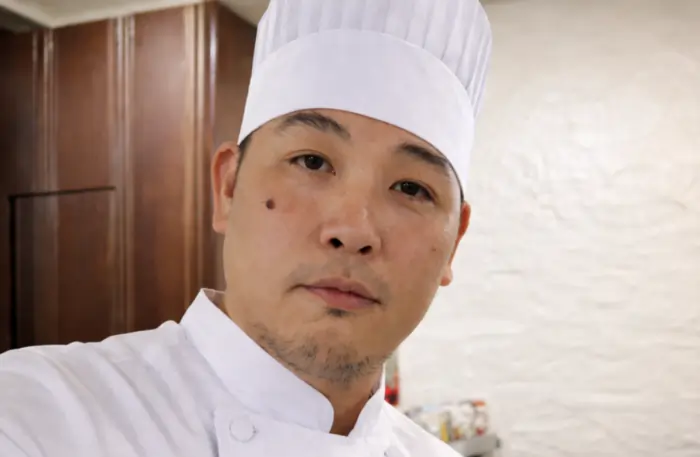
Chef Juan Gadi brings the heart of Filipino hospitality to Ubud, Bali. As an Executive Chef and consultant, he specializes in creating intimate, curated dining experiences that tell a story through every dish. Whether leading the kitchen at Kilig Filipino Warung or hosting a private villa dinner, Chef Juan’s approach is defined by warmth, modern technique, and a commitment to culinary excellence.