
Why Hospitality Begins Before the First Dish Is Served Key Takeaways
In Filipino culture, a warm welcome isn’t just politeness; it’s an invitation into a circle.
- Why Hospitality Begins Before the First Dish Is Served is rooted in guest traditions and the belief that the first impression is the foundation of customer satisfaction .
- In the Philippines, family-style dining and communal meals create a welcoming culture that extends beyond the restaurant into the home.
- Chef Juan Gadi’s approach proves that authentic hospitality —woven into every gesture, from the greeting to the farewell—elevates local cuisine and turns dining into a profound cultural experience .

The Invisible Welcome: Understanding Why Hospitality Begins Before the First Dish Is Served
I remember the first time I walked into Chef Juan Gadi’s Kilig Filipino Warung in Ubud. The scent of garlic rice and sizzling tocino drifted through the open-air kitchen, but what struck me most was the greeting. Before I even scanned the menu, a staff member placed a hand over their heart and said, “Maayong adlaw, welcome home.” It wasn’t a script; it was a moment of pure connection. That is why hospitality begins before the first dish is served. The experience didn’t start with the food—it started with a feeling of belonging.
In Filipino culture, a warm welcome isn’t just politeness; it’s an invitation into a circle. This practice, deeply rooted in cultural customs, means that a guest is treated like family from the very first second. Whether you’re stepping into a high-end restaurant or a humble roadside eatery, the same hospitality etiquette applies: a genuine smile, a respectful greeting, and an unspoken promise that you will be cared for. This pre-meal ritual sets the tone for the entire dining atmosphere and explains why hospitality begins before the first dish is served as a universal principle of service culture. For a related guide, see 11 Ways Filipino Hospitality Creates Meaningful Connections.
Filipino Hospitality: A Culture of Warm Welcome and Shared Meals
To truly grasp why hospitality begins before the first dish is served, you must look at the Philippines’ complex culinary traditions. Here, dining traditions are not just about eating; they’re about connection. The term “salu-salo” (togetherness) captures the idea that shared meals are the lifeblood of family dining and community spirit. When a host offers you a seat, they aren’t just giving you a chair—they are inviting you into a sacred space of hosting guests with genuine care.
Consider table etiquette in a Filipino home: you never begin eating until everyone is served, and you always accept what is offered, even a small portion, out of respect for the host’s effort. This stems from cultural customs that prioritize hospitality values over formality. At Chef Juan’s private villa dinners in Bali, he brings this tradition to life. He explains, “I might prepare a five-course degustation using modern techniques, but the first thing my team offers is a hand towel and a sincere ‘Kumusta kayo?’ (How are you all?). That moment of personal interaction is the real appetizer.” This blend of local traditions and personal touch creates a memorable dining experience that lingers far longer than any dish.
Chef Juan Gadi: Blending Local Traditions with Modern Service Excellence
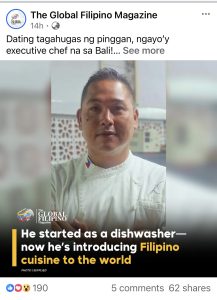
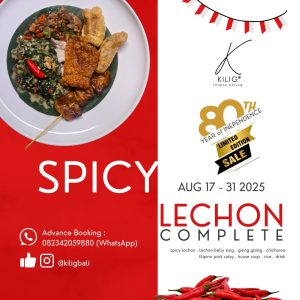
Chef Juan Gadi brings the heart of Filipino hospitality to Ubud, Bali, as an Executive Chef and consultant known for intimate, story-driven dining. At Kilig Filipino Warung and through his curated villa experiences, he proves that authentic hospitality isn’t a checklist—it’s a philosophy. “I want guests to feel like they’ve been invited to my grandmother’s kitchen, but with the precision of a professional brigade,” he often says. His approach marries home cooking warmth with restaurant service finesse, turning every travel dining opportunity into a lesson in welcoming culture. For a related guide, see Meaning of Filipino Hospitality Beyond the Meal Itself: 5 Expert Insights from Ubud.
His emphasis on food presentation goes beyond aesthetics; it’s about storytelling. A dish of kinilaw (Filipino ceviche) isn’t just plated beautifully—it’s introduced with a tale of the fisherman who caught the tuna that morning. This narrative layer, paired with a warm welcome, transforms a meal into a cultural experience. For Chef Juan, service excellence is measured by the moment a guest’s shoulders relax, realizing they are safe, cared for, and part of something special. That’s the essence of why hospitality begins before the first dish is served—it’s about creating an emotional sanctuary.
How Restaurant Service and Dining Atmosphere Create Unforgettable First Impressions
Think back to your most memorable meal. Chances are, the dining atmosphere and the way you were greeted left a deeper impression than the complexity of the sauce. Customer satisfaction starts long before the fork meets the food. In any restaurant hospitality setting, from a Parisian bistro to a bustling night market in Manila, the initial exchange—eye contact, a nod of acknowledgement, an authentic “we’ve been waiting for you”—builds trust. That’s a key part of why hospitality begins before the first dish is served.
Modern food tourism travelers crave this kind of authenticity. They aren’t satisfied with pretty plates alone; they seek cultural dining where they feel seen as individuals, not just covers. Chef Juan’s team trains intensely on this front. At Kilig, servers are taught to read a guest’s body language in the first five seconds. If someone seems hesitant, they might offer a lighter dish suggestion or a reassuring smile. This micro-level hospitality etiquette directly fuels customer satisfaction and encourages authentic cuisine seekers to return and share their stories.
Why Genuine Hospitality Is Considered Just as Important as the Quality of the Food Itself
The age-old debate in the hospitality industry pits food against service. Yet the most successful chefs and restaurateurs know they are inseparable. A Michelin-starred dish served with a cold shoulder will taste bland; a simple bowl of arroz caldo (rice porridge) offered with a heartfelt “this is my lola’s recipe” becomes a treasure. That’s why hospitality begins before the first dish is served and why genuine hospitality is the true secret ingredient.
In cultural experiences like family-style dining, the food is merely the centerpiece of a larger ritual. Communal meals in the Philippines, for instance, rely on the host’s warmth to encourage guests to reach across, share stories, and build community spirit. Without that welcoming energy, even the most elaborate traditional meals can feel hollow. Chef Juan notes, “When I design a menu, I first script the emotional journey. What will the guest feel when they walk in? When they smell the grilled pork belly? When they hear the staff laugh? That’s the real flavor profile.” This holistic approach elevates food experiences into memorable dining that defines food tourism.
Food Tourism and the Art of Recognizing Authentic Hospitality
For travelers exploring Southeast Asia or elsewhere, spotting true authentic hospitality is a skill. It’s not about the opulence of the décor; it’s in the small guest traditions. Look for a host who remembers your name or asks about your journey before mentioning the specials. Notice how local cuisine is served with a story, how table etiquette reflects respect, and how the room hums with a welcoming culture. These signs are the footprints of why hospitality begins before the first dish is served.
Chef Juan’s private dinners in Bali have become a pilgrimage for heritage tourism enthusiasts. His guests, often first-time visitors to Southeast Asia, remark that the highlight wasn’t just the lechon kawali but the moment they were handed a warm pandan-scented towel and told, “Relax, you’re family now.” That’s the kind of travel dining that drives cultural tourism and keeps the hospitality industry vibrant—it’s a reminder that hosting guests is an art form rooted in cultural traditions. For a related guide, see 11 Dining Experiences That Celebrate Filipino Hospitality: Best Cultural Eats.
Useful Resources
Explore these external sources to deepen your understanding of Filipino dining hospitality and global service culture:
- Filipino Hospitality: A Tradition of Warmth and Generosity – Culture Trip examines the roots of the country’s famous welcoming spirit.
- Filipino Food and Dining Customs You Need to Know – Asian Inspirations offers insight into the rituals that make every meal a shared celebration.
Frequently Asked Questions About Why Hospitality Begins Before the First Dish Is Served
Why does hospitality begin before the first dish is served?
Hospitality begins before the first dish because the initial greeting, atmosphere, and personal interaction set the emotional tone for the entire meal. It builds trust, comfort, and a sense of belonging, which are essential for a memorable dining experience.
What makes a dining experience feel welcoming before the meal starts?
A genuine smile, eye contact, a respectful greeting, and small gestures like offering a welcome drink or a hand towel instantly create a welcoming culture. These signals tell guests they are valued and safe, turning an ordinary outing into a cultural experience.
How does Filipino hospitality shape the guest experience?
Filipino hospitality treats every guest as family, using phrases like “tuloy po kayo” (please come in) and prioritizing shared meals. This deep sense of care, rooted in community spirit, makes the guest feel truly seen and embraced long before any dish arrives.
Why are greetings and personal interactions important in food culture?
Greetings are the gateway to trust. In many culinary traditions, a proper hello acknowledges the guest’s presence and sets a respectful, intimate stage for the meal. This hospitality etiquette is a cornerstone of customer satisfaction.
How do restaurants create memorable first impressions?
By training staff to be attentive but natural, personalizing the welcome, and crafting a dining atmosphere that reflects the menu’s story. Even a simple warm welcome can define the entire guest experience.
What role does hospitality play in traditional family-style dining?
In family-style dining, hospitality is the glue that binds the table. It encourages sharing, storytelling, and a relaxed pace. Without genuine host warmth, communal meals lose their emotional resonance and become just a buffet.
How can travelers recognize authentic hospitality during their dining experiences?
Look for unscripted moments: a server who asks about your travels, an owner who shares a recipe, or a room where laughter is genuine. Authentic hospitality feels like you’ve been invited into someone’s home, not a business transaction.
What cultural traditions influence hospitality in the Philippines?
The values of “pakikisama” (getting along), “utang na loob” (debt of gratitude), and “hiya” (shame) all shape Filipino hospitality etiquette. These traditions emphasize respect, generosity, and the joy of hosting guests with open arms.
How does excellent service enhance the enjoyment of local cuisine?
When a server explains the origin of an ingredient or shares a personal memory linked to a dish, it elevates food presentation into storytelling. This service excellence makes local cuisine more meaningful and memorable.
Why is genuine hospitality considered just as important as the quality of the food itself?
Emotion dictates taste. A perfectly cooked meal can be ruined by indifferent service, while a simple dish offered with sincere warmth becomes extraordinary. Genuine hospitality transforms the act of eating into a cultural experience.
What is the significance of a warm welcome in Filipino dining?
A warm welcome in the Philippines is a non-negotiable ritual. It signals that the guest is now part of the family and that their comfort is the host’s priority, perfectly aligning with why hospitality begins before the first dish is served.
How does table etiquette differ in Filipino culture?
Table etiquette emphasizes collective enjoyment: wait for everyone to be served, say “Masarap!” (delicious!) to compliment the cook, and never leave a plate completely empty to show you’ve had enough. These small acts reflect deep hospitality values.
What makes family-style dining a key part of Filipino food culture?
Family-style dining embodies the spirit of “bayanihan” (community cooperation). Food is placed at the center, and everyone shares, which reinforces bonds and turns meals into celebrations of community spirit.
How do local traditions shape the way meals are served?
Local traditions like the “kamayan” (eating with hands) or the practice of offering guests the best cuts of meat powerfully influence restaurant service and private dining, creating an immersive cultural dining experience.
Why is home cooking central to Filipino hospitality ?
Home cooking is the purest expression of care. In Filipino culture, cooking for someone is an act of love, and sharing traditional meals is the ultimate way to honor a guest, making food experiences deeply personal.
How do restaurants in the Philippines ensure service excellence?
By embedding hospitality etiquette into training from day one. Staff learn to anticipate needs, remember repeat guests, and treat every table with the same warmth they’d show a relative, all hallmarks of the country’s service culture.
What is the role of community spirit in Filipino dining experiences?
Community spirit transforms a simple meal into a communal celebration. Festivals, town fiestas, and even casual street food gatherings revolve around inclusivity and the joy of shared meals with strangers-turned-friends.
How does food tourism benefit from authentic hospitality?
Food tourism thrives when visitors leave with stories, not just full stomachs. Authentic hospitality turns tourists into ambassadors who share their cultural experiences, fueling the local economy and preserving culinary traditions.
What are some memorable dining experiences that showcase Filipino hospitality ?
From Chef Juan Gadi’s story-driven villa dinners to a humble “carinderia” where the owner personally scoops your rice, these memorable dining moments are defined by the human connection that confirms why hospitality begins before the first dish is served.
How can hosts create a welcoming culture at home?
Start with a sincere greeting, prepare at least one dish with a story, and involve guests in small rituals. Emulating guest traditions like offering a refreshing drink and putting phones away helps build a welcoming culture that mirrors the best of dining hospitality.
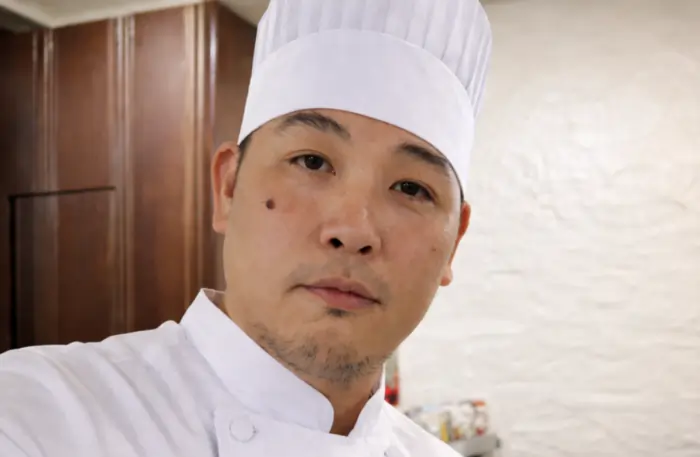
Chef Juan Gadi brings the heart of Filipino hospitality to Ubud, Bali. As an Executive Chef and consultant, he specializes in creating intimate, curated dining experiences that tell a story through every dish. Whether leading the kitchen at Kilig Filipino Warung or hosting a private villa dinner, Chef Juan’s approach is defined by warmth, modern technique, and a commitment to culinary excellence.